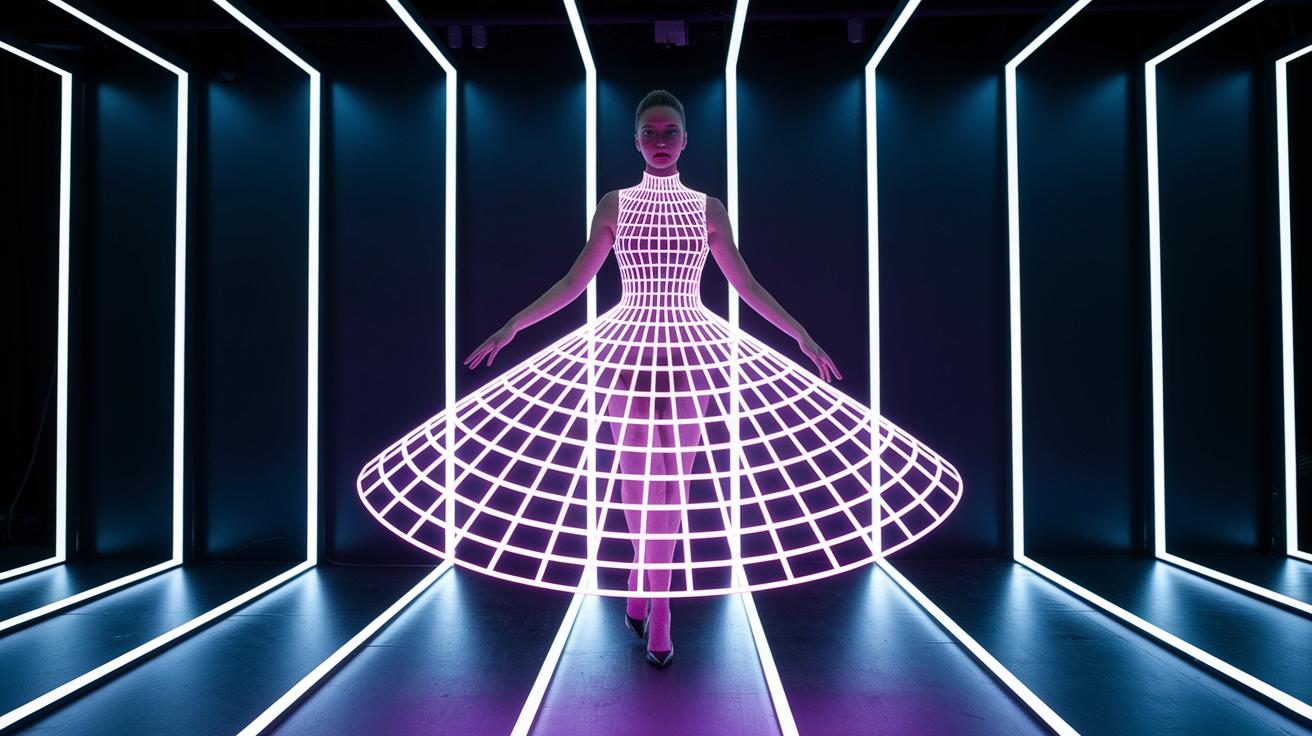
Ever imagine a quick sketch turning into a fabulous outfit in just seconds? AI is changing fashion in ways we never thought possible. Designers now have an inventive partner that transforms simple ideas into amazing creations almost instantly.
Think of it like having a savvy friend who always knows what’s in style. With smart digital trend spotting, finding the season’s favorite pieces becomes a breeze. Custom fits and seamless production add a personal touch, making each shopping experience feel uniquely yours.
So, get ready to step into a world where AI sparks bold trends and stretches the limits of style.
AI Fashion Overview: Design, Forecasting, Personalization, and Production
AI is completely transforming the fashion game. It’s like having a creative best friend who can whip up a whole new design, from a simple pencil sketch to a stunning, photorealistic image, in just seconds. This means designers can quickly see ideas come to life, making prototyping and reviews so much faster.
Imagine having a savvy assistant that scans social media, blogs, and online shops to spot the next big trend. That’s what trend forecasting with AI is all about. It can notice when retro prints are making a comeback and help brands plan their seasonal collections so they’re always walking in step with what we all crave.
Personalization is another major perk. AI dives into details like body scans, shopping history, and even the feel of fabrics to recommend the perfect fit. Picture a virtual try-on that dresses a digital version of you exactly right, talk about boosting your confidence! This clever tech not only makes shopping feel tailor-made but also keeps those pesky return rates low.
On the production side, smart automation smooths out sample development and streamlines logistics. By mixing modern technology with classic methods, brands can handle inventory and quality checks with ease, cutting down on both costs and waste. And get this, research by McKinsey suggests that generative AI could add up to $275 billion in operating profits for the fashion and luxury sectors by 2028.
All in all, the blend of creative design, savvy trend spotting, custom-fit experiences, and efficient production is sparking a revolutionary change in the fashion industry.
Automated Clothing Design in AI Fashion

AI is changing the game by blending digital design generators, neural networks (smart computer systems that mimic human thinking), and creative design algorithms with real customer data. Imagine sketching a quick drawing and then watching it transform into a lifelike image almost instantly, in fact, in just the time it takes to brew a cup of coffee, a sketch-to-image tool can bring an entire design to life.
This speedy process lets designers play around with many ideas and fine-tune each look to match unique styles. It’s a refreshing twist that speeds up creativity while keeping modern fashion fresh and innovative.
Machine Learning Trend Forecasting in AI Fashion
Machine learning trend forecasting is shaking up how brands plan their collections. It’s like having a smart, tireless friend who keeps an eye on social media posts, blogs, and sales info to spot upcoming styles. Imagine a tool that catches a sudden surge of neon colors by quickly scanning thousands of Instagram posts – a little style magic that sparks creativity in an instant.
Platforms such as Heuritech are using data to help designers steer their collections in the right direction. They dive into current trends to guide creative choices while reducing the risk of making too much stock or wasting resources. It’s a bit like your weather app warning you about rain; predictive analytics signals the next big trend. One surprising fact: a leading fashion brand lowered its production waste by 20% just by tuning in to these insights.
This innovative technology not only fine-tunes inventory decisions but also boosts sustainable practices. With AI-powered circular fashion platforms that automate tasks like categorizing resales and checking product details, brands can keep their look stylish while caring for the planet.
- It helps cut down on making too much product.
- And it offers non-stop insights into market changes.
By blending creative flair with smart data, machine learning turns trend forecasting into a proactive tool that fuels both innovation and efficiency in today’s fashion world.
Virtual Try-On and Personalized Solutions in AI Fashion

Imagine turning your smartphone into a magical dressing room. When you're browsing your favorite online store, you can suddenly step into a virtual space where 3D garment simulation meets augmented reality styling. It’s like trying on that chic blazer without ever leaving your couch.
Retailers are using smart virtual try-on tools that take your body measurements, past purchases, and even how fabrics drape to give you perfect fit suggestions. Think of it as having a savvy stylist who knows your style inside out. This innovative approach not only boosts your confidence in every purchase but also slashes return rates, almost like magic.
With interactive VR apps, you’re free to experiment with different looks. You can layer accessories, swap colors, and mix and match outfits until you find that perfect ensemble. It’s a comfy, carefree way to dive into new trends without any risk.
- It offers a highly realistic virtual try-on experience.
- It tailors each garment solution to your unique style.
- It brings digital designs to life using augmented reality styling.
This fresh mix of tech and fashion makes online shopping a confident, personalized, and fun adventure for modern women.
AI Fashion Production and Supply Chain Optimization
AI is completely changing how designers bring their ideas to life. It speeds up sample creation and prototyping, letting designers see a new look come together in no time. This quick process not only boosts creativity but also slashes lead times, so brands can jump on fresh trends almost as soon as they appear. For instance, a brand can use AI to whip up multiple versions in just minutes, giving them a real edge while keeping costs low.
Tools like computer vision are making quality control much smarter. They work like a digital inspector, checking every detail in real time, from inventory levels to material tracking, and even spotting issues before they grow into bigger problems. Imagine a system that looks over every stitch and fabric detail round the clock, keeping everything in perfect check.
Meanwhile, robotic process automation handles everyday tasks such as invoicing and order processing. This means fewer human errors and smoother logistics, which frees up the team to focus on the creative parts and building customer relationships. All these improvements work together to streamline the design process, reduce costs, and boost the overall efficiency of the supply chain.
ai fashion Inspires Bold Trend Innovations
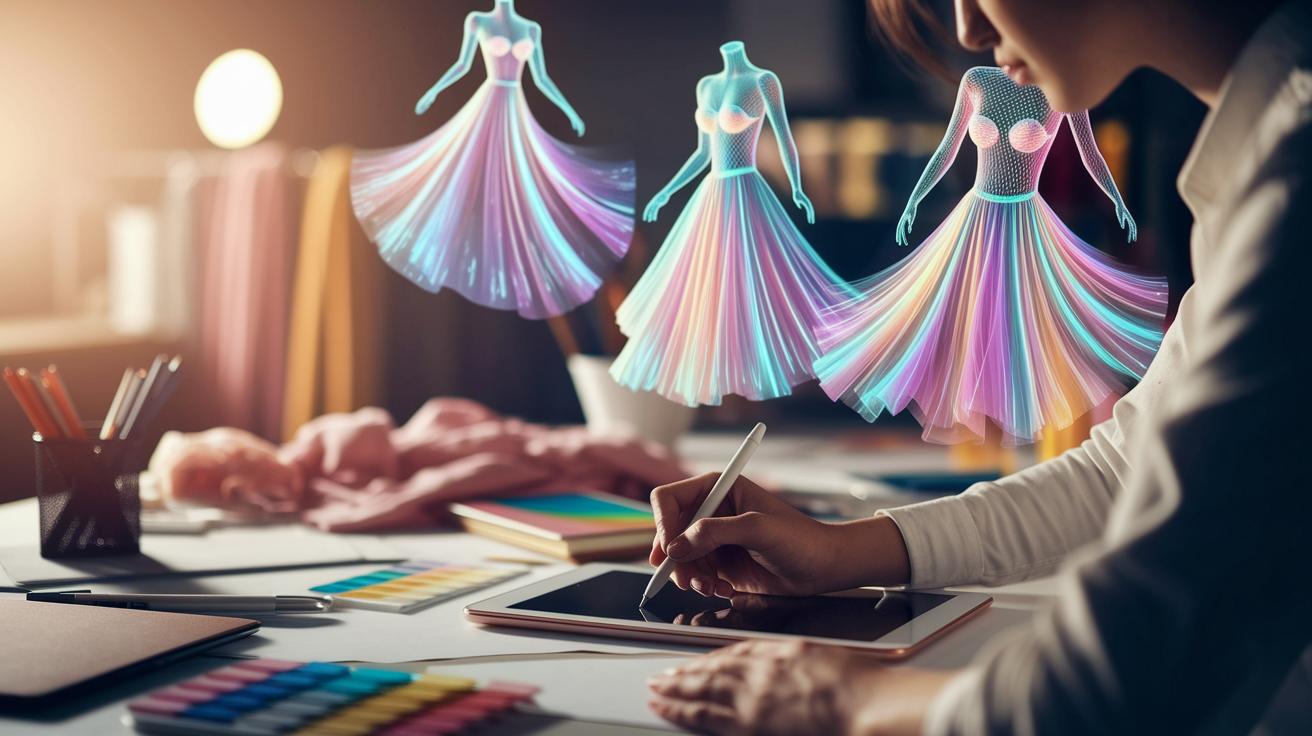
AI fashion is totally changing the game for marketing and digital storytelling. Brands now create digital influencers using digital model generation, a fun way to connect with specific audiences. Imagine a tool like Zmo.ai that lets you whip up stunning, diverse fashion images without a traditional photoshoot. It's like magic: you sketch, press a button, and voilà, a new digital model pops up in seconds.
Interactive fashion platforms are becoming cool spaces for creative play. Virtual runway shows and interactive lookbooks let designers and fans join forces in real time. You can try out different styles, mix and match outfits, and even share your thoughts on what works best.
This lively, collaborative vibe sparks fresh ideas and helps designers see what really clicks with people. They can quickly adjust their collections based on honest, instant feedback. In short, technology is not just smoothing out the production process, it’s adding a whole new depth to the art of digital storytelling in fashion.
AI Fashion Market Impact and Future Outlook
Generative AI is shaking up fashion in a big way. Experts predict it could add as much as $275 billion to industry profits by 2028. Imagine a tool that speeds up design sketches and even creates digital-only outfits for online wardrobes. It’s a fresh twist that flips old production methods on their head.
A major shift is the rise of personalized AI design workflows. Designers now craft each piece using real customer data, making every garment feel tailor-made. Mix that with smart, automated supply chains, and brands can now serve up styles faster and more efficiently – kind of like combining your favorite stylist with a high-speed production team.
Of course, all this tech excitement brings up some important questions. Data privacy is a real concern, and more automation means some jobs might change or disappear. Plus, there’s the issue of algorithmic bias, which is just a fancy way of saying the tech needs to be fair to everyone. It’s about finding that perfect blend between high-tech creativity and ethical fairness.
On the bright side, these innovations are also creating brand-new job opportunities. New roles in data science and digital innovation are joining forces with traditional creative skills, ensuring we still enjoy that human touch. In truth, AI isn’t just about boosting numbers – it’s changing how brands connect with you, plan the next big trend, and design collections that feel both modern and personal.
• It opens the door to dynamic, responsive collections.
• It invites us to reimagine how art and technology can dance together.
Final Words
In the action, this piece outlined how groundbreaking ai fashion transforms design, trend analysis, and production. It explored automated design, virtual try-on technology, and digital models that bring style to life. Each section offered a peek at how innovative solutions make smart, modern fashion more responsive and exciting. By bridging creative ideas with practical techniques, the article shows how technology is reshaping our everyday style. Embrace these fresh insights and step forward with confidence and a flair for effortless style.
FAQ
What is AI fashion design?
AI fashion design uses smart algorithms to create clothing concepts, predict trends, and personalize styles. It speeds up design iterations, making fashion creation efficient and dynamic for modern designers.
How does AI fashion online operate?
AI fashion online platforms blend digital styling with smart algorithms to curate personalized wardrobe selections and immersive shopping experiences, enabling users to explore fresh trends and shop comfortably on their devices.
What is an AI fashion generator?
An AI fashion generator leverages creative design algorithms to produce style concepts and visuals quickly, allowing designers to experiment with ideas and accelerate prototyping processes with technology-infused creativity.
How can I access AI fashion online for free?
Accessing AI fashion online for free means using websites and apps that offer no-cost tools for digital styling, design creation, and trend insights, enabling emerging designers and enthusiasts to experiment without charge.
What features should I expect in an AI fashion app?
An AI fashion app offers virtual try-on experiences, personalized styling tips, and design generators, making it easy to explore new looks and trends directly from your mobile device in a user-friendly interface.
How do AI fashion websites benefit designers and shoppers?
AI fashion websites combine interactive design tools with trend databases to deliver real-time style recommendations, virtual fittings, and streamlined shopping experiences that cater to both designers and everyday shoppers.
What makes AI fashion brands unique?
AI fashion brands mix advanced algorithms with creative design to craft innovative apparel that adapts to consumer tastes rapidly, offering a modern, data-driven approach to style and wardrobe trends.
How does an AI fashion stylist for men work?
An AI fashion stylist for men uses data insights and personal design preferences to offer tailored outfit recommendations, providing quick, personalized style advice that suits individual tastes effectively.
What is Pietra AI clothing model generator?
Pietra AI clothing model generator creates realistic, digital models using advanced algorithms, giving designers a fast and cost-effective way to preview apparel on diverse virtual figures without traditional photoshoots.
Which is the best AI for fashion design?
The best AI for fashion design combines creative design tools with trend forecasting, offering a balanced solution that accelerates prototyping and provides personalized styling insights to support designers and brands effortlessly.