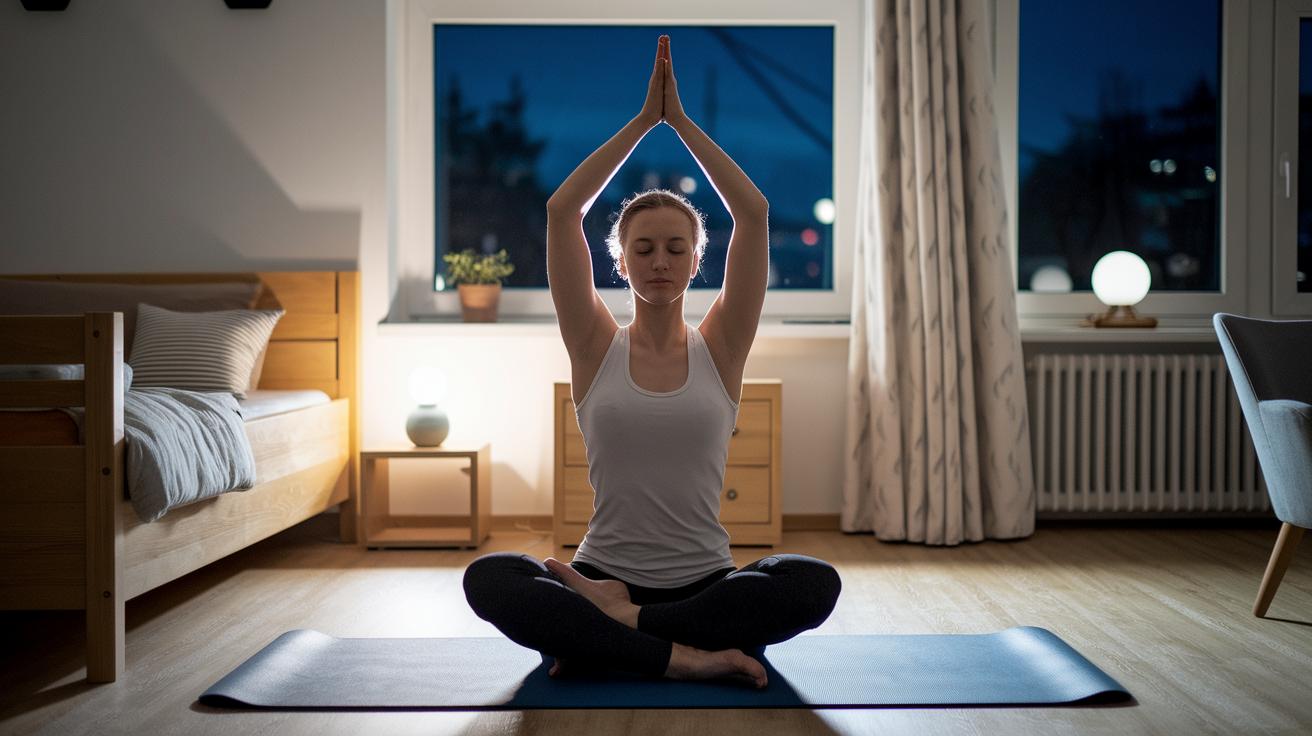
Ever notice how some nights just feel extra calm? It might be thanks to mindful movement sleep meditation, a simple routine that pairs gentle stretching, slow deep breaths, and light yoga moves right before you hit the pillow. Imagine easing away the tension with each controlled move, almost like letting the day's stress melt away. This practice can set the stage for a soothing, undisturbed sleep and might just change how you wind down at night, inviting a refreshing end to your day.
Mindful Movement Techniques for Better Sleep
When it's time to unwind, why not try a little mindful movement meditation? It mixes soft yoga moves, stretching, and thoughtful, deep breathing into a calming routine that takes just 10 to 20 minutes.
Begin with five minutes of slow, deep breaths. Sit comfortably and let your belly rise with every gentle inhale through your nose. Exhale softly through your mouth, feeling the tension slip away. It’s like a quiet reset for your mind, helping you dismiss the day's stress.
Next, ease into gentle stretches. Try some smooth shoulder rolls, soft neck stretches, or a light forward bend. As you move, notice every shift in your muscles. These unhurried motions let your body know it’s time to relax and set the stage for a peaceful sleep.
Making this a part of your nightly routine can create a serene vibe before bedtime. Find a cozy spot in your home, and over time, this simple ritual might just become the secret to falling asleep feeling refreshed and ready for a new day.
mindful movement sleep meditation brings tranquil rest
-
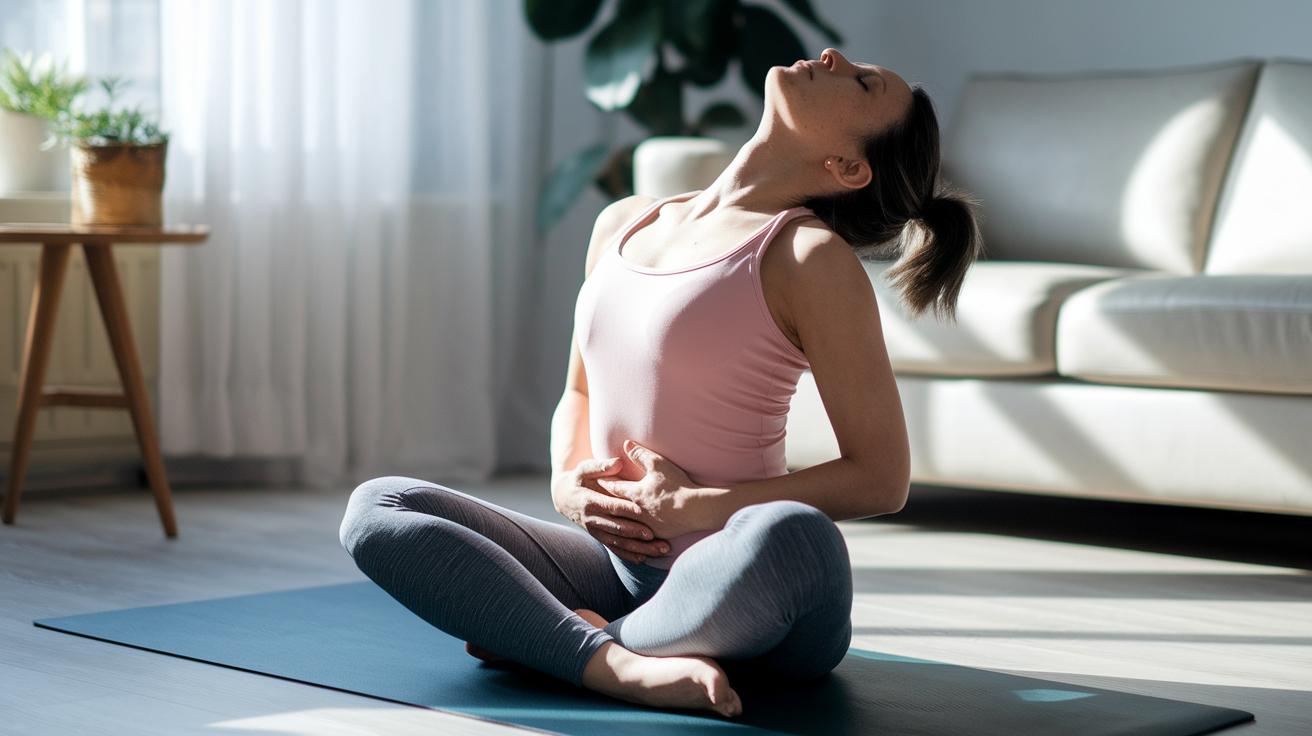
Start by settling into a comfortable position. Close your eyes and take five minutes to enjoy diaphragmatic breathing. Breathe in slowly through your nose, picturing your belly filling like a soft, gentle balloon, and exhale slowly to let go of any tension. Think of it as watching a calm lake shimmer with each breath.
-
Next, ease into a gentle neck stretch. Tilt your head slowly to one side and feel a soft pull along your neck. Hold this feeling for 30 to 45 seconds before switching to the other side. This simple move helps relax your neck and clear your busy mind.
-
Now, give your shoulders some love. Lift them up toward your ears, then roll them back and down in smooth, relaxing circles. Keep this motion for 30 to 45 seconds, letting the stress of the day simply melt away.
-
Then, move into the cat-cow sequence. Position yourself on all fours. Arch your back like a stretching cat, then dip it down like a contented cow. Hold each pose for about 30 to 45 seconds. This sequence not only soothes your spine but also offers a gentle massage to your tummy.
-
After that, try a forward fold. Stand tall and slowly bend forward at your hips, letting your arms dangle freely toward your toes. Relax in this posture for 30 to 45 seconds, noticing how your body starts to let go of built-up tightness.
-
Follow with some torso twists. While standing, gently rotate your upper body from side to side. Keep each twist for 30 to 45 seconds to boost flexibility and help the blood flow smoothly through your midsection.
-
Finally, settle into a quiet, seated mindfulness meditation for 3 to 5 minutes. Sit comfortably, focus on your natural breathing, and tune into the soft sensations within your body. Let your thoughts drift away like murmurs in the wind, and embrace this soothing ritual to invite a tranquil night's sleep.
Key Benefits of Combining Movement and Meditation for Sleep
Imagine ending your day with a mix of gentle stretches and calming breathwork that sets the stage for peaceful sleep. Doing these mindful sessions three to five times a week can make bedtime feel like a soothing ritual. The simple flow of movement paired with clear, focused breathing helps you slip into sleep more easily and feel better overall.
Here are five benefits backed by research:
- You fall asleep faster without the weight of lingering worries.
- Deep sleep lasts longer, giving your body more time to relax and repair.
- Fewer interruptions at night mean a steadier, more refreshing sleep cycle.
- Lower stress hormones (think: reduced cortisol) help calm your body before bed.
- Quieter, less racing thoughts clear the way for a truly restful night.
Adding this practice to your routine can really change the way you experience sleep. Each session helps quiet your mind and relax your body, turning the moments before sleep into a time for healing. It’s a gentle habit that supports sound rest and helps you wake up feeling refreshed and ready for a new day.
Sample Practices: Yoga and Stretching in Sleep Meditation
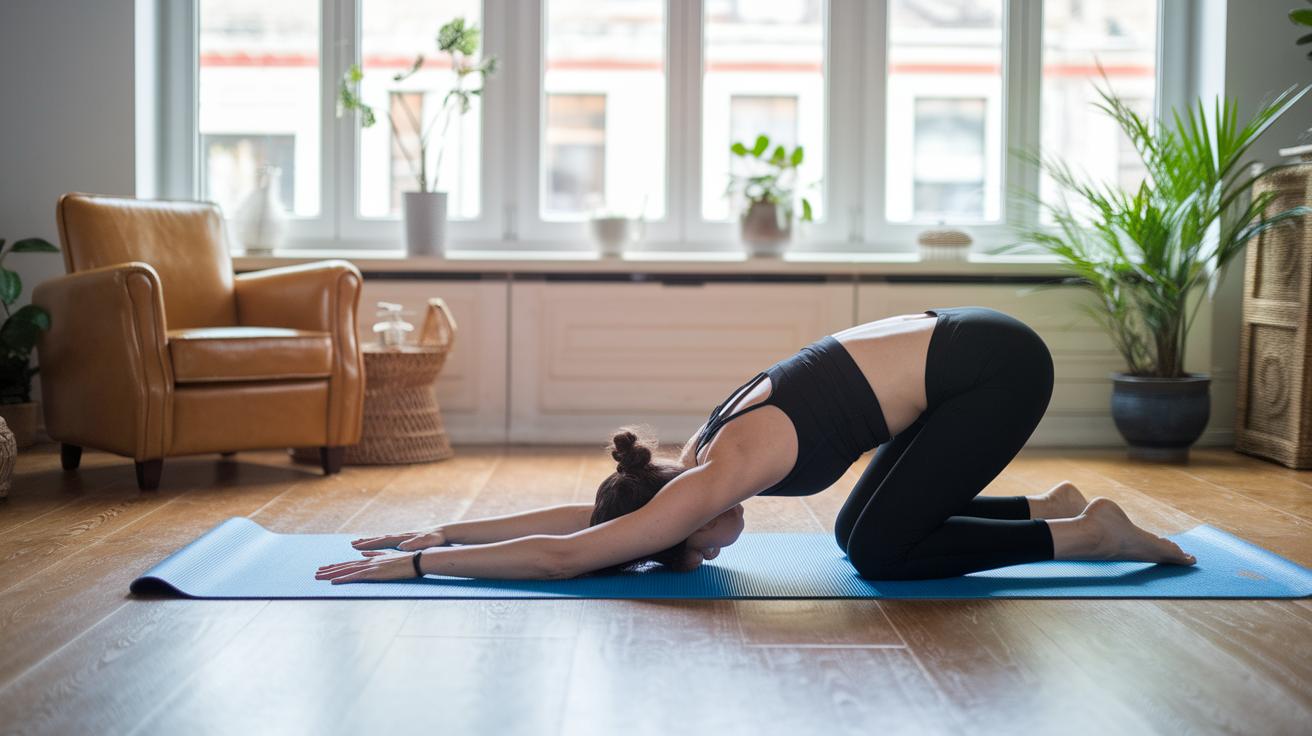
Start by sitting comfortably on your mat for a gentle cat-cow flow. Sit with ease, resting your hands on your knees. Inhale slowly as you arch your back, imagine the graceful curve of a swan, and then exhale as you round your spine. Picture stress melting away with each movement, like ice dissolving under the warm sun.
Next, lie on your back for some supine leg stretches. Extend one leg at a time and hold each stretch for about 30 seconds. As you pull your leg toward your chest, see your stress slipping away, just like unwanted tension gradually disappearing. This simple move helps ease tightness in your lower body, which often carries the day’s strain.
Finish the session with a progressive muscle relaxation exercise. While lying down, focus on different muscle groups, your arms, legs, and torso. Tense each area for a few seconds, then let go, allowing every exhale to carry away leftover tension. This blend of mindful movements relaxes both body and mind, setting you up for a calming night’s rest.
Tips for Establishing a Consistent Mindful Movement Sleep Meditation Practice
Start by setting aside 30 to 60 minutes before bed just for your mindful movement. This little slice of quiet tells your mind and body that it’s time to relax and makes it easier to build a nightly habit.
- Create a calm space. Dim the lights and set up a cozy spot with a yoga mat or bolster to signal that it’s time to unwind.
- Try habit stacking. Pair your meditation with another soothing activity like sipping on herbal tea or reading a few pages of a good book.
- Keep your props handy. When your essentials are gathered in one special spot, it’s a breeze to start your practice.
- Set a gentle reminder. A simple alarm or note can prompt you to begin winding down and helps keep your routine on track.
- Commit to regular practice. Aim for at least 3 to 5 sessions each week to weave in a bit of somatic relaxation and healing.
Building this routine calms your mind and soothes your body. When you create a dedicated, inviting space and link your practice to other cherished nightly rituals, you’re setting yourself up for peaceful sleep and overall well-being.
Addressing Challenges in Mindful Movement Sleep Meditation
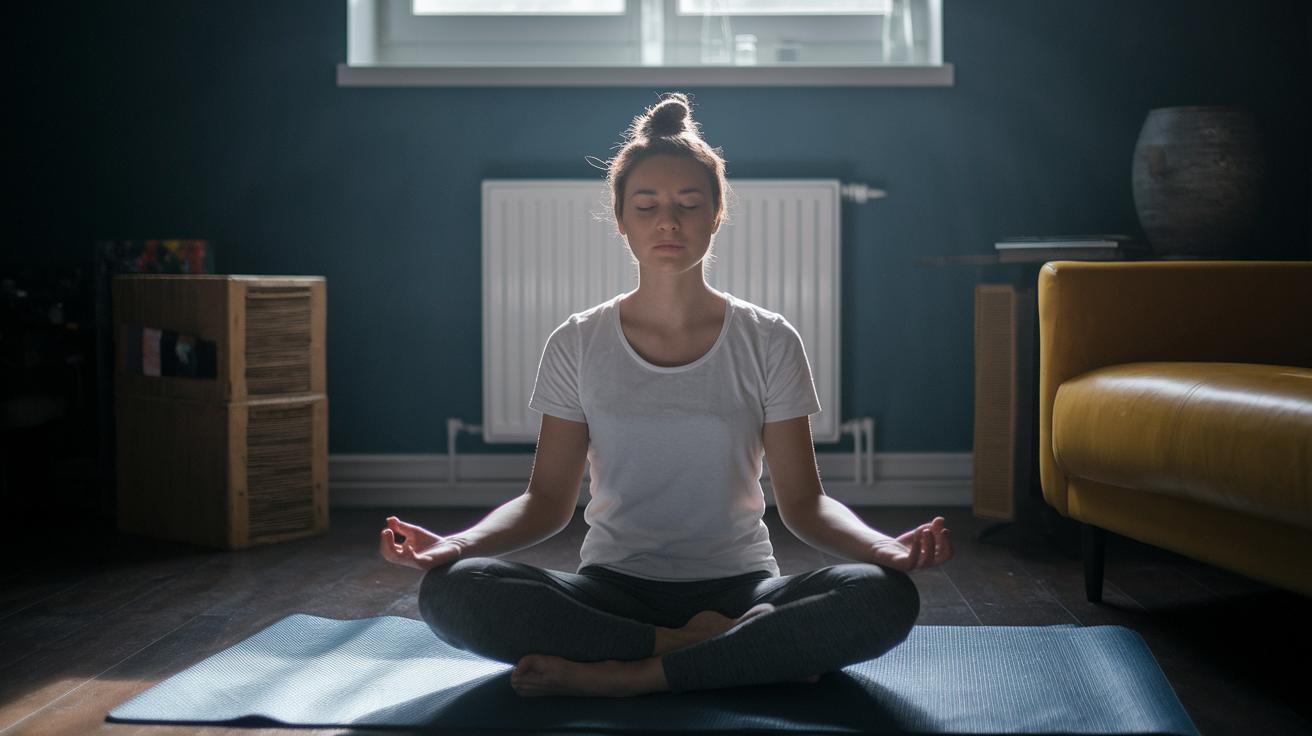
Many nights, you might find your mind flooded with thoughts, leaving little space for true relaxation. It’s like your body feels stiff and your muscles just won’t cooperate, making it hard to follow your usual calming routine. And if you’re juggling a busy schedule, finding time for your mindful movement sleep meditation can seem almost impossible.
Instead of giving up, try starting with a short session – just 5 to 10 minutes. This little window of time lets you ease into a calm state without feeling overwhelmed. When your thoughts begin to race, a friendly guided audio prompt can help pull you back to a peaceful focus. And if your body feels tense, grab a soft prop like a rolled-up towel or a folded blanket. These simple tweaks let you adjust your poses so that your body can move stronger and feel more at ease.
Stick with these simple ideas, and you’ll find it easier to overcome everyday challenges. Soon, you’ll build a sleep routine that brings both mental calm and physical comfort.
Advanced Variations: Visualization and Breathwork in Movement Meditation
Ready to take your mindful movement practice to the next level? Try some advanced techniques that deepen relaxation and pave the way for a good night’s sleep. Start by using guided imagery, imagine each inhale brings in calm energy and every exhale washes away stress, just like watching gentle ripples on a peaceful lake.
Mix in the 4-7-8 breath method: breathe in slowly for 4 counts, hold your breath for 7 counts, and exhale gently for 8 counts while moving softly. This simple pattern helps bring a sense of balance to both your body and mind.
As you move through each deliberate stretch, pay attention to how your muscles feel and listen to the steady beat of your heart. Begin with easy, flowing stretches and let each exhale carry away any built-up tension. These mindful movements create a calming blend of body and mind, making it easier to slip into a peaceful sleep.
Final Words
In the action of blending gentle stretches with deep breathing, you’ve seen how mindful movement sleep meditation can ease nighttime stress and boost sleep quality. The post walked through a clear routine, highlighted benefits, and offered smart tips to overcome challenges.
This practice is a simple yet impactful way to nurture your well-being and relaxation. Keep embracing these moments of calm and let each session bring a refreshing, balanced end to your day.
FAQ
What is the best guided sleep meditation from Sarah Raymond?
The guided sleep meditation by Sarah Raymond combines gentle movements and mindful breathing to lower stress, making it a top choice for easing into a restful night.
How does mindful movement sleep meditation help with anxiety?
The mindful movement sleep meditation helps with anxiety by syncing deliberate, slow movements with deep, calming breaths that quiet your mind and promote a peaceful transition to sleep.
What does the latest Sara Raymond Meditation offer?
The latest Sara Raymond Meditation updates traditional methods with a blend of soft yoga poses and focused breathing, targeting stress reduction and encouraging a calmer bedtime routine.
How does mindful movement sleep meditation promote healing?
The mindful movement sleep meditation promotes healing by integrating slow, restorative stretches with deep breathing, easing physical tension and nurturing a sense of overall well-being before sleep.
What does mindful movement sleep hypnosis involve?
Mindful movement sleep hypnosis involves guiding you through soft, rhythmic movements paired with relaxed, hypnotic breathing to help diminish intrusive thoughts and secure a deeper, more calming sleep.
What is mindful movement meditation?
Mindful movement meditation is a practice that fuses smooth, intentional physical activity with focused breath awareness, quietly preparing both the mind and body for a peaceful, restorative sleep.
What benefits does Sara Raymond healing meditation provide?
Sara Raymond healing meditation offers benefits like reducing stress and easing muscle tension through a harmonious mix of gentle movements and mindful breathing, which can lead to deeper, uninterrupted sleep.
How does The Mindful Movement approach aid sleep?
The Mindful Movement approach aids sleep by blending soft yoga sequences with simple breath exercises to calm the mind, ease pre-bedtime anxiety, and pave the way for a soothing, uninterrupted night’s rest.