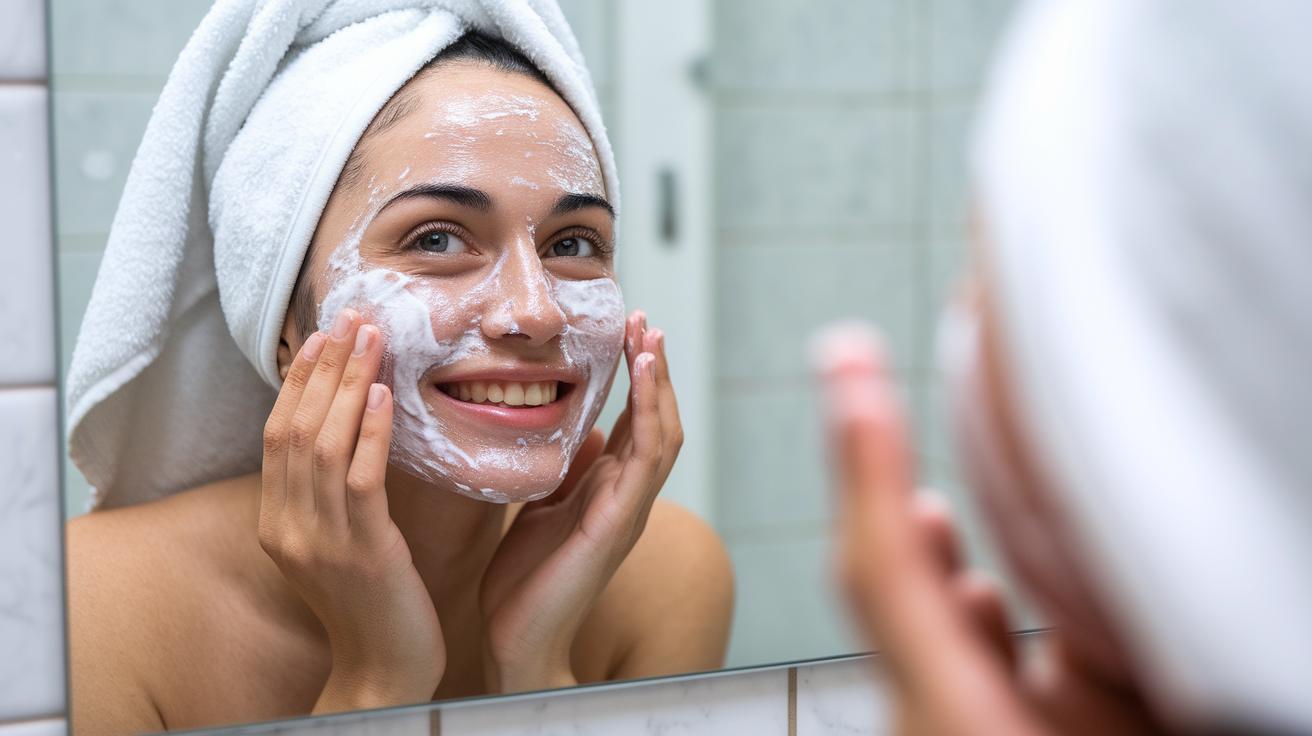
Have you ever noticed how gently buffing away old skin can reveal a fresher, more youthful you? Think of your face as a blank canvas, just waiting to light up with radiance. Exfoliating sweeps away tired skin cells, making room for brand-new, healthy ones, it’s almost like a mini facial massage. With a simple, clear routine, you help your skin renew itself and stay perfectly balanced. This easy trick opens the door to a natural, healthy glow that lasts, giving you that youthful shine every day.
exfoliate face: Radiate a Youthful Glow
A clear, step-by-step routine is the secret to a bright, healthy glow. When you follow a simple method, it gently sweeps away dead skin while getting your face ready to soak up all the nourishing benefits. This process boosts cell renewal and helps keep your skin perfectly balanced.
-
Start with a gentle, pH-balanced cleanser. Think of it as washing away the day’s mess, leaving your skin like a fresh canvas ready to shine.
-
Next, gently apply your favorite exfoliant using light, circular motions for about a minute. Whether you choose a chemical exfoliant (which uses soft acids to dissolve dead cells) or a physical one (a scrub-like treatment), be sure to steer clear of your eyes. It’s like giving your skin a little massage to spark renewal without any harshness.
-
Rinse off your exfoliant thoroughly using lukewarm water and then pat your face dry with a clean towel. This step makes sure no traces of the product stick around that might over-dry your skin.
-
Afterward, tone or mist your face with a hydrating formula to soothe any slight redness. This calming step refreshes your skin and gets it ready for the final burst of hydration.
-
Finally, lock in all that moisture with a barrier-boosting moisturizer. And don’t forget, come morning, always finish with a broad-spectrum SPF 30 or higher to protect your freshly revealed skin from UV damage.
Always perform a 24-hour patch test before you dive into a new exfoliant, and remember that sun protection is absolutely key to keeping your skin glowing and healthy.
Types of Face Exfoliation: Chemical, Physical, and Enzymatic Options
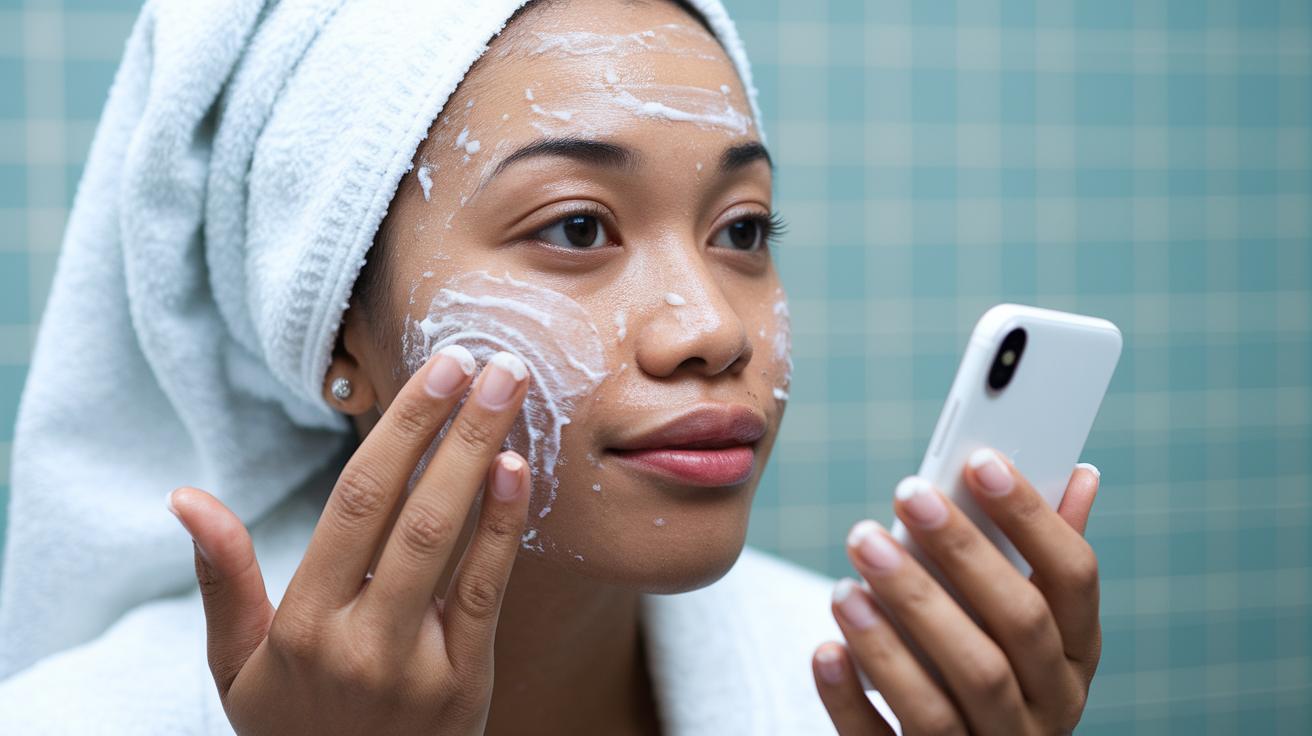
Understanding how to exfoliate your face can totally change your skincare game. It’s all about knowing the differences between chemical, physical, and enzymatic methods so you can pick one that fits your skin perfectly. Imagine a gentle enzyme exfoliant working like a soft eraser, brushing away old skin cells and revealing a fresh, radiant glow.
Chemical Exfoliants
Chemical exfoliants use ingredients like AHAs (alpha hydroxy acids, which help brighten and renew the skin) and BHAs (beta hydroxy acids, perfect for clearing out oily pores). For example, glycolic acid, often found in a 5–10% mix with a pH of 3–4, helps speed up cell renewal, leaving your skin looking subtly lifted and refreshed. Then there are BHAs like salicylic acid in 1–2% formulas that dive deep into pores to tackle excess oil. Ever feel like a little lift could sweep away the dullness? That’s exactly the magic these products offer.
Physical Exfoliants
Physical exfoliants work with tiny particles, like jojoba beads or cellulose granules, to manually sweep away dead cells. You might even use cool tools such as microdermabrasion devices for a change in texture. The reward is an instantly smooth feel that’s kind of like a soft, refreshing massage for your face. Just be sure to keep it gentle, so your skin stays happy and irritation-free.
Enzymatic Exfoliants
Enzymatic exfoliants harness fruit enzymes, think papain from papaya and bromelain from pineapple, to gently break down dead cell bonds. These natural agents are especially kind to sensitive or reactive skin. They act like nature’s own peel, letting you enjoy a tender exfoliation without the harsh rubbing.
Choosing the right exfoliant really comes down to your skin’s unique texture and sensitivity. If you need a powerful boost, chemical exfoliants are ideal. For a quick scrub effect, physical exfoliants deliver immediate smoothness. And if your skin prefers a gentler touch, enzymatic exfoliants might just be your perfect match.
Choosing the Best Facial Exfoliant for Your Skin Type
Before you pick out an exfoliant, take a minute to understand your skin. Is it oily, dry, or a bit sensitive? Knowing this helps you choose a product that wipes away dead skin cells and gets your face ready for hydration and other treatments without any irritation. It’s kind of like setting the stage for your skincare routine to shine.
If you have oily or acne-prone skin, a product with a touch of salicylic acid (BHA, this helps clear out clogged pores and cut down on oil) can work wonders. For dry skin, formulas with lactic acid (AHA, which gently lifts away flakes and adds moisture) might be your best friend. And if your skin feels extra sensitive, enzyme-based exfoliants or ultra-fine scrubs are a gentler choice. For combination skin, try using BHAs where your skin is oilier and AHAs on the drier spots, or opt for a low-concentration blend that keeps everything balanced.
Timing Your Face Exfoliation: How Often and When to Exfoliate

Your skin's type really guides how often you should exfoliate. If your skin feels dry or tender, try giving it a gentle scrub just once a week. Think of it as a little break for your skin, enough to banish dead cells while keeping irritation away. For those with normal skin, exfoliating up to twice weekly can leave your face feeling soft and smooth without overdoing it. And if you notice oiliness or occasional breakouts, you might opt for exfoliation three times a week, but always check in with your skin to make sure it’s feeling good.
It’s usually best to do your exfoliation in the evening. Exfoliating at night lets your skin repair itself while you sleep, reducing the chance of sun exposure on your freshly revealed skin. Imagine waking up to a face that's smooth and ready for a burst of hydration from your favorite moisturizer.
Also, give your skin a little extra love by waiting at least 48 hours before mixing in retinoid treatments or professional peels. This pause helps protect your skin’s natural barrier while still boosting its glow. Enjoy your routine and take a moment to appreciate the care you're giving your skin every day.
Avoiding Common Exfoliation Mistakes on Your Face
It’s so tempting to exfoliate more often or scrub a bit too long, but doing this can upset your skin’s natural barrier. Overdoing it might cause redness and sensitivity, so stick to a gentle, balanced routine.
Using rough scrubs filled with big sugar crystals or even nut shells can hurt your skin, causing tiny tears. These micro-tears can damage your skin over time, which is why a softer, specially designed formula really makes a difference.
Before you dive into a new product, always do a quick patch test. This simple step helps you avoid unexpected irritation or allergies and keeps your skin happy as you experiment with new routines.
After exfoliating, don’t forget to pamper your skin with moisturizer and broad-spectrum SPF. Skipping these can leave your fresh skin cells unprotected, making them prone to dryness or sun damage. And remember, using a light touch when massaging your face is key to preventing any needless inflammation or barrier breakdown.
Post-Exfoliation Face Care: Hydration and Sun Protection after Exfoliating

After exfoliating, your skin feels tender and thirsty. Within two minutes, gently massage on a moisturizer loaded with hyaluronic acid (a hydrating ingredient that gives your skin a plump, smooth feel) and ceramides (which help rebuild your skin’s natural barrier). Think of it as offering your face a refreshing drink after a long day.
For the next 24 hours, steer clear of strong active ingredients like retinol or vitamin C. Instead, opt for lightweight serums or lotions that work gently with your skin’s natural balance, keeping irritation at bay and letting your skin recover naturally.
Before you head out, make sure to top off your routine with a broad-spectrum SPF 30+ sunscreen. This extra step is like wrapping your skin in a protective shield against UV rays. For more tips on keeping your skin happy, check out how to get clear skin.
And don’t forget, if you’re spending time outdoors, reapply that sunscreen every two hours. Your skin deserves that extra care to keep it glowing and protected.
Final Words
In the action of perfecting your routine, you learned how to exfoliate face with care and clarity. The guide walked you through cleansing, choosing the right method for your skin, timing your exfoliation, and caring for your skin afterward. It also flagged common mistakes and the role of hydration and sun protection after treatment.
Keep experimenting with small changes, knowing each step builds toward a refreshed, confident look. Enjoy feeling stylish and ready for whatever comes next!
FAQ
What is the best way to exfoliate your face?
The best way to exfoliate your face starts with a gentle cleanser to lift dirt, followed by applying an exfoliant in light, circular motions for about 60 seconds, then rinsing, toning, and moisturizing with SPF.
What are the different types of face exfoliation?
The different types of face exfoliation include chemical methods using acids for faster cell turnover, physical scrubs that manually remove dead skin, and enzyme exfoliants from fruits that gently dissolve buildup.
How do I choose the best exfoliant for my skin type?
The best exfoliant hinges on your skin type: oily or acne-prone skin benefits from BHA products, dry skin shines with mild AHAs, while sensitive skin does well with enzyme-based options or ultra-fine physical scrubs.
How often and when should I exfoliate my face?
The ideal exfoliation frequency varies—once weekly for dry or sensitive skin, up to twice for normal, and three times for oily skin—with the best time being in the evening to reduce sun sensitivity and let skin repair overnight.
What common exfoliation mistakes should I avoid?
Common mistakes include over-exfoliating, using harsh scrubs, skipping patch tests, and neglecting moisturizer or SPF afterward, all of which can disrupt the skin barrier and cause redness or sensitivity.
What steps should I follow after exfoliating my face?
After exfoliating, promptly apply a moisturizer with hyaluronic acid or ceramides, avoid additional actives for 24 hours, and always finish with a broad-spectrum SPF 30+ to protect your delicate new skin cells.