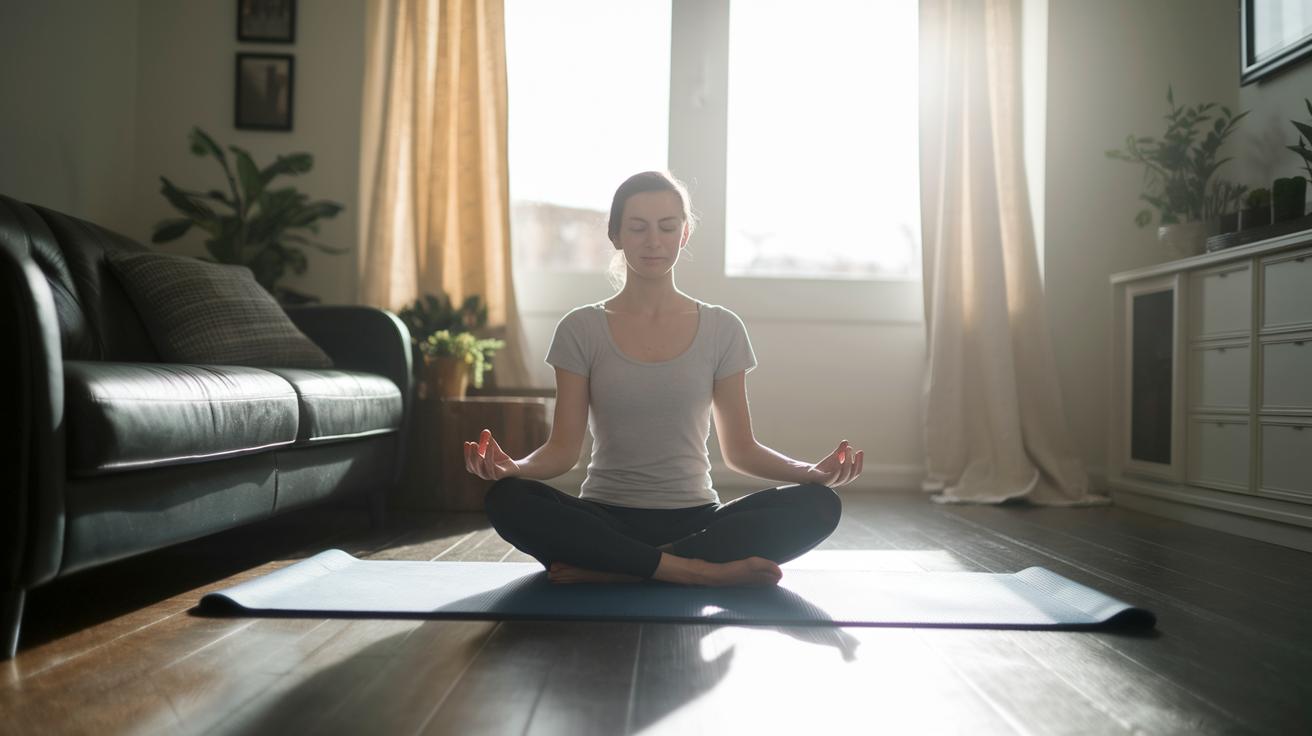
Are you feeling overwhelmed by stress and anxiety? Imagine taking a few quiet minutes to let your thoughts drift freely, just like soft clouds on a bright, sunny day. Mindful meditation, which helps you stay present and clear your mind, offers a refreshing pause from your busy routine. Even brief sessions can gently ease tension and calm that restless mind. Embracing this simple habit might bring a steady calm that helps you face everyday challenges with clarity and warmth. Ready to welcome a little peace into your day?
mindful meditation for stress and anxiety Brings Peace
Mindful meditation is a gentle way to let your emotions flow without spiraling into overthinking. It’s all about staying in the now, letting your thoughts and feelings drift by like soft clouds without judging them. Imagine creating a cozy, safe space inside your mind where stress takes a back seat.
Research backs this up, too. One study from the University of Waterloo discovered that just 10 minutes of guided meditation can help shift those nagging, repetitive thoughts. This means meditation doesn’t just ease anxiety and depression, it also soothes chronic pain and improves focus, giving you that emotional boost we all need.
Fitting in a few minutes of mindful meditation each day is both practical and powerful. Even just 10 minutes can melt away tension and help reframe negative vibes. It’s perfect for those busy days when time is short. Start small, and gradually add a few more minutes as you get comfortable. Before you know it, these little sessions will build your inner strength and help you take on life’s daily challenges with a calm and centered spirit.
Scientific Foundations of Mindful Meditation for Stress and Anxiety
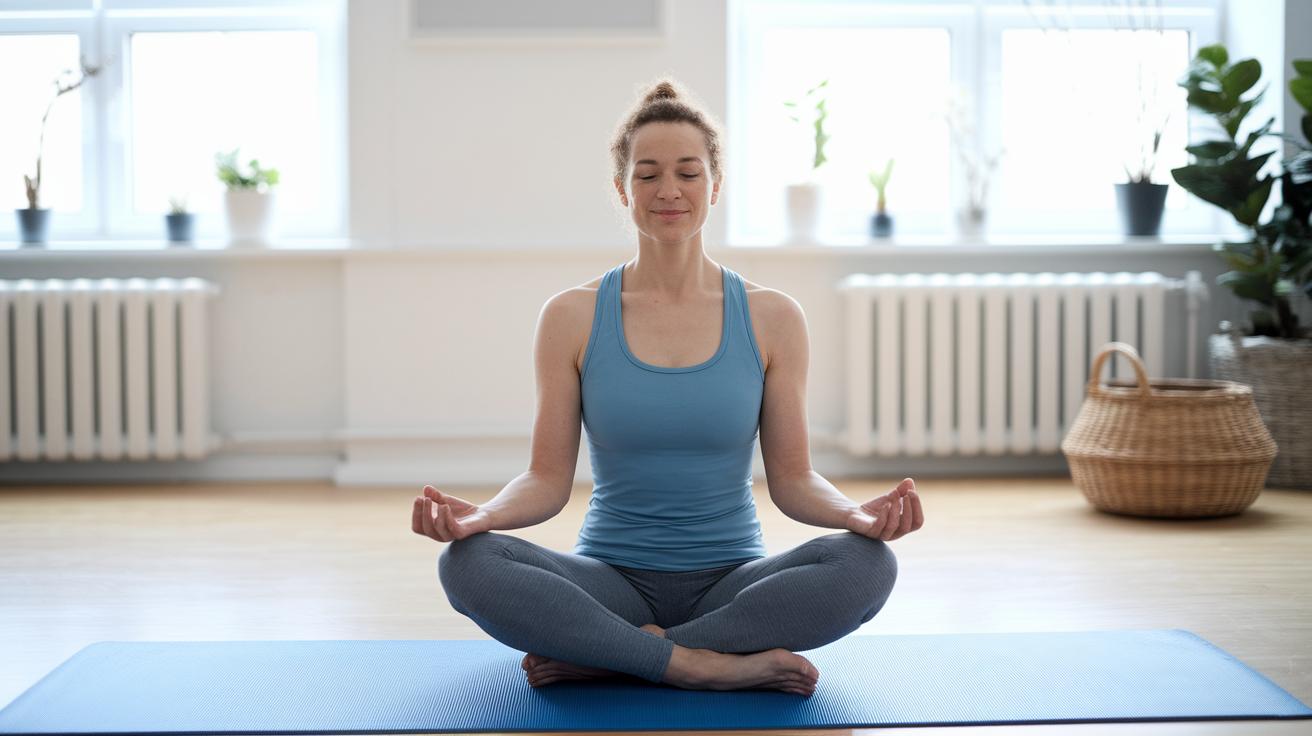
Mindful meditation is truly supported by solid research and practical programs that help manage stress and anxiety. Two popular methods, MBSR and MBCT, are designed as simple 8-week programs. They mix guided meditation with everyday techniques so you can build focus and learn to notice the present moment without judgment, a real game changer if you're dealing with heavy stress or the risk of feeling down again.
Overview of MBSR
MBSR walks you through a journey of mindfulness over 8 weeks. You’ll experience gentle body scans, sitting meditations, and light movements that help you relax. It’s like having a heart-to-heart with your mind, teaching you to simply observe your thoughts and bodily feelings. For anyone facing ongoing stress, this approach can make those heavy moments feel a bit lighter and give you more emotional balance.
Overview of MBCT
MBCT blends meditation with elements of cognitive behavioral techniques. Over the span of 8 weeks, it helps you notice and shift negative thoughts, making it easier to prevent another depressive episode. The focus is on accepting intrusive thoughts rather than fighting them. With steady, mindful practice and clear exercises, MBCT supports you in finding a more balanced and calm state of mind.
Studies have even shown that a short, 10-minute session of guided meditation can start changing your brain in ways that help you embrace stress. And with long-term practice, you might even see improvements like reduced brain shrinkage, all of which add up to greater mental clarity and resilience.
Setting Up Your Mindful Meditation Practice for Stress and Anxiety Relief
Start by finding a quiet, clutter-free space where you feel completely at ease. A simple, soothing environment sets the perfect mood for your meditation. Think of it like choosing a comfy cushion, gentle lighting, and minimizing distractions, every little detail makes it feel like a genuine escape from a hectic day.
If you’re just beginning, try starting with a brief 5 to 10-minute session. A guided audio session (maybe with someone like Bob Stahl) can be a gentle way to stay focused, especially when anxiety starts to bubble up.
Here's a simple plan to get started:
- Pick a peaceful space.
- Choose a guided audio that resonates with you.
- Set a timer for your session.
- Sit in a comfortable posture.
- Make meditation a daily habit.
As you get more comfortable, slowly add more minutes to your practice. Before you know it, a 30-minute session will help you build resilience and invite a deeper sense of calm with every mindful breath.
Essential Meditation Techniques for Stress and Anxiety Relief
Breath control is truly the secret to easing stress and calming anxiety. When you focus on the natural rhythm of your breath, you help quiet your mind and let go of tension. Taking a moment to slow down allows a gentle calm to wash over you, shifting your focus away from busy, racing thoughts. It also strengthens that important connection between your body and mind so you can feel a peaceful relief that lasts. Give it a try and see how it changes your day!
Diaphragmatic Breathing
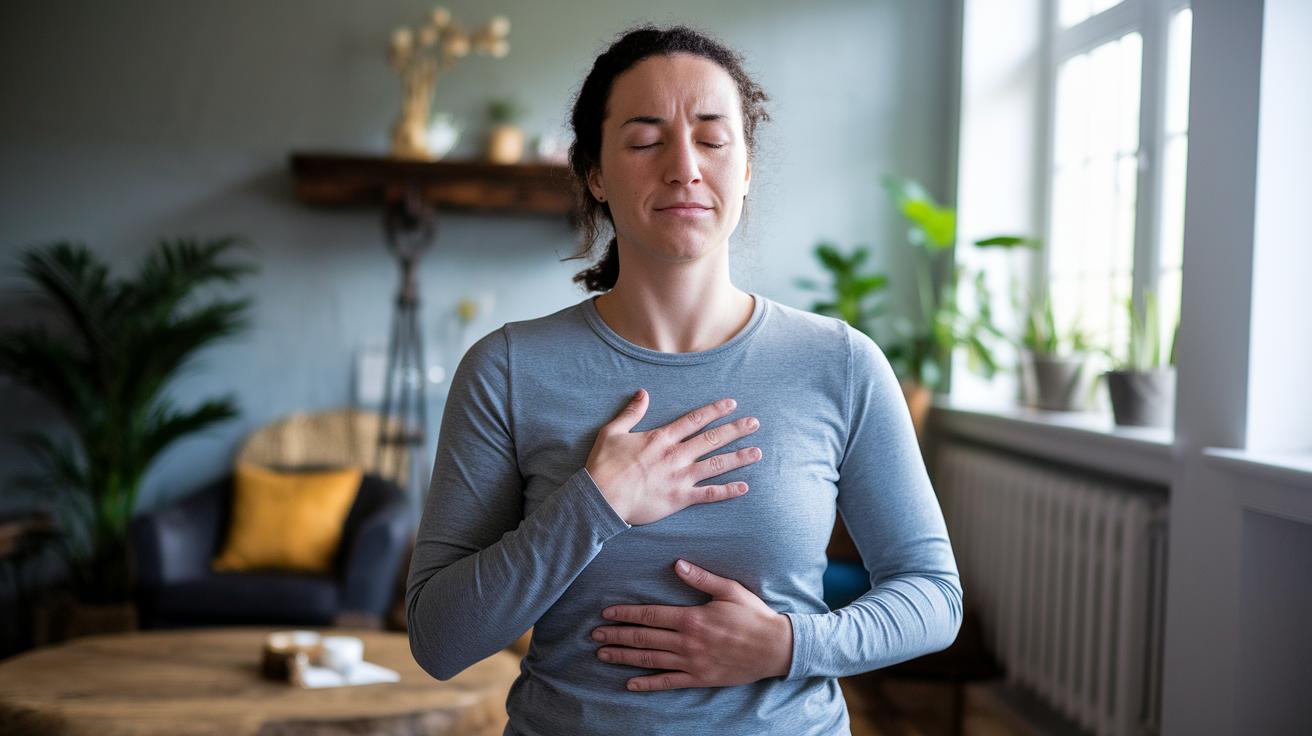
Find a comfy spot and sit with your back straight while keeping your shoulders relaxed. Rest one hand on your chest and the other on your belly. Now, take a deep, slow breath in through your nose, feeling your belly rise gently. Aim for 5 to 10 minutes of practice at a time, doing this 3 to 4 times throughout your day. Breathe in slowly, hold the breath for about 3 to 5 seconds, and then let it out softly through your mouth. This way, your body gets a full flow of oxygen, and your heartbeat starts to feel steadier.
Alternate Nostril Breathing
For this exercise, close your right nostril with your thumb and take a slow breath in through your left nostril. Next, switch it up by covering your left nostril with your ring finger, and breathe out through your right. Keep the count even, about 3 to 5 seconds for each breath in and out. Repeat this cycle a few times, and soon you’ll feel a lovely balance in your breathing. This simple method can calm your nervous system and create a smooth, even flow of air throughout your body.
Box Breathing
Box breathing is all about a steady pattern. Start with a 5-count routine: breathe in, hold the breath, breathe out, and then hold again. As you get more comfortable, you can slowly extend that count up to 10. Sit quietly and focus on each phase so that every transition is smooth and peaceful. This method helps clear your mind and sets your breath into a balanced, calming rhythm.
For added benefits, consider these additional techniques:
- Progressive Muscle Relaxation: By tensing and then releasing different muscle groups one at a time, you may notice a reduction in pain and anxiety, studies suggest up to a 50% drop.
- Loving-Kindness Meditation: This gentle practice involves sending warm, positive thoughts to yourself and others. Around 65% of people report feeling more compassion and warmth after practicing it.
Designing Meditation Session Lengths for Stress and Anxiety
Choosing the right session length lets you match your meditation to the flow of your day. A quick, five-minute breathing session can help ease tightness when you're running around, while a longer practice gives you room to gently explore bigger feelings without feeling swamped. By choosing sessions that slide naturally into your routine, you not only enjoy mindfulness in the moment but also build a habit that flexes with both your mental and physical needs.
| Session Length | Recommended Focus | Typical Benefit |
|---|---|---|
| 5-minute breathing | Breath awareness | Quick tension release |
| 10-minute scan | Body check-in | Mind-body connection |
| 20-minute guided relaxation | Full guided practice | Balanced depth |
| 30-minute body scan | Detailed exploration | Panic investigation |
Mixing different meditation lengths into your day can really change how you handle stress. Whether it’s a brief reset during a hectic moment or a deeper dive when you need to untangle strong feelings, you’re setting up a practice that stays with you, making each day a little more balanced and a lot more empowered.
Integrating Mindful Meditation into Daily Stress Management
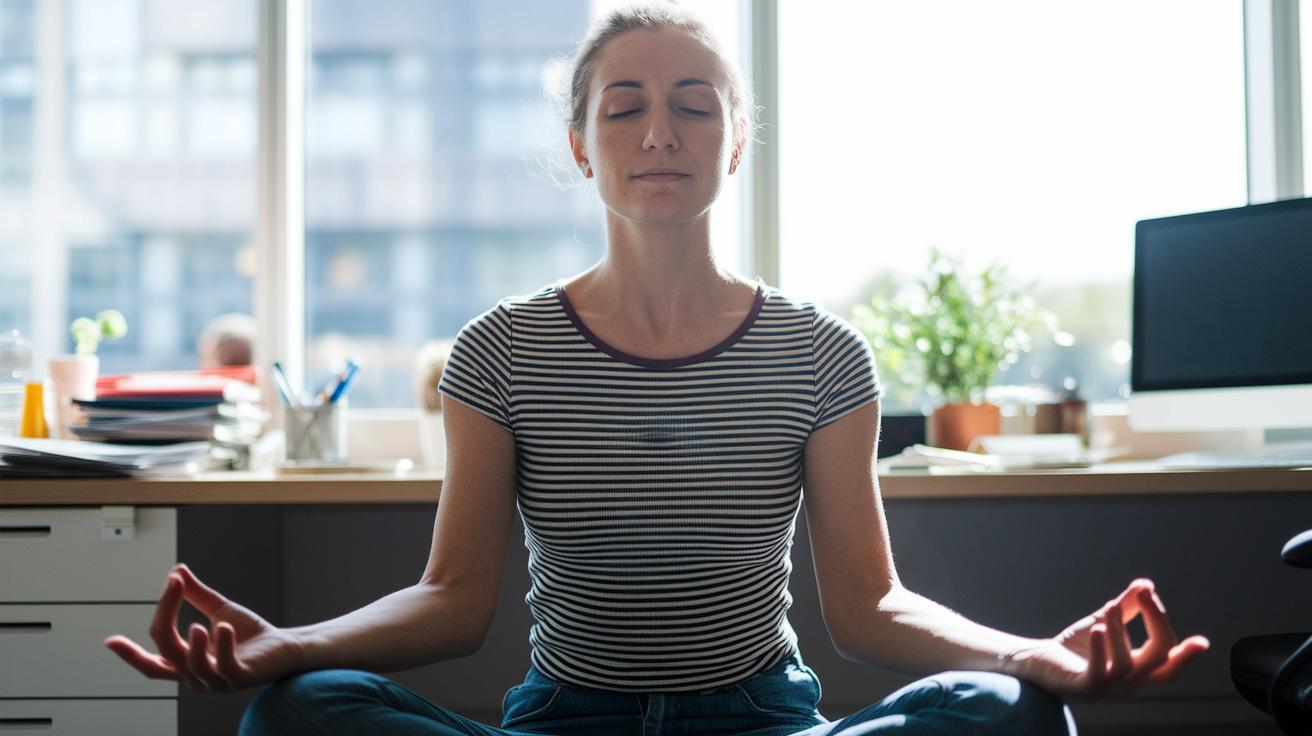
Stress really shows up in every corner of our busy lives. Studies tell us that 77% of workers notice physical effects and 70% see a drop in productivity because of stress. A lot of people feel crushed by daily pressures, with 83% pointing to rising costs as a culprit. Even just a few minutes of mindful meditation each day can help ease that load and turn your focus toward self-care.
Imagine starting your day with a quick five-minute breath check, picking up a mindful moment during lunch, or taking a short walk while noticing every step you take. These little pauses create pockets of calm that help reset your body and mind, making stress a bit more manageable.
- Morning 5-minute breath check
- Midday mindful break
- 5 minutes of mindful walking
- Enjoying lunch with mindful eating
- Evening body scan
By fitting these simple practices into your routine, you give yourself a chance to tune into what your body needs. Over time, these moments can build resilience and help you tackle daily stress with a clearer, more centered mindset. For more ideas on how to take care of your mental health, check out this helpful guide: how to take care of your mental health.
Advanced Strategies and Overcoming Obstacles in Mindful Meditation
When you’re new to meditation, feeling a bit off is totally normal. In fact, about 70% of beginners mention feeling uneasy, and nearly 80% say they get little physical gremlins like itching. It can really throw you off your focus. But here’s a little secret: a few tweaks in your posture and a sprinkle of self-kindness can make all the difference.
-
Posture alignment cues.
Sit up straight with relaxed shoulders. Imagine a gentle thread pulling you upward, it really helps keep your body calm. -
Self-compassion prompts.
Remember, it’s natural to feel discomfort when you’re learning something new. Give yourself the same kind care you’d offer a friend. -
Three-step calming process.
Shift your mind to the here and now, notice your thoughts without any harsh judgment, and then softly guide your focus back to your breath.
Stick with it. Even when tough moments pop up, practicing these steps regularly can build a steady sense of calm and clarity.
Final Words
In the action, the post looks at mindful meditation for stress and anxiety. It reviews quick sessions backed by science, simple techniques like diaphragmatic and box breathing, and guidance on crafting daily practices that blend smoothly into your life.
This recap touches on setting up a calm space and using short, regular sessions to ease daily challenges. Practice these ideas to feel balanced and empowered as you move forward. Keep your routine simple and your outlook positive!
FAQ
Q: What guided meditations are available for anxiety, stress, and depression?
A: The guided meditations for anxiety, stress, and depression come in various lengths such as 10- or 20-minute sessions. They feature calming guidance and deep breathing to ease overthinking, alleviate depression, and restore balance.
Q: What is the 3-3-3 rule for anxiety and mindfulness?
A: The 3-3-3 rule means you look around to name three things you see, listen for three sounds you hear, and take three deep breaths. It’s a simple way to steady your mind during moments of stress.
Q: How can I reduce anxiety and stress naturally?
A: Reducing anxiety and stress naturally involves practices like mindful meditation, deep breathing exercises, and grounding techniques that help anchor you in the present and encourage a calmer state of mind.
Q: What are the 3 C’s of mindfulness?
A: The 3 C’s of mindfulness focus on Curiosity, Compassion, and Calm. They encourage you to attentively notice your thoughts, treat yourself with kindness, and find tranquility in everyday moments.