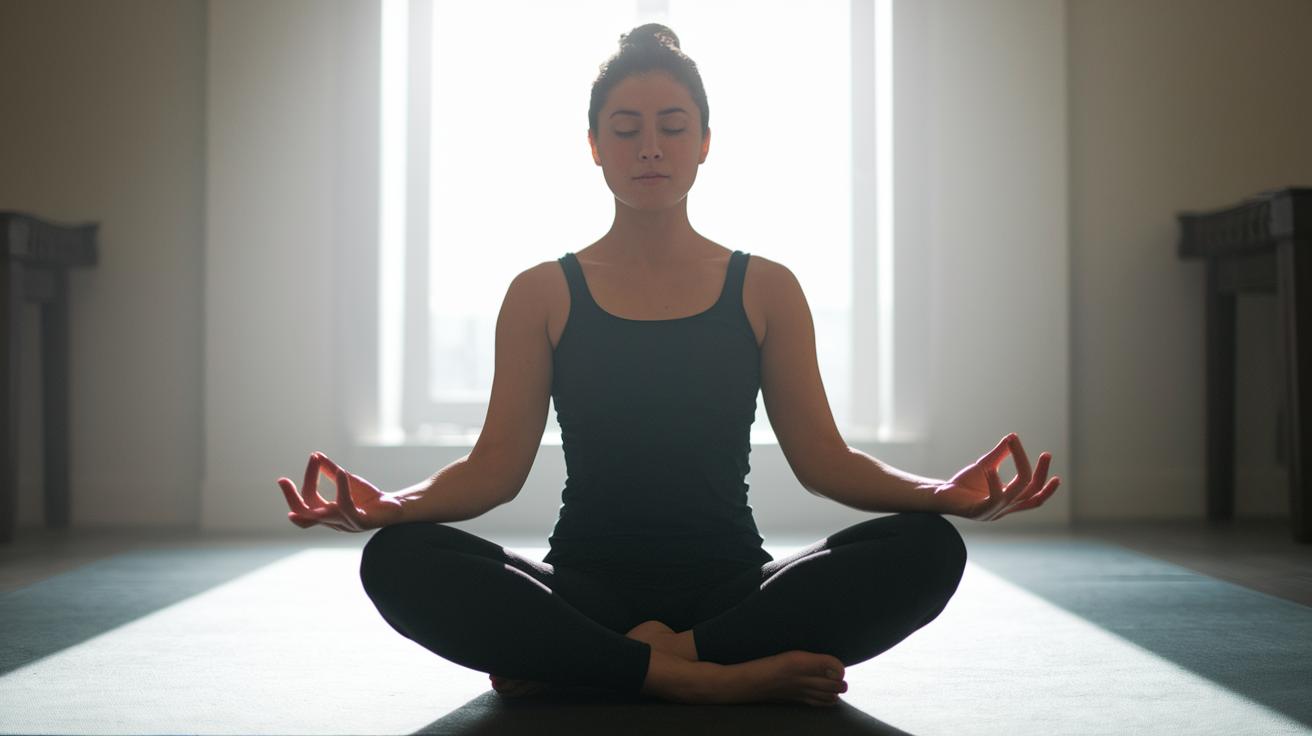
Ever notice how one deep breath can change your day? When you meditate, your breathing becomes a doorway to focus and calm. This guide shows you how paying attention to your breath can ease stress and quiet your mind. Imagine settling into a comforting, quiet space where each inhale soothes and every exhale lets go of tension. Breathing isn’t just something you do, it's your secret tool for carrying calm with you all day.
how to breathe when meditating: Embrace Calm Focus
Have you ever noticed how your breath has its own gentle rhythm? When you meditate, let your breathing flow naturally, just let the air come in and out without any effort. Start by finding a quiet, cozy spot that feels just right, whether it's a little corner at home or a calm space outside.
Sit comfortably on a cushion or chair with your back straight but relaxed. Breathe in slowly through your nose to enjoy a smooth flow of air, like the first turn of a favorite book that fills you with anticipation for what's next.
Keep your breathing steady as if you were watching a gentle stream glide over smooth stones. Feel the cool air as it enters your nose and the warmth as it leaves, noticing the slight rise and fall of your chest. With each natural, unforced breath, you bring yourself firmly into the present, letting calm and clarity fill your mind.
Building Breath Awareness During Meditation
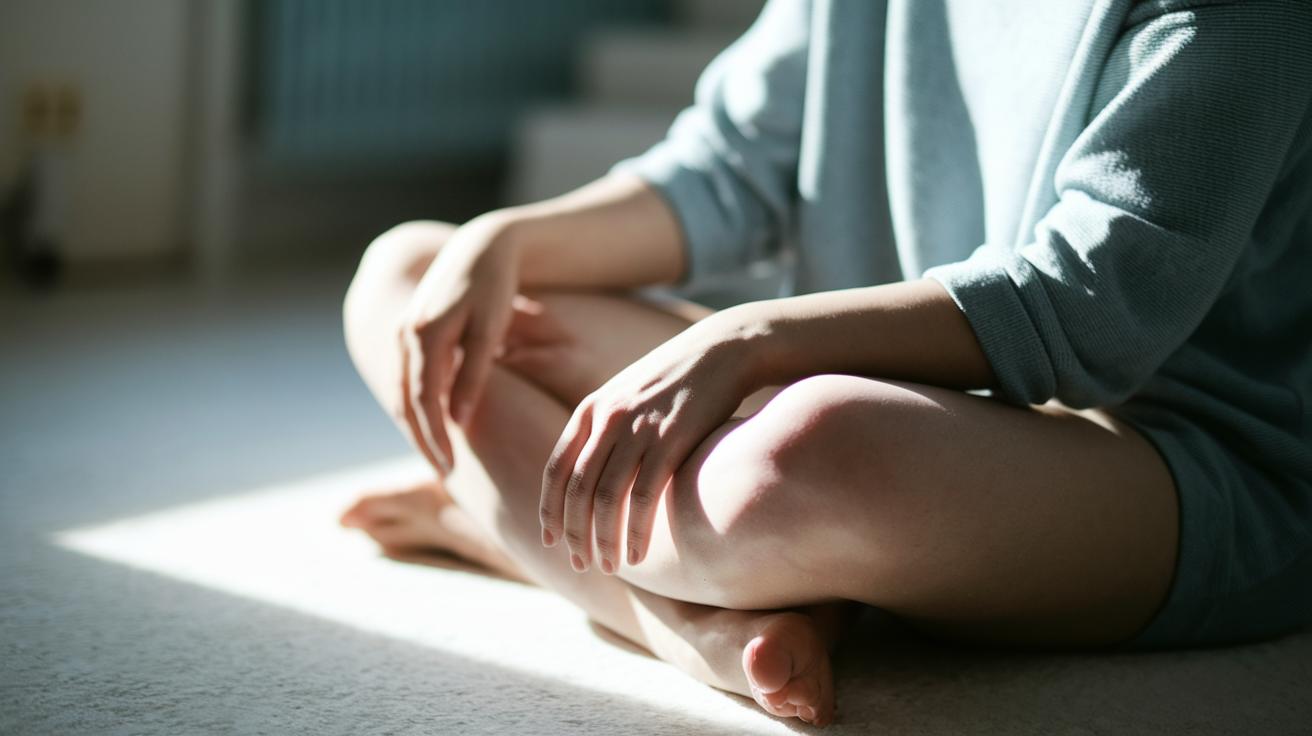
Focus on the smooth, calming flow of your breath and notice how it can shift your mood. Imagine the cool, refreshing lift of every inhale and the warm, gentle release of every exhale. If you sense some tension, let your focus on breathing gradually ease that tightness away, turning each breath into a little moment of relief. Picture it like this: feel the crisp air as it enters your nose, and with every soft exhale, sense your worries slowly fade.
Next, try adding a simple counting rhythm to your breath to deepen your focus and keep your emotions steady. Inhale slowly for a count of four, hold just a moment, then exhale for another four counts. This practice not only sharpens your awareness but also helps settle any racing thoughts into a calm, steady tempo. Just imagine: breathe in for four beats, hold briefly, and then let your breath flow out evenly for four beats.
Guided Breath Meditation: A Step-by-Step Practice
Find a quiet place where you feel relaxed and ready to unwind. Start by sitting in a comfy position with your back straight but feeling at ease, this helps your breathing flow naturally.
Close your eyes softly and take a moment to calm any busy thoughts. Feel the cool air as you breathe in and the gentle warmth as you breathe out. If your mind starts to wander, just let those thoughts go and bring your focus back to your breath.
Try doing this for about 5 minutes at first, and then extend your time as you begin to feel more comfortable. When you’re ready, slowly open your eyes, take in your surroundings, and give yourself a little nod of thanks for this moment of self-care.
This friendly guide mixes clear, step-by-step tips with extra centering advice so you can enjoy a simple yet powerful mindful breathing routine.
Advanced Breath Control Techniques in Meditation

Discover two easy breathing patterns that help you feel calm and focused. Picture your breath like a gentle wave, easing a racing mind with every exhale. Each technique invites you to tap into your natural rhythm while easing your stress.
Imagine your breath as a soothing tune that resets your inner beat. These practices are like little breaks for your busy thoughts, letting you feel centered and at peace.
4-7-8 Breathing Pattern
With the 4-7-8 style, you breathe in for 4 seconds, hold for 7 seconds, and let the breath out for 8 seconds. This simple rhythm signals your body to chill out and can even ease anxiety. It’s like hitting a natural pause button, press it and let your mind settle.
Square (Box) Breathing
Square breathing means you count equally for every part: breathe in, hold, breathe out, and hold again, each for about 4 seconds. This balanced cycle works like drawing a perfect square with your breath. It helps steady your focus and keeps you grounded in the moment.
| Technique | Structure | Main Benefit |
|---|---|---|
| 4-7-8 Breathing Pattern | Inhale 4 sec, Hold 7 sec, Exhale 8 sec | Eases anxiety and relaxes your body |
| Square (Box) Breathing | Inhale 4 sec, Hold 4 sec, Exhale 4 sec, Hold 4 sec | Keeps your focus steady and minds clear |
Benefits of Mindful Breathing in Meditation
Mindful breathing in meditation is like giving your body a warm hug. It gently taps into your vagus nerve (that’s the nerve sending calm vibes throughout your body) by focusing on slow, deliberate exhalations. Imagine each breath as a soft pause that helps melt away stress and clear away anxious thoughts, leaving you refreshed and centered.
Regular practice of this simple habit not only relaxes your muscles but also brings mental clarity. Over time, you might notice your mood lightening and everyday stress becoming easier to handle. It’s a gentle, effective way to boost your overall well-being, kind of like how little self-care tips can brighten your whole day. For more ideas on caring for your mental health, check out this guide: How to Take Care of Your Mental Health.
Establishing a Sustainable Meditation Breathing Routine

Start with a guided audio or video session to discover your natural breathing rhythm. These guided cues show you how to pace your breath (like learning the gentle flow of a calm tide) and ease you into a regular practice. Even just a few minutes can fill you with a sense of calm and focus that grows stronger as you stick with it.
Make it a habit by setting aside a consistent spot in your day for mindful breathing. You can even sneak in a few mindful breaths while walking or doing chores, turning everyday moments into mini meditation breaks. This little daily pause is a form of self-care that helps melt away stress and refocus your thoughts.
Final Words
In the action, we explored natural breathwork foundations that set the stage for a calm, centered practice. We covered everything from sitting comfortably and feeling each breath to building awareness with every inhale and exhale.
We also looked at a step-by-step guide and advanced techniques like 4-7-8 and square breathing. By learning how to breathe when meditating, you can create a routine that sparks clarity and balance. Stay inspired, keep practicing, and let every breath bring you closer to serenity.
FAQ
What are breathing meditation techniques for beginners?
The breathing meditation techniques for beginners focus on using natural nasal inhaling and exhaling while sitting comfortably, which helps build early mindfulness and calm.
How do I breathe when meditating, as discussed on Reddit?
The method for meditating involves simply following your natural rhythm—sit in a quiet spot and breathe gently through your nose to let your body settle.
What benefits do breathing meditation practices offer?
The breathing meditation benefits include reduced stress levels, improved focus, and a soothing effect on the mind by centering your awareness on each natural breath.
How is breathing meditation used in Buddhism?
The breathing meditation in Buddhism emphasizes watching each inhale and exhale to cultivate inner calm and guide practitioners toward deeper self-awareness.
Should I breathe through my mouth or nose during meditation?
The meditation breathing mouth or nose discussion leans toward nasal breathing, which typically allows for smoother, controlled airflow and a more relaxed practice.
Where can I find resources like a Breathing Meditation Script in PDF?
The Breathing Meditation Script pdf serves as a guided tool with step-by-step instructions to help you establish a structured, calming breathing practice during meditation.
What does counting breaths in meditation help with?
The meditation breathing count is a simple technique that uses tracking each breath to maintain focus and support a steady, mindful flow throughout your session.
What are effective meditation breathing exercises for anxiety?
The meditation breathing exercises for anxiety are designed to slow down your breath and ease tension, helping reduce anxious feelings and promote overall relaxation.
Is it better to exhale through the nose or mouth when meditating?
The question of exhaling through the nose or mouth when meditating suggests that nasal exhalation generally supports steady, natural breathing for a calmer state.
What does the 555 rule breathing technique entail?
The 555 rule breathing instructs you to inhale for five seconds, hold for five seconds, and exhale for five seconds, creating a balanced rhythm that calms the nervous system.
What defines the 4-7-8 breathing technique?
The 4-7-8 breathing technique involves cycles of 4 seconds in, 7 seconds holding, and 8 seconds out, which helps ease tension and promotes a deeply relaxed state.
Why might I struggle to breathe properly during meditation?
The difficulty in breathing properly during meditation can stem from tension or posture issues; focusing on a gentle, natural nasal breath often helps restore comfort.