
Ever feel like life is just a bit too much sometimes? Mindfulness is a gentle way to press the pause button on the everyday hustle. When you take a moment to notice your breath and the little details around you, it’s like giving yourself a mini-vacation from stress. Even a short break like that can help you feel more in control and build a deep, inner strength. Studies show that these small, mindful moments can boost your self-control and steady your mood, even on the rough days. Embracing mindfulness means you’re nurturing a resilient spirit ready to take on whatever comes your way.
Mindfulness Foundations for Building Emotional Resilience
Mindfulness comes from the Pali word "sati," which simply means "to remember." It’s about being fully present, noticing every little moment without judgment. This gentle practice can help lower anxiety and even soothe intense anger by keeping you focused on what’s right in front of you. Fun fact: Before she became one of the world’s most famous scientists, Marie Curie used to carry test tubes in her pockets, unaware of the dangers that would later shape her incredible legacy.
Research shows that tuning into the present makes a big difference. For example, a 2020 study with firefighters found that those who practiced mindfulness developed a long-lasting inner strength. And a 2017 trial revealed that meditation boosted activity in areas of the brain tied to self-control, which helps calm impulsive reactions when stress hits. In other words, a little mindful practice can build a stronger, more balanced way to cope with life’s challenges.
It’s easy to bring mindfulness into your daily life. Simple moments like short breathing breaks or a mindful stroll can really help you connect with your body and mind. When you take these little pauses, you’re essentially training yourself to stay calm and focused, even when life feels overwhelming. In truth, by embracing each moment with gentle awareness, you make room for a steady, resilient spirit that’s ready for whatever comes next.
Stress Reduction Techniques through Mindfulness
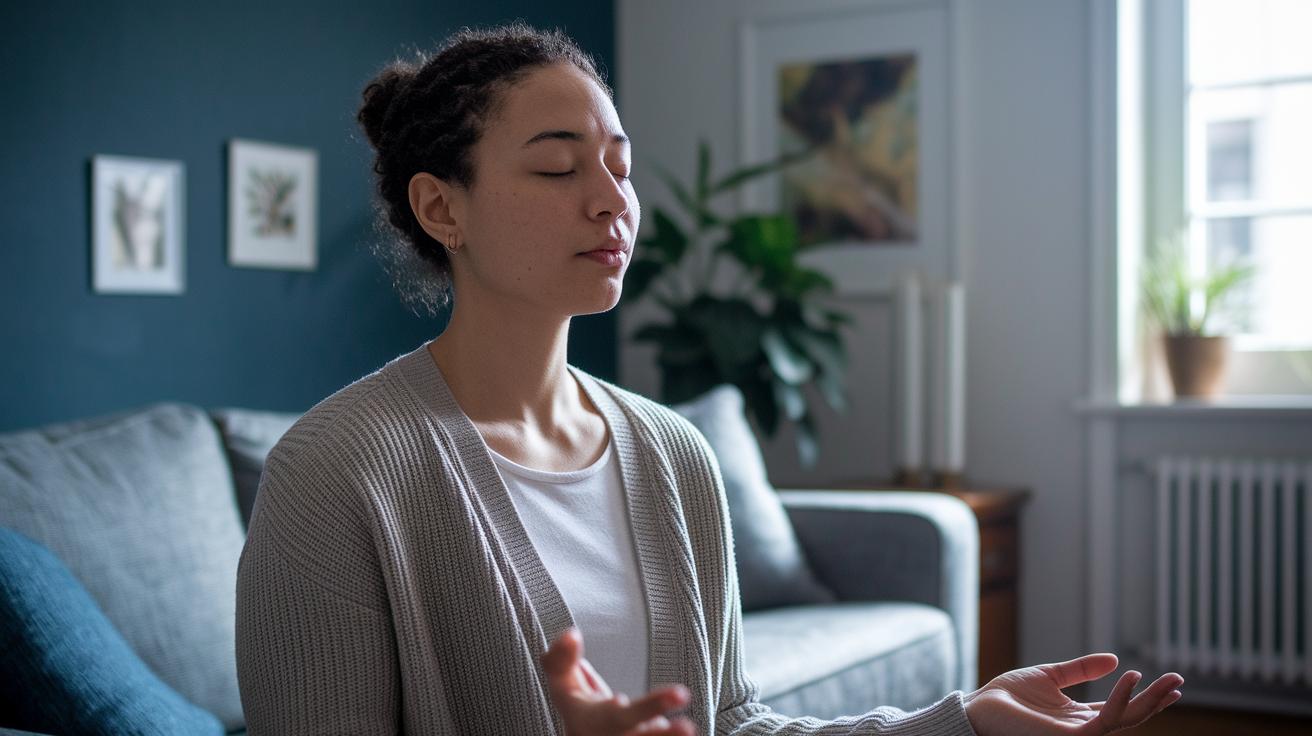
Mindfulness techniques can be a lifesaver when you're feeling overwhelmed. They use simple practices like slow, controlled breaths and gentle muscle relaxation to help you feel more at ease. For example, deep belly breathing (diaphragmatic breathing) naturally lowers stress hormones, giving you a much-needed break during hectic times.
A favorite method is mindful breathing meditation, which guides you to pay attention to each slow, deep breath and break the cycle of negative thoughts.
Consider these easy tips:
- Breathing exercises with slow inhales and exhales can quickly shift your focus away from spiraling worries.
- Progressive relaxation means tensing and then releasing different muscle groups one at a time, helping to ease both physical tension and mental stress.
- Guided body-scan sessions let you notice each part of your body, gently reminding you to stay in the here and now.
Even brief moments spent on these mindful practices can calm your body and clear your mind. With just a few minutes, you can redirect your focus, making stressful situations feel a bit more manageable and creating room for a peaceful inner calm.
Cultivating Adaptive Emotional Coping with Mindful Practices
Mindfulness helps you stay emotionally flexible by keeping your reactions in check and boosting your coping skills. Even a few easy exercises can make stress more manageable. For example, when a negative thought pops up, try giving it a name, call it an "anxious thought." This little trick can break the cycle of worry and bring you back to the here and now.
Another neat idea is to do a quick check-in. Stop for a minute, listen to what your body and heart are saying, and notice any tension that might be lurking. Doing this often lets you catch small shifts in your mood before they get overwhelming. And when you take a moment to breathe deeply and treat yourself kindly, it can really help you bounce back faster from stress.
By adding these simple practices to your routine, big worries turn into clear, manageable feelings. This calm, focused approach builds a steady base for handling daily stress and even life’s tougher moments. A few mindful breaks throughout your day can boost your inner calm and empower you to face whatever comes your way.
Self-Compassion and Inner Strength Development through Mindful Contemplative Practices

When life gets tough, treating yourself with kindness can make a big difference. A 2017 study with Multiple Sclerosis patients found that simple self-compassion practices boosted resilience and improved overall well-being. Try a few gentle techniques like loving-kindness meditation or gratitude exercises. For example, you might take a short break to repeat, "I choose to care for myself today." It's a tiny reminder that can bring a sense of calm and help you view challenges more kindly.
Another great tip is reflective journaling. Just spend a few minutes each day writing down moments when you treated yourself with care. Maybe you'll jot down something like, "I handled that challenge with self-love." This routine not only helps you process your feelings but also builds inner strength over time.
Combining these mindful practices with moments of self-reflection can slowly build a stronger, more resilient you. If you're up for some guidance, check out this mindful meditation for stress and anxiety at mindful meditation for stress and anxiety. Embracing self-compassion and regular journaling sets a solid foundation for emotional resilience.
Mindful Centered Thinking and Equanimity Training for Emotional Resilience
In this section, we're mixing the simple act of naming your feelings with a little pause to help you manage stress. When you feel tension building, try gently saying, "I’m feeling frustrated." Imagine you're in a busy store and a wave of impatience hits, you take a brief moment to breathe and let your newfound approach kick in.
Taking a quick break before you react lets you blend mindful centering with practical ways to handle tough emotions. That tiny pause, where you name your feeling, is like hitting a reset button to keep you grounded. Picture a hectic morning: instead of letting irritation take over, you stop, recognize the emotion, and respond thoughtfully.
By adding these small steps into everyday routines, like waiting in line or switching between tasks, you build a flexible way to deal with your emotions. This simple fusion of mindful labeling with a reflective pause enriches your personal toolbox, boosting both your emotional resilience and your ability to stay centered.
Daily Reflective Awareness and Journaling for Sustained Resilience

Try building a daily habit of checking in with yourself so you can spot those little mood shifts. Dedicate a short, peaceful moment, maybe in the morning or right before bed, to quickly jot down how you're feeling. For example, you might write, "This morning, a tight deadline had me feeling anxious, but a quick pause helped me snap back."
It’s a simple practice that boosts your stress-busting skills and helps you get in tune with your inner self. You can follow these easy steps:
- List three things that stressed you out.
- Write down one little win or smart way you handled a challenge.
- Record any noticeable mood changes that catch your eye.
Before long, you'll start spotting patterns in your feelings and actions. Keeping a daily journal lets you track progress and tweak your approach, all while strengthening your resilience. By noting your emotional ups and downs, you're not just venting, you’re creating a personal guide to help you maintain a steady, balanced outlook over time.
Building Resilience in Adversity: Advanced Strategies and Assessments
Recovering from tough moments gets easier when you add short, reflective routines to your day. Instead of sticking with the same old mindfulness practices, try out science-backed self-check tools. For example, rate your stress on a scale of 1 to 10 and make a note of what specifically triggered it. Fun fact: one study found that people who tracked their emotional recovery returned to a calm state 25% faster after stressful episodes.
When things feel extra challenging, switch things up with direct, reflective prompts. Rather than following a standard meditation, ask yourself, "What moment today helped me regain my composure?" or jot down which strategy made you feel the most grounded. These targeted assessments not only reveal what works best for managing stress but also offer fresh insights into your unique resilience, keeping your daily routine both engaging and empowering.
Final Words
In the action, we explored mindful techniques that spark emotional resilience through focused breathing, reflective journaling, and self-check routines. Each step, from stress reduction practices to adaptive emotional coping, offers practical ways to stay centered. Today's mindful practices, including present moment meditation, help guide us through everyday challenges. The strategies in this guide empower us to nurture inner calm and a resilient mindset. Embrace these ideas with a smile, and let your commitment to mindfulness and emotional resilience light up your day.
FAQ
What is the relationship between mindfulness and emotional resilience?
The relationship between mindfulness and emotional resilience shows that mindful practices promote present-moment focus and calm awareness, helping you bounce back from stress and build better coping skills.
What does a mindfulness and emotional resilience worksheet include?
The mindfulness and emotional resilience worksheet guides you through easy exercises and reflections that build awareness and self-control, helping you manage stress and strengthen your adaptive skills.
How does mindfulness support emotional resilience in the workplace?
The mindfulness and emotional resilience in the workplace approach uses techniques like thoughtful breathing and brief meditations to lower stress, boost concentration, and help you respond calmly to daily challenges.
What are some examples of mindfulness and emotional resilience practices?
The mindfulness and emotional resilience examples include deep breathing, quick check-ins with your feelings, and short journaling sessions that let you track stress, making it easier to handle tough moments.
Where can I find mindfulness research papers and mental health PDFs?
The mindfulness and mental health PDF and research paper on mindfulness offer detailed studies showing how present-moment meditation reduces anxiety, improves self-control, and boosts overall psychological well-being.
What do mindfulness research articles reveal?
The mindfulness research articles reveal that consistent practice of present-moment meditation builds brain regions linked to self-control, reduces impulsivity, and improves your ability to recover from stress.
What are the effects of mindfulness on psychological health?
The effects of mindfulness on psychological health include lower anxiety, enhanced self-regulation, and improved stress management, all of which contribute to a stronger, steadier mental state.