Ever feel like your mind is swirling with energy, just waiting for a moment to settle? Mindful relaxation techniques invite you to pause, breathe, and discover a little calm within yourself. Research even shows that these simple steps can ease stress and help with anxiety.
In a busy, noisy world, taking a break to really tune into your senses lets you feel balanced and clear. Imagine closing your eyes, feeling each breath, and noticing the soft rhythm of your heartbeat as you find your inner peace.
Join me as we explore easy ways to embrace calm and transform everyday tension into moments that feel truly peaceful.
Key Mindful Relaxation Techniques for Stress Relief
Mindful relaxation means staying present to melt away stress and find calm. Research even tells us these simple practices can sometimes work just as well as therapy for easing anxiety. When you focus on what you see, hear, and feel, you create a little haven where tension can simply vanish. It helps you swap that overwhelming feeling for a sense of balance and clarity throughout your day.
There are five main ways to get started. First, try the body scan: slowly move your attention from your toes up to your head, relaxing every muscle along the way. Next, the raisin exercise asks you to savor every detail of a simple raisin, its texture, smell, and taste, to really tune into your senses. Then there’s the 3-Minute Breathing Space, a quick break to shift your focus from stress to a calm rhythm by taking deep, steady breaths. Mindful walking is another great tip; each step becomes a mini meditation that grounds you in the moment. Lastly, guided visualization takes you on a mini journey through soothing images, which can even lower those pesky stress hormones.
Trying out these techniques can fit nicely into your routine, giving you a little daily escape from stress and a boost in overall well-being. Next time you feel overwhelmed, remember: a pause to breathe and reconnect might be just what you need.
Mindful Breathing Exercises to Ease Anxiety
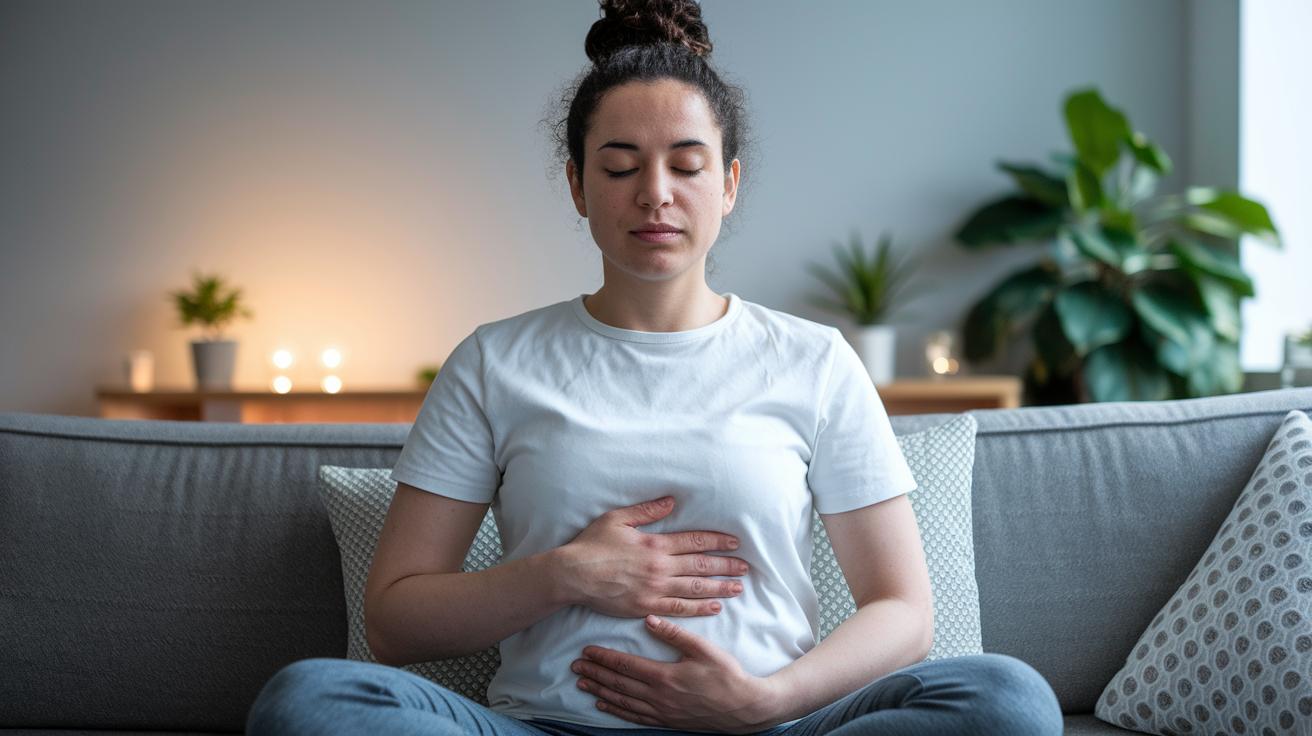
Breath work is a simple, powerful way to calm your mind when anxiety hits. By taking deep belly breaths, the kind where you feel your stomach fill up, you help your body switch from a stressed "fight-or-flight" mode into a relaxed state. Give these self-care breathing exercises a try and reconnect with your inner peace.
- Take a slow, deep breath into your belly for 4 counts.
- Hold that breath gently for 2 counts, noticing how it feels.
- Exhale slowly for 6 counts, letting the tension melt away.
- Pause for a moment and feel any lingering sensations before repeating.
These guided techniques can quickly lower your heart rate and ease stress. Deep belly breathing works by engaging your diaphragm, which naturally invites a feeling of calm. It’s similar to the 3-Minute Breathing Space, a practice that guides you through awareness, focused breathing, and a broader sense of attention, to help ease anxiety in no time.
This method is perfect when you need a quick break, whether you’re at your desk, on your commute, or simply looking for a moment of calm. And if you want a detailed, step-by-step guide, check out "how to breathe when meditating" (https://imdandy.com?p=2271) to learn even more about weaving this practice into your daily routine.
Mindful Body Scan Meditation for Deep Tension Release
Find a comfortable spot where you feel at ease, whether you’re sitting up straight or lying down. Let your focus travel from your toes all the way to the top of your head, paying close attention to each little feeling along the way. Studies show that when you shift your attention step by step, it can ease muscle tension and even help you sleep better. Although many guided sessions are about 20–30 minutes long, you can keep yours short, around 10 minutes, when life is busy.
If you’re just beginning, try starting with these shorter sessions. Spend about 10 minutes slowly noting the sensations in each part of your body, moving gently upward from your toes. And it’s perfectly fine if your mind wanders, just gently steer it back to the spot you were focusing on. Experiment a bit: try both sitting and lying down to see which feels best and helps you keep your focus. With practice, you might find yourself extending your sessions as you relax deeper and let go of built-up tension.
Mindful Visualization and Guided Imagery for Mental Clarity
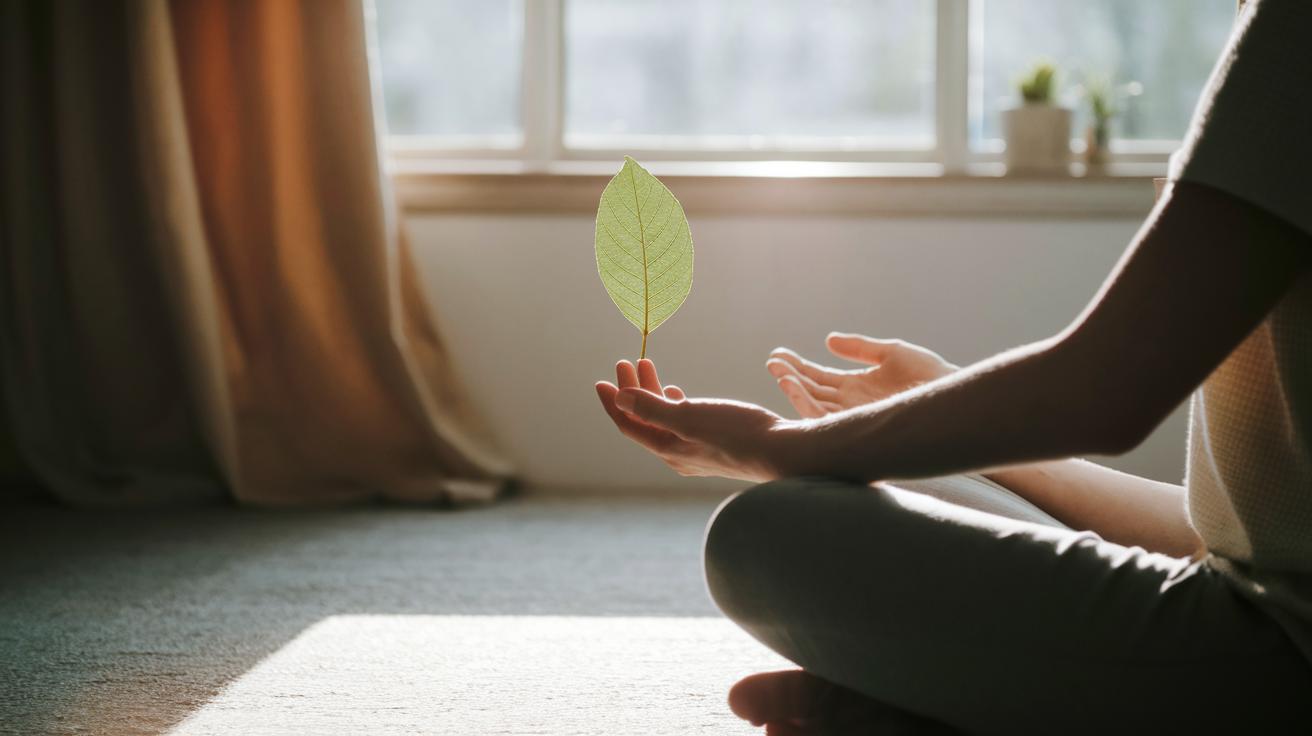
Imagine painting a picture in your mind to help your body relax, it’s that simple. When you practice visualization, you're creating clear, vivid scenes that lower your blood pressure and soothe tight muscles. It’s like switching out a hectic day for a peaceful moment where stress just fades away.
Ever notice how a calm image can instantly lift your mood? Research shows that guided imagery helps sharpen your focus while filling you with gentle, heart-centered awareness.
Picture this: you sit quietly for 5 minutes, watching a single leaf. You catch every detail, from the bright, delicate veins to the soft, rhythmic sway in the breeze. This simple exercise not only helps calm your body but also boosts your focus.
Then, try the Mindfulness Bell Exercise. Spend 5 minutes immersed in the sound of a bell, letting each resonating tone pull you away from daily worries and into the now. These practices come with set time frames that make them a perfect fit, even when your schedule is jam-packed.
Lastly, consider crafting your own guided imagery script. Think of a gentle beach where the waves whisper secrets or a quiet forest clearing bathed in soft light. Personalize these scenes to match your mood, and allow your mind to wander in a safe, uniquely crafted space just for you.
Mindful Relaxation Techniques: Embrace Calm
Short meditations are like mini getaways for your mind. They mix a few minutes of focused breathing with gentle movement to melt away tension and boost your overall well-being. Picture combining a 2-minute mindfulness moment, a 3-minute calm breathing break, and light stretches into one smooth, refreshing experience.
3-Step Mindfulness Exercise
Kick off with a 2-minute routine that builds on our simple breathing techniques.
- First, spend about 40 seconds simply noticing each breath, as if you were watching a soft whisper of wind.
- Next, for the following 40 seconds, gently label any wandering thoughts as “thinking” so you can acknowledge them without judgment.
- Finally, devote the last 40 seconds to returning your focus to your breath, letting calm fill your mind.
3-Minute Breathing Space
Add a quick burst of calm with this 3-minute breathing break. Start with one minute of quiet awareness of your surroundings. Then, spend the next minute taking slow, deep breaths that feel like a fresh start. Wrap up with one more minute, expanding your attention outward. This simple cycle is a great tool to hit the reset button whenever you need it.
Mindful Stretch Routine
Pair your breathing with gentle movement by setting aside 2 to 5 minutes for mindful stretching. Move slowly with your breath, stretch your arms, loosen your neck, and extend your legs. Think of it as a way to melt away tension and recharge your energy, leaving you feeling light and refreshed.
Integrating Mindful Relaxation into Daily Life
Have you ever noticed how a small pause can change your day? Try taking little mindful breaks that set a calm tone for everything that follows. Start a journal where you can jot down your feelings and celebrate tiny victories, even one sentence a day makes a difference. And don’t forget to set reminders on your phone to take a moment and breathe; these check-ins will soon feel as natural as your morning coffee.
Mix gentle movement with calming sounds to keep things fresh. You might enjoy a few light yoga stretches or a brisk walk while listening to some soft, soothing music. This mix of motion and melody not only breaks up the everyday rush but also helps quiet your mind when stress starts to creep in.
Keeping track of your progress is really important for long-term well-being. Whether you're scribbling notes in your journal or using a simple tracking app, recording your mindfulness moments shows you what works best for you. Keep adjusting your routine, and soon you’ll notice how these small changes build up into a steady, peaceful balance over time.
Final Words
In the action, we explored practical ways to ease stress using mindful relaxation techniques. You learned simple practices like breathing exercises, body scans, and guided visualization that bring calm during busy moments. These strategies offer a straightforward method to lower tension and brighten your day. Embracing these tips can boost mental clarity and help you feel more confident as you step through each day with renewed focus and ease.
FAQ
What are some quick relaxation techniques for anxiety?
Quick relaxation techniques for anxiety include deep belly breathing, mindful pauses, and grounding exercises designed to calm your nerves and center your focus in high-stress moments.
What types of relaxation techniques are used in psychology for stress and anxiety?
Relaxation techniques in psychology involve deep breathing, progressive muscle relaxation, guided imagery, and mindfulness meditation, all of which help ease tension and promote emotional balance.
What are some mindfulness exercises for anxiety?
Mindfulness exercises for anxiety, like body scans, mindful walking, and gentle stretching, help shift attention to the present moment, reducing anxious thoughts and fostering a sense of calm.
What is the 3-3-3 rule in mindfulness?
The 3-3-3 rule in mindfulness means naming three things you see, three things you hear, and three things you feel, effectively grounding you in the present moment.
What are five effective relaxation techniques?
Five effective relaxation techniques are deep breathing, progressive muscle relaxation, mindfulness meditation, guided imagery, and the 3-Minute Breathing Space, each easing stress and fostering calm.
What are the 7 C’s of mindfulness?
The 7 C’s of mindfulness outline qualities like curiosity, compassion, calm, clarity, connection, courage, and commitment—each enhancing your ability to live mindfully and reduce stress.
What is the 4 7 8 method?
The 4 7 8 method is a breathing exercise where you inhale for 4 counts, hold the breath for 7 counts, and exhale for 8 counts, helping to reduce anxiety and promote relaxation.