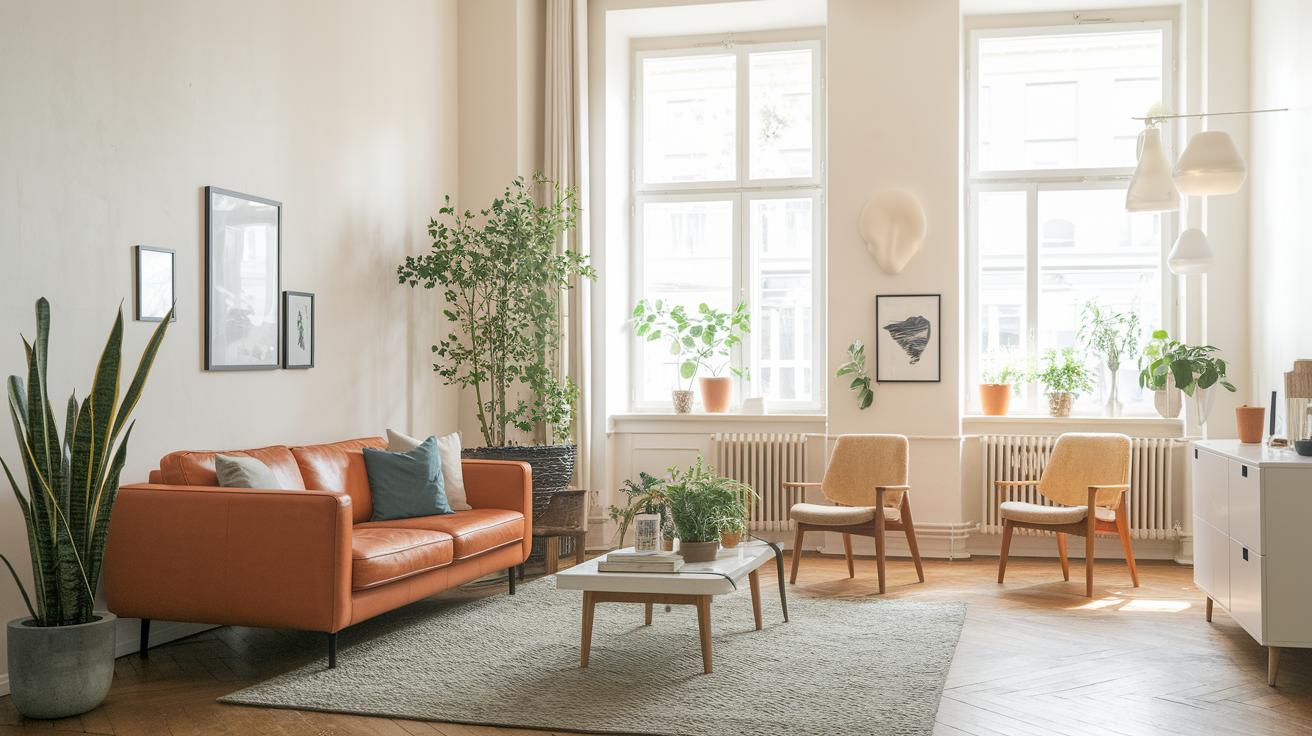
Ever thought about having a home that’s both gorgeous and super practical? Picture a room where every detail pops with style yet makes daily living easy. Balancing a chic look with real-life functionality isn’t just a cool idea, it’s a smart way to design a space that truly works for you.
In this chat, we’re diving into design tips that mix artistic flair with everyday comfort. Imagine stepping into a room where bold aesthetics meet handy solutions, creating a place that delights and supports you every day. Get ready to see how the right design choices can turn your home into a cozy, stylish haven you’ll love to come back to.
Essential Design Principles for Balancing Form and Function
When we talk about form, we mean those lovely visual touches, shapes, colors, and textures that light up a room. Function, on the other hand, is all about making sure every corner of your space works beautifully for your everyday life. Imagine form as the artistic brushstrokes that add flair while function is like the strong canvas keeping everything in place.
When you find that sweet balance between style and practicality, every piece in your room does double duty, looking good while being useful. This thoughtful mix makes your space not just pretty to look at, but also perfectly set up for living, easily welcoming you home every day.
Here are three simple rules to help you blend beauty with everyday ease:
- Keep your style clear and visible, yet comfortable for daily use.
- Pick pieces that naturally work well together to make your room flow.
- Tie every design detail together so that each element adds to both the look and the functionality of your space.
Spatial Organization Strategies for Harmonious Styling in Spaces
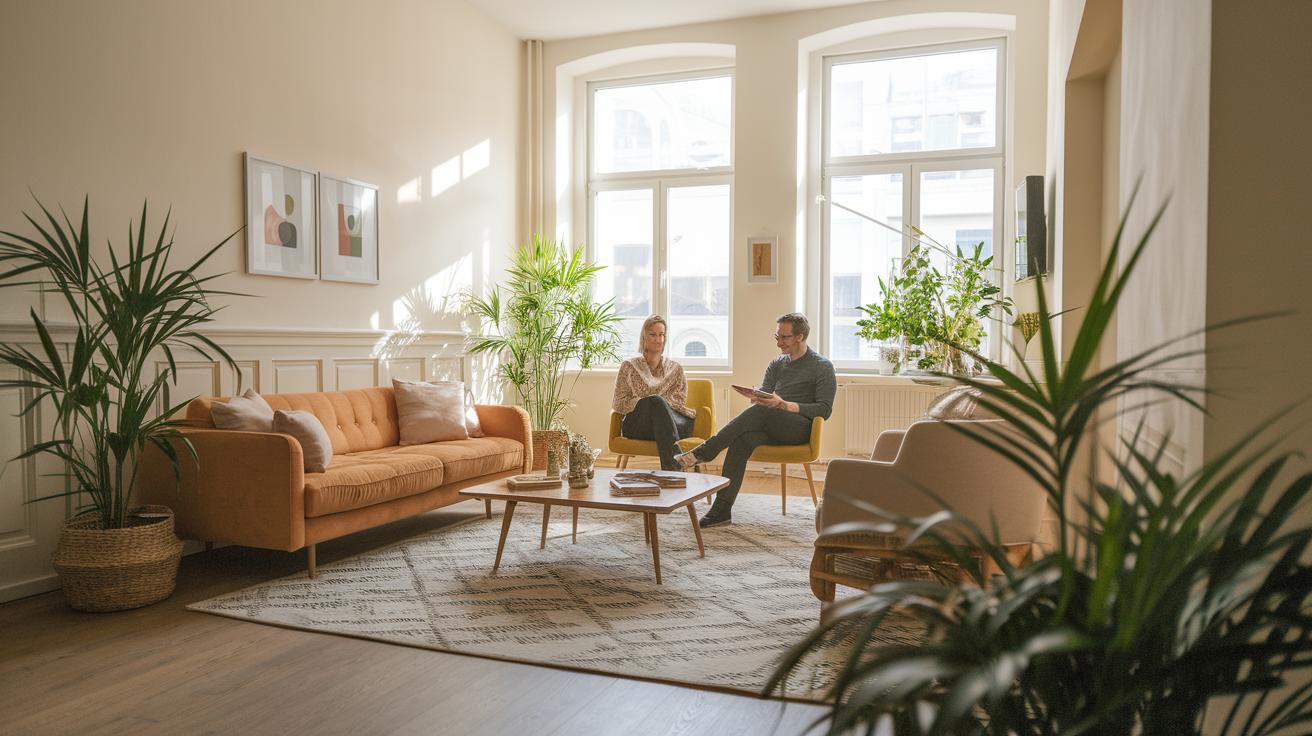
Organizing your space smartly can truly transform your home into a cozy, stylish haven. When you arrange your furniture thoughtfully, you make it easy to move around while keeping everything looking chic. It’s like creating a mini work of art where every piece plays a clear role.
With a few simple layout tips, you can craft rooms that are both functional and inviting. When you plan for clear purposes, like comfy seating, handy storage, and distinct zones, you ensure that each part of your home shines without losing its charm. Ever notice how a well-organized room seems to make your day flow more smoothly?
- zoning by activity
- balanced traffic flow
- proportionate furniture scale
- integrated storage zones
- visual anchors
- flexible partitions
Imagine a living room designed just for you. A snug seating area perfect for conversations, a quiet nook next to a bookcase for getting work done, and hidden storage that keeps clutter away. Each space has its special purpose, yet together they create a harmonious, balanced room that’s as stylish as it is practical.
Material and Finish Selection for Practical Aesthetic Solutions
Choosing the right materials can transform your space into one that feels both stylish and practical. It’s like mixing art with everyday living – smart picks not only boost a room’s visual appeal but also support eco-friendly habits and long-lasting durability. Imagine stepping into a room that not only looks gorgeous but also tells a story of care for our planet.
Sustainable Material Selection
Think about bamboo for a moment. It offers a light, natural vibe and is easily renewable, making it a friendly choice for eco-conscious design. Reclaimed wood brings warmth and personality with its unique, weathered details, giving your space a vintage touch that whispers of cherished memories. And then there’s recycled metal, which offers a modern, industrial edge while staying strong and sustainable at the same time. Picture a sleek bamboo panel that floods your room with a bright, airy feeling – it’s a perfect blend of style and responsibility.
Finishes and Textures
The finish you choose can really change the whole mood of your room. Matte finishes, for instance, have this subtle charm; they smooth out surfaces and hide little imperfections for a more relaxed look. On the flip side, gloss finishes bounce light around, making any room feel more open and lively. Then you have fabrics that add softness and a touch of comfort, and stone finishes that bring a timeless, resilient quality to busy everyday spaces. Matching these finishes to the room’s purpose is key. In busy areas, go for easy-care finishes that keep maintenance simple, while in cozy corners, softer textures invite calm and comfort without sacrificing style.
Furniture and Decor Pieces that Enhance Functional Beauty
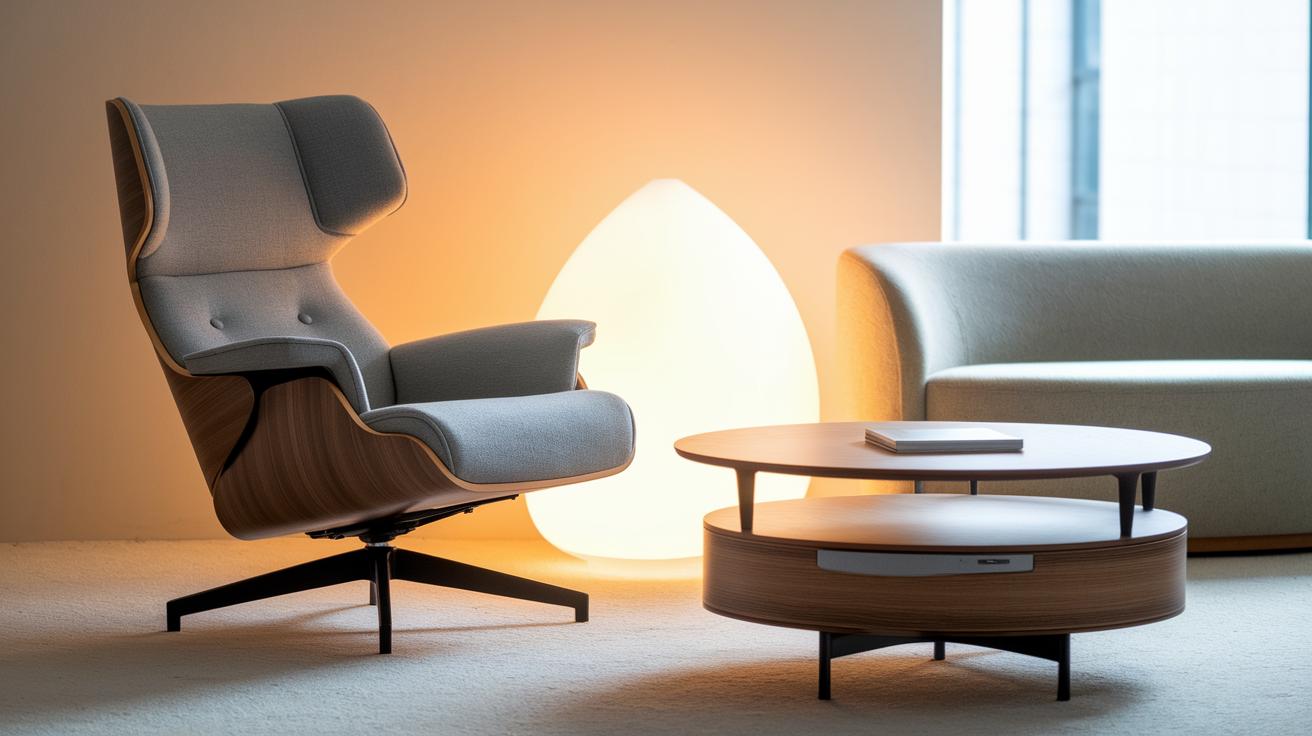
Smart furniture that does double duty can instantly brighten up any room. Picture a chair that not only looks chic but also offers extra support for your back with built-in lumbar support and adjustable settings. It’s like adding a little luxury to your everyday routine.
Furniture that works in more than one way saves space and brings handy storage solutions to your home. Imagine a coffee table that cleverly hides away clutter while still serving as a stylish centerpiece for your living area.
- Pick pieces that serve more than one purpose
- Use smart, hidden storage to keep things tidy
- Focus on comfort with ergonomic designs
- Choose sizes that fit perfectly in your room
- Opt for materials that are durable and easy to clean
Adjustable seating lets you find the perfect comfort as you work or relax at home. Think about settling into a chair that gently supports you during long work hours; it makes your room feel both cozy and efficient. Choosing ergonomic furniture means you’re not only decorating your space but also caring for your well-being.
Creating a balanced look with the right furniture is key. It’s all about matching each piece’s size to your room, so everything feels spacious. Add decor that shares similar colors and textures to create a smooth, harmonious flow. When every element works together, your space becomes both practical and wonderfully inviting.
Lighting and Technology Integration for Modern Functional Elegance
Lighting does so much more than simply brighten up your space. It creates a warm, inviting atmosphere while making everyday life easier. Imagine a soft, calming glow wrapping your room in comfort, paired with brighter lights that help you concentrate when you’re reading or cooking. It’s all about blending charm with practicality to make your home both stylish and smart.
Smart Lighting Solutions
Have you ever experienced how the right lighting can change your mood? Modern setups use tunable white LED lights (these adjust their brightness to fit your vibe), occupancy sensors, and automated dimming to create just the right feel for any moment. Picture walking into a room that shifts from the energizing brightness of day to a relaxed, cozy tint by night. These clever systems let you control your space easily while also saving energy.
Climate and Energy Control
Today’s smart thermostats, integrated ventilation systems, and continuous energy monitors work in harmony to keep your home just right. They make sure you’re comfortable while using energy only when it’s needed. By maximizing natural light with carefully placed, energy-efficient LED fixtures and large windows, your space becomes both eco-friendly and beautifully inviting.
Case Studies in Seamless Form‐Function Integration

When you step into a well-designed space, it feels like every detail was made with care, blending style and comfort effortlessly. Real-life examples show how smart ideas can make any room look great while being practical. Take, for example, a minimalist loft that uses smooth surfaces and hidden storage to keep chaos at bay. Then there's an eco-friendly kitchen where reclaimed materials and efficient appliances work together, making every corner support a healthy lifestyle. And picture a tech-savvy home office, set up with an ergonomic layout and adjustable lighting to boost your productivity. These projects remind us that thoughtful design and honest user feedback can turn any space into a stylish, practical haven.
| Project Type | Form Features | Function Features |
|---|---|---|
| Minimalist Loft | Sleek surfaces, open layout, clear visual appeal | Hidden storage, defined areas, simple upkeep |
| Eco-Friendly Kitchen | Natural textures, reclaimed wood details, warm finishes | Efficient appliances, smart storage, eco materials |
| Tech-Enhanced Home Office | Modern design, neat decor, crisp lines | Ergonomic setup, adjustable lighting, smart features |
Every design element should do double duty, looking beautiful while meeting everyday needs. Whether you’re updating a loft, kitchen, or office, success comes from testing different ideas and listening to how people use the space. Next, experiment with various layouts and ask for feedback. This way, you can create a room that not only delights the eye but truly works for your day-to-day life.
Final Words
In the action, this article broke down how pairing eye-catching visuals with practical layouts creates spaces that are both chic and useful. We covered everything from spatial strategies to smart lighting, material choices, and decor that speaks to real living. These design principles for balancing form and function in stylish spaces offer a solid guide for shaping an elevated lifestyle experience. Enjoy using these tips to add a little extra flair and function to your home.
FAQ
What is the principle of design balance in fashion?
The principle of design balance in fashion means creating an even distribution of visual elements. It involves aligning colors, textures, and shapes so that outfits look stylish yet stable.
How do you balance aesthetic and functional needs when designing spaces?
The balance of aesthetic and functional needs in space design happens when you blend visual appeal with practical features. This approach uses intuitive layouts and comfortable materials to create beautiful, usable spaces.
What are the 5 principles of fashion design?
The five principles of fashion design include balance, proportion, harmony, rhythm, and emphasis. They help designers mix shape, color, and texture to form cohesive and appealing styles.
What are the 7 basic principles of design?
The seven basic principles of design are balance, contrast, emphasis, movement, pattern, repetition, and unity. They offer a framework for crafting visual compositions that are both pleasing and practical.