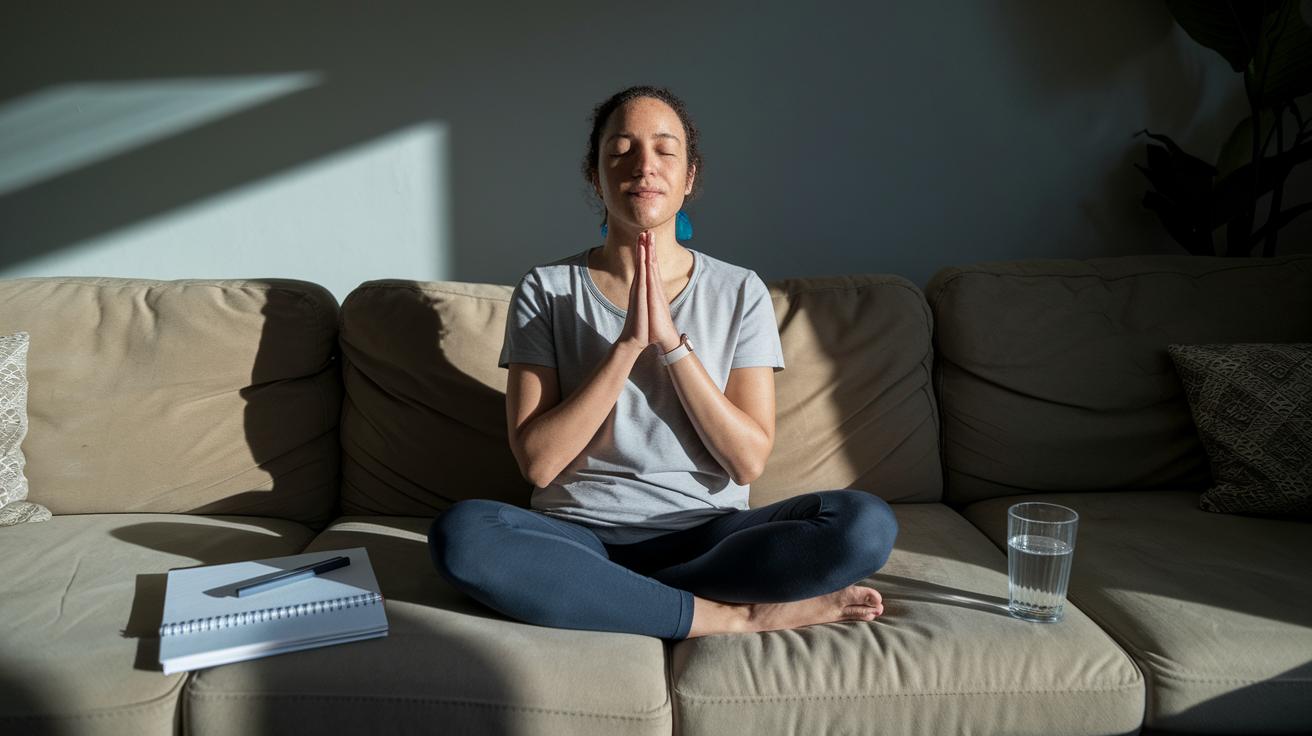
Ever get overwhelmed by even the tiniest stresses? When your heart races and your thoughts seem to spin out of control, a few small, mindful moves can really change your day. Today, we're talking about easy stress-busting tips that help soothe your anxiety. Imagine stepping outside for a brisk, fresh-air walk, pausing for a quiet minute of deep breathing, or sharing a warm smile with someone special. These little actions can melt away tension and remind you that feeling better today is totally within reach.
Essential Stress Management Techniques to Alleviate Anxiety
Everyday stress doesn’t have to take over your life. With a few simple, research-backed tricks, you can help both your body and mind feel more at ease. Small changes, like adding a bit of exercise, tweaking your diet, practicing mindfulness, or spending more time with friends, can really lighten your mood.
Ever noticed how even a short burst of aerobic exercise a couple of times a week or a quick 10-minute break outside can lower your stress? These little habits work together to create a balanced plan that eases anxious feelings and boosts your overall well-being.
- Aerobic exercise to help lower stress levels.
- Eating a balanced diet that cuts down on heavily processed foods and too much sugar.
- Stepping outside for a brief nature break to refresh your mind.
- Practicing mindfulness and meditation to quiet those racing thoughts.
- Spending time with loved ones or your pet to lift your mood naturally.
- Trying mindfulness-based cognitive therapy for clearer thinking.
- Considering supplements with key vitamins and minerals (always chat with a pro first) to support your body’s stress response.
By fitting these simple ideas into your daily routine, like taking a quick walk, enjoying a mindful pause, or sharing a smile with someone dear, you create moments of calm that build up over time. These tried-and-true steps give you the power to manage anxiety and feel better, starting today.
Breathing and Progressive Muscle Relaxation Techniques for Anxiety Stress Management
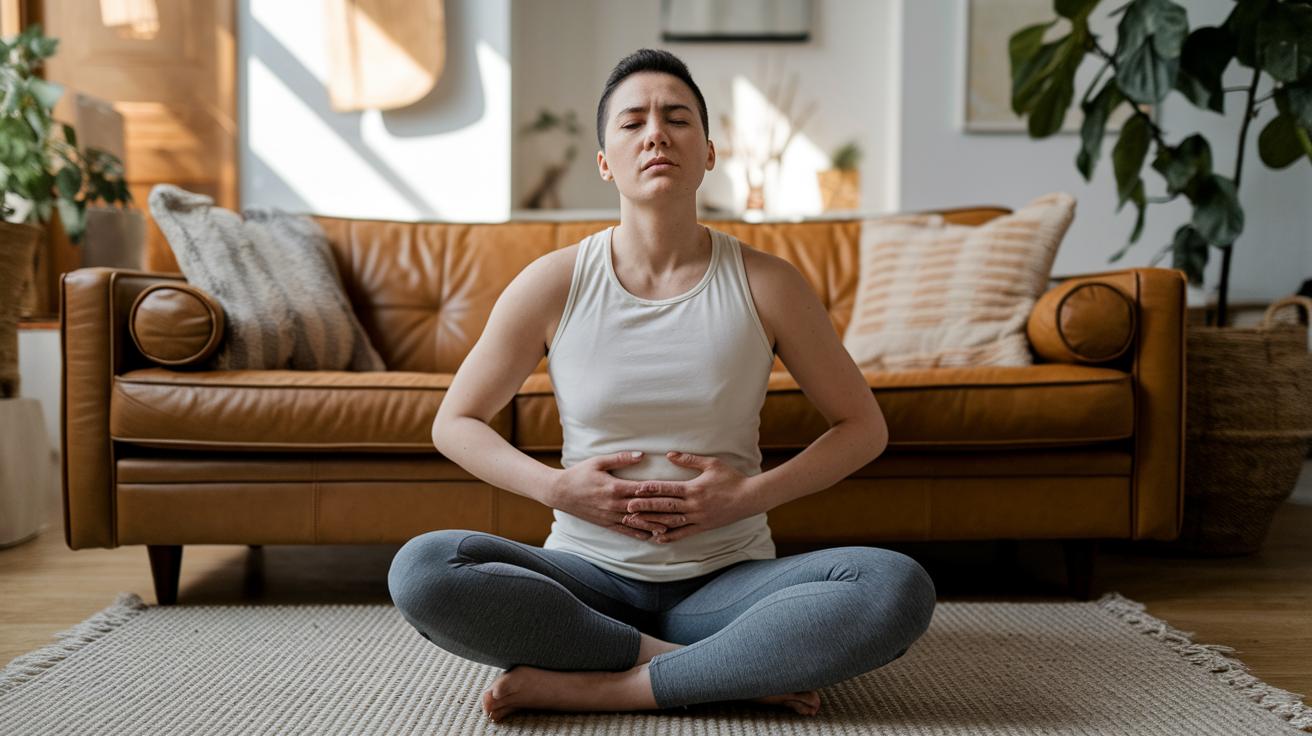
Ever feel like stress has you in its grip? Deep breathing and muscle relaxation are simple tricks that help ease body tension and even lower your stress hormones. Give diaphragmatic breathing a try: take a deep, slow breath, let your belly expand, and then exhale gently while letting the stress melt away. The best part? You can do these exercises anywhere, anytime you need a quick reset.
| Technique | Process | Key Benefits |
|---|---|---|
| Diaphragmatic Breathing | Focus on deep belly breathing; inhale slowly and exhale with control | Lowers anxiety and soothes the nervous system |
| Progressive Muscle Relaxation | Tense then relax each muscle group one at a time | Reduces physical tension and promotes a sense of calm |
| Simple Stretches | Perform gentle stretches to release tight muscles | Relieves muscle stiffness and enhances relaxation |
Try weaving these techniques into your daily routine. Whether you practice a few belly breaths in the morning or unwind with muscle relaxation before bed, adding these habits can make a big difference in easing anxiety and boosting your mood. It’s all about giving yourself that little moment of calm amid the hustle of everyday life.
Mindfulness and Guided Imagery Stress Management Techniques for Anxiety
Mindfulness meditation gives your busy brain a little time-out from worry. It shows you how to watch your thoughts without letting them take over. That small pause helps lower the stress chemicals in your body, so even a short session can calm racing thoughts and bring back balance.
Guided imagery takes this idea a step further by inviting you to picture a peaceful scene. First, get comfortable and close your eyes. Imagine a soothing place, a quiet beach, a sunny garden, or your own secret hideaway. Focus on the little details: feel the warmth of the sun, notice the soft breeze, or listen to the gentle sound of water at the shore. Picture it like this: "Close your eyes and feel the cool grass under your feet while birds chirp in the early morning." Let every little detail gently wash away your anxious thoughts, replacing them with calm. You can even try some simple mindfulness exercises at home to help guide your practice.
The best part is that these techniques can easily fit into your busy day. Whether you’re at home, at work, or on the move, spending just a few minutes on mindfulness or guided imagery can clear your head and ease anxiety just when you need it most.
Physical Activity and Lifestyle Stress Management Techniques for Anxiety

Regular cardio, like jogging or brisk walking a couple of times a week, can really clear your mind and ease stress. In fact, a steady six-week routine might just help you feel a lot less overwhelmed.
Yoga is another great option, it beautifully links breath with movement for a soothing flow that quiets those anxious thoughts. Studies even show that sticking with yoga can lower stress hormone levels. Give it a go: take a deep, calming breath, imagine drawing in peace, then slowly exhale, letting tension slip away.
Cutting down on screen time before bed can also make a big difference in your sleep. When you reduce digital distractions, your mind naturally winds down at the end of the day. Plus, easing up on processed foods and sugars can keep your mood steady and your energy up.
Even a quick 10-minute walk outside can be a real game changer. A brief break in nature helps lower your heart rate and clears your mind, giving you a fresh burst of clarity.
Cognitive and Self-Help Stress Management Techniques for Anxiety
Ever notice how a little tweak in your inner chat can slow down a racing mind? Try saying out loud what you feel, it transforms a jumble of worries into bite-sized thoughts. And when stress builds, why not mix it up by slipping in a different language? For instance, utter "Estoy calmado" to bring a playful sense of distance from anxiety.
Journaling works wonders too. Picture yourself sharing your story with a trusted friend as you jot down your emotions. It not only clears the haze but also helps spot recurring triggers over time. Plus, setting firm boundaries, like learning when to say no, and cutting back on caffeine can really steady your mood. Imagine unwinding with a cozy cup of herbal tea, your pen dancing across the page, and feeling empowered to shape your day.
Sometimes, a fresh playlist is all it takes. Curate those feel-good tunes that lift your spirit and act as a quick reset button when tension starts to build.
Daily Routines and Holistic Stress Management Techniques for Anxiety
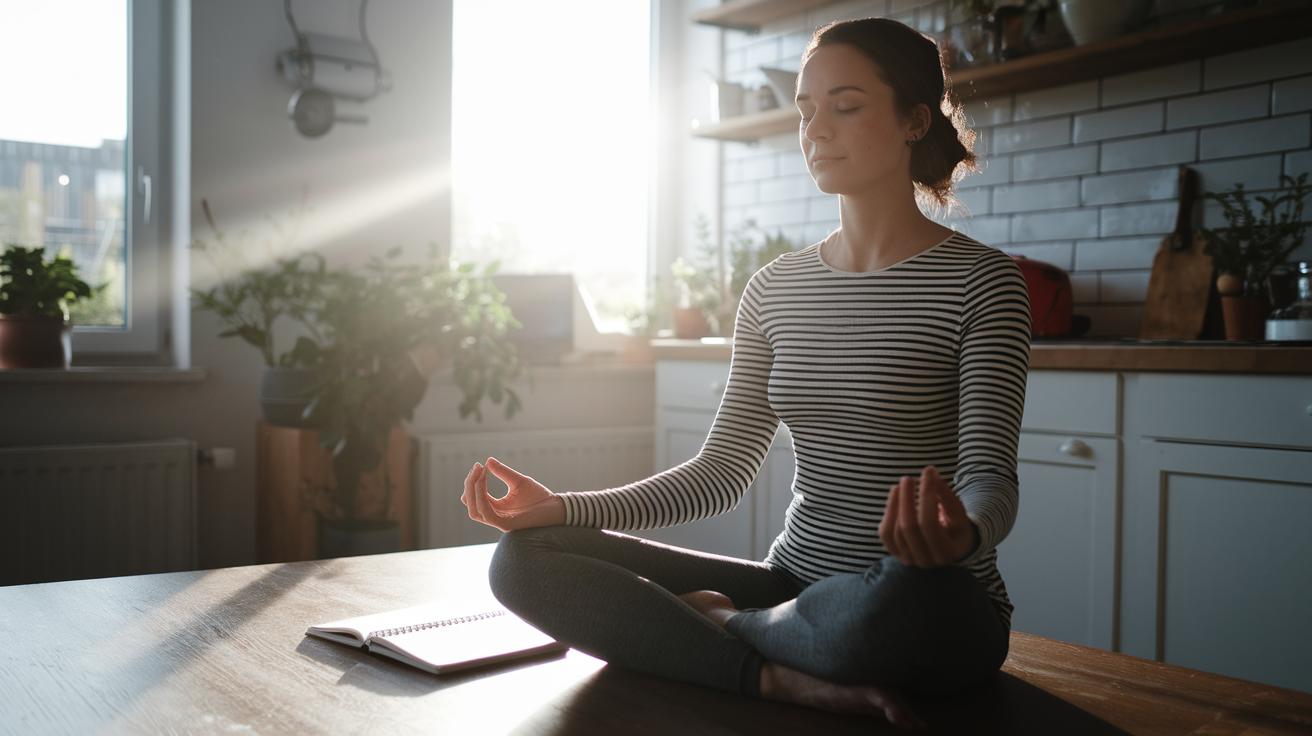
Kick off your morning at 6:30 AM with a steady ritual. For example, try a 4-7-8 breathing exercise, inhale for 4 seconds, hold for 7, exhale for 8, for four minutes, then spend two minutes jotting down things you’re grateful for. One woman named Maria saw her anxiety drop by 20% when she made this switch. Before this routine, her mornings felt chaotic, but just a few focused minutes brought clarity and calm. Research shows that a set routine sharpens your mind and kick-starts your day with a positive vibe.
At noon, take three minutes for a quick body scan to check in with yourself. This simple pause helps you notice and let go of tension early on. After lunch, give a brief session of progressive muscle relaxation a go, it’s a great way to refresh your mood. Then, as your day winds down, spend five minutes on a bedtime wind-down routine like gentle stretching or deep breathing to ease nighttime anxiety and support quality sleep.
When life throws obstacles your way, blend your techniques. If you miss a dedicated session, why not practice slow breathing while waiting for your coffee to brew? Little reminders like timers or sticky notes can keep you on track, making your routine unique and more effective than a one-size-fits-all stress relief hack.
Final Words
In the action, we explored research-backed methods showing how a mix of mindful practices, physical shifts, and thoughtful self-help strategies can ease daily anxiety. We went through tips like aerobic moves, deep breathing steps, and calming journaling, all linked by stress management techniques for anxiety. Each strategy is designed to fit into busy routines and uplift your everyday mood. Let these simple yet effective methods brighten your day and bring comfort as you move forward.
FAQ
How can you relieve stress quickly and reduce anxiety immediately?
Relieving stress quickly often involves deep breathing, a brief walk, or stepping away for a moment. These actions help lower tension and shift your focus away from worry.
What are 10 ways to cope with stress?
Ten effective methods include mindful breathing, journaling your thoughts, regular exercise, enjoying nature breaks, stretching, listening to music, connecting with friends, limiting screen time, improving sleep habits, and eating balanced meals.
How can women relieve stress effectively?
Women can lower stress by embracing self-care routines like mindfulness, regular physical activity, balanced nutrition, setting personal boundaries, and connecting with supportive friends and family.
How does one manage extreme stress and anxiety in everyday life?
Managing extreme stress involves combining regular exercise, mindfulness practices, journaling, healthy eating, and self-care routines to reduce anxiety and promote a calmer, focused mindset.
What stress management tools and relaxation techniques work best?
Tools like deep breathing exercises, progressive muscle relaxation, guided imagery, and simple stretches help ease muscle tension and lower cortisol levels, offering quick relief from stress.
What are the five stress management techniques and the 5 A’s of stress management?
Common techniques include strategies like awareness, acceptance, action, adjustment, and appreciation. These steps help you identify stressors, reframe reactions, and promote balanced responses.
What does the 3-3-3 rule for anxiety involve?
The 3-3-3 rule means taking three deep breaths, identifying three things you see, and naming three aspects you appreciate. This practice helps shift focus and ease anxious thoughts.