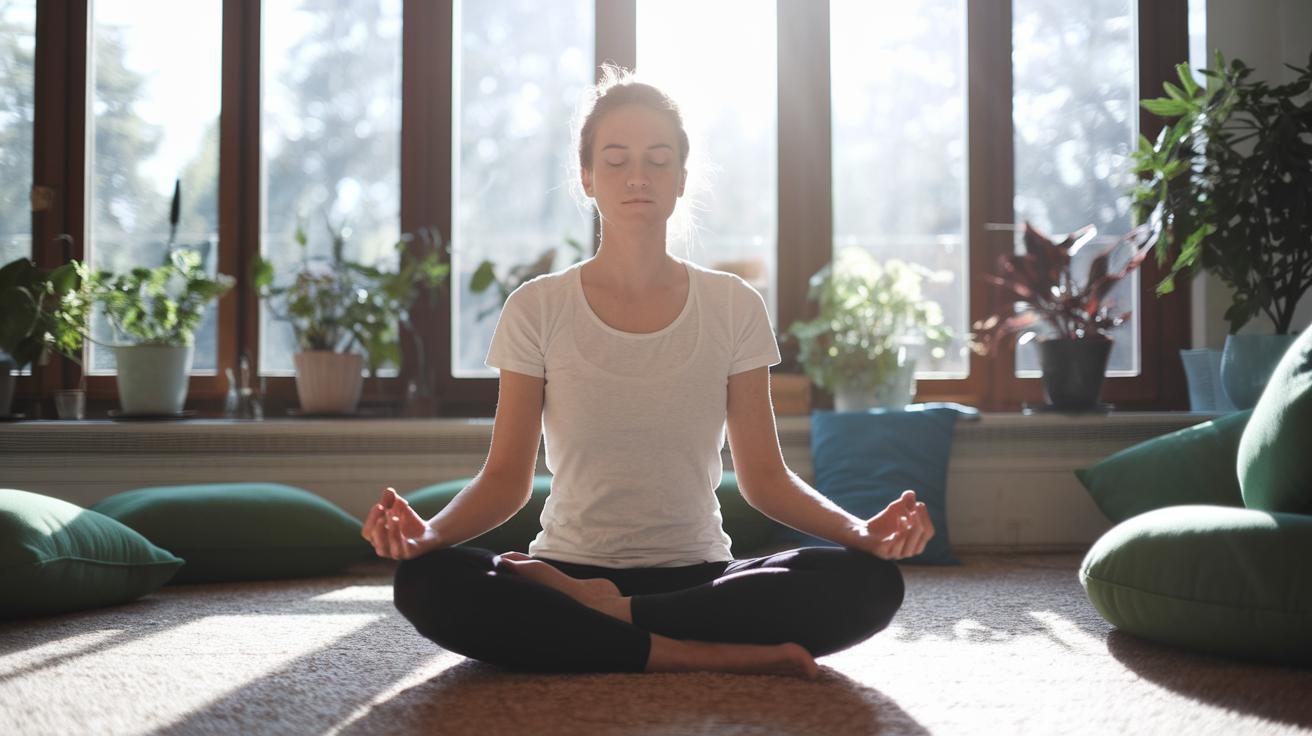
Ever noticed how one deep breath can work wonders? Picture your body getting a little break from stress, almost like pressing a reset button. A few slow, intentional breaths calm your nerves and help you feel at peace. Even when anxiety seems to take over, taking a quiet moment with your breath can make a big difference. In this guide, I'll share some easy breathing tips to help you feel more relaxed right now.
Quick Deep Breathing Techniques for Anxiety Relief
Deep breathing is a quick way to calm your mind. It helps switch your body away from that stressful fight-or-flight mode into a state of gentle ease. With simple belly breathing exercises, you can feel your mood shift in just a few moments.
Try these three easy methods:
-
Mini strategy steps
Rest one hand on your stomach and take three slow, deep belly breaths. As you breathe in, feel your tummy rise, and as you breathe out, picture the tension simply melting away. It’s like taking a tiny pause to breathe in calm and let go of stress. -
Extended-exhale technique
Inhale slowly for about 4 seconds, then push your exhale out for 6 seconds or more. Imagine each breath sending stress away like a cloud gently breaking apart on a clear day. -
4-7-8 cycle
Breathe in for 4 seconds, hold that breath for 7 seconds, and then slowly exhale for 8 seconds. This method taps into deep breathing to create a smooth, calming rhythm.
When you practice, sit comfortably with your back straight and shoulders relaxed. Find a quiet spot where you can really pay attention to your breathing. With regular practice, you’ll build a steady, soothing rhythm that helps manage stress throughout your day.
Biological Effects of Deep Breathing on Anxiety
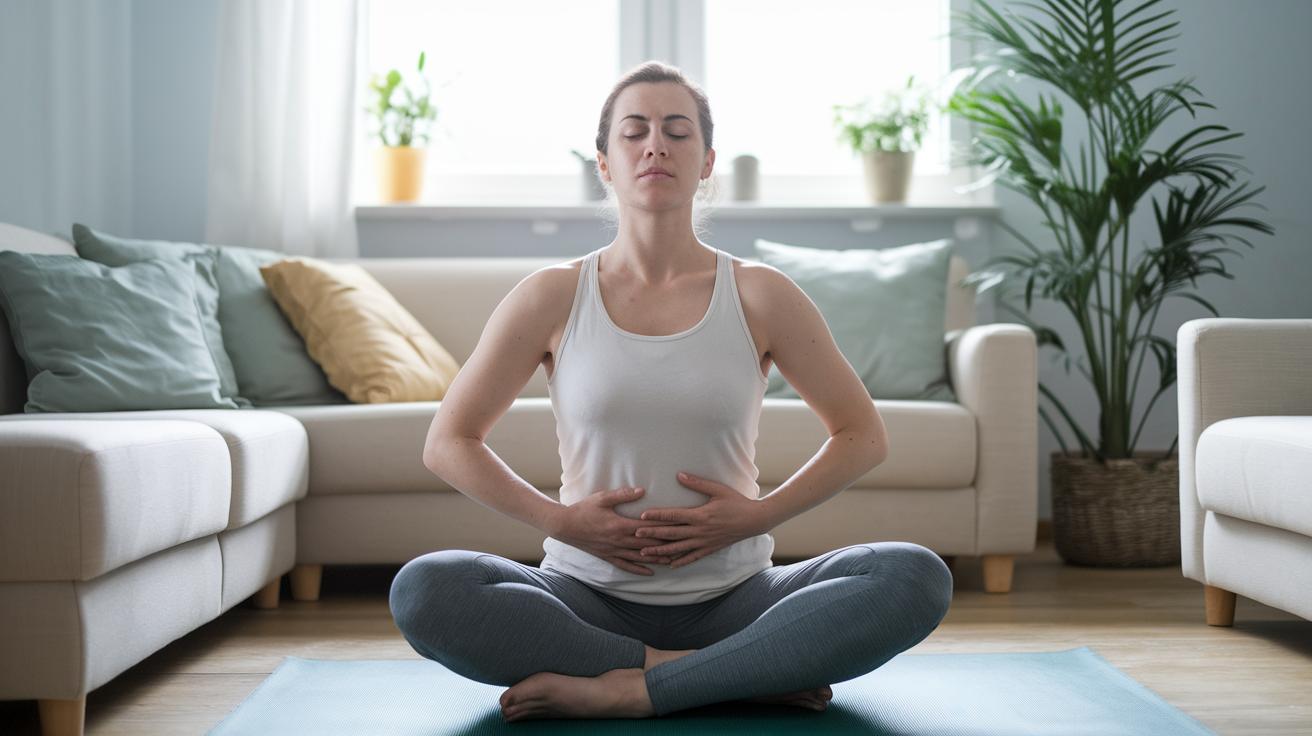
Deep belly breathing is like a gentle reset button for your body, switching you from a high-alert, fight-or-flight mode into a calmer, more relaxed space. Every deep breath you take sends a friendly message through the vagus nerve (a crucial connector between your brain and your lungs), warning your body that it’s time to chill out. In other words, when you take a slow, deliberate breath, you guide your body away from rapid, shallow breathing and help quiet that nagging sense of stress. Fun fact: just one deep breath can transform you from feeling tense and anxious to feeling safe and at ease.
Research tells us that diaphragmatic breathing isn’t just good for your mood, it actually lowers stress markers in both your body and mind. When you focus on controlled breathing, your body produces fewer stress hormones, and those anxious thoughts start to melt away. This isn’t a quick fix, either; making a habit of slow, thoughtful breaths can help you build real, lasting calm. With every deep exhale, you reinforce a state of centered relaxation that builds up your resilience over time.
Controlled breathing also helps keep your blood’s CO₂ levels steady, which can really come in handy during moments of anxiety when short, shallow breaths take over. Think about it: the average person takes around 23,000 breaths each day, so adding in a few moments of mindfulness can really make an impact on your overall health. Focusing on each careful inhalation and exhalation not only balances your CO₂ but also nurtures your body and mind, making deep breathing a simple yet powerful tool for everyday calm.
Essential Breathing Exercises to Ease Anxiety
-
Alternate Nostril Breathing: Sit comfortably with your back straight. Rest your thumb on your right nostril and breathe in slowly through your left. Then, gently switch, cover your left nostril and exhale out through your right. This simple back-and-forth helps balance your body’s signals and brings a natural calm.
-
Lion’s Breath: Find a quiet, cozy spot where you feel at ease. Take a deep breath in through your nose, then open your mouth wide, let your tongue poke out just a bit, and exhale with a burst of energy. It might feel playful, but it really helps let go of built-up stress and leaves you feeling lighter.
-
Box Breathing (4-4-4-4): Sit with a relaxed posture and breathe in slowly through your nose for 4 seconds. Hold that breath for 4 seconds, then slowly exhale for 4 seconds and pause for another 4 seconds. Think of it like drawing a box with your breath, a steady rhythm that calms your nerves and smooths your mind.
-
Resonance Breathing: In a peaceful space, take deep, slow breaths so that you complete about five full cycles per minute, with each one lasting roughly 12 seconds. This steady, controlled rhythm helps keep your heart and mind in sync, leaving you feeling balanced and refreshed.
-
Long Exhaling: Begin by breathing at your natural pace, then focus on slowly making your exhale longer than your inhale. With each extended breath out, feel the tension leave your body, easing your stress and calming your inner buzz.
-
Teddy Bear Breathing: Snuggle up with your favorite soft stuffed toy and settle in comfortably. Inhale slowly through your nose while giving your toy a gentle hug, then exhale as you relax your arms. This nurturing, tactile method engages both your body and emotions, offering a heartwarming sense of relief.
Daily Deep Breathing Routines to Manage Anxiety
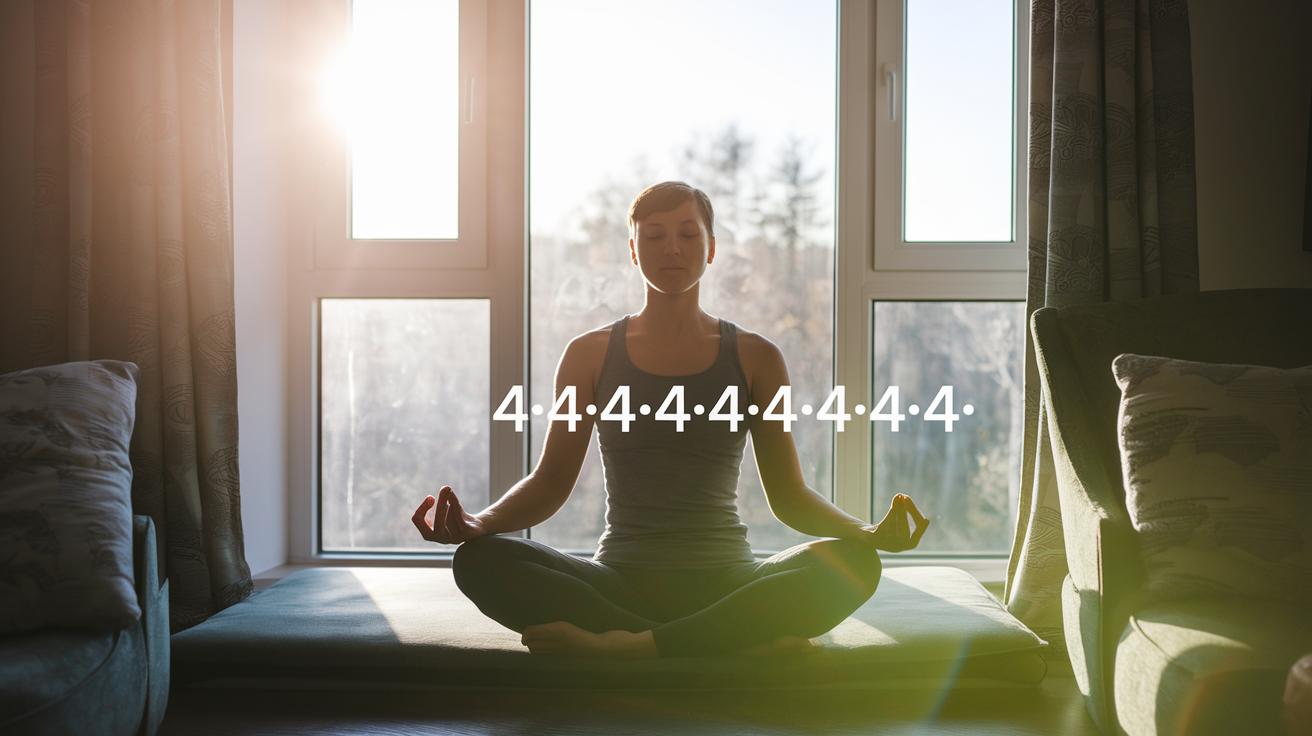
Morning Box Breathing
Start your day by matching your breath with the soft morning glow. Find a cozy spot where the early sunlight just brushes your skin, and try the 4-4-4-4 method. Breathe in slowly for 4 seconds, hold for 4 seconds, breathe out for 4 seconds, and then pause for another 4 seconds. This gentle routine not only calms your mind but also helps you connect with the natural flow of the day. Imagine beginning your morning with a rhythm as steady as your favorite song.
Midday Mini Reset
When you feel your energy dipping, take a moment to reset with three deep belly breaths. Whether you’re sitting or standing, relax your shoulders and place one hand on your stomach to really feel that natural rise and fall. These focused breaths help melt away tension and clear your thoughts, giving you a fresh boost for the rest of your day. Picture yourself wiping away foggy thoughts with each deep breath, setting the stage for renewed clarity.
Pre-Sleep 4-7-8
Ease into the night with a calming 4-7-8 breathing cycle while lying in bed. Slowly breathe in for 4 seconds, hold for 7 seconds, and exhale gradually over 8 seconds. This soothing pattern helps slow your heart rate and quiets your mind, paving the way for a deep, restful sleep. Think of each long exhale as a step closer to a peaceful night’s rest.
Safety Tips and Pitfalls of Anxiety Breath Control
Sometimes, taking extra deep breaths can backfire. When you breathe too much or hold a breath longer than usual, you might start feeling a bit woozy or lightheaded. It all happens because your body gets a sudden change in oxygen and carbon dioxide levels, and that can actually make you feel more on edge.
- You might feel dizzy or lightheaded if you breathe too fast or hold your breath too long.
- If you’re managing high blood pressure or have heart issues, it’s a smart idea to chat with your doctor before trying these techniques.
- Keep in mind, while deep breathing is a great tool for calming down, it’s not a magic fix for chronic anxiety on its own.
If you notice these signs or aren’t quite sure if you’re doing it right, why not reach out to a healthcare expert? They can offer tips tailored to you and add more strategies to your self-care routine, ensuring your breathing exercises stay soothing and never turn into another source of stress.
Advanced Deep Breathing Variations for Anxiety Control
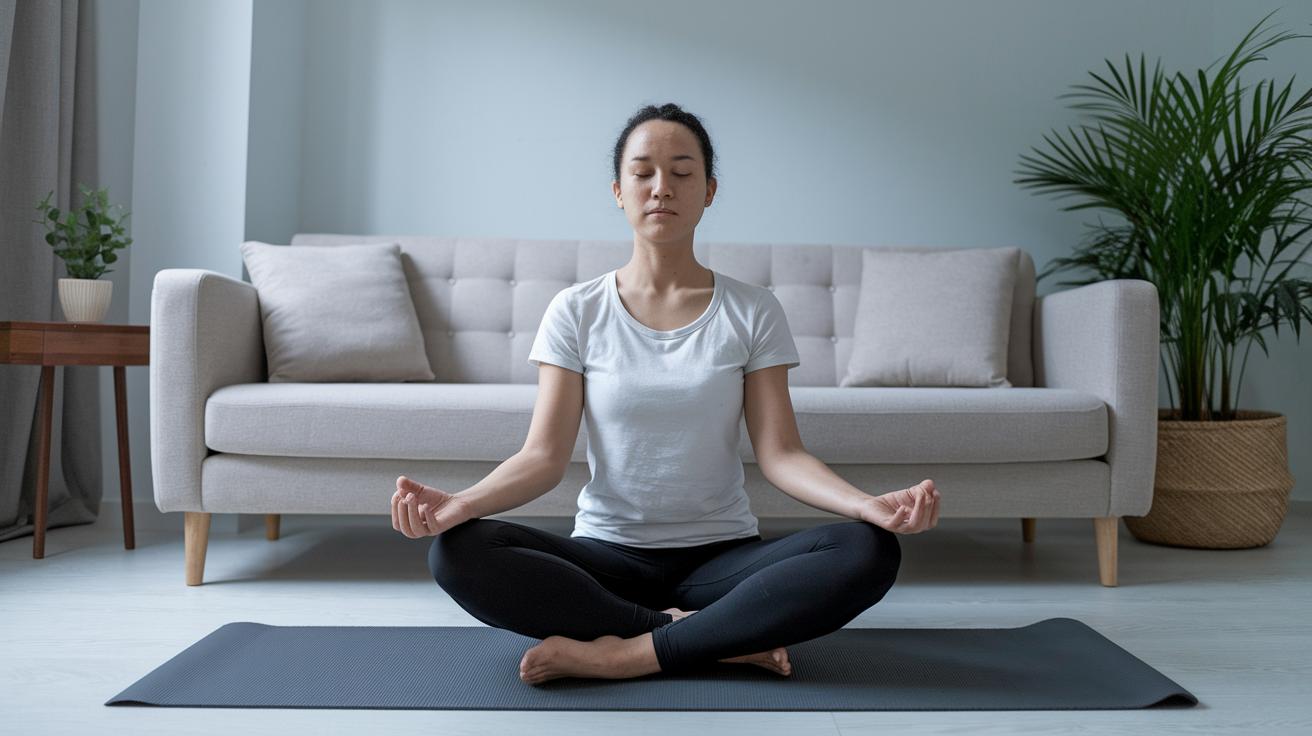
Sometimes, regular breathing tricks just don't cut it when anxiety silences your calm. In those intense moments, advanced techniques like the 3-3-3 rule and the 4-2-6 method offer a smarter way to relax. They give you a step up from everyday routines and help you feel more at ease.
| Technique | Pattern (inhale-hold-exhale) | Primary Benefit |
|---|---|---|
| 3-3-3 Rule | 3 sec – 3 sec – 3 sec | Quick reset when panic hits |
| 4-2-6 Technique | 4 sec – 2 sec – 6 sec | Sustained calm when tension builds |
When a surge of anxiety strikes, give the 3-3-3 rule a try. Inhale slowly for 3 seconds, hold your breath for 3 seconds, and then exhale for 3 seconds to hit a quick mental reset. It’s like pressing pause on your racing thoughts.
If you need a deeper calming effect, the 4-2-6 method might be your go-to. Breathe in for 4 seconds, hold for 2 seconds, and let the stress melt away with a 6-second exhale. This technique helps you move gently into a calm state, easing tension step-by-step.
Visual Guides and Apps for Deep Breathing Anxiety Support
Today, apps like Calm and Headspace make it super easy to learn deep breathing techniques like 4-7-8 and box breathing. They offer friendly, guided sessions that help you tune into your breath and feel more relaxed by carefully controlling your airflow. And if you’re ever unsure, quick video tutorials explain everything, from how to hold your hands to finding the perfect breathing rhythm, so you can practice with confidence. Plus, you can explore extra mindful self-care routines if you’re looking for more help.
| Visual Aid | Description |
|---|---|
| Infographic | Shows the proper diaphragm position and timing |
| Video Guide | Explains posture and hand placement |
Using these fun, visual tools makes deep breathing exercises feel more natural and engaging. With a mix of clear instructions and visual aids, you can build a routine that turns calming breaths into a lovely everyday habit, helping you feel less anxious and more at ease.
Final Words
In the action steps, these deep breathing techniques offer immediate relief from anxiety. The post outlined simple belly breathing, extended exhales, and the 4-7-8 cycle to help ease stress and lower your heart rate. You learned how proper posture and thoughtful practice can boost your calm and confidence. By incorporating deep breathing for anxiety into your daily routine, every breath becomes a chance to feel more relaxed and in control. Keep this practice close, and let each slow breath remind you that calm moments are always within reach.
FAQ
Where can I find deep breathing videos and guidance for anxiety relief?
Deep breathing videos on YouTube, Reddit, and the NHS website offer clear, step-by-step visual instructions that help calm your mind and reduce anxiety promptly.
What does the 4-7-8 breathing technique do for anxiety relief?
The 4-7-8 breathing technique helps soothe your nervous system by setting a steady rhythm—inhale for 4 seconds, hold for 7 seconds, and exhale for 8 seconds—to trigger a calm state.
Can deep breathing cure anxiety or make it worse?
Deep breathing eases anxiety by calming the body when done properly, though it may feel uncomfortable if misapplied. It supports relaxation but isn’t a standalone cure for chronic anxiety.
How can deep breathing help relieve anxiety fast?
Deep breathing offers fast anxiety relief by using controlled patterns like the mini strategy or 3-3-3 rule. These techniques quickly slow your heart rate and distract you from stress.
What is the 3-3-3 rule for easing anxiety?
The 3-3-3 rule involves inhaling, holding, and exhaling each for 3 seconds. This quick, controlled pattern interrupts anxious thoughts and helps center your mind in moments of stress.
Where can I get guided breathing exercises to manage sudden anxiety attacks?
Guided breathing exercise PDFs and online resources provide step-by-step methods that help you tackle anxiety attacks with focused, calm breathing techniques to quickly ease stress.