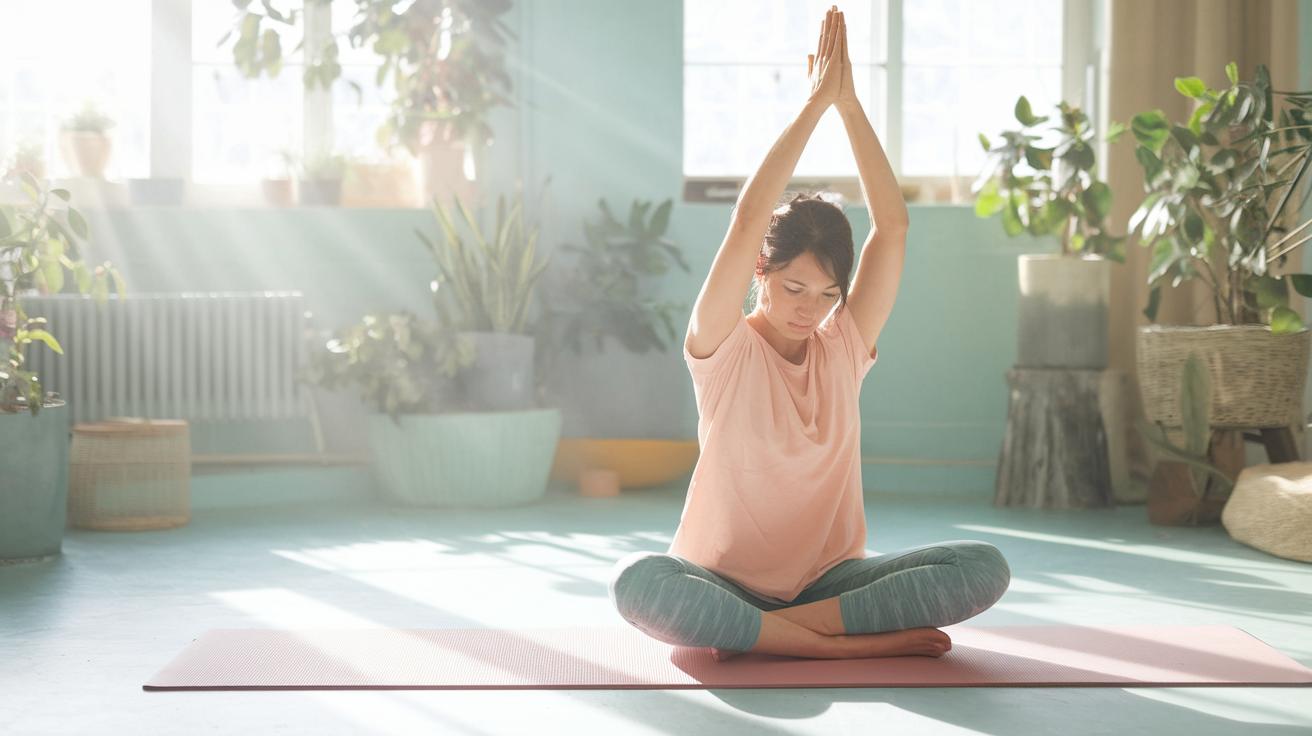
Ever feel like the world is just too much sometimes? Just a few deep breaths can melt your stress away and bring a sense of calm to both body and mind. Think of yoga for stress relief as more than just some stretching, it’s a smart, science-backed way to loosen up tight muscles and ease those racing thoughts. Every pose helps your body flip a switch to its natural calm mode, letting everyday worries fade and making space for clearer, brighter thinking. Even a short session can lift the fog from your mind and leave you feeling peaceful and on track. It’s amazing how this simple practice might totally transform your day.
How Yoga for Stress Management Works: Science-Backed Benefits
Yoga helps ease stress by inviting your body to relax and find balance. It activates the parasympathetic nervous system, which is like your body’s chill-out mode, it lowers your heart rate and cuts down on stress hormones like cortisol. Think about taking a slow, deep breath that calms your mind, just like pausing to let all the tension slip away.
When you breathe slowly and steadily, your body makes fewer stress hormones and your muscles loosen up. This gentle practice helps you feel less tight, more focused, and utterly relaxed. Imagine exhaling all the built-up pressure with each breath, just a few mindful breaths can calm your racing thoughts.
Regular yoga practice brightens your mental clarity, stabilizes your mood, and builds a strong shield against daily worries. Even spending a couple of minutes on focused breathing can make a big difference. It’s an easy, sustainable way to manage stress in our busy world.
Essential Yoga for Stress Management: Key Stress-Relief Poses
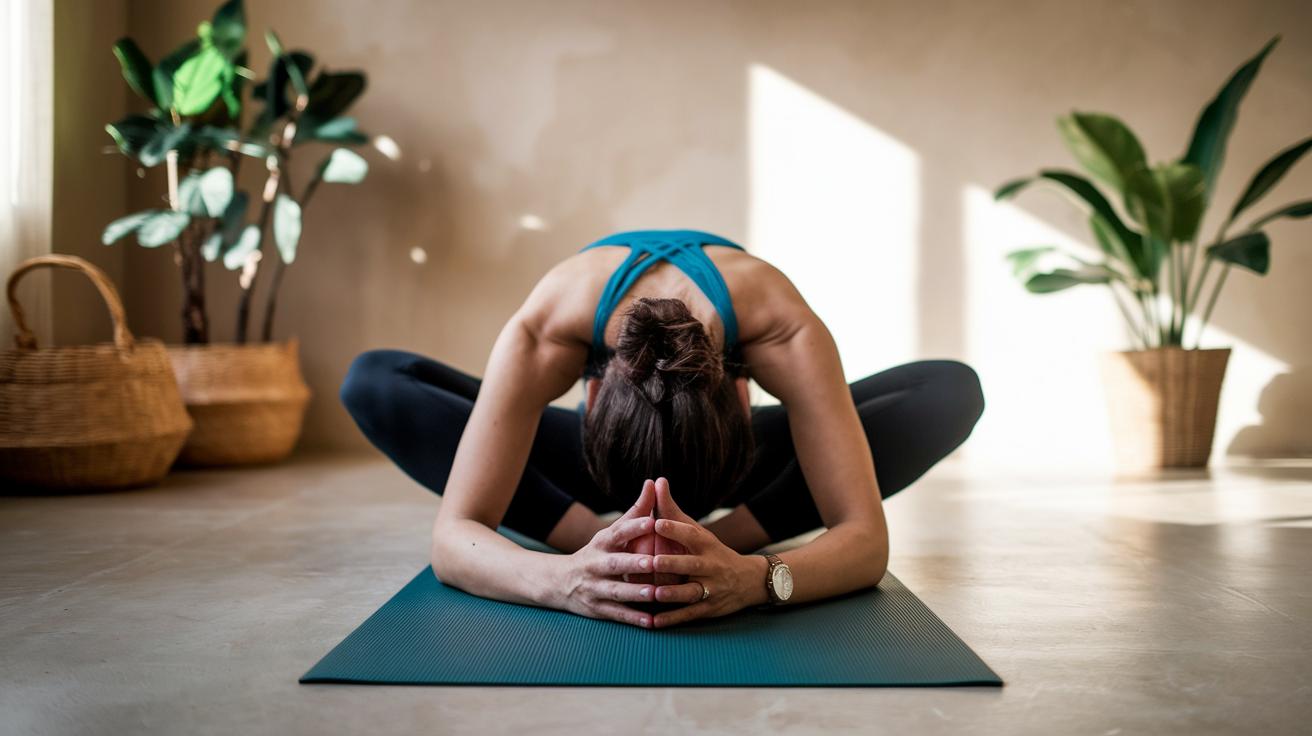
Sometimes, a few simple poses can turn a stressful day into a moment of calm. These five core asanas mix gentle movement with mindful breathing, offering quick relief from the weight of daily tension.
-
Child’s Pose (Balasana): This cozy stretch opens up your hips and back while inviting your mind to slow down. Imagine slipping into a warm, comforting embrace that soothes both your body and your thoughts.
-
Standing Forward Fold (Uttanasana): Let this pose wash away tightness in your neck, back, and legs. It’s like flipping a switch, suddenly, your energy feels refreshed and stiffness melts away.
-
Cat-Cow Pose (Marjaryasana-Bitilasana): A fluid movement that eases upper back tightness, this pose gently mobilizes your spine. Moving with your breath, it makes your body feel more flexible and light.
-
Legs Up the Wall Pose (Viparita Karani): Resting in this pose, your legs get a well-deserved break as blood flows freely, easing fatigue. Picture your lower body comfortably supported as you let the day's exhaustion drift away.
-
Corpse Pose (Savasana): This is your chance to truly unwind. By focusing on your breath and allowing your body to fully relax, you find a precious moment of stillness and inner calm.
Integrate these poses into your daily routine for a simple yet powerful way to bring brightness and balance back into your day.
Yoga Breath Control Techniques for Stress Management
Pranayama is like a mini-vacation for your body and mind, a gentle way to hit the reset button on your stress. When you focus on your breath, you invite calm energy into your day, easing tension and grounding your spirit.
-
Nadi Shodhana (alternate nostril breathing): Start by using your right thumb to gently cover your right nostril. Breathe in slowly through your left nostril, then switch it up, close your left nostril with your ring finger and let the air flow out through your right. Keep alternating like this for a few rounds, and you’ll notice a balanced, peaceful vibe taking root.
-
Ujjayi (victorious breath): This technique creates a soft, ocean-like sound when you breathe. Just slightly squeeze the back of your throat as you inhale deeply through both nostrils, then exhale slowly with smooth, steady sounds. It’s a soothing way to lengthen your breath and deepen that lovely sense of relaxation.
-
Slow, forceful exhalation: Take a gentle inhale, then exhale with a bit more control, almost like you’re letting go of all that built-up stress. Focus on how each exhale helps melt the tension away.
Even a quick, two-minute breathing break can transform your day, leaving you feeling clearer, calmer, and ready to take on whatever comes your way.
Quick De-Stress Yoga for Stress Management: Morning and Evening Flows
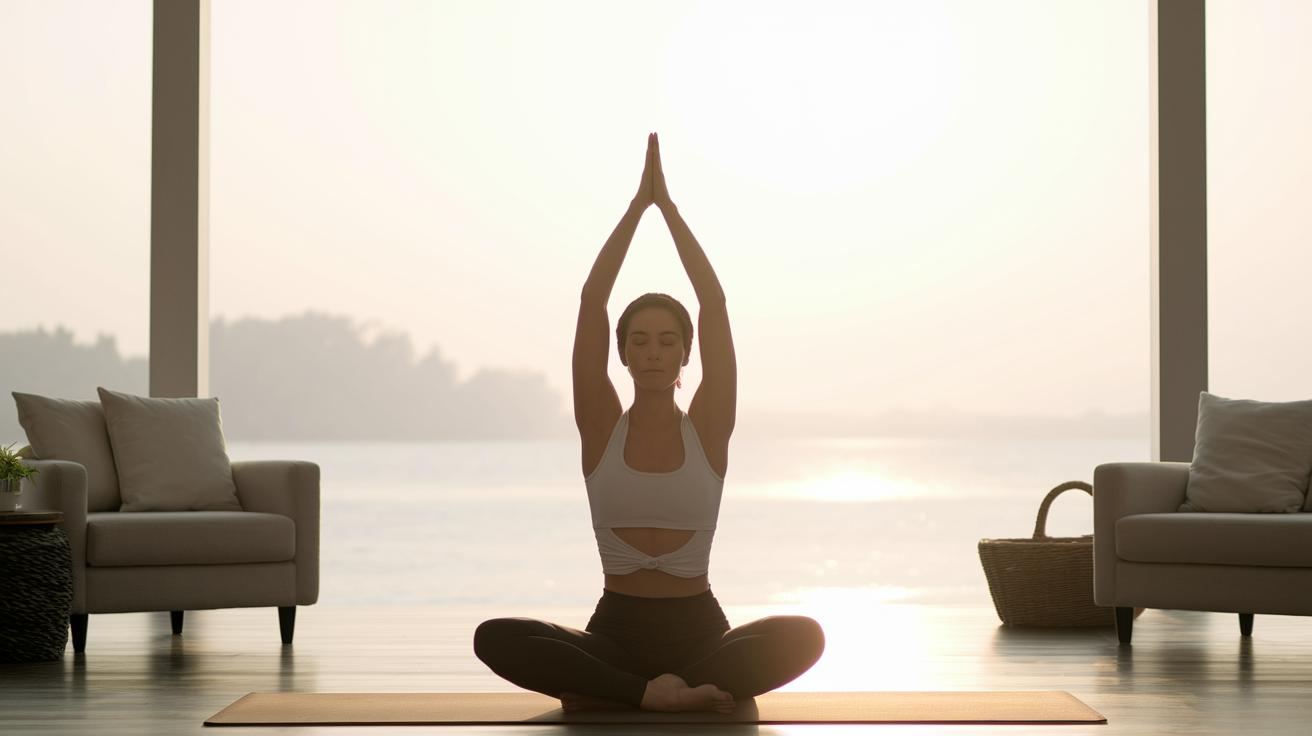
Imagine starting your morning with a quick, two-minute flow that wakes up your body and sets a calm, positive vibe. The Sunrise Express Flow is all about moving gently while you sync each action with your breath. First, ease into a couple rounds of Sun Salutations A, feel the stretch and notice your breath guiding every movement, like a friendly chat with yourself. Next, find comfort in Child’s Pose, letting your worries melt away with every slow inhale and exhale. Finally, wrap up with Ujjayi breathing where a soft, slight constriction in your throat helps extend your breaths and lock in that refreshed energy.
Now, as the day winds down, take a moment for the Evening Wind-Down Sequence. It’s a peaceful routine that gently shifts your focus from a busy day to the quiet of the evening. Start with Forward Folds, bend over your legs and let gravity ease away any muscle tension and mental stress. Then, try Legs Up the Wall; just lie back and let your legs relax high, helping improve circulation and slowly bringing you deeper into stillness. End your practice with Savasana: lie flat, breathe slowly and deeply, and let every part of your body release the day’s tension, setting the stage for a cozy night’s sleep.
Integrating Yoga for Stress Management into Daily Life
Short bursts of yoga can easily slip into your day, whether you're at home, in class, or on the job. Try a relaxed Hatha or a gentle Restorative routine (that’s like a calm, stretching break) during a pause. Even a couple of minutes can lift your mood and ease tension. Imagine unrolling your yoga mat on a quiet floor or creating a cozy spot with a cushion and blanket for a mindful practice.
At work, you don’t need to be a yoga pro, just focus on tuning into your body and moving a little. When midday stress hits, step away for a quick two-minute break. Simple props like blocks can make poses easier, even in a busy office. And if you need a little extra support, check out mindful stress management tips at imdandy.com?p=2781 before you jump back into your tasks.
Whether you’re in school or at home, a short yoga session can clear your head and calm your nerves. Customize your practice to match your day, whether it's pre-exam jitters or a mid-afternoon dip in energy. Let those moments of gentle movement guide you toward a calmer, more centered mindset.
Safety Tips and Modifications in Yoga for Stress Management
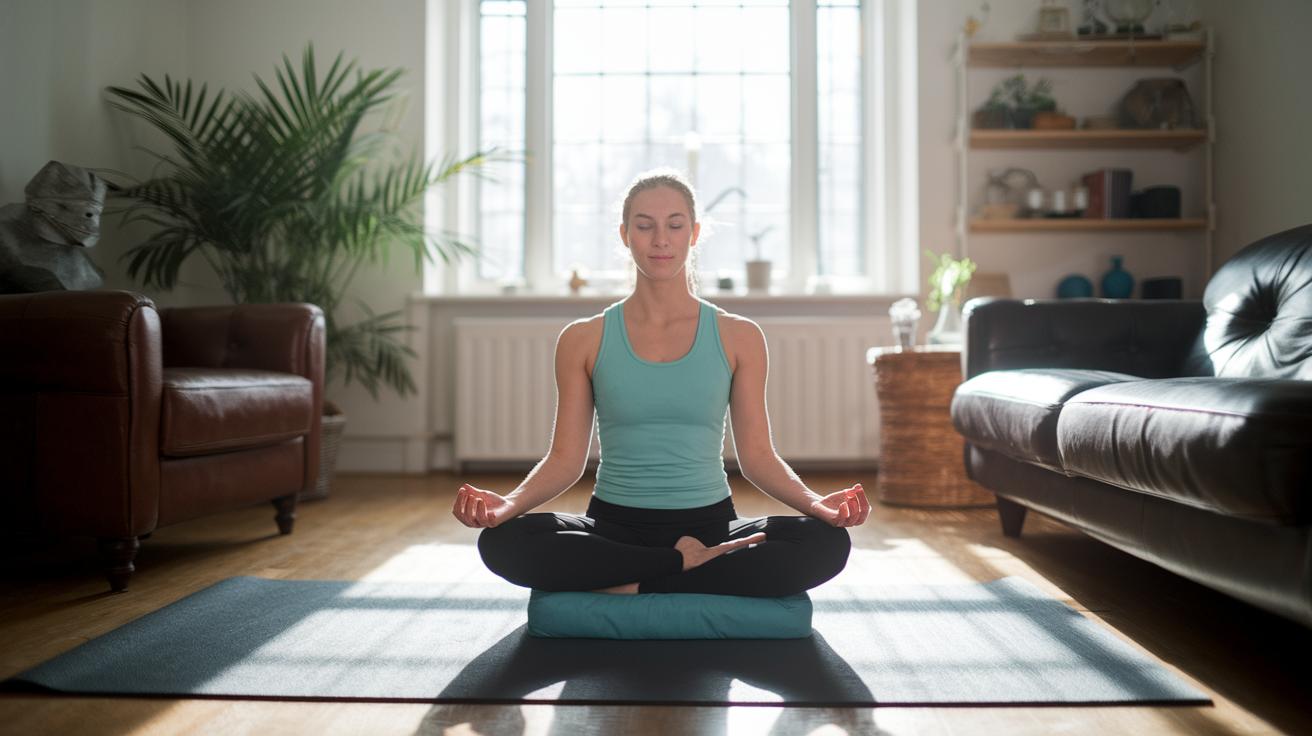
Pay attention to how your body feels and don’t push through pain. If a pose starts to feel tense or painful, it's totally okay to take a quick break. These small pauses help keep your practice both safe and enjoyable.
If you find a pose uncomfortable, try adjusting your alignment or simply step out of it. Being tuned in to your body helps prevent injury and makes your stress-relief practice even more effective.
Sometimes, using props like cushions and blocks can really support your joints and make each pose feel cozier. For instance, placing a cushion under your hips during a forward fold can ease the strain. You might also experiment with modifications, like going for a half-fold instead of a full bend or choosing a supported Bridge instead of a full Wheel. These tweaks let you enjoy the benefits of yoga without overdoing it. Trust your sensations and steady breath rather than stressing over perfect alignment.
Focus on moving slowly and mindfully; if something doesn’t feel right, ease out of it. This gentle, attentive approach is key to nurturing a yoga practice that lasts and keeps you safe.
Final Words
In the action, you learned how mindful breathwork and simple poses work wonders by easing tension and resetting your mood. The post highlighted how a few minutes of careful movement can lower stress hormones and build resilience (mindfulness and emotional resilience – https://imdandy.com?p=2574). You also saw step-by-step routines perfect for starting or ending your day with calm. Embrace yoga for stress management and enjoy a balanced, uplifting routine each day.
FAQ
What does yoga for stress management for beginners involve?
The yoga for stress management for beginners introduces simple poses and breathwork that support relaxation and calm. It gently eases you into routines that lower tension and boost overall well-being.
How does yoga help with stress management and anxiety?
The yoga for stress management and anxiety provides techniques that ease tension and lower stress hormones. Incorporating slow breath and mindful movements creates balance and reduces anxiety, promoting calm and mental clarity.
What are the benefits of following yoga for stress management on YouTube, like Adriene’s sessions?
The yoga for stress management YouTube routines, including Adriene’s, offer guided sessions that combine gentle poses with calming breathwork. They are excellent for home practice, making stress relief accessible and engaging.
How effective is a 10 minute yoga routine for stress and anxiety?
The 10 minute yoga for stress and anxiety delivers quick relief through focused movements and breathing exercises. This brief practice fits busy schedules while promoting powerful stress reduction and mental calm.
What role does yoga play in improving sleep?
The yoga for stress and sleep routine eases tension, paving the way for better rest. Gentle poses and slow breathing calm the mind and body, creating a soothing transition for peaceful slumber.
How can yoga support those dealing with depression?
The yoga for stress and depression approach uses mindful poses and breath control to uplift mood and ease overwhelming stress. This gentle practice encourages movement and awareness that helps stabilize emotional balance.
Which type of yoga is best for reducing stress?
The yoga best for reducing stress often involves gentle, restorative styles such as Hatha or Restorative yoga. These practices focus on slow movements and controlled breathing to release tension and promote relaxation.
Does yoga really help with stress management?
The answer to whether yoga helps with stress management is yes—yoga triggers relaxation responses that lower cortisol levels, ease tension, and boost mental clarity, making it a practical tool for everyday stress relief.
What are the 5 R’s of stress management?
The 5 R’s of stress management involve recognizing stress signs, responding with relaxation techniques, reflecting on reactions, refocusing your energy, and resetting for balance to maintain calm throughout the day.
What four stress management techniques might Thandi consider to decrease her feelings of stress?
The four stress management techniques Thandi may consider are practicing gentle yoga, engaging in mindful deep breathing, taking short rejuvenating breaks, and connecting with supportive people, each fostering calm and ease.