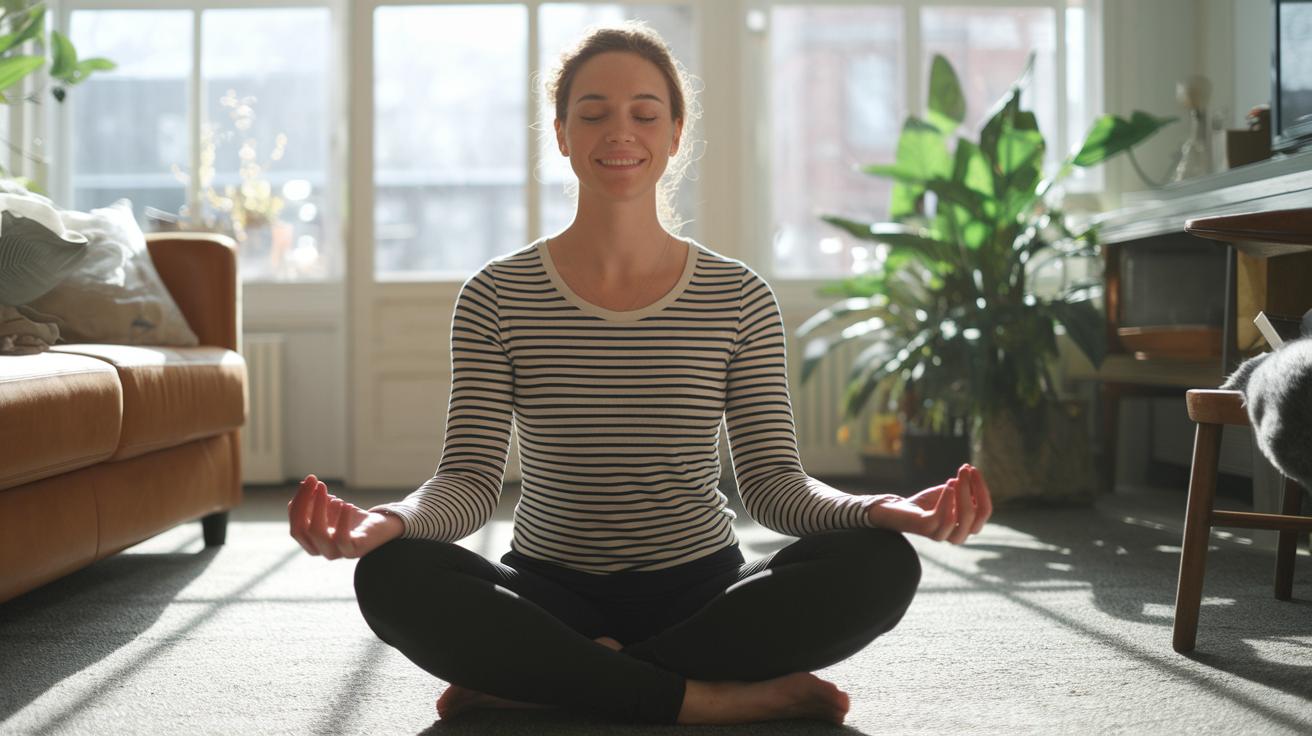
Have you ever noticed how just a few deep breaths can change your entire day? Sometimes, pausing to take a moment for yourself is all you need to lift your mood.
Imagine stepping aside for a minute, breathe slowly, scribble a quick note of thanks, or simply rest your eyes away from that screen. These little actions can bring a soft calm and a splash of happiness when you need it most.
In this chat, we’re diving into simple, quick tips that feel like a fresh breeze on a busy day. Stick around, and you might just discover that keeping joy close is easier than you thought.
Actionable Self Care Ideas for Mental Health Stress Relief
Stress can sneak up on you, but even a few calm moments can clear your head and lift your spirits on a busy day. When things get overwhelming, try one of these easy self care ideas for mental health. And if you’re looking for even more tips, head over to self care tips for mental health.
• Diaphragmatic breathing exercise (the 4-7-8 pattern, which means breathe in for 4 seconds, hold for 7 seconds, and breathe out for 8 seconds)
• Write down three things you’re grateful for
• Take a five-minute break from digital devices
• Practice progressive muscle relaxation (tensing and then releasing different muscles)
• Do a two-minute mindful body scan, paying attention from head to toe
• Enjoy a short walk outside while noticing the sights and sounds around you
• Follow a gentle stretching routine to ease tension
Taking just a few minutes each day to breathe deeply, note what you're thankful for, or step away from your screen can really help balance your emotions. These small actions fit perfectly into even the busiest schedule and can make a big difference, whether you're swamped at work or need a quick refresh. Experiment with one or more of these steps, and you might find that a little pause goes a long way in making you feel calmer, more resilient, and ready to take on the day.
self care ideas for mental health: Stay Joyful
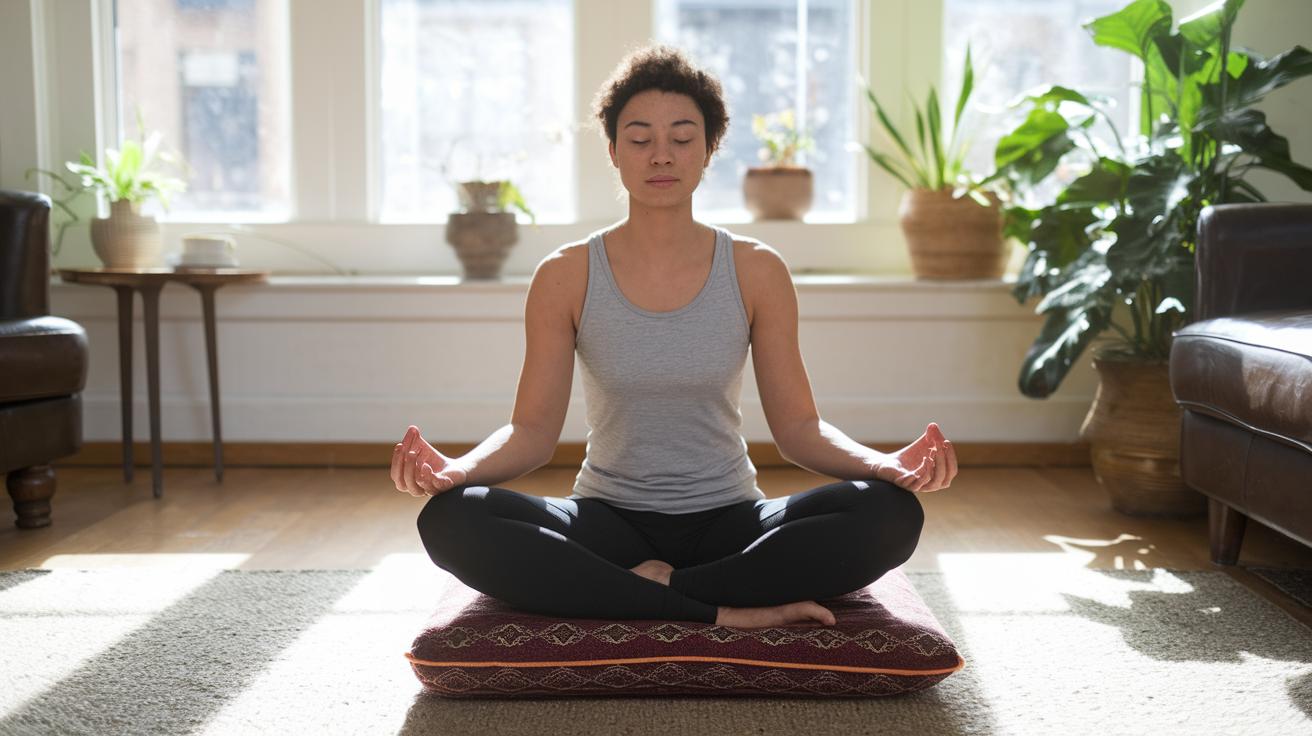
Taking just a few moments each day to practice mindfulness can really clear your head and boost your well-being. You know, just 5-10 minutes to sit quietly and follow your breath can help quiet the chatter of your mind and invite a little joy into your day. Imagine yourself sitting comfortably, paying attention to each gentle breath, feeling every tiny sensation, and simply bringing your focus back whenever your thoughts wander. Try this simple exercise: sit down, take a deep, slow breath, and let it out gradually, releasing any tension and setting the stage for a calm mood.
This four-step approach, sitting quietly, following your breath, noticing your body's signals, and gently returning to the now, is like a little foundation for caring for yourself. It keeps you grounded and makes it easier to handle stress and stay clear-headed. Whether you choose a peaceful moment in the morning or a reflective pause in the evening, this mini mindfulness break acts like a quick reset button for your mood.
To see your progress, why not jot down each session in a calendar or use a handy app? Watching your mindfulness habit grow can show you how these small moments add up to big, positive changes in your life.
Emotional Wellness Tips with Self Care Ideas for Mental Health
Reflective Journaling Practices
Every day, carve out about 10 minutes to note down three moments that made you smile or feel good. Write a few words on how you felt in that moment and set a tiny goal for tomorrow. For instance, you might record, "Enjoyed a quiet coffee break, felt calm after reading, and will share a smile with a stranger." Keeping a journal or using a printable checklist can help you see these bright moments add up over time.
Expressive Writing
Take 10 minutes to let your thoughts flow on paper, or in a digital note, about any tough emotions you're facing. Don’t stress about perfect grammar or complete sentences; just write like you're chatting with a close friend. This little writing ritual can help ease the weight of negative feelings and bring a sense of clarity when you need it most.
Mood Tracking
Spend a couple of minutes twice a day for two weeks rating your mood on a simple chart or your favorite app. This habit lets you spot patterns and understand what lights you up or brings you down. Over time, these insights can help you adjust your self-care strategies, paving the way for a more balanced and joyful outlook on life.
Anxiety and Depression Management Self Care Ideas for Mental Health

Everyone’s journey is unique, so it’s essential to choose techniques that truly match your feelings. One great tip is to try diaphragmatic breathing. Sit comfortably, breathe in slowly through your nose so your belly rises, and then exhale gently through your mouth. This practice helps calm your nerves and creates a grounding moment during stressful times.
When anxiety sneaks in, mix your deep breathing with a simple 5-4-3-2-1 grounding exercise. Look around and name five things you see, four sounds you hear, three tactile sensations you feel, two scents, and one taste. This little trick shifts your focus from swirling worries to the here and now.
Feeling low? Sometimes a bit of behavioral activation can make a real difference. Plan two quick, enjoyable activities every day, maybe a refreshing walk, a burst of creativity with a hobby, or a quiet moment with your favorite cup of tea. For example, consider spending a few minutes each morning reading something uplifting, then treat yourself to another brief, positive moment in the evening. These mini breaks can act like small rescues when depression tries to slow you down.
And remember, if things ever feel overwhelmingly heavy or if these self-care steps aren’t quite cutting it, professional help is always a great resource. When you're in urgent distress, crisis counselors are just a text away, simply text HOME to 741741. Blending self-help practices with expert guidance can build a strong, supportive plan for managing stress and nurturing your mental health.
Creative Healing and Mood Boosting Self Care Ideas for Mental Health
Creative activities let your mind take a playful break and leave stress behind. When you dive into a little art project or jot down some thoughts, you give yourself a chance to explore, refresh, and even smile. It’s like hitting pause on your worries to enjoy a burst of creativity.
Try these fun ideas:
• Coloring a mandala or a fun pattern
• Making a collage with magazine cut-outs
• Painting with watercolors or acrylics
• Creating a short playlist and dancing freely
• Writing a two-line poem each morning
• Crafting a nature mandala from leaves and petals
You can easily squeeze these creative moments into any part of your day. Whether you're curled up in a cozy corner at home or taking a quick break at work, a tiny burst of creativity can completely recharge your mood. Give one or two of these a try, and you might be surprised by how much brighter your day becomes, even when life gets busy.
Digital Detox and Nature Connection Self Care Ideas for Mental Health

Feeling overwhelmed by screen time is something many of us experience, it can make it hard to chill out and find your balance. Try carving out little moments to go phone-free. For example, set aside four separate 10-minute breaks during your day so you can disconnect, take a deep breath, and let your brain catch a breather.
During one of these breaks, why not take a 10-minute mindful walk? Pick any quiet outdoor spot, maybe during a work pause or on a relaxed weekend morning. As you stroll, just focus on your breath and let your eyes wander. Notice five interesting natural details, like the twist in a leaf or a tiny blossom along the path. Listen closely for sounds, the gentle chirping of birds or the soft rustle of leaves. It’s as if the natural world is whispering calm directly to you. Studies even show that connecting with nature can boost your mood by up to 15% after just one mindful session.
Making this a daily habit is simpler than you think. Set a reminder to step away from your screen or plan your nature walk for when you really need a boost. This little ritual might help you sleep better, clear your mind, and feel more balanced and joyful throughout the day.
Building Sustainable Self Care Ideas for Mental Health as Daily Routines
Sticking to simple habits daily can really power up your mood and keep stress at bay. Think of it like adding little moments of calm into your day, like a mini pause button. Even just a few minutes of deep breathing with your morning coffee or a quiet moment to reflect during lunch can make a big difference over time.
Here’s a quick, three-step routine that feels like a friendly chat with yourself:
-
Pick three little self care practices, one each for the morning, afternoon, and evening. Maybe start with a five-minute meditation when you wake up, take a brisk walk at lunchtime to clear your head, and wind down with a quick gratitude journal session before bed.
-
Block out time for these activities on your calendar. Treat them like any other important appointment, because giving them a set time helps you stick with them even on your busiest days.
-
Each Sunday, take a few minutes to check in with yourself. Ask how the routine worked, what felt right, or if something needs a little tweak. This regular reflection helps keep your self care habit fresh and perfectly tuned to your needs.
Merging self care with things you already do, like adding a tiny mindful breathing break during your coffee time, can make the whole process feel natural and easy. And remember, sometimes chatting with a professional about your routine can bring in some extra tips tailored just for you.
Final Words
In the action, practical self care ideas for mental health have shown how daily practices, from mindful breathing and gratitude journaling to creative expression and digital detox moments, can bring calm and clarity.
Simple routines like these help lighten your day and spark a feeling of inner balance. Keep these strategies in your toolkit and let them inspire effortless, chic living every day.
FAQ
Frequently Asked Questions
What self-care activities can adults and women try at home to boost mental health?
Self-care activities for adults and women include mindful breathing, gratitude journaling, short walks, creative projects, gentle stretching, and reflective writing to spark relaxation and brighten your mood.
What are the top 10 self-care practices for maintaining mental health?
The top 10 self-care practices include diaphragmatic breathing, gratitude journaling, mindful meditation, quick digital detox breaks, outdoor walks, creative expression, progressive muscle relaxation, mood tracking, expressive writing, and mini self-care routines.
What are 5 ways to improve mental health?
Five ways to improve mental health are exercising regularly, getting enough sleep, connecting with friends, practicing mindfulness or breathing exercises, and enjoying creative hobbies to lift your spirits.
What does the “3 month rule” in mental health refer to?
The “3 month rule” in mental health suggests dedicating three months to consistently practice new self-care habits, helping them become a natural part of your routine and boost your overall wellness.
What are the 5 C’s of mental health?
The 5 C’s of mental health typically refer to connection, confidence, character, competence, and caring, all of which help build emotional strength and a supportive mindset.
What social self-care ideas can help improve well-being?
Social self-care ideas include setting time for supportive conversations, joining community or group activities, sharing creative projects with friends, or simply planning quality time with loved ones to nurture connections.
Where can I find self-care practices in PDF format?
Self-care practice guides in PDF format offer ready-to-use routines and tips. These downloadable resources provide clear instructions on mental health activities, making it easy to start your self-care journey.