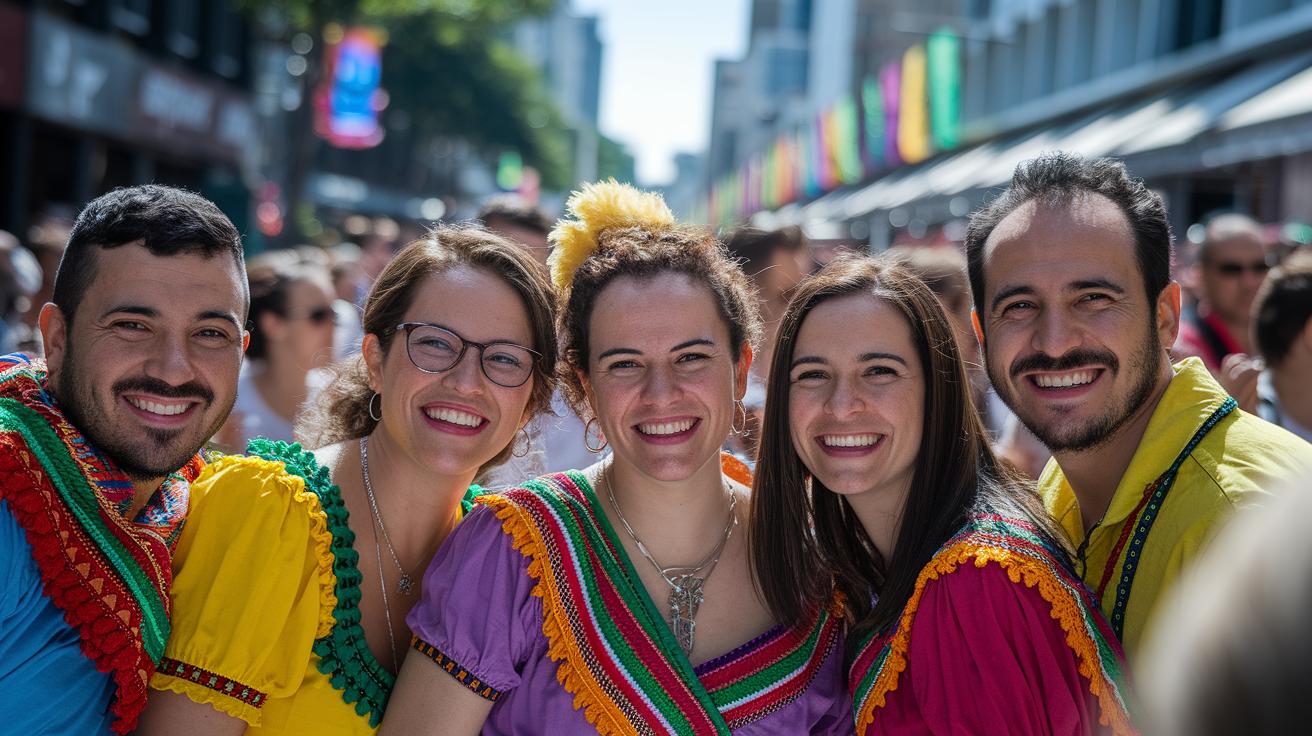
Ever thought about how different cultures coming together can create real harmony? Brazil is just that, a colorful blend of history and everyday life, like a party of traditions. With over 200 million people and a big shift towards city life, Brazil moves to the unique rhythms of four main groups: Brancos, Pardos, Pretos, and Indígenas. In this post, we’re diving into how each group adds its own special flavor to Brazil’s vibe, creating a modern society that feels both diverse and united.
Brazilian ethnic makeup Radiates Cultural Harmony
Brazil is home to over 200 million people as of 2023, and a staggering 84% call bustling urban areas their home. This fast-paced shift to city living has shaped how diverse communities interact, creating a lively, ever-changing landscape that's as colorful as it is dynamic. You can feel this blend of traditions in both the heart of busy city centers and the quieter corners of the country. Not only does this urban focus power a thriving economy, but it also stitches together numerous vibrant ways of life.
Take a closer look at Brazil’s people, and you'll find four key groups: Brancos (White Brazilians); Pardos (those with mixed racial backgrounds); Pretos (Afro-Brazilians); and Indígenas (Indigenous Brazilians). Each of these groups adds its own unique thread to the cultural tapestry, making Brazil’s identity deeply rich and wonderfully diverse.
| Ethnic Group | Percentage | Main Regions | Ancestral Origins |
|---|---|---|---|
| Branco | 47.73% | Santa Catarina, Rio Grande do Sul, Paraná, São Paulo | Portuguese, Italian, Spanish, German |
| Pardo | 43.13% | Southeastern and Northeastern urban centers | European, Native, African |
| Preto | 7.61% | Salvador, Bahia and other urban clusters | Descendants of African slaves |
| Indígena | 0.43% | Native reserves and rural areas | Indigenous heritage |
These numbers tell a warm story of cultural blending and peaceful coexistence that truly defines modern Brazil. European roots, mixed heritage, and African influences come together alongside the enduring traditions of Indigenous peoples to create a society bursting with color and character. This diversity touches everything, from the flavors in traditional dishes and the rhythms of local music, to the art and everyday conversations, fostering a sense of national pride that celebrates every difference.
Historical Evolution of Brazilian Ethnic Makeup
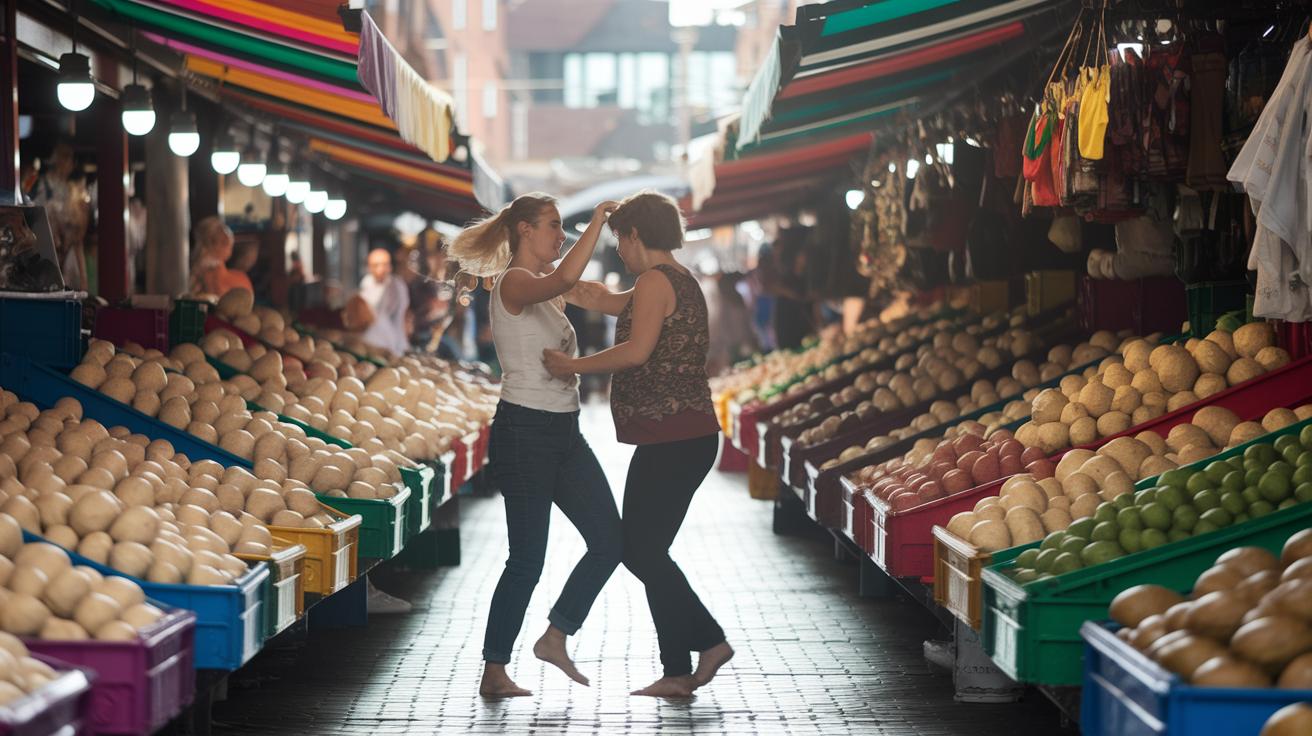
Back in 1500, when Portuguese explorers first set foot in Brazil, a new chapter began. The early days saw indigenous communities thriving with vibrant traditions in language, farming, and even naming places. You can almost imagine the bustling markets with manioc and cacao, their flavors merging European ambition with native wisdom.
Then, between the 16th and 19th centuries, Brazil saw a monumental shift. Around 4 million Africans arrived through the transatlantic slave trade, and their influence still pulses through Brazil today. From the soulful beats of music to irresistible culinary delights, their heritage became an essential part of Brazil’s cultural vibe. It's like a timeless rhythm that keeps the heart of the nation beating.
As the years rolled on, new waves of European immigrants, like Portuguese, Italian, Spanish, and German settlers, made Brazil their home during the 19th and 20th centuries. These newcomers mostly settled in the buzzing cities and southern parts of the country, adding their own unique touches to the mix. Imagine savoring a dish where every ingredient tells a story; each group contributed to a rich tapestry of traditions that continue to evolve.
In 1872, Brazil’s first census even recorded mixed identities such as caboclo and cafuzo, highlighting just how intertwined these cultures were. This blending of roots paved the way for a dynamic, multicultural identity that keeps growing with every new generation.
Regional Variations in Brazilian Ethnic Makeup
Brazil is a colorful mix of people, and each region shows off its own unique blend of ethnic backgrounds. Over time, waves of immigration and cultural mixing have shaped these local identities. In the busy cities of the Southeast and Northeast , where 84% of Brazil’s urban population lives , you can see this mix up close. Think of places like São Paulo, Rio de Janeiro, and Salvador, where different cultural influences come together to create one-of-a-kind communities.
| Region | Majority Ethnic Group | Approximate Percentage |
|---|---|---|
| Southeastern | Pardo | 50% |
| Northeastern | Preto | 55% |
| Southern | Branco | 60% |
| Northern | Pardo | 55% |
| Central-West | Pardo | 55% |
These different setups do more than show off cultural flair, they shape everyday life and local policies. In many metropolitan areas, the blend of diverse communities leads to creative ideas in education and public services that really address people’s needs. On the flip side, regions with a high number of Brancos tend to keep traditions that have been around for a long time. All in all, the varied regional makeup of Brazil is a beautiful reminder of the country’s rich heritage and the unique local customs that make it so special.
Mixed Ancestry and Pardo Identity in Brazilian Ethnic Makeup
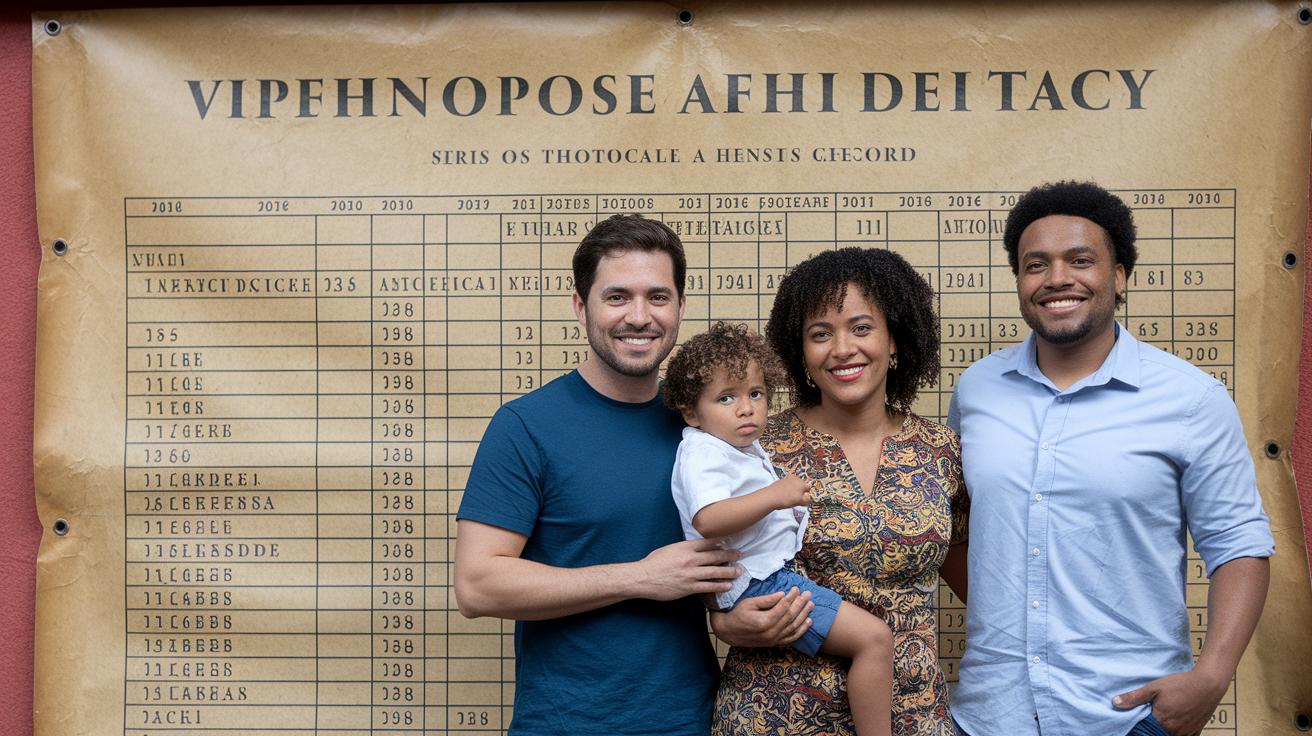
Brazil’s Pardo category, which represents about 43.13% of the population, has a long history that dates back to the very first census in 1872. Back then, people with mixed heritage, like mulatos, cafuzos, and caboclos, were grouped together under one label. It was a pioneering moment when mixed identities began to be officially recognized, even though the way we record these identities has changed a lot over time. Think of it like a conversation that started long ago and has only grown richer with each passing generation.
Recent genomic studies add a fascinating twist by showing that, on average, the Pardo community has about 37.1% European ancestry. Imagine looking at a family tree where every branch tells a story of different cultures coming together, that’s pretty much what these numbers illustrate. This scientific insight not only highlights the deep interconnection of Brazil’s cultural heritage but also challenges the old methods of racial classification, prompting us to think twice about how we define identity.
Today, more and more people are moving away from outdated labels and choosing to define themselves based on personal experience instead of bureaucratic categories. This new, vibrant way of looking at identity is sparking lively discussions across Brazilian society. As each generation rethinks what it means to belong, society is reminded that self-identification is as important now as the census records were back in the day.
Cultural Contributions Linked to Brazil’s Ethnic Makeup
In Bahia, Afro-Brazilian traditions burst with life. You hear the vibrant beats of Samba and feel the pulse of Capoeira echoing through the streets. The sounds carry a soulful energy, while local dishes like savory acarajé and rich moqueca fill the air with mouth-watering aromas. Imagine those rhythmic drumbeats at a bustling street festival blending perfectly with the sizzling smell of freshly fried acarajé.
Across Brazil’s cities, European influences are hard to miss. Beautiful baroque churches and quaint German-style Fachwerk homes in São Paulo tell the tale of old-world charm. These settlers also introduced favorite foods like pastel and pizza, now a regular part of everyday meals. Picture yourself in a cozy café where history meets modern vibes, all wrapped up in the inviting aroma of delicious cuisine.
The indigenous communities have given Brazil a precious culinary legacy. Staples such as manioc (a root used like a natural bread), açaí, and tapioca are more than just foods, they’re stories of centuries past. Remember that humble but satisfying texture of tapioca you enjoyed at a family meal? It’s a delightful echo of nature’s riches and traditions that have been lovingly preserved over time.
At events like Carnival, these diverse cultural threads weave together in a joyful celebration. African drumming, Portuguese masquerades, and the burst of flavors from all over Brazil come together to create a truly vibrant scene. It’s a mosaic of traditions that celebrates the art of living, every single day.
Trends and Future Projections of Brazilian Ethnic Makeup
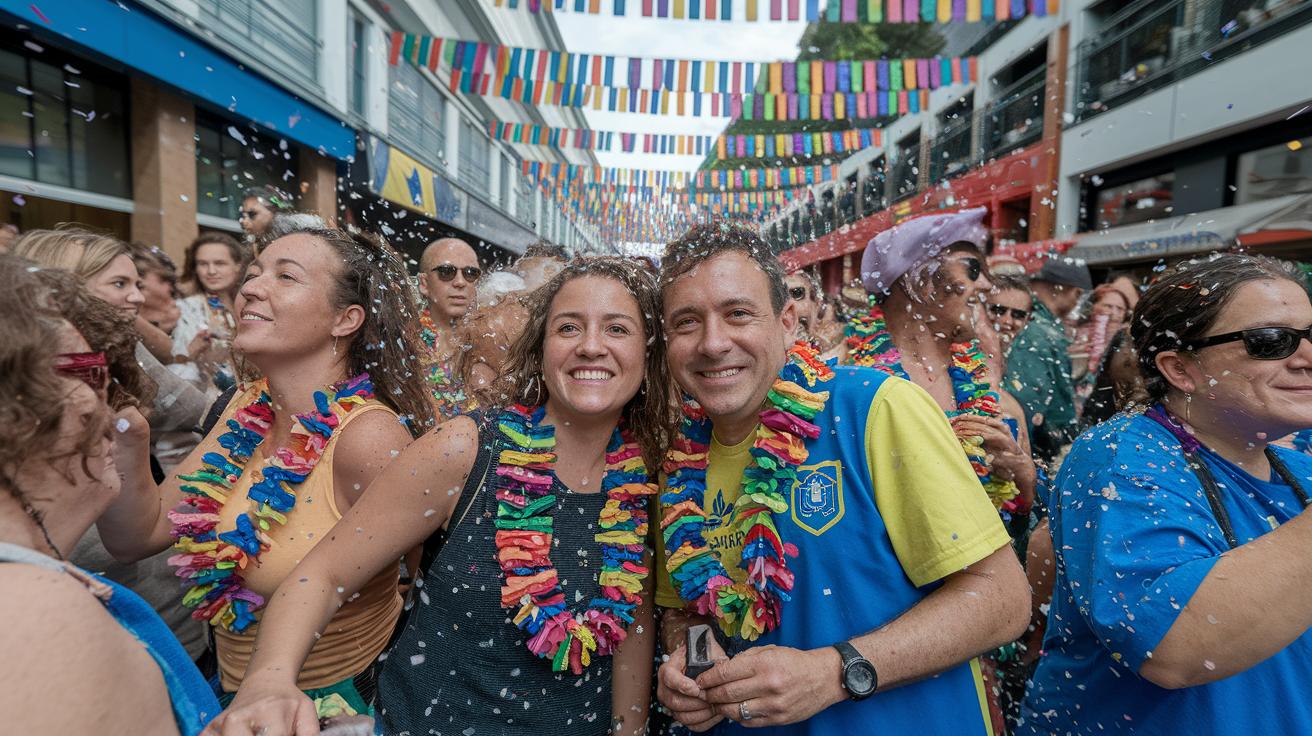
The latest census in 2022 has truly turned heads. For the first time in 150 years, Brazil now has a majority identified as mestizo, thanks to evolving views on identity and the impact of initiatives like affirmative action and Black activism. Researchers even noted 55 unique skin tones within 60 official categories! It’s like realizing every person paints their own vibrant picture, not always fitting the usual labels. Imagine a community gathering buzzing with conversations about the many shades of beauty around us.
With more people moving into cities and a new wave of naming identities, the face of Brazil is set to change even more. New policies and debates about census methods are sparking fresh thoughts about how we see race and heritage. Think of neighborhoods where traditional roots mingle with new ideas, creating diverse and lively communities that feel both historic and modern.
Final Words
In the action, the article painted a lively picture of Brazilian ethnic makeup, exploring its diverse history, regional flavors, and cultural contributions. Breaking down origins from colonial times to today, we saw how mixed ancestry helped form a multi-layered social identity.
Refreshing data and trends remind us that Brazil's vibrant society continues to evolve, sparking curiosity and pride. Every piece builds towards an elevated lifestyle experience infused with practical and inspiring insights. Keep feeling informed and uplifted, celebrating the beauty in diversity.
FAQ
What do ethnic groups in Brazil pie charts represent?
Ethnic groups in Brazil pie charts represent the major categories—White, Pardo, Black, and Indigenous—that together illustrate the nation’s diverse population mix and regional strengths.
What is Brazil’s white population percentage?
Brazil’s white population is about 47.73%, mainly concentrated in the southern regions, highlighting a strong European ancestry influence from settlers such as Portuguese, Italian, Spanish, and German descendants.
What is the percentage of the black population in Brazil?
The black population in Brazil, largely descended from African slaves, comprises around 7.61% of the total, with significant numbers found in areas like Salvador, Bahia.
Who are the Pardo Brazilians?
Pardo Brazilians, making up roughly 43.13% of the population, have mixed European, African, and Indigenous ancestry, reflecting the vibrant blend of cultures that shapes Brazil’s society.
What are the gender demographics in Brazil?
Gender demographics in Brazil show a fairly equal split between males and females, with census data reflecting balanced representation across the country’s urban and rural communities.
What do Brazil’s demographics include?
Brazil’s demographics include diverse groups like White, Pardo, Black, and Indigenous peoples, each contributing unique cultural and historical influences to the nation’s identity.
How many ethnic groups are in Brazil?
Brazil is categorized into several ethnic groups in census data, with the four major groups—White, Pardo, Black, and Indigenous—encompassing the broad range of its multicultural heritage.
What is the genetic makeup of Brazilians?
The genetic makeup of Brazilians is a blend that often features European, African, and Indigenous lineages; studies show that the Pardo group, for example, averages about 37.1% European ancestry.
What are Brazilians mixed with?
Brazilians are mixed with influences from European, African, and Indigenous backgrounds, a combination that enriches the country’s cultural and genetic diversity.
Are Brazilians white or Hispanic?
Brazilians are not classified strictly as white or Hispanic; they come from varied ethnic backgrounds, and while many have European roots, the term Hispanic usually refers to Spanish-speaking heritage, which differs from the distinct Brazilian identity.