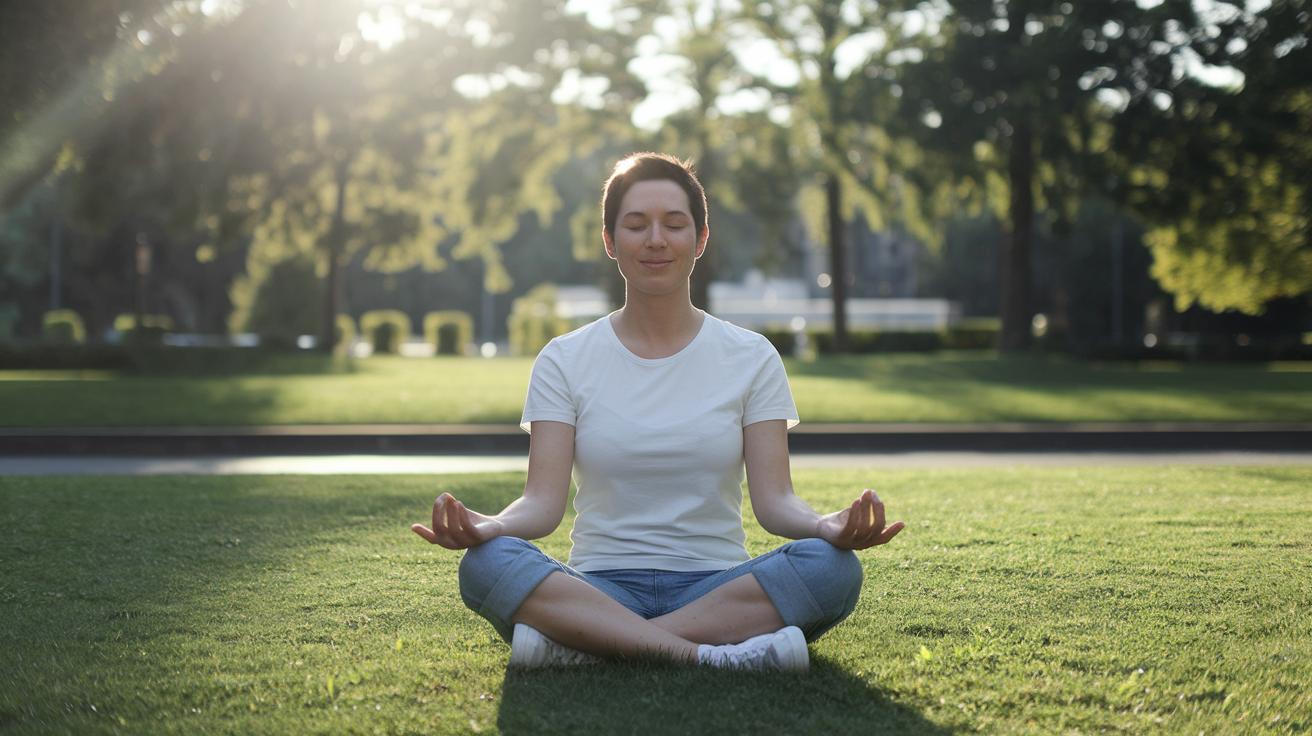
Ever notice how stress can catch you off guard? Imagine if you could quiet it down in just a few seconds. In this guide, we’re sharing some simple tricks, like taking slow, mindful breaths or gently relaxing your muscles, to help you find a moment of calm, even on your busiest days.
These quick fixes offer instant relief and a clearer mind, proving that you can find peace even when things get tough. So, why not turn that stress into a bit of serenity? Let’s explore these easy ways to regain control of your day.
Essential stress management tools for immediate relief
Stress is your body’s quick, natural response to sudden changes and pressures. When you feel overwhelmed, these easy tricks can help you calm down fast, so you don't get stuck in a cycle of tension that affects both your body and mind.
Try this 10-second pause: just take a deep breath and count to ten. It gives you a moment to collect yourself. Another cool trick is the 4-7-8 breathing method, breathe in for 4 seconds, hold for 7, and exhale for 8. This little routine works wonders for soothing your nerves.
Then there’s box breathing: imagine breathing in, holding your breath, exhaling, and holding again for 4 seconds each; it’s all about finding your balance. You can also try mini-progressive muscle relaxation, tighten each group of muscles briefly and then let go. It’s a simple way to ease built-up tension.
Another tip is memory anchoring. Think back to a peaceful moment that makes you smile, and it might just shift your focus away from the stress. And if you’re really in a pinch, splash your face with cold water. That quick shock can feel surprisingly refreshing.
These little actions are all about taking back control. Each technique interrupts stress and helps you reset, so you feel calmer and more centered throughout your day.
In-Depth Mindfulness and Breathing Practices for Sustainable Stress Relief

Imagine giving yourself a gentle hug with your breath. When you take slow, deep belly breaths, you help lower stress chemicals like cortisol, boost your heartbeat’s natural rhythm, and gently nudge that calming vagus nerve of yours (it’s like your body’s own chill-out switch). Focusing on these deep breaths lets you ease away the signs of tension while setting up a soothing beat for your emotions.
Even science is on board with this vibe. Research shows that mindful breathing can actually rewire your brain in little ways that help cut down on stress. Techniques like the 4-7-8 method, box breathing, and even progressive muscle relaxation are great tools to clear your mind and stabilize your mood. And if you ever need a little extra guidance, apps like Headspace or Insight Timer can walk you through these steps until they feel as natural as taking a breath.
-
4-7-8 Breathing Method
- Inhale quietly through your nose for 4 counts.
- Hold that breath for 7 counts.
- Exhale smoothly through your mouth for 8 counts.
- Repeat this cycle a few times until you feel calm.
-
Box Breathing
- Start by slowly inhaling through your nose for 4 counts.
- Hold your breath for 4 counts.
- Exhale steadily through your mouth for 4 counts.
- Pause for 4 counts before you go again.
-
Progressive Muscle Relaxation Sequence
- Find a quiet, comfy spot where you can sit or lie down.
- Take a deep breath and squeeze the muscles in your feet for about 5 seconds.
- As you exhale, let all the tension melt away.
- Move up to your calves and repeat that squeeze-and-release.
- Continue this process with your thighs, tummy, arms, and even your face.
- Keep your breathing calm and focused as you relax each muscle group.
Bringing these mindful practices into your daily routine can totally transform how you handle stress. Whether you carve out a few minutes in the morning or use these techniques to unwind before bed, making space for this calming ritual helps build inner strength and focus, empowering you to face each day with a brighter, more centered spirit.
Cognitive behavioral stress management tools
CBT helps you spot negative thought patterns and swap them for a healthier view. It’s really about catching those harsh self-talk moments and giving them a friendly shake-up. For example, if you find yourself spiraling into worry, grab a notebook and note what you’re feeling. Then, challenge that thought by writing down a more positive and realistic perspective.
Here are a few tools to try out:
- Journaling coping successes – jot down times when you managed stress well. It’s a great way to see just how far you’ve come.
- The Circle of Influence tool – list out what’s stressing you and split them into things you can change and things you can’t. Focusing on what you control can really brighten your outlook.
- Learning to say no – taking care of yourself is so important. Practice setting a boundary with a simple, “I’m not available right now.”
- Counseling options for stress – whether one-on-one or in a group, talking with a therapist can help you turn negative thoughts into positive actions.
Using these steps can gradually change how you deal with stress. Over time, keep a journal of your progress so you can look back and learn from your experiences. And if you ever feel stuck, don’t hesitate to seek help from a counselor. These tips not only help you manage stress in the moment but also build a strong foundation for long-term mental resilience.
Lifestyle stress management tools: exercise, nutrition, and sleep

Staying active is one of the simplest ways to keep stress at bay and boost your mood. A brisk walk, a bike ride, or even a little dance in your living room sparks your body to release happy endorphins that ease tension. It’s amazing how just a few minutes of movement can clear your mind and recharge your energy, helping you sleep better later on.
Eating well also plays a big role in keeping your mood steady. By cutting back on extra caffeine and sugar, and opting instead for fresh fruits, veggies, lean proteins, and whole grains, you give your body the vitamins and minerals it craves. These wholesome foods not only power up your day but also lift your spirits, making your self-care routine even more effective.
Getting enough sleep is just as important as exercise and a balanced diet. When you stick to a regular sleep schedule, with set times to wind down and rise, a soothing routine like reading, deep breathing, or listening to soft music helps signal your body to relax. Over time, these habits clear your mind and build a calm, focused energy to face each day.
Digital stress management tools: apps and online resources
Digital tools for managing stress have truly changed the game in our busy lives. Today, apps like HeadSpace and Insight Timer let you dive into guided meditation sessions right from your phone. They come with cool features like breathing timers, progress tracking, and mood checks, making it super easy to start a mini relaxation session wherever you are.
Research shows that these tech-assisted methods really work. You can even grab downloadable relaxation worksheets and stress relief PDFs that guide you in creating your own personalized calm plan. Integrating these handy apps into your routine can help you breeze through overwhelming moments, offering a quick reset just when you need it most.
Overall, these modern apps for tension relief are built to fit perfectly with our fast-paced lives. They mix science-backed techniques with a touch of everyday magic to help you keep your balance and stay serene, even when life feels a bit too overwhelming.
Stress management tools for work and academic settings

Sometimes work or school can feel overwhelming with endless deadlines and demanding tasks. When things get hectic, using simple tricks can help you refocus and keep a sense of balance. One neat trick is the Eisenhower Matrix (a tool that helps you sort tasks by how urgent and important they are). This way, you can handle the must-do projects first and save the less pressing ones for later. And don’t forget, it’s totally okay to say “no” when your schedule is full, setting small boundaries can really change your day.
- Eisenhower Matrix: Break your tasks into groups by urgency and importance.
- Practice saying no: Set limits so you don’t bite off more than you can chew.
- Schedule micro-breaks: Tiny pauses during the day let you recharge and ease your mind.
- Group breathing or stretching sessions: A quick team break can lift everyone’s spirits and loosen any tightness.
- Peer support circles: Chatting with colleagues or classmates can create a warm space to share and ease stress.
Structured relief programs also work wonders in easing stress, whether you’re at work or in school. Many offices now have regular team check-ins and planned breaks that help build a caring culture. On campus, schools are starting to encourage students to take short breaks, join group activities, or find a quiet corner during long study days. Adding these simple routines to your day can boost your productivity while building a supportive environment where stress is handled together.
Long‐term stress management tools for resilience
Feeling stressed can really weigh you down, but building your own stress relief toolkit can make a huge difference. Picture mixing creative activities, mindful habits, and a few simple daily routines to help lower your anxiety while building emotional strength over time. Over time, this dedicated routine can help you enjoy the calm benefits of a peaceful mind.
For example, try reflective journaling, write down your thoughts and feelings after a challenging day and see how much you learn about yourself. You could also tap into art or music therapy, whether it’s sketching your moods, painting your emotions, or playing your favorite instrument, these creative outlets can really help express what’s on your mind.
Here are some practical tips:
- Nature-based relaxation: Think about taking a quiet walk in a park or simply sitting under a tree enjoying the fresh air.
- Yoga sessions: Enjoy some gentle stretches and poses that ease tension and help clear your mind.
- Holistic goal setting: Set small, achievable goals for your self-care and personal growth every day.
- Personalized toolkits: Mix and match these methods to create a routine that fits your lifestyle perfectly, especially during tough times.
When you add these resilience-building practices into your daily life, managing stress starts to feel a lot more balanced. By blending creative expression, physical movement, and mindful reflection, even the most overwhelming moments become easier to face. Stick with these habits, and you'll find that over time, they not only reduce anxiety but also transform the way you handle life’s challenges.
Final Words
In the action of using practical tools for stress management, you’ve seen quick techniques like the 10-second pause and 4-7-8 breathing, smart digital guides, and lifestyle tweaks for a calmer day. Each tip builds on the next, offering hands-on ideas for real relief.
Every step supports a more confident, relaxed vibe and invites you to live with a sense of ease. Enjoy putting these simple, effective ideas into practice and feeling the difference.
FAQ
What are some effective psychological tools and techniques for stress management?
The psychological tools include a brief pause, deep breathing like the 4-7-8 method, muscle relaxation, memory anchoring, and a cold splash. These quick tactics help reset your focus fast.
What are 10 ways to cope with stress?
Ten ways to cope with stress include physical activity, mindfulness, deep breathing, muscle relaxation, a quick pause, journaling, self-care routines, digital meditation apps, social support, and proper sleep habits.
How can I manage and relieve stress quickly in daily life?
Quick relief comes from a 10-second pause, controlled breathing techniques, mini muscle relaxation, and even a cold-water splash, all of which help calm your body and refocus your mind.
What stress management resources are available for students?
Students can benefit from mindfulness apps, group relaxation sessions, planned study breaks, and campus programs designed to ease academic pressure and keep stress at bay.
How can a woman relieve stress effectively?
Women might use tailored strategies like mindful breathing, short self-care breaks, guided relaxation exercises, and supportive digital tools to restore calm and balance in a busy day.
What are the 5 C’s of stress management?
The 5 C’s focus on clarity, control, connection, confidence, and calm. This framework helps shift your mindset towards relaxation and improved focus when stress arises.
What are the 5 A’s of stress management?
The 5 A’s typically involve awareness, assessment, adjustment, action, and affirmation, offering a step-by-step guide to recognize and regulate your stress responses effectively.