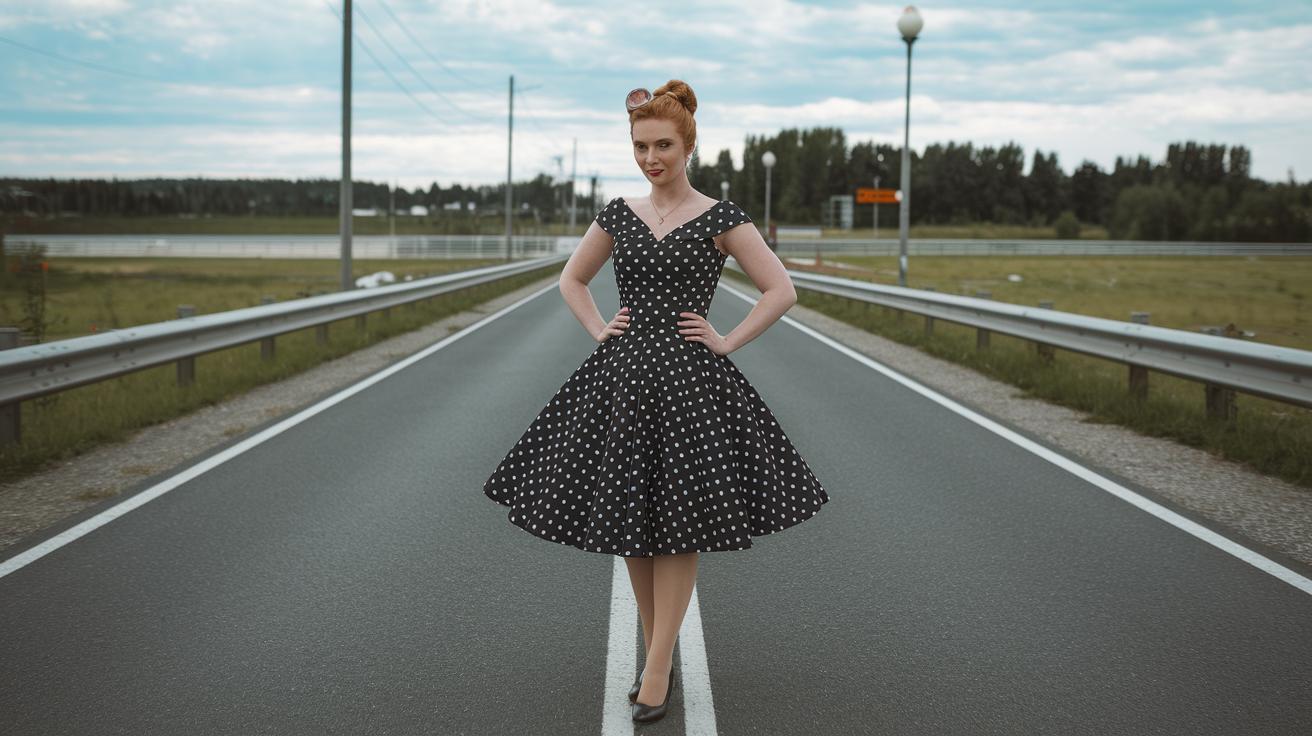
Have you ever noticed how a fun skirt can change your whole day? The lively vibe of the 1950s gave us full skirts and neat lines that still delight us today. Fresh from a time of rebuilding, people mixed twirling dresses with sleek, modern looks, thanks to style icons like Dior and Chanel who brought hope and fresh beginnings into every design. In this piece, we explore how 1950s fashion keeps its timeless retro charm while lighting up modern style.
1950s Fashion Overview: Historical Context and Signature Trends
1950s fashion is all about timeless vintage style that still pops up in our closets today. This cool era, roughly from 1947 to 1957, kicked off with Christian Dior’s “New Look” in February 1947. Picture this: a dress made from six yards of fabric swirling around, celebrating full skirts and snatched waists, a fresh breeze of change after tough wartime days.
Once wartime rationing ended, fabric was finally in abundance, and designers went wild with voluminous dresses that exuded optimism. In postwar Paris, couture bounced back in a big way. Dior’s love for the classic hourglass shape meshed perfectly with Chanel’s move toward a sleeker, straighter look in the early '50s, giving us styles that were playful yet sophisticated.
And then there was the boom of the suburban middle class, more money, more clothes, and even TV brought fashion right into our living rooms. Iconic moments like Queen Elizabeth II’s coronation gown by Norman Hartnell in 1953 and Grace Kelly’s Monte Carlo wedding dress by Helen Rose in 1956 remind us just how powerful midcentury fashion was and why it still captures our imagination today.
Women’s Silhouettes in 1950s Fashion: From Poodle Skirts to A-Line Dresses
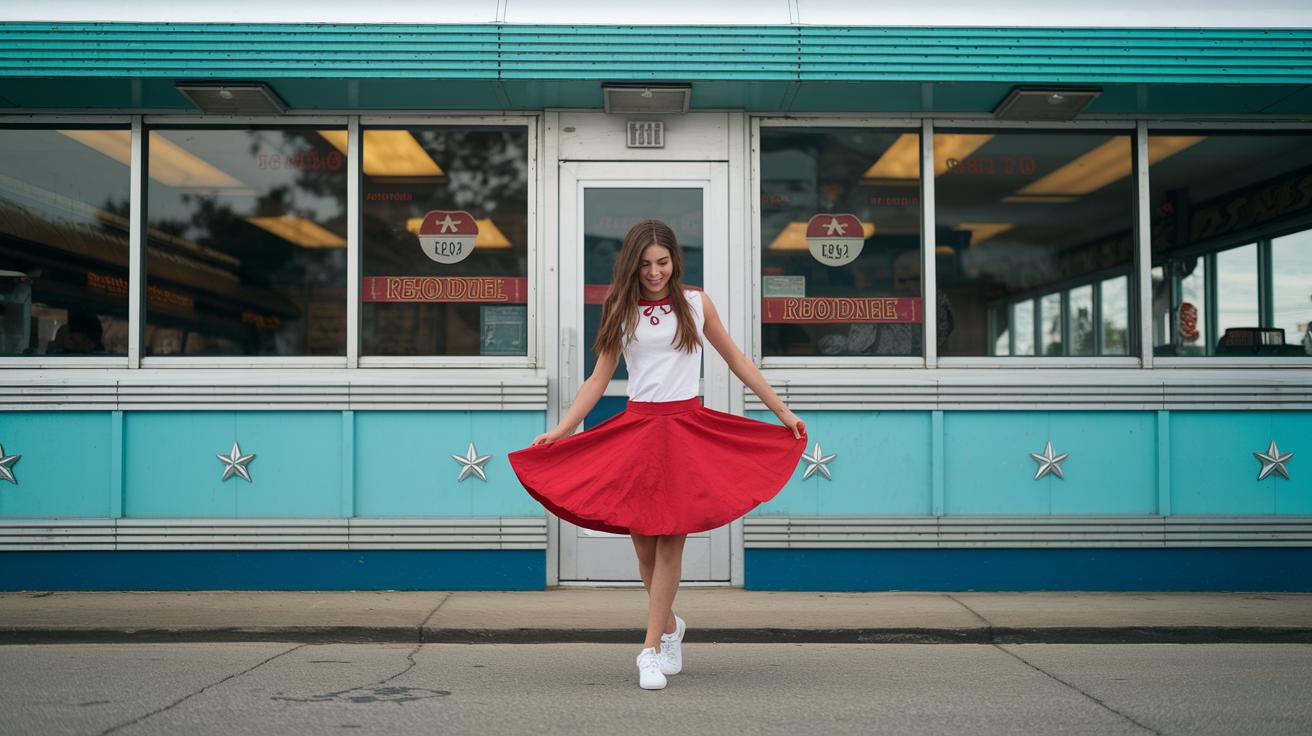
Back in the 1950s, women’s style took a bold leap forward. Thanks to Dior’s "New Look," full, twirling tea-length skirts, often made from six or more yards of fabric, became a huge hit, especially among teens. And let’s not forget the poodle skirts, which mixed a playful vibe with a touch of polish. Imagine a young girl spinning around in her skirt, combining fun with a dash of sophistication.
Soon after 1953, the A-line dress began to shine as a sleek, modern alternative. Influenced by trailblazers like Dior and Yves Saint Laurent, these dresses featured smooth lines that highlighted the natural shape of the body. Designers experimented with cinched waists, using built-in corsetry or detachable belts, to effortlessly sculpt an hourglass look. Soft shoulders, delicate lace overlays, and gentle pastel colors added a whisper of romance. Picture a charming afternoon where a woman pairs a swing skirt with a crisp blouse, looking both relaxed and refined.
There was also a creative mix of bold colors and subtle textures that brought these silhouettes to life. By blending vibrant shades with soft neutrals, designers created depth and highlighted curves in a way that felt refreshingly modern while still paying homage to classic charm. It’s a reminder that the allure of great style, full of character and creativity, remains timeless.
Men’s 1950s Fashion: Tailored Suits and Sharp Blazers
The 1950s brought a fresh take on men’s style that still influences us today. Think of slim, three-piece suits with single-breasted jackets, padded shoulders, and narrow lapels that exude confidence in a quiet, stylish way. Picture a man ready for a night out, donning a velvet-collar dinner jacket and carrying a silver-tipped cane, each detail a little wink to dapper tradition.
For daytime, sport coats in patterns like houndstooth or glen plaid paired with crisp button-down shirts offered a cool mix of ease and elegance. Early denim appeared with cuffed jeans becoming a hit among the greaser crowd, while varsity jackets and bowling shirts added a fun, youthful charm. It’s like a perfect blend of sharp tailoring and relaxed style that still inspires today’s looks.
In essence, the ‘50s showed us how balanced style, smart formal wear mixed with a hint of casual flair, can stand the test of time. Whether you’re into classic blazers for evening classiness or the laid-back vibe of sport coats, this era continues to spark ideas for a timeless yet refreshingly modern look.
Iconic 1950s Accessories: Hats, Gloves, Jewelry and Scarves
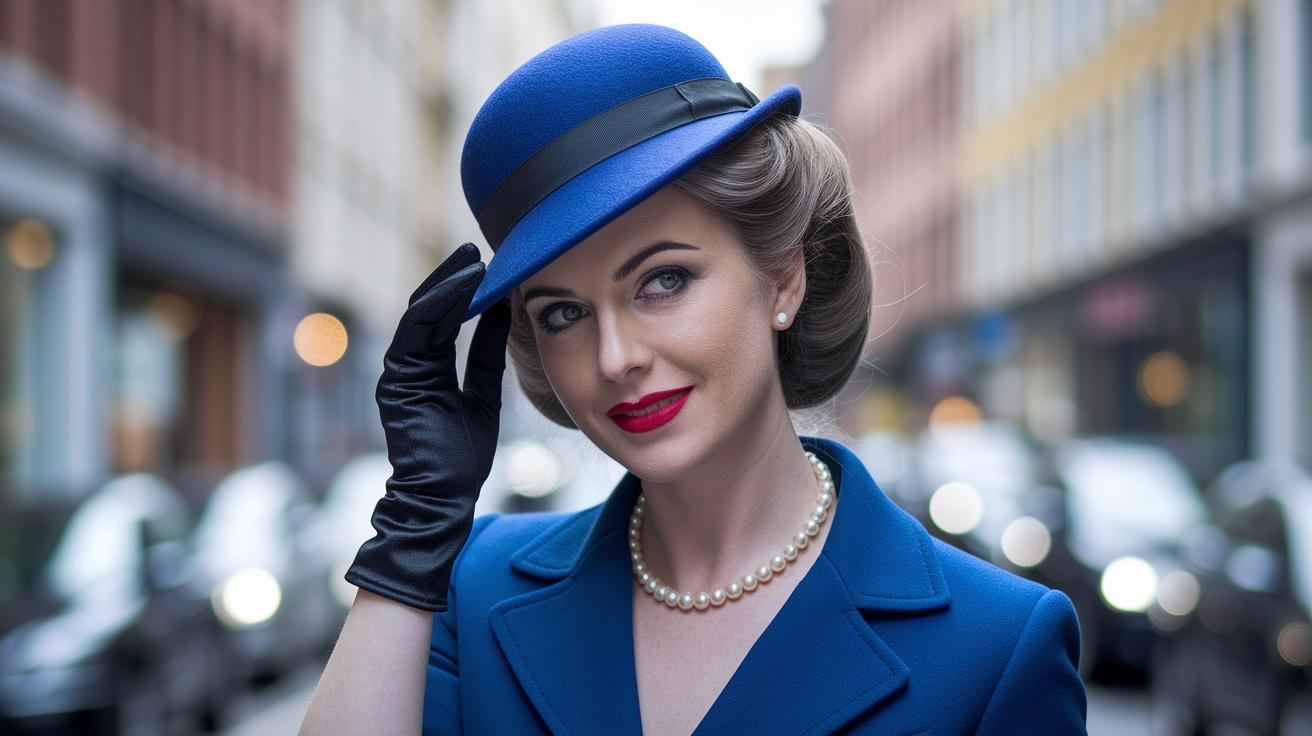
Accessories in the 1950s were more than just extras, they were the finishing touches that brought every outfit to life. Imagine pillbox hats, wide-brimmed sailor styles, and trendy lima hats paired with smart, tailored coats for a look that felt effortlessly chic. And let’s not forget the gloves, whether it was a petite pair of suede gloves or a dramatic, opera-length style, these pieces made every ensemble feel like a scene from a classic film.
Pearl jewelry was another big statement. A single strand or a layered necklace, along with those adorable clip-on earrings, wasn’t just about decoration. They were signals of taste, tiny details that told a story of refined elegance and an eye for the finer things in life. Honestly, who wouldn’t want to add that whisper of sophistication to their look?
Printed silk scarves, on the other hand, brought a burst of color to classic styles. Tucked around the neck, woven into a hairstyle, or even wrapped around a handbag, these scarves added a playful pop of pattern. They turned simple outfits into canvases of creativity, reminding us that sometimes a dash of vibrant style is all we need.
All in all, these accessories were not merely add-ons. They were the secret ingredients that transformed everyday attire into memorable, high-style statements, pieces that continue to inspire modern twists on vintage glamour.
Subculture Styles: Pinup and Rockabilly Vibes in 1950s Fashion
The 1950s brought a playful, bold style that turned every outfit into a statement. Picture a classic pinup like Bettie Page rocking a cinched waist, a sweetheart neckline, and bright red lips that popped like a flash of confidence. Imagine a woman stepping out in a dress that hugs every curve perfectly, drawing attention with a subtle wink of mischief. It wasn’t just about the clothes, it was a way to show off a fierce personality.
Rockabilly, on the other hand, broke the rules with a splash of rebellious energy. Think of cotton circle skirts paired with gingham tops or a cool black leather jacket that spoke of rock-and-roll spirit. Inspired by icons like Elvis Presley and James Dean, this look mixed casual comfort with a hint of wild attitude. Guys switched over to bomber jackets and cuffed jeans, stepping away from formal wear, while women blended edgy leather with playful polka dots to create a look that was totally their own.
Even more exciting was the mix of gender styles. Young folks embraced bowling shirts, saddle shoes, and quirky sock combos to express their individuality. This creative blend of daring pinup charm with raw rockabilly energy sparked a vibrant trend that still influences fashion today. It’s all about that effortless blend of feminine allure and rock-and-roll swagger, a look that whispers rebellion and winks at tradition.
Silver Screen Style: Hollywood Icons and Cinema Couture of the 1950s
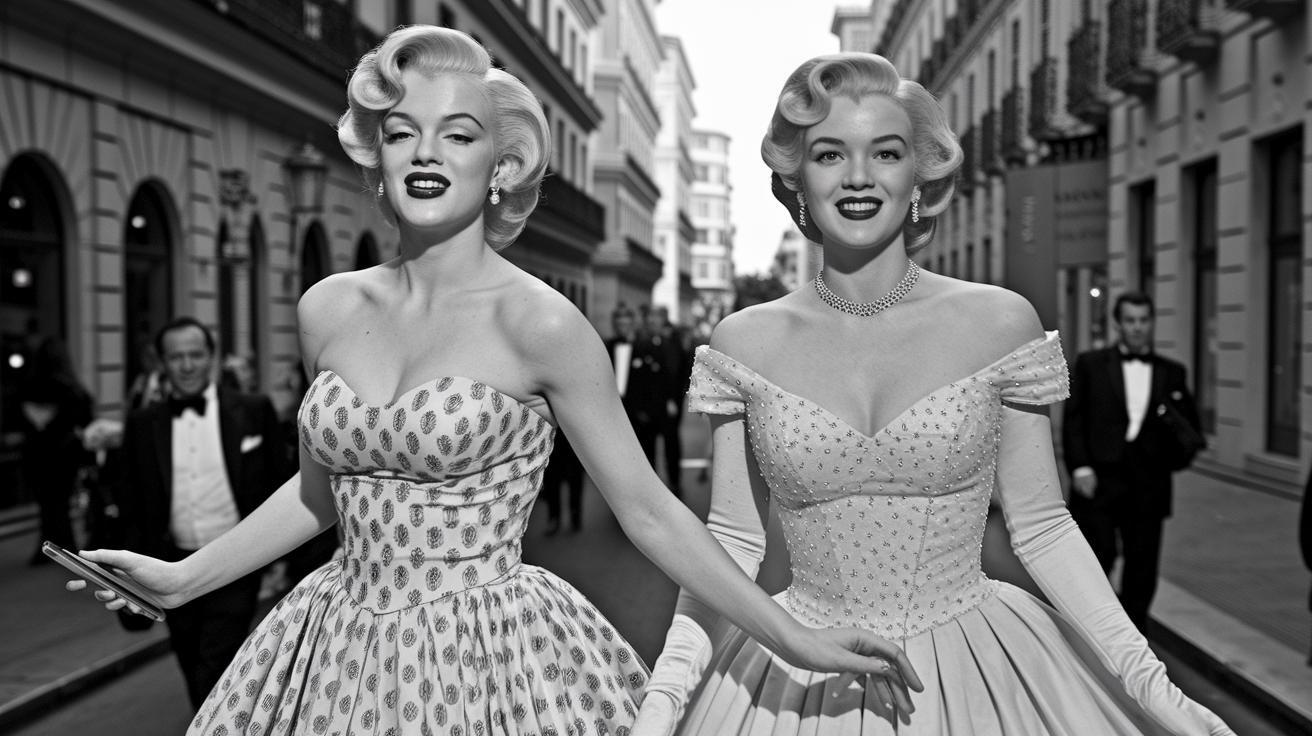
Film icons redefined style back in the '50s, sparking trends that still feel fresh today. Marilyn Monroe’s strapless gowns, with their soft drape and glow, captivated millions. Grace Kelly, with her elegant silhouettes, set a simple yet global standard for chic sophistication. Even on-screen weddings, think of that unforgettable Monte Carlo royal celebration, became style guides for designers and everyday fashion lovers alike.
Audrey Hepburn in Roman Holiday (1953) rocked a minimalist look that felt both light and modern. Her clean, refined style proved that less can be more when it comes to making a statement. Then there was Dorothy Dandridge, whose bright Technicolor gowns burst with energy and intricate details. And who could ignore Elvis Presley? With his smart tailoring and stage-ready flair, he showed us how to blend class and a bit of theatrical showmanship.
Each movie star left us with a unique style blueprint filled with glamour, innovation, and genuine charm. Their memorable on-screen looks continue to inspire generations, merging old Hollywood magic with today’s fresh design vibes.
Even now, silver screen style remains a timeless source of inspiration. It links the elegant glamour of the past with modern trends, continuously breathing life into new collections and ideas.
Midcentury Couture and Designers: Dior, Balenciaga and Postwar Legends
Christian Dior changed everything after World War II with his famous New Look. Imagine how he transformed fabric into a canvas of movement and grace, skirt after skirt, he brought elegance back to life. And he wasn’t alone; designers like Pierre Balmain and Jacques Fath also crafted luxurious yet wearable evening ensembles that made everyone feel special.
Cristóbal Balenciaga took tailoring to a whole new level with his clean, sculptural lines. His work is a bit like art made to wear, a sharply tailored blazer that feels modern and fluid all at once. It’s no wonder his style still inspires designers today.
Over in America, visionaries like Claire McCardell and Bonnie Cashin broke away from old trends by introducing ready-to-wear sportswear. Their relaxed, polished pieces made chic style accessible to a wider crowd. At the same time, exciting advances in fabric, think nylon blends and synthetic satins, opened up fresh possibilities, pushing both high fashion and early prêt-à-porter to new heights.
Final Words
In the action, we explored the dynamic world of 1950s fashion, from the iconic full skirts and tailored men’s suits to playful poodle skirts and glamorous cinema styles. We ventured into the details of accessories and even touched on rebellious subculture vibes that still echo today. This refreshing blend of historic charm with modern appeal invites us to see classic vintage style as both practical inspiration and a celebration of timeless design. Embrace this spirited era with confidence, knowing you can mix nostalgic glamour with your own signature flair.
FAQ
What defined 1950s fashion for men and boys?
Men’s and boys’ fashion in the 1950s focused on tailored suits, structured blazers, and smart casual wear, reflecting a clean, refined look that captured the era’s optimism.
What defined 1950s fashion for women, including Black women?
Women’s fashion featured full skirts, cinched waists, poodle skirts, and tasteful accessories. Black women embraced these trends with unique flair, mixing classic elegance with cultural vibrancy.
What did 1950s fashion trends include?
Trends from the 1950s featured hourglass silhouettes, bold prints, rockabilly influences, and refined accessories, all captured in striking vintage photos and innovative design breakthroughs.
What was popular fashion in the 1950s?
Popular fashion revolved around Dior’s innovative “New Look,” with dramatic skirts, nipped waists, and smart tailoring that showcased postwar optimism and an unmistakably stylish vibe.
What do you wear to a 1950’s party?
To capture an authentic ’50s vibe, opt for a swing skirt or tailored dress with classic gloves or a hat for women and a smart suit or neat casual wear for men, complete with vintage accessories.
What was the biggest fad of the 1950s?
The poodle skirt craze stands as the biggest fad, symbolizing youthful freedom and playful style that still inspires nostalgic, party-ready fun today.
How did hair and accessories complete the 1950s look?
Polished updos, soft curls, and iconic accessories like pillbox hats, gloves, and scarves perfectly finished off the sophisticated 1950s ensemble with a touch of star quality.