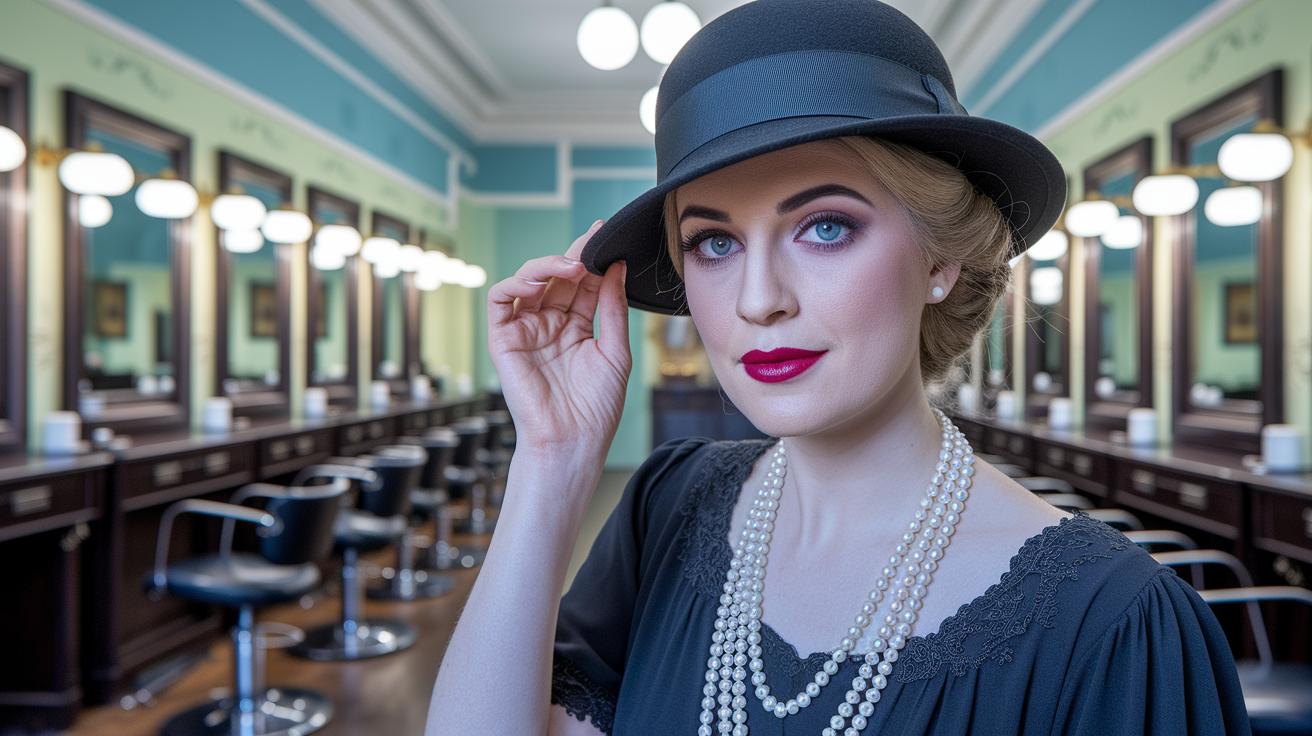
Have you ever wondered why back then, less makeup meant more beauty? Picture a soft, porcelain glow gently kissing the skin. In the 1910s, women used just a touch of light powder and cream, almost like sprinkling a bit of sugar on your favorite dessert, to let their natural charm shine through. This simple, thoughtful style still captivates us today, reminding us that sometimes a little goes a long way in feeling truly radiant.
Key 1910s Makeup Styles and Application Methods
In the 1910s, beauty was all about a soft, porcelain glow achieved with light powders and creams. Women back then chose to enhance their natural beauty rather than go for bold eye or lip colors. It was less about heavy makeup and more about a gentle, refined look, imagine a subtle shimmer of light that brings out your natural radiance without overwhelming it.
Beauty routines of that era were simple but smart. They used products like light powders, creamy bases, and a touch of gentle shading to define their features ever so softly. Instead of the modern brushes we have today, makeup was applied by hand. Picture dusting a little powder on your fingertip, like sprinkling a tiny bit of sugar on your favorite dessert, to create a look that feels naturally blended and understated.
Cultural values at the time also shaped these beauty habits. Society favored a modest and refined appearance, so women embraced a do-it-yourself approach to makeup. Their focus on subtlety wasn’t just a trend, it was a reflection of the era’s ideals of femininity and grace. It’s all about celebrating a soft, authentic beauty that still feels fresh and inviting today.
Iconic Vintage Cosmetics from the 1910s: Products and Innovations
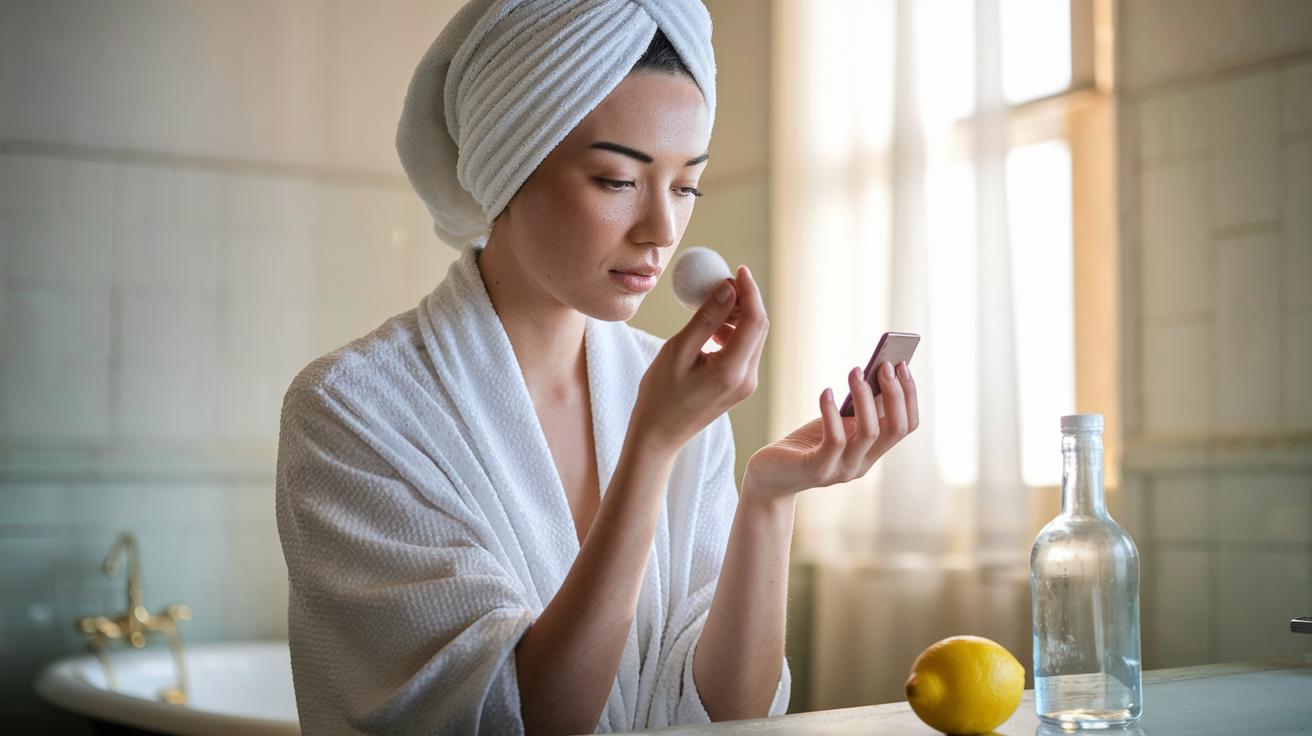
Back in the 1910s, beauty took a fun turn by mixing simplicity with fresh ideas. Women chased that classic porcelain glow, using loose powders and creams to keep their look soft and pale. Sometimes, a splash of lemon juice acted as a natural face tonic, keeping everything neat. Lip rouge came in adorable little pots with gentle shades that perfectly matched the era’s understated vibe. And remember 1914? Max Factor rocked the beauty scene with pancake makeup and commercial eye shadow, helping silent film stars shine under stage lights. There’s even talk of a metal lipstick tube making its debut in 1915, but that story is still up for debate.
| Product | Introduction Year | Application Method |
|---|---|---|
| Loose Face Powder | 1905 | Hand-applied with puff |
| Lip Rouge Pots | 1900–1918 | Finger dot-and-blend |
| Pancake Makeup | 1914 | Cream-to-powder with sponge |
| Commercial Eye Shadow | 1914 | Pat on with fingertip |
Beauty trailblazers of the time weren’t afraid to experiment with traditional ingredients, turning them into products that were both practical and chic. Their approach was all about enhancing natural features with gentle techniques, without overwhelming the face. These early innovations not only met everyday beauty needs but also laid the foundation for our modern, minimalist makeup styles. Every breakthrough highlighted a warm understanding of balancing functionality with elegance, a legacy that continues to inspire today’s beauty trends.
Edwardian-Era Makeup Influence on 1910s Beauty Standards
The Gibson Girl ideal was all about delicate, graceful beauty. Women adored soft, smooth skin and gently styled hair, aiming for a natural glow instead of bold, heavy makeup. It was a look that spoke of understated charm and elegance.
Back then, natural beauty was in style. A face that looked too made-up was seen as overdone, so women chose subtle enhancements that let their real features shine through. It was all about looking fresh and youthful without hiding who they were.
Many women got creative at home by mixing their own dyes from local pharmacies. This DIY approach let them play with different shades to find the perfect, personalized touch. They carefully crafted small batches, making sure every color blended beautifully with their overall look.
Things began to change in 1909 when Selfridge’s in London opened the first cosmetics counters. This marked an exciting shift as makeup became more accessible. Women could now explore and learn about products in a friendly, public setting, setting the stage for the makeup routines we know today.
Eye Enhancement Techniques of the 1910s: From Kohl to Early Eyeshadows
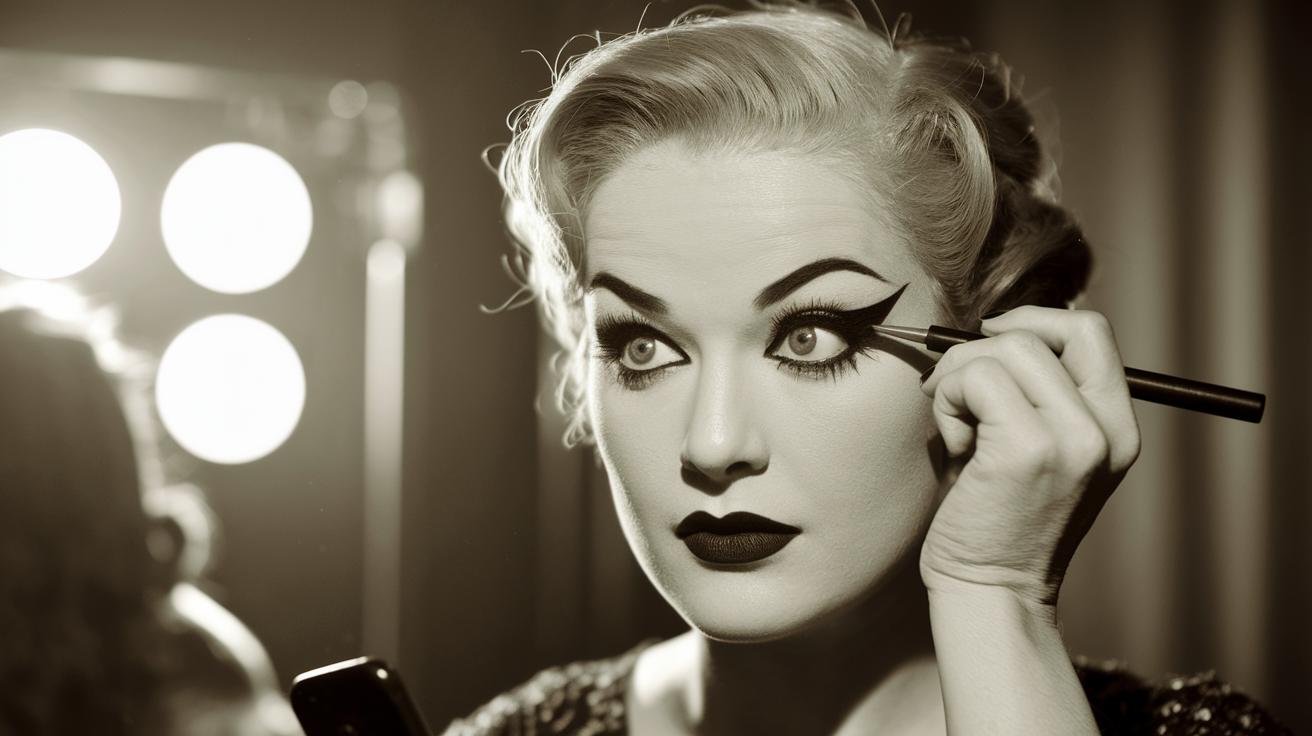
Early silent-film stars loved a bold kohl-lined look. They would use kohl to create striking contrasts that made their eyes really pop under harsh film lights. This neat trick not only lifted their on-screen expressions but also paid tribute to the dramatic, stage-style makeup of their day. Imagine an actress carefully tracing a dark line around her eyes, adding just the right drama without stealing the show from her natural beauty.
Stage pancake makeup soon became a go-to technique for defining eyes under bright stage lighting. Ladies mixed a cream-to-powder formula that offered a smooth, even finish, perfect for those intense performance settings. This clever method helped them achieve a refined look that met the high visual demands of early cinema, capturing the innovative spirit of 1910s vintage cosmetics.
Then came hand-blended cream shadows and liners, marking a move from heavy, blunt styles to a softer and layered effect. Makeup lovers combined these products with care, creating subtle definitions long before pressed powders stepped in. This gentle, nuanced approach really captured the charm of that era’s makeup techniques.
makeup 1910s: Iconic Charm Returns
Start by refreshing your skin with a splash of lemon juice. This simple trick, loved by 1910s women, not only brightened their faces but also provided a little antiseptic care. It’s like a cool, zesty burst on a sunny day that wakes you right up, perfect for a quick pick-me-up before modern products were around.
Next, for a flawless look, gently dust loose face powder on your skin using your hands. This method let each woman decide just how sheer or full her coverage should be, creating a soft, almost dreamy finish. Imagine a light, silk-like veil that adds a touch of magic to your glow.
For a hint of color, lightly sweep some blush over your cheekbones. Instead of masking your natural beauty, this subtle shading highlighted your features and gave you a balanced look. Think of it as a whisper of color that gently shapes your contours without stealing the show.
Finish the look with a touch of lip rouge, softly blended with your fingertip. Back in the day, this final step was all about enhancing the lips' natural charm, a delicate tint that adds just the right amount of pop.
makeup 1910s: Iconic Charm Returns
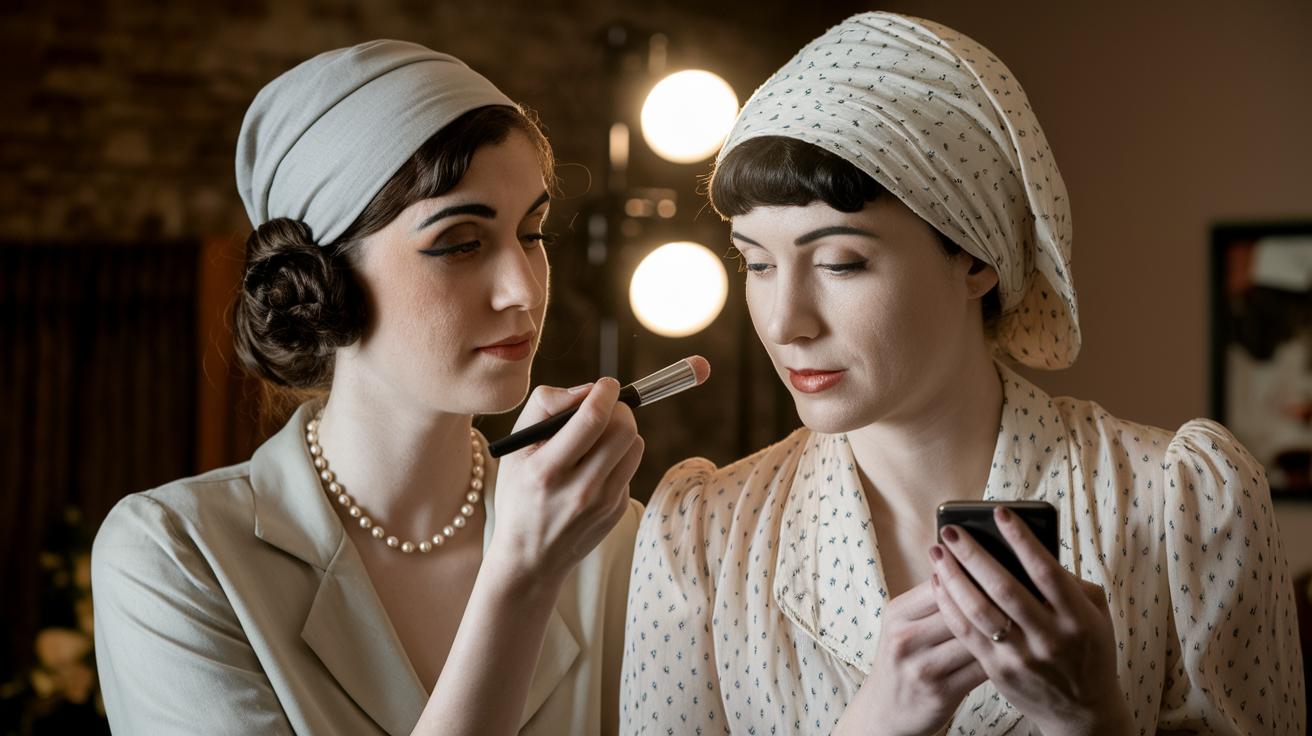
Women in the 1910s loved keeping beauty simple and got creative with homemade tricks. They often turned to natural treats like mashed pear pulp for a smoother look. Today, you can mimic that tender care with a light moisturizer or a diluted milk wash. For instance, mix a little water with your favorite moisturizer and enjoy a refreshing, home-spun glow.
Back then, achieving a classic porcelain look meant dusting on a fine layer of powder to create a soft, airy finish. Now, brides and beauty lovers reach for luminous primers with a hint of mineral powder to capture that radiant vibe. Just spread on a luminous primer that softly reflects light, blending modern style with a touch of nostalgia.
Subtle blush and gentle shading were once achieved using natural pigments from berry juices to add a hint of color. Today’s makeup artists use tinted balms that hydrate while giving your lips a nod to that classic method. Try a tinted lip balm for a look that’s light, nourishing, and naturally charming.
Final Words
In the action, we explored distinctive techniques from the early decadelight of beauty. The blog post walked through porcelain-like finishes, subtle contouring, and hand-applied methods that defined the makeup 1910s style. We saw how vintage products like loose face powders and lip rouge laid a foundation for today’s minimalistic trends. The old-school elegance still inspires modern creations. It’s a reminder that classic beauty methods bring a timeless, understated charm to everyday style.
FAQ
Frequently Asked Questions
What characterized makeup fashion and trends in the 1910s?
The makeup trends in the 1910s featured a porcelain finish created with loose powders and creams, subtle contouring, and understated eye and lip colors to enhance natural beauty in a refined way.
What were the foundation makeup methods used in the 1910s?
The foundation makeup in the 1910s used light powders and creams applied by hand to create a pale, porcelain look, with gentle shading to softly define features without heavy color.
How did Edwardian makeup and beauty standards shape the 1910s look?
Edwardian makeup set a tone of natural elegance, emphasizing very pale skin and refined features. This influenced 1910s beauty by promoting subtle, hand-applied techniques over bold, heavy cosmetics.
How does 1900s makeup differ from 1910s makeup?
While 1900s makeup used simpler techniques with basic powders, 1910s makeup evolved with specialized products like pancake makeup and early eye shadows, resulting in a more polished, delicate finish.
How to recreate a classic 1920s makeup look?
Recreating a 1920s look begins with a smooth, porcelain base, followed by soft contouring, lightly defined eyes, and gentle lip hues that echo the understated, refined makeup styles of the early decades.
What does a 1910 makeup tutorial involve?
A 1910 makeup tutorial involves prepping the skin with a light cream, applying loose face powder by hand for a pale finish, gently contouring cheeks, and dabbing lip rouge to achieve a soft, classic look.