
Have you ever noticed how a quick pause can turn your day around? Taking time for yourself isn’t just a treat, it shows you value who you are. A few deep breaths or a brisk walk can bring a sense of calm and new strength into your bustling life. Today might be the perfect day to try some simple self-care habits that not only boost your mood but also build your resilience. Let’s explore how these small practices can help you feel more empowered and truly in control.
take care of yourself: Feel Empowered Today
Self-care is all about giving your mind, body, and heart a little love. It’s the intentional act of pausing during a busy day, taking a few deep breaths, and feeling centered again. Ever notice how one quiet moment can flip your whole day? By making time for yourself, you're not only keeping burnout at bay but also building a stronger, more resilient you.
Great self-care usually stands on three simple ideas, eating well, easing stress, and staying active. Imagine nibbling on a crisp, fresh salad with a cool glass of water and then wrapping it up with a gentle walk or some light stretching. These small rituals clear out those anxious thoughts and open up space for a burst of positivity. Even simple acts like mindful breathing or a quick move can really shift your energy and overall well-being.
And if you ever feel like you need a bit more support, there are friendly experts ready to help through remote integrative health consultations. Just give a quick call to 216-285-4070, and you'll be connected with caring professionals who can guide you through acupressure (that's a gentle way to ease tension), stress management tips, and more. It’s like having a personal wellness coach cheering you on every day.
Daily Self-Care Practices to Take Care of Yourself

Starting your day with small self-care habits can really set a positive vibe for everything you do. By making these simple practices a regular part of your routine, you create a natural flow that feels both soothing and rewarding.
- Focused breathing exercises: Spend 2 to 5 minutes taking slow, steady breaths. This quick pause can help melt away stress and clear your mind.
- Mindfulness breaks: Give yourself brief moments throughout the day to pause and reset. It’s a great way to break free from negative thoughts and enjoy the present.
- Gratitude journaling: Every morning, jot down three things you’re thankful for, and try to do this for 30 days in a row. It shifts your focus to all the good around you.
- Acts of self-kindness: Plan short breaks or treat yourself to something small when you need to. These little indulgences remind you that your well-being matters too.
- Positive emotion boosts: Use little prompts to help lift your mood. Whether it’s thinking of a happy memory or a funny moment, a spark of positivity can go a long way.
- Personal “I am” affirmations: Write down simple, present-tense statements that capture who you are and stick them on your mirror or fridge. Seeing these every day can really lift your spirit.
- Guided meditation: Take 3 to 5 minutes during transitions in your day for a quick meditation. It’s a neat trick to calm your mind and gear up for what comes next.
Keeping up with these daily habits creates a clear path to lasting self-care. You might even track your progress in a journal or checklist, which makes it super easy to see how far you’ve come.
Mental Health Routines for Taking Care of Yourself
Taking a few moments for mental check-ins can really help you stay connected with your inner self. Even on a busy day, try a short breathing break or a quick 5-minute mindfulness session. It’s like giving your mind a little tune-up, so you can catch early signs of burnout or anxiety before they grow. And honestly, these check-ins can make a big difference in keeping you balanced, so don’t skip them!
For a bit more guidance, you might explore additional self-care tips specifically for mental well-being. Using simple self-assessment tools, like tests for ADHD, Autism, Bipolar Disorder, Depression, Narcissism, and Emotional Intelligence, helps you see how you're really doing. It’s a clear way to notice small changes, so you can address concerns early on.
| Test Name | Purpose |
|---|---|
| ADHD Test | Checks your focus and attention levels. |
| Autism Screening | Looks at social communication and behavior patterns. |
| Bipolar Disorder Assessment | Helps spot mood swings and energy shifts. |
| Depression Inventory | Measures feelings of sadness and loss of interest. |
| Narcissism Check | Assesses self-perception and empathy levels. |
| Emotional Intelligence Quiz | Evaluates how well you manage and understand your emotions. |
Taking a closer look at your results can really point you in the direction of the right kind of support or professional advice. Reviewing these assessments regularly lets you notice any changes, so you can act quickly when needed. Trust your gut feelings and use these insights as gentle reminders to care for yourself, just like checking in with a good friend.
Physical Care Practices for Taking Care of Yourself
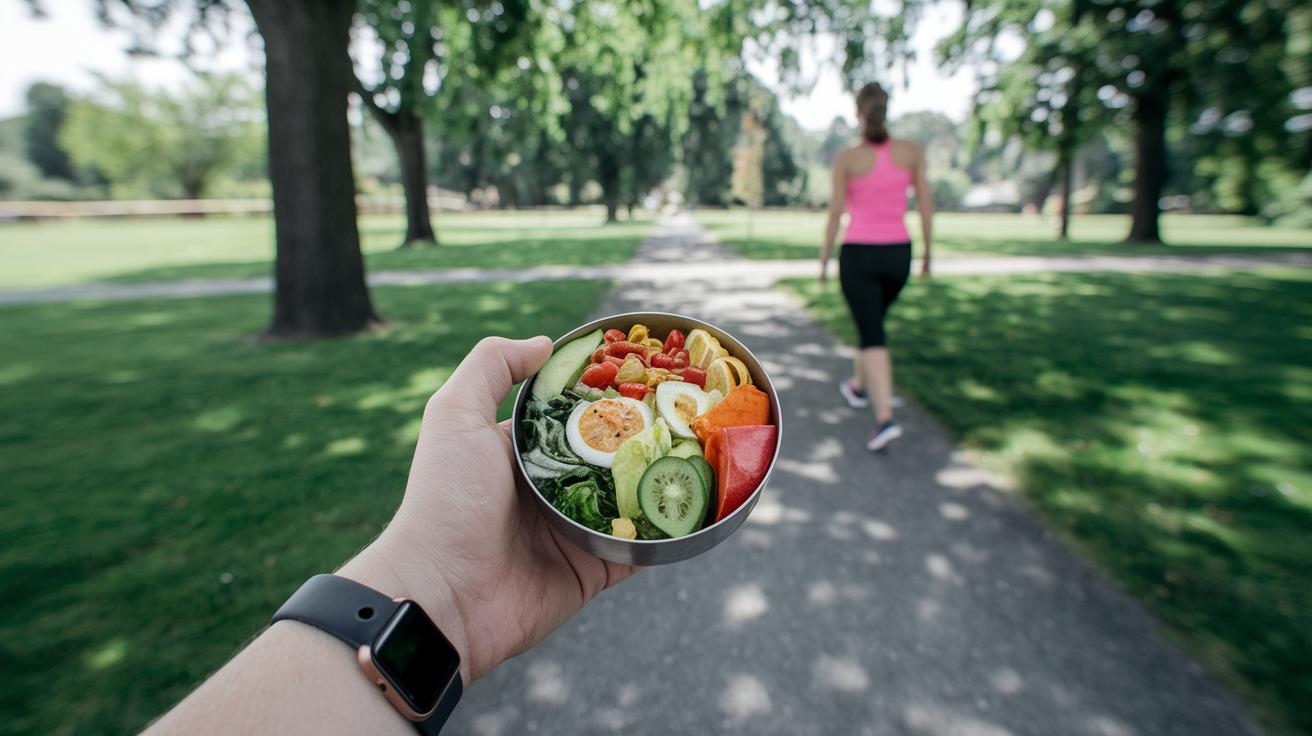
Getting around 150 minutes of moderate exercise every week is like giving your body a little daily pick-me-up. Imagine a brisk walk or a gentle jog after a long day, it clears your mind and tones your muscles at the same time. And sleep? Think of those 7 to 9 hours each night as your personal reset button, just like plugging in your phone so it’s charged and ready for a new day. Both movement and sleep work together to boost your energy, lift your mood, and help you build healthy habits that let you shine.
Balanced nutrition is another key part of caring for yourself. Picture your body as a well-tuned machine that needs the right fuel to run smoothly. Eating a mix of foods that give you energy, keeping well-hydrated with about 8 cups of water a day, and cutting down on processed snacks can make a big difference. And if you ever need a little extra support, options like acupressure or remote stress management (just dial 216-285-4070) can help too. When you combine mindful eating with these helpful services, you set up a harmony between body and mind that feels just right.
Building Resilience and Emotional Care to Take Care of Yourself
Every challenge is a chance to grow. Even when things seem tough, try to see these moments as tests that help you build inner strength. Think of it like a setback leading you to an even stronger comeback. It’s all part of turning hard times into building blocks for your resilient self.
When you feel stressed, be kind to yourself. Listen to that inner voice and give yourself permission to take a break and reset. It’s like pausing to enjoy a warm cup of tea on a chilly day, simple moments that remind you to care for your heart just as much as your dreams.
Simple, uplifting affirmations can be a real game-changer. In moments that feel overwhelming, try saying something like, “I am capable and strong.” These words work like a gentle pep talk, reminding you of your inner power and helping to create a positive, caring space inside you.
Instead of seeing setbacks as reasons to stop, view them as lessons that help you learn and grow. Each obstacle can guide you in fine-tuning your strengths and finding new paths forward. This little shift in perspective transforms everyday struggles into experiences that fuel your personal growth with fresh energy.
Professional Support and Self-Assessment to Take Care of Yourself

Our guide first hit the scene on April 23, 2021, and experts still review it to keep everything fresh and useful. With new planning tools debuting in September 2025, you can count on updated tips that keep your self-care game strong.
Key Self-Assessment Tools
If you notice changes in your mood or focus, consider trying out tests for ADHD, Depression, or Emotional Intelligence (which is a way to understand and manage your emotions). For example, if you feel unusually distracted, taking an Emotional Intelligence test might help you figure out what’s going on.
Finding Professional Help
- Look up local online directories to find therapists or psychiatrists.
- Connect with nearby support groups where you can meet others facing similar challenges.
- Book remote consultations to explore integrative treatments like acupressure and stress management by calling 216-285-4070.
These simple steps can help you tap into the professional support you need, keeping your self-care routine modern, active, and perfectly in sync with your life.
Final Words
In the action of embracing self-care, we explored powerful methods to nurture mental, physical, and emotional well-being. Each section shared practical tips, from mindful daily routines and simple gratitude practices to balanced nutrition and encouraging check-ups for overall resilience.
We also looked at supporting our health with remote consultations and personal assessments that truly work. Remember to take care of yourself and enjoy each step along the way.
FAQ
What does “take care of yourself” mean?
Taking care of yourself means actively looking after your mental, physical, and emotional health. It involves daily self-nurturing practices that remind you to prioritize your well-being.
What are some “take care of yourself” quotes?
“Take care of yourself” quotes often emphasize that self-care is a must, not a luxury. They inspire you to set aside time for yourself, fueling both your strength and resilience.
What is the “Take Care of Yourself” book about?
The book focuses on self-care strategies that improve overall well-being. It provides practical advice on nutrition, stress relief, and daily habits designed to help you feel balanced and energized.
How do 10 ways to take care of yourself help me?
A list of 10 self-care ideas gives you an actionable checklist. Each tip, like mindful breathing or gratitude journaling, offers simple steps to boost your mood and recharge your energy.
How can I take care of myself physically?
Physical self-care involves regular exercise, a balanced diet with hydration, and proper sleep. These habits support your body’s strength and help you maintain an active, healthy lifestyle.
Is it right to say “take care of yourself”?
Saying “take care of yourself” is a warm and thoughtful way to show concern. It signals that you value self-care and encourages others to look after their own well-being.
How should I wish someone and reply to “take care of yourself”?
When someone says “take care of yourself,” respond with sincere gratitude like “Thanks, you too!” Likewise, while wishing, share kind words that honor the importance of self-care.