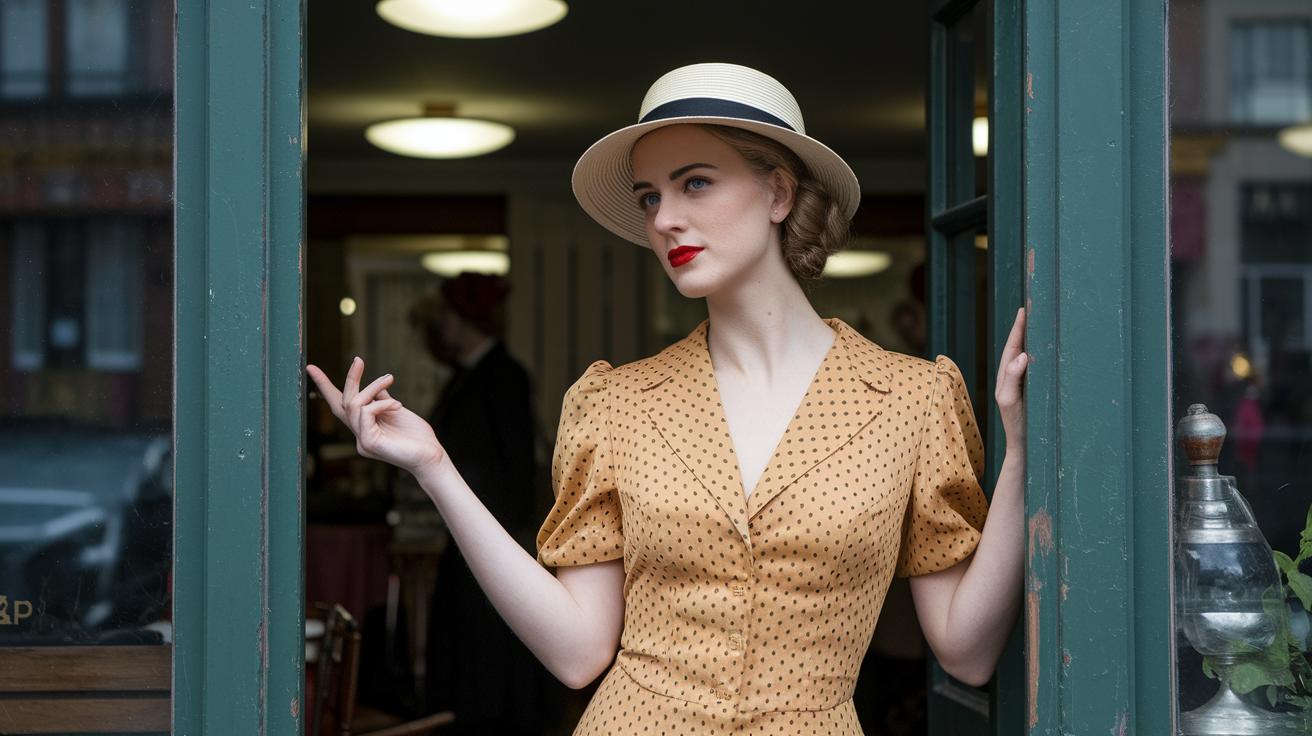
Ever wonder how war sparked bold new style? In the 1940s, women turned everyday fabrics into eye-catching outfits that radiated strength and smart thinking. They mixed simple materials with a dash of creativity, showing off a spirit of determination and style. Every seam and button told a story of quick thinking and a spark of genius. This look from a challenging time shines bright even today, inspiring the modern trends we love.
Wartime Influences on 1940s Fashion
In the 1940s, everything was changing fast. World events made people rethink how they dressed. Fabric was so rare during WWII that every inch mattered. Instead of fancy clothes, women turned to simple, practical utility suits inspired by menswear. Imagine a resourceful woman in a crisp suit that was once only seen in factories, she turned simple lines into a fresh, chic look.
Because fabric was scarce, designers cut back on extra details. Shirtwaist dresses, like the iconic Kitty Foyle style, became all the rage thanks to their smart design. They paired a neat, fitted top with a flowing skirt, making it easy to move around while still looking polished. Women felt powerful and elegant, finding a perfect mix of style and smart conservation.
Even accessories got a serious makeover. Hats were made with hardly any extra decoration, and jewelry stayed simple and refined. Shoes were designed to use less material, which gave them a modern twist on a classic look. It wasn’t just about looking good, it was a clever way to make fashion work during tough times.
These wartime adjustments set the stage for a whole new era in fashion. Every stitch and fabric choice told a story of creativity and need. The result was a bold, raw style that captured the spirit of the time.
The New Look and Postwar Revival in 1940s Fashion
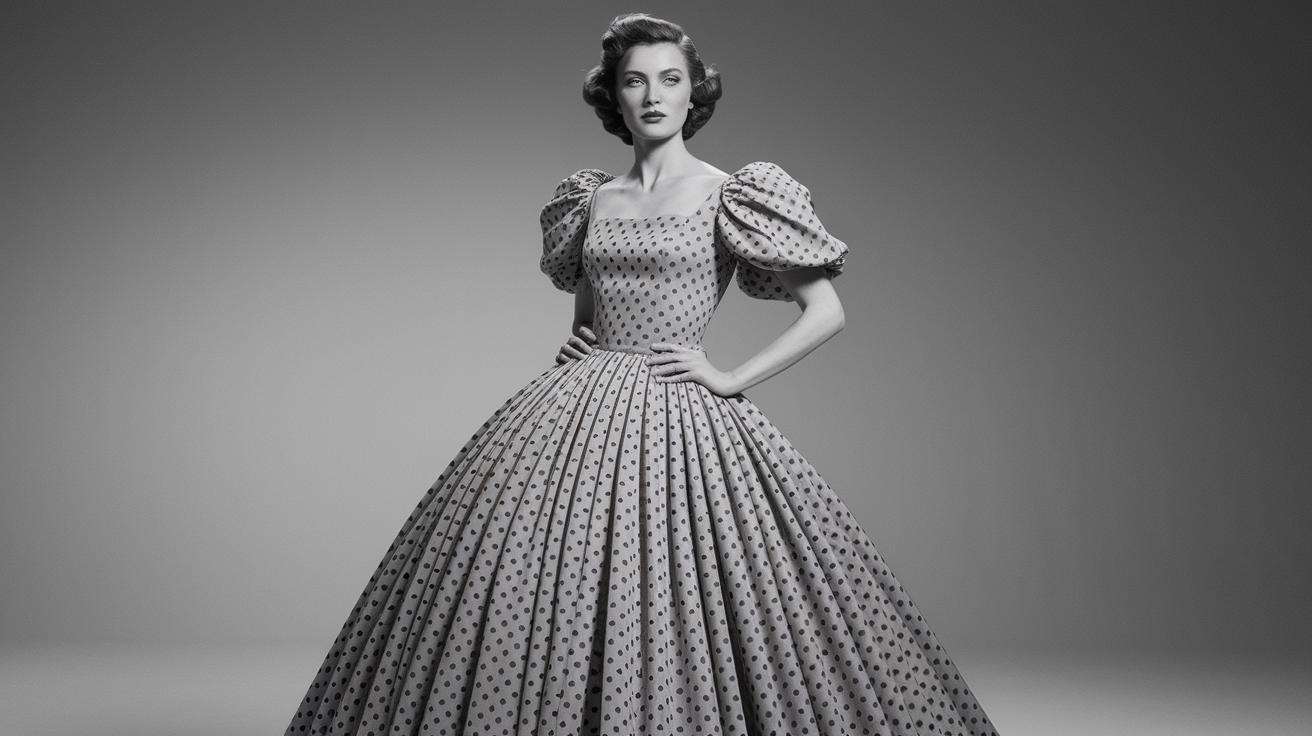
Christian Dior made a daring statement in February 1947 by unveiling a look with cinched waists, full skirts, and padded shoulders. Instead of the stripped-down style of wartime, he embraced curves and lush details that brought a sense of joy and abundance back to fashion. Ever feel surprised by how a fresh idea can change everything? That's exactly what Dior did.
Paris quickly caught the spirit of this change during the Théâtre de la Mode exhibitions in May 1945. These shows were like bursts of art, filled with dazzling outfits that celebrated a rebirth of creativity and craftsmanship. And designers from the U.S., like Balenciaga and Jeanne Lanvin, added their own unique twists. Imagine an artist drawing bold lines under a cloudy sky, suddenly, every garment was a celebration of life after hardship.
Pioneering designers turned this new trend into a lasting legacy. Their creations spoke confidence and luxury through smart cuts and careful details. Think of rich fabrics flowing into elegant skirts and perfectly tailored jackets. This wave of innovation not only restored Paris's throne in the fashion world but also redefined what modern style truly means.
Core Garments and Silhouettes of 1940s Fashion
In the 1940s, classic style mixed smart practicality with a refined elegance that still feels fresh today. During tough wartime days, women turned simple, sleek utility skirt suits into a stylish statement, even when resources were tight. It’s amazing to think how necessity spurred such chic designs.
Shirtwaist dresses became popular thanks to their gentle gathers, useful patch pockets, and neat point collars. These dresses let women look put-together while keeping fabric use to a minimum. Early in the decade, double-breasted jackets made a strong impression with their structured design. But as wartime rationing set in, single-breasted styles started to take over, mirroring a shift in everyday life. Then, inspired by Dior, full swing skirts brought back volume and movement, celebrating a playful embrace of feminine elegance.
Tailored trousers, famously worn by icons like Katharine Hepburn, redefined what it meant to dress with confidence. They broke away from traditional women's attire by combining clean lines with a modern, almost androgynous twist, proving that comfort and style can go hand in hand.
| Garment | Key Features | Social Context |
|---|---|---|
| Utility Skirt Suits | Straight cuts, minimal details | Emerged from the need for efficiency during wartime |
| Shirtwaist Dresses | Subtle gathers, patch pockets, point collars | Blended style with practicality amid fabric shortages |
| Double-Breasted Jackets | Structured look, bold lapels | Dominated early war fashion until fabric became scarce |
| Full Swing Skirts | Flowing design, playful movement | Brought back a sense of femininity postwar |
| Tailored Trousers | Clean lines, modern cut | Challenged old norms by merging masculine and feminine styles |
These garments were more than just outfits, they captured a transformational era when resourcefulness met classic design in a way that still inspires us today.
Accessory Trends in 1940s Fashion
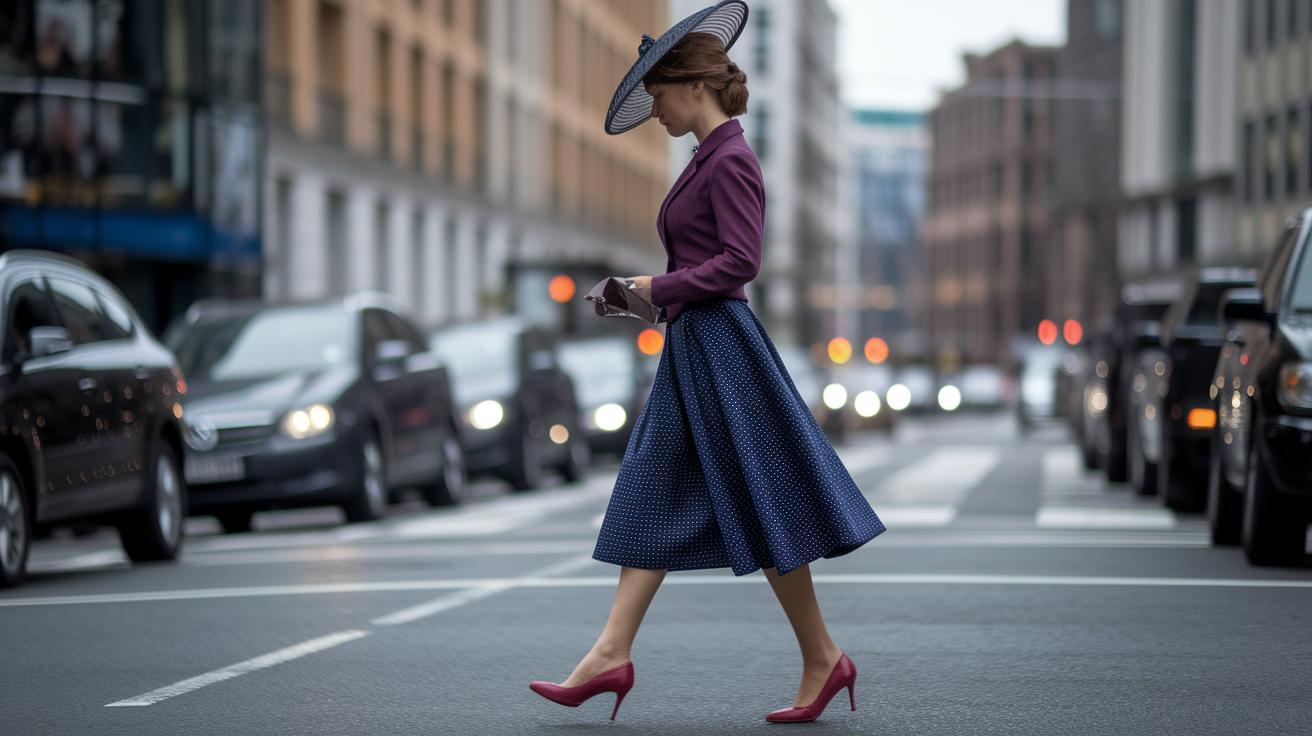
Back in the 1940s, fashion accessories got a complete makeover. Designers had to work with less fabric and new ideas, so every item was crafted to be both useful and stylish. There was a cool mix of practicality and a hint of playful rebellion that made each accessory unique.
• Hats with veiled tilt styles
These hats were made from tough materials like wool felt. Their narrow brims created a soft, tilted look that gently framed the face while also shielding you from the sun. Imagine stepping out with a hat that whispers mystery, with brims curving just right to evoke timeless charm.
• Pumps with two-tone detailing
This was the era when pumps took on a chunkier shape, marrying sturdy soles with fun two-tone color details. This design not only caught the eye but also made sure these shoes could stand up to daily wear. Picture a pair of pumps that artfully blend bold colors with a structure built for comfort.
• Wrist-length gloves with embroidered cuffs
Crafted from soft, flexible fabric, these gloves featured delicate embroidery along the cuffs. They added a touch of elegance while keeping your hands snug during cooler days. It’s amazing how a few intricate stitches can turn an everyday item into a stylish statement.
• Handbags evolving to softer pouches
Handbags moved away from the old rigid shapes and embraced a softer, more relaxed design. They were meant to carry your essentials gently, matching a trend toward effortless style. Think of a handbag that feels like a natural extension of your arm, both practical and chic.
• Stockings with reinforced seams
Due to yarn shortages at the time, stockings were designed with extra-strong seams. This clever tweak made them tougher for everyday wear while still looking sleek. A simple, smart stitch turned delicate hosiery into a reliable fashion staple.
1940s fashion – Radiant Era of Style
Silver screen icons turned everyday style into unforgettable looks. Picture Katharine Hepburn rocking wide-leg trousers that boldly redefined what it meant to be a woman. Rita Hayworth, with her flowing bias-cut gowns, set the standard for evening glamour that still dazzles us today.
Think about the classic pin-up style, models like Veronica Lake with their bold red lips and perfectly tailored silhouettes sparked admiration and influenced countless wardrobe choices. Designers such as Adrian introduced fresh ideas with clever necklines and subtle shoulder pads that beautifully framed the face. Ever notice how a chic neckline naturally draws your eyes upward, much like the enchanting look of a timeless movie star?
Film legends did more than shine on screen. They reshaped how women dressed off-camera, blending nostalgia with modern chic. Every carefully chosen accessory, from sparkling jewelry to artfully crafted costume pieces, told a story of confidence and elegance. Even now, the spirit of this era reminds us that a stylish outfit can truly make a lasting impression.
Evolution of Men’s Tailoring in 1940s Fashion
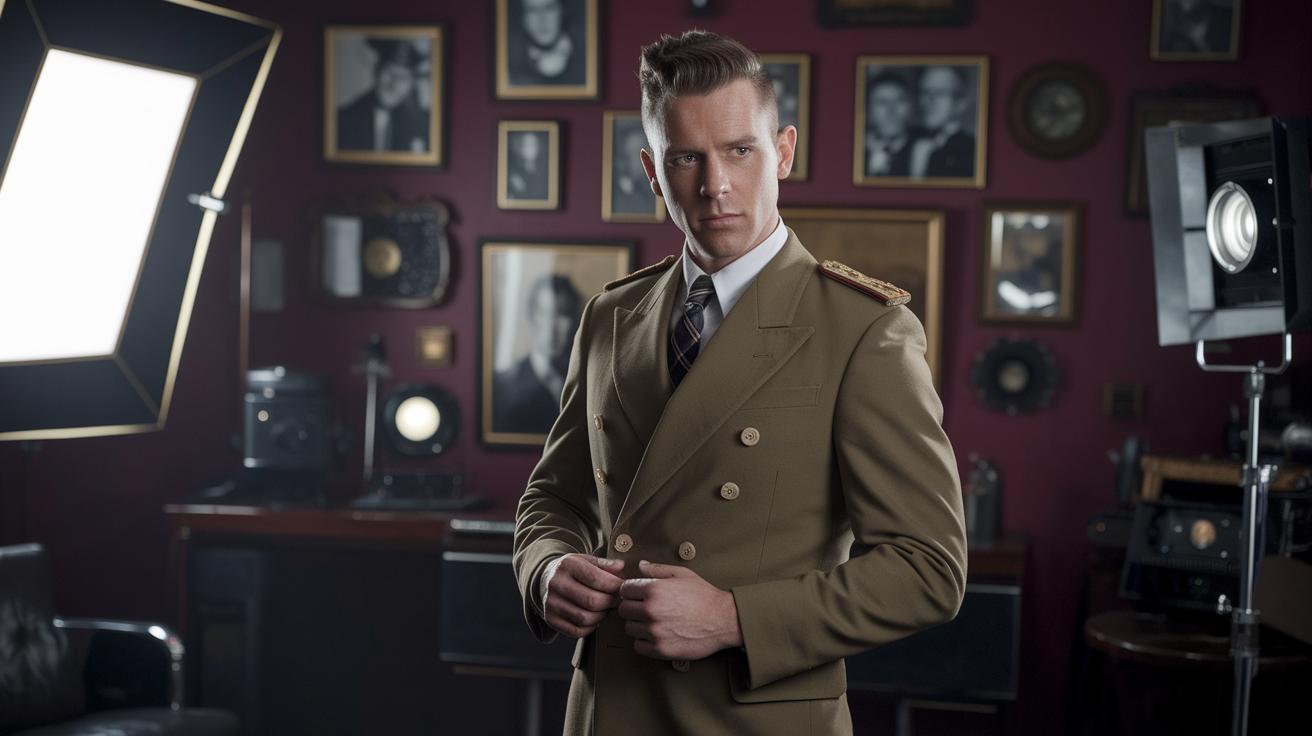
Back in the early 1940s, men’s suits were all about feeling strong and structured. Imagine a jacket with a bold double-breasted front and big shoulders that reminded everyone of military uniforms. Designers even added touches like epaulets and cool belt details to give each suit that crisp, service-inspired look. It was like wearing a piece of proud history, sharp yet friendly.
Soon, though, fabric was hard to come by because of wartime shortages. Men began choosing single-breasted jackets instead. These allowed for a lighter, breezier style while still keeping those clean, sharp lines. Designers got creative by adding patch pockets, a nod to military style, and they made trousers slimmer to save material. Picture a suit where every detail, from the taper of the trousers to the neat front of the jacket, shows clever innovation born of necessity.
Military influences kept popping up in the designs. Even a small epaulet or well-placed belt could make a subtle, stylish statement. This period was all about making the most of what you had, and every stitch told a story of resourcefulness and smart design.
International and Cultural Milestones in 1940s Fashion
Right after World War II, fashion got a fresh, international vibe. In May 1945, the Théâtre de la Mode in Paris marked a turning point. Paris reintroduced haute couture with renewed energy after a long period of strict budgets. Designers showcased clever new shapes, using limited materials in imaginative ways. At one Paris show, for example, a dress made entirely of reused fabric left everyone amazed, proving that scarcity can become a powerful style statement.
Over in New York, the scene was buzzing with the start of what would later become New York Fashion Week. U.S. designers like Claire McCardell led the way with ready-to-wear collections that made stylish looks available to many. Their designs mixed timeless lines with a modern comfort that spoke to a country eager to embrace new technology and practical ways of living.
Not far away, London was busy hosting utility dress competitions. These events spotlighted inventive ways to style outfits under strict resource limits, showing that creative ideas can spark even in tough times. Each region, from Paris to New York to London, brought its own flavor, creating a global exchange of ideas that still inspires fashion today.
Legacy of 1940s Fashion in Modern Trends
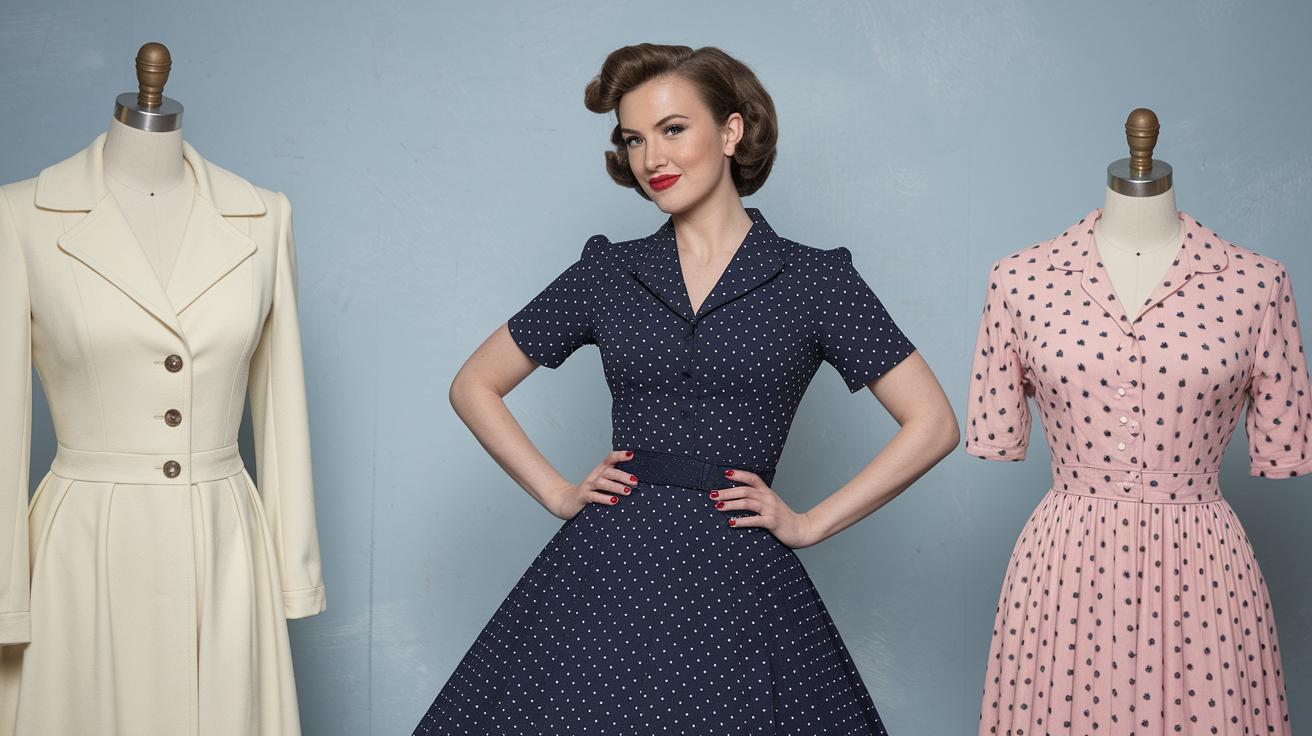
Today’s designers find endless inspiration in the bold style of the 1940s. They often give a wink to Dior’s New Look with its nipped waists and full skirts. This retro silhouette, with its playful curves and structured elegance, shows us that timeless style can spring from practical beginnings.
Capsule wardrobes also borrow from those resourceful days. Just like women back then who made smart choices with limited resources, modern fashion champions the idea of mindful styling, a few essential pieces that mix necessity with chic appeal.
And then there’s the charm of pin-stripe suits and military-inspired details that add a touch of solid strength to today’s looks. Imagine a perfectly tailored suit with crisp lines and subtle epaulets, a nod to wartime simplicity that feels fresh and balanced for modern wear.
These nostalgic trends beautifully bridge the past with our present style, reminding us that retro elements continue to inspire refined and spirited ensembles.
Final Words
In the action, we explored wartime influences, the dramatic postwar New Look, and the unique garments that defined the moment. We then examined streamlined accessories, the shimmer of Hollywood glamour, and even shifts in men’s tailoring, each reflecting evolving social and cultural rhythms. The discussion tied these rich stories back to today, showing how 1940s fashion still echoes in modern style choices. It feels great to see how history informs and inspires us, reminding us that style is a living, ever-changing conversation.
FAQ
What characterized 1940s fashion for men and boys?
1940s men’s and boys’ style showcased military-inspired designs with structured double-breasted jackets, slim trousers, and details like epaulets. The look was practical with a nod to wartime fabric conservation.
How did 1940s fashion for women develop?
1940s women’s style transitioned from practical utility outfits to more feminine silhouettes. Early designs featured shirtwaist dresses and utility suits, while postwar styles embraced full skirts and tailored waists inspired by the New Look.
What were popular 1940s fashion trends?
Popular trends in the 1940s included practical cuts, simplified accessories, and a mix of utility with feminine revival. The era balanced resourceful designs with glamorous details that reflected both wartime constraints and postwar optimism.
How did 1930s fashion compare to 1940s fashion?
1930s fashion offered softer, relaxed silhouettes, while 1940s styles leaned towards structured, utilitarian designs. The shift embodied the transition from pre-war ease to wartime necessity and, later, a postwar return to glamour.
What were the main hair trends in 1940s fashion?
1940s hair trends featured elegant victory rolls, neat updos, and soft curls. These styles complemented the era’s practical approach during wartime and later embraced a more glamorous, screen-inspired look.
What should I wear to a 1940s-themed party?
To nail a 1940s-themed party look, try a structured dress or tailored suit paired with classic accessories like gloves and a stylish hat. Emphasize neat styling and period-specific details to capture the era.
How can I style an outfit to look authentically 1940s?
Styling an authentic 1940s outfit means incorporating structured tailoring, modest silhouettes, and vintage accessories. Think crisply pressed garments, practical hairdos, and subdued makeup to embody the classic style.
What fad defined the 1940s fashion scene?
The 1940s fad focused on utility and refinement. Multipurpose clothing and streamlined accessories celebrated practical designs that bridged wartime necessities with a touch of emerging glamour.