
Ever noticed how your skin might feel dry and tired, almost like a sponge that's seen too many days in the sun? Think of your skin as a sturdy brick wall, where each little cell is a brick held together by a gentle layer of lipids (fats that lock in moisture). When that wall starts to crack, your skin can lose its moisture and become easily irritated.
Today, we're chatting about ways to repair your skin's barrier and share simple everyday habits that can help. Imagine boosting your skin’s resilience so every touch feels soft, every step feels confident, and you’re all set to take on the day.
Understanding Skin Barrier Repair Mechanisms
Your skin’s barrier is like a trusty brick wall, built from layers of dead cells and natural oils that keep out unwanted irritants. Think of each skin cell as a solid brick, perfectly set in place by a soft, protective mortar of lipids, just like the bricks in your home work together to keep everything safe.
This barrier works like a smart filter to balance moisture perfectly. It holds onto just enough water to keep your skin soft and supple, while letting any extra moisture escape. Imagine a sieve that grabs the water you need and lets go of the rest, so your skin never feels too wet or too dry.
One of the coolest self-healing features of your skin is called desquamation. That’s when old, worn-out cells peel away, making room for fresh new ones to arrive. It’s like giving a room a fresh coat of paint, the new layer brightens everything up and keeps your skin strong against everyday challenges.
Common Causes of Skin Barrier Damage
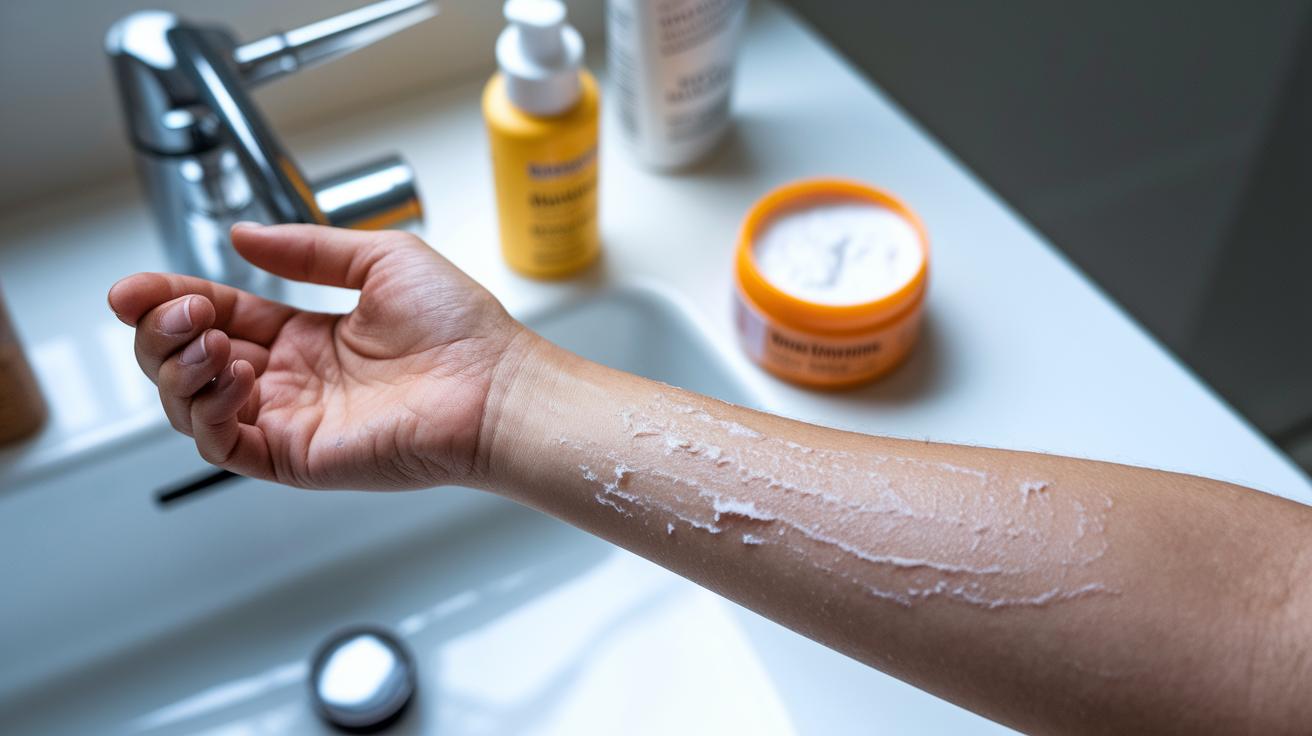
When your skin loses too much water, it signals that it's becoming dehydrated and its barrier is getting weak. Without enough moisture, your skin becomes more sensitive and irritated; it’s like watching a dry sponge crumble away.
- Over-exfoliation: Scrubbing too often or using harsh acid treatments can strip away the protective layers.
- Harsh products: Cleansers with alcohol, sulfates, or strong fragrances take away the natural oils your skin needs.
- Pollution: Tiny particles in the air can disturb your skin’s delicate shield.
- UV: Spending too much time in the sun damages skin cells and robs them of moisture.
- Hot water: Long, steamy showers spedily drain the skin’s hydration, weakening its barrier.
So, the key is to avoid these damaging habits. Try switching to gentler cleansers, use lukewarm water, and ease up on over-scrubbing to keep your skin soft, strong, and beautifully protected.
Daily Maintenance Habits for Skin Barrier Repair
A simple, everyday routine goes a long way toward keeping your skin strong and well-hydrated. When you take a few mindful steps to protect your natural moisture, your skin becomes a fortress against daily stresses.
- Mild cleansing: Use a gentle, fragrance-free cleanser that honors your skin’s natural pH balance and its essential lipids, it’s like giving your face a soft, reassuring hug.
- Balanced pH: Choose products that match your skin’s natural pH to keep its barrier firm and balanced.
- Timely moisturization: Right after cleansing, slather on a rich moisturizer to trap hydration and boost long-term repair.
- Daily SPF: Shield your skin daily with at least SPF 30 sunscreen to dodge harmful UV rays.
- Avoiding irritants: Say no to harsh chemicals, alcohol, and strong fragrances that can put extra stress on your skin.
- Using hydrating toners: Add a soothing, hydrating toner or occlusive to your routine for that extra dose of moisture and softness.
Stick with these friendly habits, and you'll create a robust barrier that not only looks great but also stands up to daily challenges with ease. Isn't it amazing how a few small changes can lead to smoother, healthier skin?
Key Ingredients Driving Skin Barrier Repair
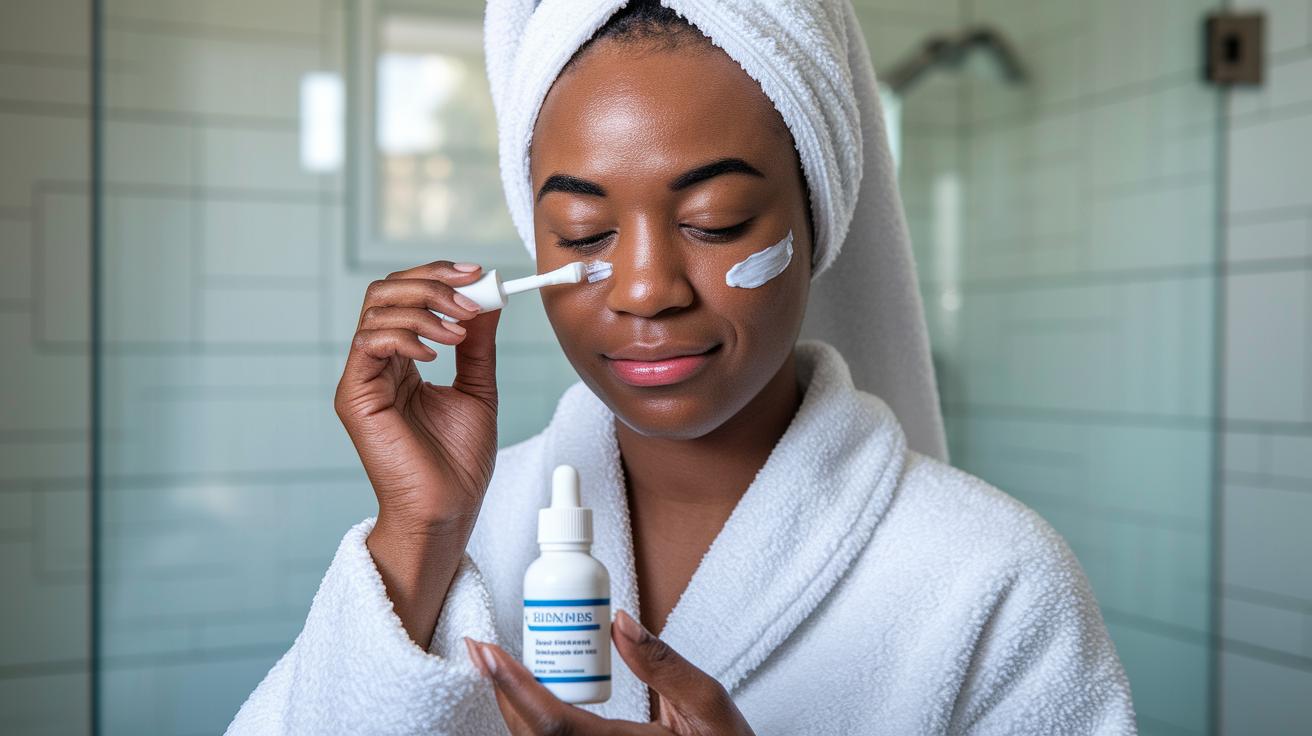
When you’re looking after your skin, the right routine makes all the difference. Special ingredients work deep within your skin cells to rebuild and protect your barrier, keeping your skin balanced and strong.
Ceramides act like the trusty mortar between bricks, filling in the gaps between your skin cells. A formula with about 1-3% ceramides works wonders. They help calm irritation and transform fragile skin into a tougher, more resilient layer.
Niacinamide is a real powerhouse for your skin. It not only eases inflammation but also boosts the proteins that give your skin structure. Using a product with 2-5% niacinamide helps maintain moisture and balance, so your skin feels smooth and secure.
Fatty Acids are essential for bringing back the lost lipids that your skin needs. With a concentration of 2-4%, these oils nourish and fortify your skin, helping it fight off stress from the environment.
Hyaluronic Acid is famous for its ability to hold water – up to 1,000 times its weight, really! Even at low percentages, it locks in moisture, leaving your skin looking plump and feeling soft to the touch.
Antioxidants work by neutralizing harmful free radicals. When used at about 1-3%, these ingredients can help prevent the breakdown of your skin’s natural lipids, reducing damage and stress on your skin.
| Ingredient | Function | Barrier Benefit |
|---|---|---|
| Ceramides | Replenish lost lipids | Strengthen skin structure |
| Niacinamide | Calm inflammation | Boost structural proteins |
| Fatty Acids | Restore essential oils | Nourish the protective layer |
| Hyaluronic Acid | Hydrate deeply | Lock in moisture |
| Antioxidants | Fight free radicals | Prevent lipid breakdown |
Choosing Replenishing Moisturizers and Serums for Skin Barrier Repair
When you're picking out skincare that truly cares for your skin, think about building a routine that includes a gentle cleanser, a soothing toner, a targeted serum, and a nourishing cream. Each step plays its own special part in locking in moisture and keeping your skin strong against everyday stress.
-
Foaming cleanser
A gentle foaming cleanser works wonders by washing away dirt without taking away all the good oils your skin needs. Look for one with a balanced pH, it helps keep your skin’s natural defense steady. -
Milky toner
A milky toner is like a soft welcome for your skin. It smooths and preps your face, so it’s all set to soak up the benefits of the next products in your routine. -
Barrier serum
Think of a barrier serum as your skin’s little helper. Packed with friendly ingredients like beta-glucan (which soothes irritation) and inulin (a sugar that helps with moisture), it targets problem spots and adds an extra layer of protection. -
Peptide cream
Peptide creams, like OS-01 FACE, are real game-changers. These creams work on boosting collagen and hyaluronic acid, which means firmer, plumper skin. In fact, studies show they can improve the skin’s barrier by around 15 percent, pretty neat, right? -
Lipid-rich lotion
Lastly, a lipid-rich lotion is essential for refilling any lost oils and keeping hydration in check. It forms a protective coat over your skin, making sure it stays resilient and ready for whatever the day brings.
It’s best to go for formulas that are fragrance-free and gentle. This way, you lower the risk of irritation while keeping your skincare routine consistent and supportive for your skin’s natural strength.
Skin Barrier Repair: Boost Your Skin's Resilience
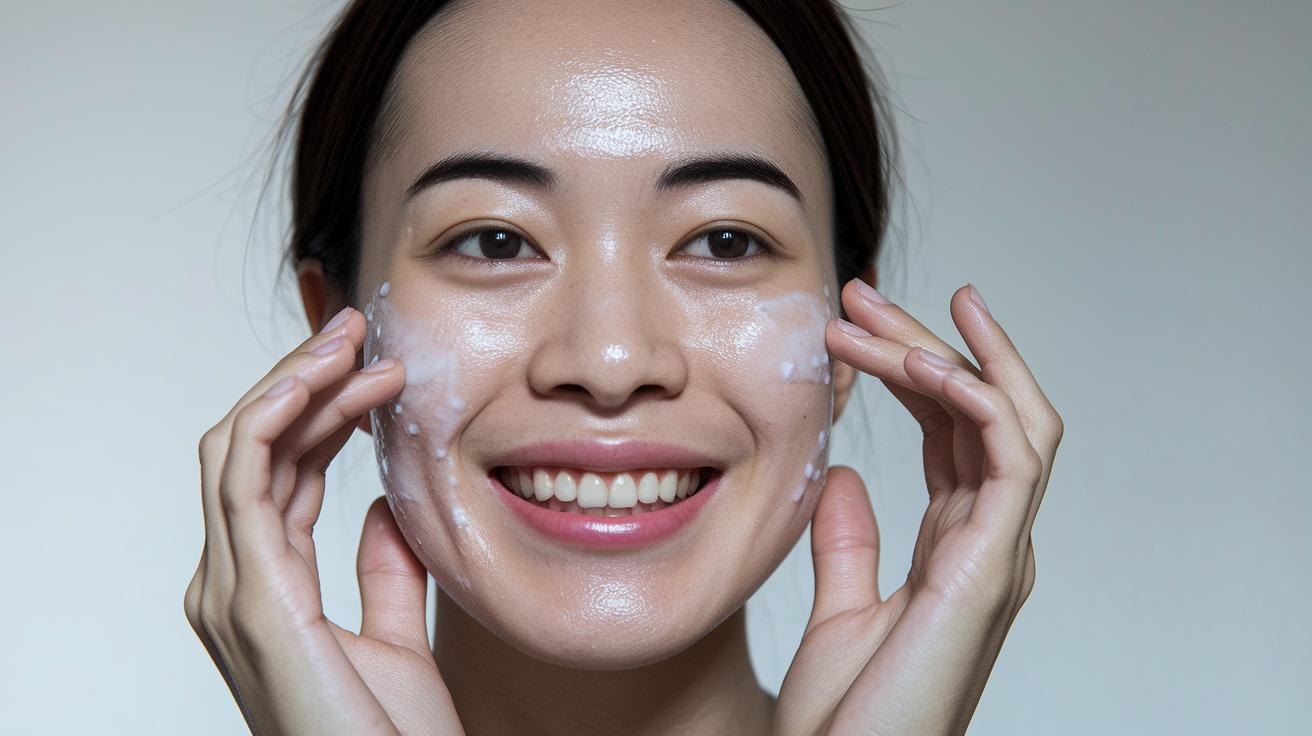
Start noticing little wins right away. When you commit to a gentle, hydrating routine, your skin might start feeling softer and more comfortable in just a few days, usually between 3 to 7 days. It’s amazing how small changes, like switching to a gentle cleanser or using a rich, overnight treatment, can give your skin that extra boost. These early improvements are the first steps toward a healthier, more resilient glow, even when factors like age, genetics, or previous damage have set the stage.
| Period | Visible Changes | Recommended Actions |
|---|---|---|
| Week 1 | Smoother, more hydrated skin | Use a mild cleanser, apply a daily moisturizer, and try an overnight occlusive treatment |
| Weeks 2–4 | Less dryness and irritation | Stick with hydrating toners and barrier-focused serums |
| Month 2+ | Stronger, more resilient skin barrier | Keep up your routine; introduce advanced actives if needed |
Keep your routine consistent to support lasting repair. Even though a full recovery may take 4–6 weeks or even longer, ongoing care builds a sturdy defense against everyday stress. Every little step you take is a move toward a healthier, more vibrant look.
Expert Insights and Clinical Evidence in Skin Barrier Repair
Skincare pros say it's best to take things slow when adding new actives. Start with a little patch test to see how your skin reacts, and then gradually build up your routine. Think of it like finding the perfect outfit, when everything fits just right, your skin can comfortably handle daily stressors while staying strong and resilient.
Research shows some pretty amazing things about skin repair. For example, clinical trials with OS-01 peptides (tiny helpers that boost your skin’s thickness and collagen support) have given promising results. Using products backed by solid studies can help rebuild your skin’s natural barrier, ease sensitivity, and keep your complexion balanced.
New technology is also stepping up the skincare game. Techniques like microencapsulation deliver active ingredients exactly where they're needed, ensuring a steady, gentle release that minimizes irritation. This smart blend of innovation and research is making it easier than ever to nurture a smoother, healthier complexion every day.
Real-Life Case Studies in Skin Barrier Restoration

Case studies have shown that a custom skincare routine can really boost your skin’s strength and resilience. Let’s look at four friendly examples that show how a personalized approach brings impressive results:
- Case 1: One woman, who always struggled with dry, sensitive skin, began adding a barrier serum to her daily routine. In just six weeks, she noticed her dryness dropped by 45% and her skin felt 30% more elastic.
- Case 2: Another person faced uneven skin texture until they switched to products featuring plant-based ceramides (natural ingredients that help lock in moisture). Soon, their skin looked smoother and more even, proving that nature can work just as well as synthetic formulas.
- Case 3: A third individual, plagued by recurring irritation, turned to microbiome-friendly products. By focusing on nourishing the skin’s natural balance, they experienced a calm and well-restored complexion.
- Case 4: Finally, someone with reactive, problem-prone skin chose fragrance-free, hypoallergenic options for a gentler experience. This change helped reduce irritation and gradually rebuilt their skin’s natural barrier.
All these stories show that when you tailor your routine to your own skin needs, you can see real improvements. Maybe it’s time to customize your own routine to support your skin’s natural defense and keep it healthy for the long haul.
Final Words
In the action of exploring the essentials of skin barrier repair, we uncovered how our skin naturally renews itself and how everyday habits make a real difference. We broke down why gentle cleansers, hydrating toners, and the right actives support your skin’s resilience.
By learning about gentle correction and the benefits of targeted ingredients, you can keep your skin soft and strong. Embrace these tips and feel uplifted by a care routine that works wonders every day.
FAQ
What are some of the best skin barrier repair products, creams, and serums with key ingredients?
The best skin barrier repair products include formulas loaded with ceramides, niacinamide, hyaluronic acid, and fatty acids. These help hydrate, soothe, and rebuild your skin’s protective layer.
How does one repair a skin barrier naturally?
Repairing your skin barrier naturally means using gentle cleansers, hydrating ingredients, and avoiding harsh treatments. Simple routines and natural ingredients support your skin’s self-healing process.
How do you know if a skin barrier is damaged, and what symptoms indicate an issue?
A damaged skin barrier shows signs like dryness, irritation, redness, and tightness. If your skin feels uneven or excessively flaky, these could be clear cues of barrier compromise.
What is the fastest way to repair a skin barrier?
The fastest repair strategy involves occlusive treatments, hydrating serums, and barrier creams like Aquaphor. This, paired with avoiding irritants, speeds up your skin’s recovery.
How long does it take for the skin barrier to heal completely?
Visible improvements can appear in 3–7 days, while full recovery may require 4–6 weeks based on your skin’s condition and consistent gentle care.
Does Aquaphor repair skin barriers?
Aquaphor repairs skin barriers by locking in moisture and creating a protective layer. It is effective when used correctly alongside a gentle skincare routine.
What do users share on Reddit about skin barrier repair?
Reddit users often share personal tips, success stories, and product recommendations. Their experiences highlight how small changes in routines can make a big difference in barrier repair.

