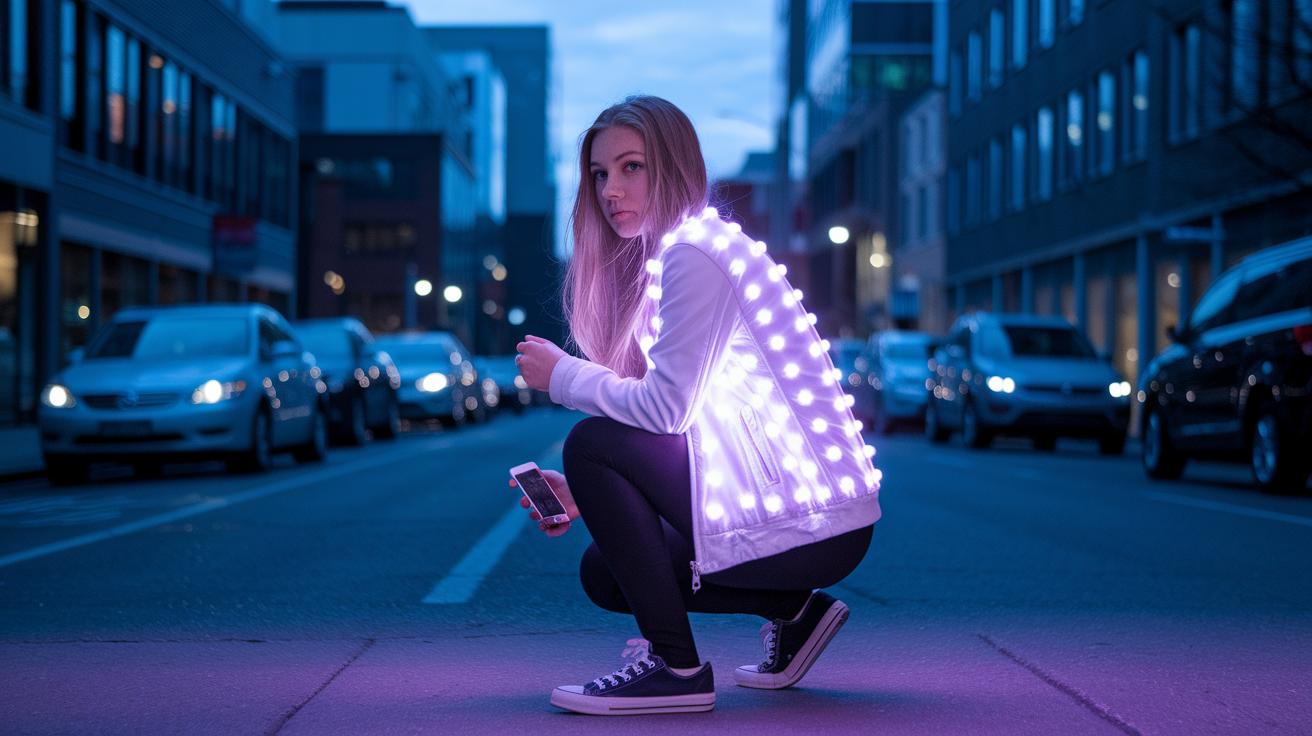
Ever think about rocking an outfit that only exists on your screen? Digital fashion turns wild ideas into pixel-perfect style, shaking up all our old-fashioned views on clothes. It kicks off with creative sketches that jump from paper into a vibrant digital world, giving designers the freedom to push past fabric and thread. In truth, this tech-savvy style is a playful, fresh way for modern women to express themselves without any limits.
Digital Fashion Fundamentals and Consumer Engagement
Digital fashion is all about clothing that lives only in the digital world. Think of it as clothes made for photos and cool virtual experiences like AR, VR, and the metaverse. It lets you try out new looks without the hassle of real fabric. Designers start with sketches, whether by hand or on a computer, and then turn them into digital masterpieces. This process gives art a whole new twist, letting creative ideas come to life without the usual limits of cloth and sewing.
Once the design is set, digital outfits are built using tools like 3D modeling software, video game engines, and even AI digitization (a fancy way of saying computers help bring designs to life). These methods capture details like the soft fall of fabric and how it moves, so designers don’t have to waste time testing on real materials. By mixing creative hands-on ideas with digital accuracy, makers create styles that push past what’s typical. Look at the latest trends for 2024, they’re all about fresh, edgy ideas that blend art with tech.
People enjoy digital fashion on many platforms these days, from social media feeds to virtual worlds and augmented reality apps. Ever tried on clothes in a virtual fitting room? It’s almost like playing with your favorite dress-up game. Influencers even rock digital outfits and share them with hashtags like #ootd, inspiring others to join the fun without needing to own the piece physically. This smart mix of tech and creativity is changing the way we see style, making it a playful journey of self-expression and endless inspiration.
Core Technologies Driving Digital Fashion Creation

Designers are embracing incredible 3D modeling tools that transform ideas into life-like digital garments. With programs like CLO 3D, Marvelous Designer, and Blender, hand-drawn sketches quickly become virtual masterpieces. These tools let you experiment with patterns and draping, so you can imagine the gentle flow of silk or the structured vibe of denim, all without a single physical sample. It’s almost like stepping into a lively art studio when you watch your design evolve before your eyes.
AI has added a whole new twist to this creative journey. It works like a savvy friend by automatically predicting fits and tweaking patterns in a flash. Designers can explore various styles and textures without the hassle of manual adjustments. Picture your design tool offering that perfect suggestion right when you need it, this smart automation speeds up production while keeping everything precise.
And then there are the advanced fabric simulation algorithms that truly impress. They mimic the texture, movement, and color interactions of materials in a digital space, reducing the need for physical prototypes. With the help of cloud-based tools and remote collaboration, teams can gather around a digital table to share and refine ideas in real time, turning simple sketches into captivating, tech-forward ensembles.
Virtual Runways and Augmented Reality Applications in Digital Fashion
Digital fashion is changing the way we experience style by mixing cool technology with high fashion. Imagine a world where a traditional runway show is turned into a fun, interactive event. It’s like going to a party where fashion meets innovation, making everything feel playful and fresh.
Luxury Brands on Virtual Runways
Big names like Balenciaga, Gucci, and Louis Vuitton are giving runway shows a modern twist. During the pandemic, these brands switched up the usual catwalk scene by using 3D avatars that strutted unique outfits on lively digital stages. Ever notice how art and fashion blend seamlessly when you see these futuristic designs? It’s almost like watching a mini art installation right from the comfort of your home.
Augmented Reality Fitting Rooms
Now, let’s talk about trying on clothes with a touch of magic. AR-powered virtual fitting rooms let you see how an outfit looks on you without ever stepping into a store. Picture this: you hold up your smartphone, and a digital dress appears on your reflection as if by magic, like having your own personal, high-tech mirror that updates your look in real time.
Immersive Metaverse Catwalks
The metaverse is where fashion shows become a full-on adventure. In these digital worlds, the catwalk isn’t just a runway, it’s a vibrant space where fans, gamers, and trendsetters can interact and explore. Here, you can even shop for virtual outfits that feel as real as your favorite dress. It’s a new way of experiencing fashion that’s as engaging as it is exciting.
Sustainability Benefits of Digital Fashion Practices
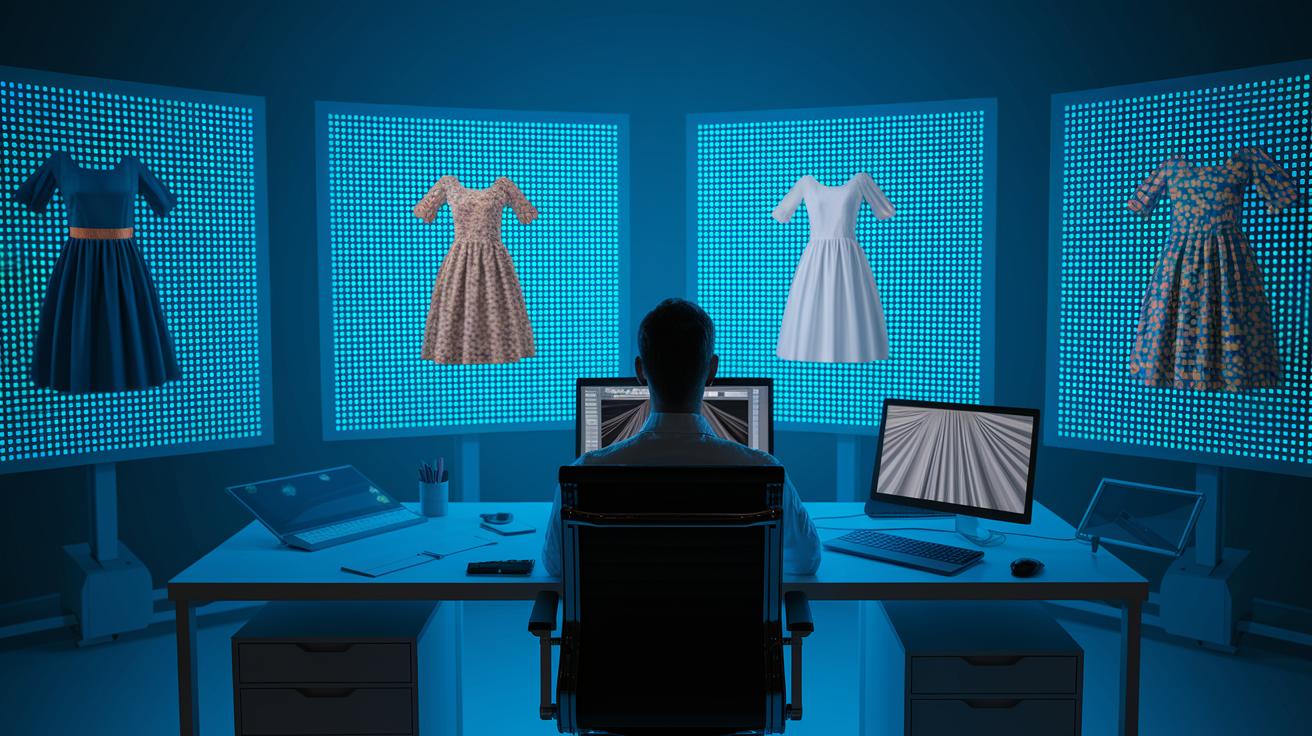
Digital fashion is changing the way we make and wear clothes. Instead of cutting and sewing physical samples that waste fabric and water, designers now work in virtual studios. This means there’s less textile waste, reduced water usage, and much less energy spent on production. Just imagine debuting a new look without using any fabric at all – it's creativity at its finest, and it's gentle on our planet.
By sticking to online-only collections, brands can experiment with endless designs without the risk of overproduction or unsold stock. These digital releases are controlled and exclusive, keeping things fresh and appealing without clutter. Projects like Certilogo’s “Beyond the Visible” at Milano Fashion Week® prove that technology can boost trust by verifying digital authenticity. In truth, this smart, tech-driven approach shows that fashion can be both innovative and kind to the Earth.
Case Studies of Leading Digital Fashion Innovations
The Fabricant (2018) jumped into the scene with NFT-based digital couture, teaming up with big names like Adidas and Tommy Hilfiger. They mix blockchain (a digital method of keeping things secure) with digital assets to create cool, one-of-a-kind pieces. These unique designs spark excitement and give digital collectors a chance to own something truly special.
Carlings (2018) broke new ground with their "Neo-Ex" collection. Using advanced 3D rendering software (which creates lifelike images on your screen), they let you overlay digital garments onto your own photos. It turns regular photo editing into a fun and personal style experiment that attracts tech-savvy, fashion-forward folks.
Balenciaga x Fortnite (2021) brought high fashion into the gaming world by offering stylish skins for your game avatars. By blending game-engine technology with immersive virtual settings, Balenciaga caught the eye of a younger crowd. This collaboration turned virtual dressing into a chic cultural moment where luxury meets playful creativity.
Certilogo (2022–2025) focuses on digital authentication. Working with well-known fashion institutions, they use cutting-edge verification technology (a super advanced way to check if something is real) to keep digital creations transparent and trustworthy. This builds confidence among buyers and boosts engagement in today’s fast-changing e-fashion scene.
Each of these case studies shows how mixing tech with fashion can create amazing digital experiences and transform the way we connect with style.
Tools and Platforms for Virtual Garment Design and Collaboration

Digital tools and platforms have totally transformed how we design garments online. Now, designers can sketch, tweak, and perfect their ideas in real time, making it feel like everyone’s working together in one creative space, even if they’re miles apart.
Imagine having a cloud studio where you can log in from anywhere and share your progress safely with your team. These platforms offer seamless pattern-making and easy garment tweaks, so you’re always in control. For instance, CLO 3D gives you a live look at your design, almost like the fabric is really moving with you. Marvelous Designer, on the other hand, creates super-realistic fabric movements that let you experiment with every fold and drape as if you could feel it.
Plus, creative apps like Adobe Fresco and Procreate let you draw your ideas by hand, mixing the magic of traditional art with modern tech. And if you like to tinker with 3D models, open-source options like Blender let you dive deep into detailed rendering. All these tools not only cut down on waste and speed up production, they also spark fresh, tech-driven style innovations.
| Tool Name | Key Features | Ideal Use Case |
|---|---|---|
| CLO 3D | Live garment visualization and easy pattern tweaks | Quick prototype creation and virtual sample reviews |
| Marvelous Designer | Physics-based 3D fabric simulation and realistic draping | Exploring how fabrics flow and dynamic design experimentation |
| Adobe Fresco & Procreate | Hand-drawn sketching and concept development | Initial brainstorming and creating custom illustrations |
| Style3D | Ultra-realistic 3D samples with sustainable design workflows | Planning eco-friendly production and virtual try-ons |
| Blender | Open-source 3D modeling and detailed rendering | In-depth pattern design and intricate project work |
Future Outlook and Market Dynamics of Digital Fashion
Industry experts are buzzing about digital fashion, forecasting a booming market that could reach billions by 2025. This excitement is driven by a shift in how we shop, as more people choose tech-savvy style that lets them mix creativity with modern innovation. Imagine a world where style is not only fresh and fun but also budget-friendly and eco-conscious because physical limits just don’t hold us back anymore. Cool tech like blockchain and NFTs (which are digital certificates of ownership) is making it possible to own unique, limited-edition virtual pieces.
Next, think about how new platforms are changing our shopping adventures. With AR and VR, you can virtually try on outfits and even get style advice from a distance, kind of like having a friendly consultant right at home. These advances are sparking fresh business ideas that combine digital art with e-commerce, turning fashion into an interactive experience. Every new innovation brings endless creative potential and exciting ways to make money, promising to keep our style world ever-evolving.
Final Words
In the action, we explored digital fashion fundamentals, from the creation of tech-driven designs to the innovative consumer experiences that merge style with interactivity. We touched on 3D modeling, AI assistance, and cutting-edge AR displays, all of which shape a fresh approach to apparel. Digital fashion opens up a realm where waste is reduced and trends are reimagined. Embrace this exciting shift as it redefines modern style and inspires confident, chic living.
FAQ
Q: What is the meaning of digital fashion?
A: The meaning of digital fashion is about creating garments that exist only in the digital world. It involves virtual clothes for photos, augmented reality, virtual events, and metaverse environments.
Q: What digital fashion software, apps, games, designs, and brands are available?
A: Digital fashion includes creative software like CLO 3D and Blender, apps for AR try-ons, interactive fashion games, and various digital brands offering unique, non-physical clothing experiences.
Q: Where can I learn digital fashion design, including free courses?
A: Learning digital fashion design starts with online courses and tutorials. Many free resources guide you through 3D modeling, pattern creation, and digital garment workflows to build your skills.
Q: What is Digital Fashion Pro?
A: Digital Fashion Pro is a professional tool designed for creating virtual garments. It offers robust features for designing digital outfits, making the creative process user-friendly and efficient.
Q: How can I get into digital fashion?
A: Getting into digital fashion involves trying out design software, joining creative communities, and practicing virtual garment creation. This way, you build a portfolio that showcases your digital style.
Q: What is the 3-3-3 rule in fashion?
A: The 3-3-3 rule in fashion is a guideline that suggests mixing three main pieces, three types of accessories, and three outfit variations to help create balanced and versatile looks.
Q: How can I make money with digital fashion?
A: Making money with digital fashion means selling virtual garments, partnering with brands, and offering digital collections on metaverse platforms, where engaged consumers explore innovative, tech-driven style options.