
Ever thought about removing a skin tag at home without a lot of fuss? You're not alone, many of us look for easy, budget-friendly solutions that don’t require special tools.
This guide walks you through a simple, clear process so you can say goodbye to that skin tag with confidence. All you need are everyday items, a little careful attention, and clear steps to follow. Enjoy a safe, straightforward method that helps you feel comfortable in your own skin again.
Step-by-Step Safe At-Home Skin Tag Removal Process
First, take a good look at your skin tag. Measure its size, usually around 2–5 mm, though sometimes it might be closer to ½ inch, and notice where it sits on your skin. If it’s near delicate areas like your eyes or private parts, play it safe and think twice.
Then, get your tools ready by cleaning them well with rubbing alcohol or boiling water. For instance, give your scissors or tweezers a proper scrub before you start to steer clear of any infections.
Before you jump into any method, decide which approach works best for you. Whether you’re thinking of using a ligation band (a little band that cuts off blood flow), an over-the-counter cream with salicylic acid (a gentle peel-away cream), or an at-home cryotherapy kit (a freezing method), each has its own charm. Just remember, safety is key, choose a method that fits the tag’s location and size. Always follow the product’s instructions closely.
Here’s an easy step-by-step plan:
| Step | What to Do |
|---|---|
| 1 | Clean the area and all your tools using rubbing alcohol. |
| 2 | Check the size and spot of your skin tag to make sure it’s safe to remove at home. |
| 3 | Choose your removal method, whether it’s tying off, freezing, or applying a cream. |
| 4 | Carefully use your chosen method, making sure to follow the instructions exactly. |
| 5 | Watch your skin tag over the next few days for any signs of detachment. |
| 6 | Once the tag is gone, gently clean the spot and apply a light antibiotic ointment. |
After you remove the tag, check the area right away. Look out for any extra bleeding or irritation. Keep it clean, and if you feel any discomfort or notice unusual symptoms, it might be time to get a professional’s advice.
Understanding Skin Tag Formation and Removal Contraindications
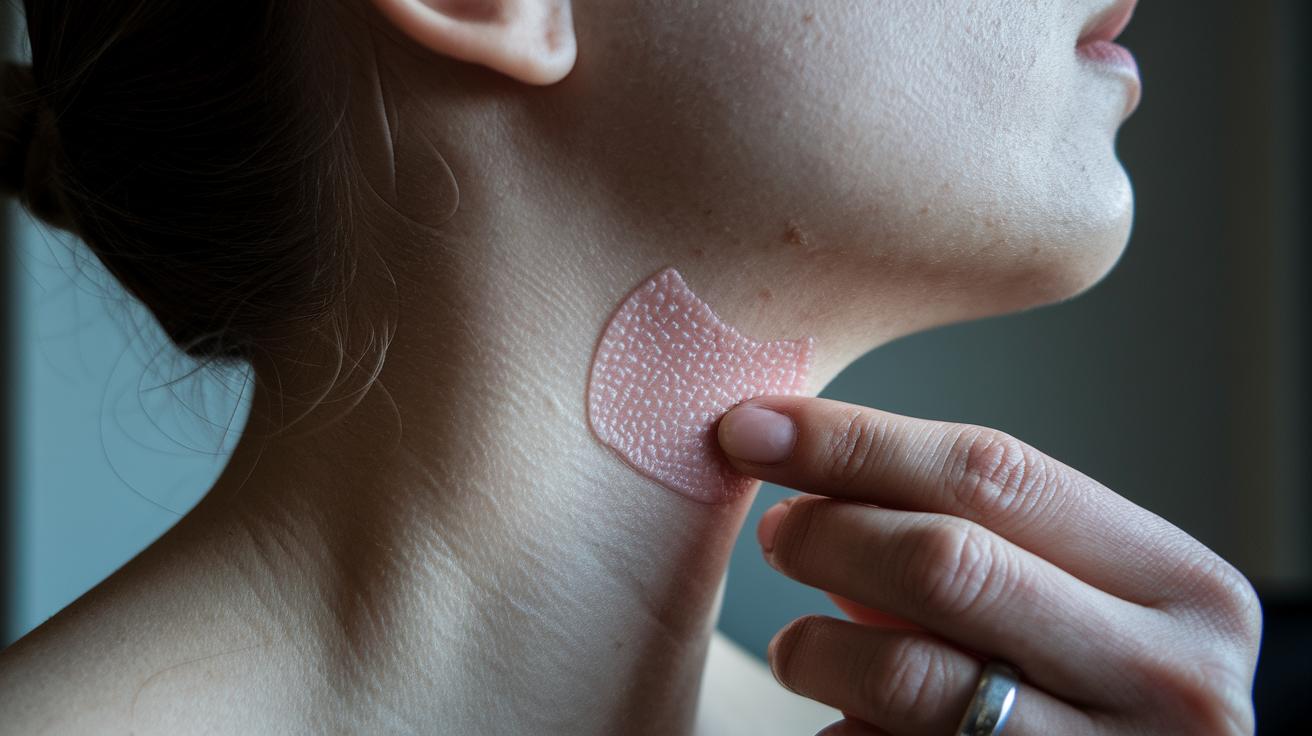
Skin tags are little, flesh-colored bumps that usually hang off on a tiny stalk. They’re made of fat, collagen (that firming protein), a few nerve cells, and tiny blood vessels. You can find them almost anywhere, but they tend to appear in spots where your skin rubs against itself.
Extra weight, type 2 diabetes, and high cholesterol (or dyslipidaemia) can increase your chances of getting them. And if you notice tags where your clothes or skin are always in contact, like by your neck, under your arms, or in the groin, it’s likely because of constant friction. Kind of like wearing your favorite cozy sweater too much, right?
It’s best to avoid DIY removal for tags that are over 1 cm, near your eyes or private areas, or if they start bleeding or growing suddenly. In these cases, a professional’s care is the safest choice to prevent any infection or risk of misdiagnosis.
Popular DIY Skin Tag Removal Methods at Home
Ligation Technique
This method involves gently tying a small rubber band around the base of your skin tag. First, clean the area with rubbing alcohol so it feels fresh and safe. Then, slide the rubber band around the tag’s base just like you’re securing a tiny accessory. Over one to two weeks, the tag loses its blood supply and eventually falls off, kind of like watching a fruit ripen and drop on its own. Just keep the spot clean to avoid any irritation.
Over-the-Counter Removal Creams
These creams usually have salicylic acid, a soft ingredient that eases the skin tag away bit by bit. Simply dab the cream on the tag once or twice each day. In a few weeks, you might see the tag start to soften and shrink, almost like it’s slowly fading out of the picture. Just be sure to watch for any redness or discomfort while following the instructions on the package.
At-Home Cryotherapy Kits
Home freeze kits use a special blend of dimethyl ether and propane to chill the tag safely. You only need to apply the cold spray for a few seconds. Over 10–14 days, the tag should naturally detach, similar to pressing a pause button until it gradually parts ways with your skin. Always stick to the kit’s directions so you don’t freeze the area too much.
Natural Remedies and Oils
Many people opt for natural remedies like tea tree oil or apple cider vinegar. While popular, these options don’t have strong clinical backing and might irritate sensitive skin. A good tip is to test a tiny drop on your wrist first, a little patch-test, like a mini trial run, to see if it causes any redness before using it more broadly.
skin tag removal at home made effortless

If you’re thinking about getting rid of skin tags at home, you’ll want to choose the method that feels right for you, whether it’s a handy kit or a gentle cream. Some options involve at-home cryotherapy kits that freeze the tag with a targeted spray, making it fall off in about 10 to 14 days. Many find this method appealing because it works quickly, even on hard-to-reach spots, though you might feel a brief, manageable sting.
On the flip side, there are removal creams that mix a bit of acid with botanical extracts to slowly peel the tag away over two to three weeks. This option is great if you’d rather take a gentler approach, but keep in mind it might need a steady hand and results can vary based on the tag’s size and location.
| Product | Type | Cost | Application Time | Pros/Cons |
|---|---|---|---|---|
| FrostAway Cryo Kit | Cryotherapy | $15 | 10–14 days | Quick removal; minor discomfort; precise application |
| FreezePro Precision | Cryotherapy | $20 | 10–14 days | Multiple applicator tips; highly targeted; slightly higher cost |
| ClearTag Remover Cream | Removal Cream | $10 | 2–3 weeks | Low pain; gradual removal; potential skin irritation |
Take a look at this comparison and choose the option that fits your comfort and needs best.
Essential Safety and Aftercare Tips for At-Home Tag Excision
After you take off a skin tag at home, caring for the area properly is super important so you don’t end up with an infection or irritation. Think of it like tending to a little cut – a bit of gentle care goes a long way. Here’s how to keep your skin happy and healthy as it heals.
- First, wash the area really well with an antiseptic solution (a special liquid that helps kill germs).
- Next, put on a very thin layer of antibiotic ointment to give extra protection.
- Keep the spot dry and cover it up with a clean, breathable bandage.
- Change the bandage at least once a day to keep the healing area neat.
- Keep an eye out for any signs like heavy bleeding, unexpected redness, or swelling.
- If you notice any irritation, a dab of aloe vera gel or a mild, soothing lotion can help calm things down.
- Lastly, avoid picking at the area or exposing it to dusty or dirty places – that only slows down your healing.
If you spot anything that seems off, don’t hesitate to talk to a health expert. Stay safe and take care!
Recognizing Complications and When to Consult a Dermatologist
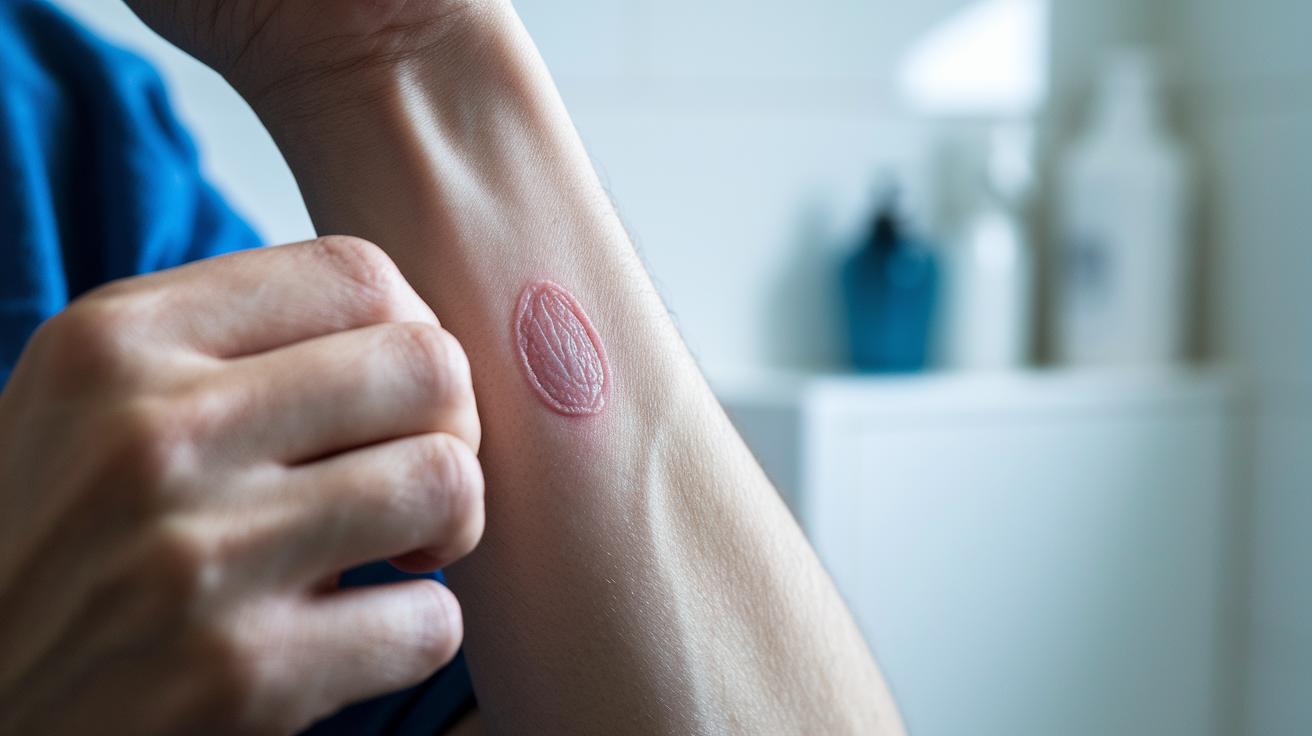
If you're trying to remove a skin tag at home, keep a close watch for any changes that seem off. Imagine noticing that the tag isn't its usual skin tone, starts growing quickly, or begins to bleed and hurt, that could mean it's more than just a simple skin tag. Sometimes what looks like a tag might actually be a wart or mole, or even something that deserves extra care. If you find that the area becomes more painful or starts itching a lot, that's a signal to chat with a dermatologist.
When you see signs like color changes, sudden growth, or ongoing irritation, it's a good idea to switch to methods approved by dermatologists or seek professional help. Techniques like carefully using small scissors, treating the area with liquid nitrogen (which freezes the tag), or employing electrocautery (a method that burns it off) are not only safer but also help ensure you get the right diagnosis. So, if you ever notice these warning signs, don't wait, reach out to a professional right away.
Final Words
In the action of mastering safe skin tag removal at home, you’ve learned how to assess, choose a removal method, and manage aftercare with a clear guide in hand. The post shared practical steps to transform a tricky process into a manageable routine. Everyday techniques, reliable kits, and careful checks can help you feel confident and informed. Keep exploring these practical tips and stay ahead in your self-care routine, knowing every step brings you closer to a hassle-free, chic lifestyle.
FAQ
How do skin tag removal creams and Vaseline work for skin tag removal?
The question about skin tag removal creams and Vaseline means these products aim to dry out the tag. Creams use active ingredients while Vaseline is sometimes applied for moisture loss. Results vary and irritation may occur.
How can I remove skin tags naturally and is it possible to do it in one night?
The question on natural, one-night removal suggests using options like tea tree oil or apple cider vinegar. However, home methods rarely deliver instant results, so patience and careful monitoring are key.
How do I cut off skin tags painlessly?
The question on painlessly cutting off skin tags points to techniques like using a sterile rubber band to cut the blood flow. This should be done carefully to avoid bleeding, and professional help is recommended if uncertain.
What method can remove skin tags instantly or offer the fastest home remedy?
The question about instant removal refers to home cryotherapy kits that freeze the tag until it detaches. Even with these, tags may take several days to fall off completely, so fast results are not guaranteed.
Can I remove a skin tag myself at home?
The question about self-removal indicates that small, uncomplicated skin tags can sometimes be treated at home safely. However, avoid doing so on larger tags or those near delicate areas, and consult a professional if in doubt.
How can I safely remove skin tags from my neck?
The question about removing neck skin tags stresses extra care due to delicate skin. It’s best to use gentle, well-tested methods while keeping the area clean and following strict aftercare to prevent irritation.
What could skin tags be warning me about in terms of health?
The question about skin tags as warnings suggests they might hint at friction or other conditions like diabetes. While they’re usually harmless, get professional advice if you notice rapid changes or discomfort.