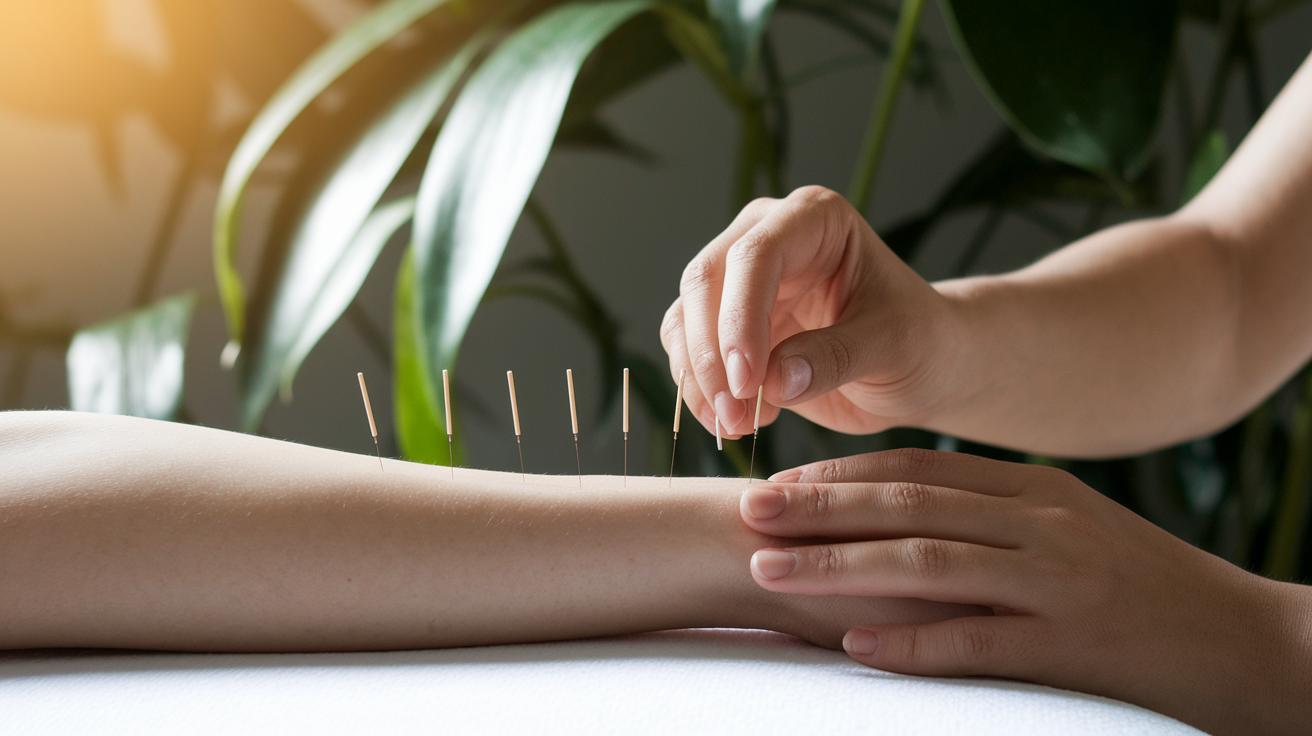
Ever thought a few tiny needles might help melt away your stresses? Acupuncture is a natural way to calm both your body and mind. Imagine a gentle, almost ticklish touch that wakes up your body’s own mood-lifters and eases those heavy stress hormones. It works like a small stream smoothing out rough stones, quietly and naturally. So if you’re looking for a peaceful, natural break from everyday pressures, acupuncture might be just the friendly remedy you need.
Acupuncture for Stress Management Sparks Serenity
Tiny needles, almost invisible to the eye, are gently placed on special points along your body’s energy pathways (that life force is known as Qi – think of it like a gentle, balancing flow). This ancient practice, rooted in thousands of years of tradition, whispers a calming signal to your nervous system, helping lower your heartbeat and ease your blood pressure. Imagine a delicate tap setting off a soothing melody that invites relaxation from deep within.
These little pricks spark a natural chain reaction inside you. With each precise touch, your body releases endorphins – those natural mood boosters – while also cutting down on cortisol, the stress hormone. Picture a soft river gradually smoothing out rough stones; slowly, tension melts away, leaving you with a sense of quiet balance and ease. No wonder it can help relieve common stress symptoms like tight muscles or a nagging headache.
Another bonus of acupuncture is better blood flow, which means oxygen reaches your muscles more easily. It’s like warming up your car on a frosty morning, where improved circulation relaxes your body without any invasive measures. In essence, acupuncture gently sparks a wave of calm, paving the way for a more balanced and serene mind and body.
Core Acupuncture Techniques for Tension and Anxiety Relief

Acupuncture brings a range of needle therapies that help melt away tension and ease anxiety in ways that feel both traditional and refreshingly modern. Imagine fine needles placed at just the right spots to jump-start your energy (like recharging your phone) while gently calming your mind and body. It’s a blend of letting go of physical tightness and soothing emotional ups and downs.
• Classic needle acupuncture targets the main energy channels to balance your Qi (that inner, life-giving force).
• Electroacupuncture adds a soft electrical pulse, giving the needles an extra boost for deeper relaxation.
• Moxibustion uses warmed mugwort to heat your energy paths, encouraging smoother circulation.
• Motor Point Acupuncture zooms in on specific muscle areas, easing out tight knots for lasting relief.
• Self-acupressure lets you apply gentle pressure on points like Yintang, Hegu, and Shenmen, bringing comfort right at home.
Each of these methods works in harmony to clear physical tension and calm emotional stress. Whether you feel a soft buzz from a tiny electric pulse or the soothing warmth of moxibustion, these techniques invite you to relax and find a balanced, peaceful state in your everyday life.
Clinical Evidence and Research on Acupuncture for Stress Management
Scientific studies back up what many of us have felt: acupuncture is a helpful way to ease stress. One study in the Journal of Psychiatric Research showed that people felt less anxious and more balanced after taking part in acupuncture sessions. It turns out that when you get treatment, parts of the brain that help manage emotions become more active, making it easier to keep your cool. Plus, research shows that acupuncture can lower cortisol levels, the hormone that spikes when you're stressed, and boost endorphin release, giving you a natural mood lift.
Regular acupuncture sessions have also been linked to better sleep. By helping to even out sleep patterns, especially for those dealing with chronic stress, this therapy offers a gentle, non-invasive way to ease both physical tension and emotional unrest. It works by engaging the parasympathetic nervous system, which naturally calms your body and mind, leaving you in a state of relaxed alertness.
| Study | Year | Participants | Outcomes |
|---|---|---|---|
| Anxiety Reduction | 2020 | 120 | Notable improvement in anxiety symptoms |
| Cortisol Decrease | 2019 | 98 | Clear drop in cortisol levels |
| Sleep Improvement | 2021 | 80 | Better sleep quality and regulation |
Essential Acupuncture Points for Stress and Emotional Balance
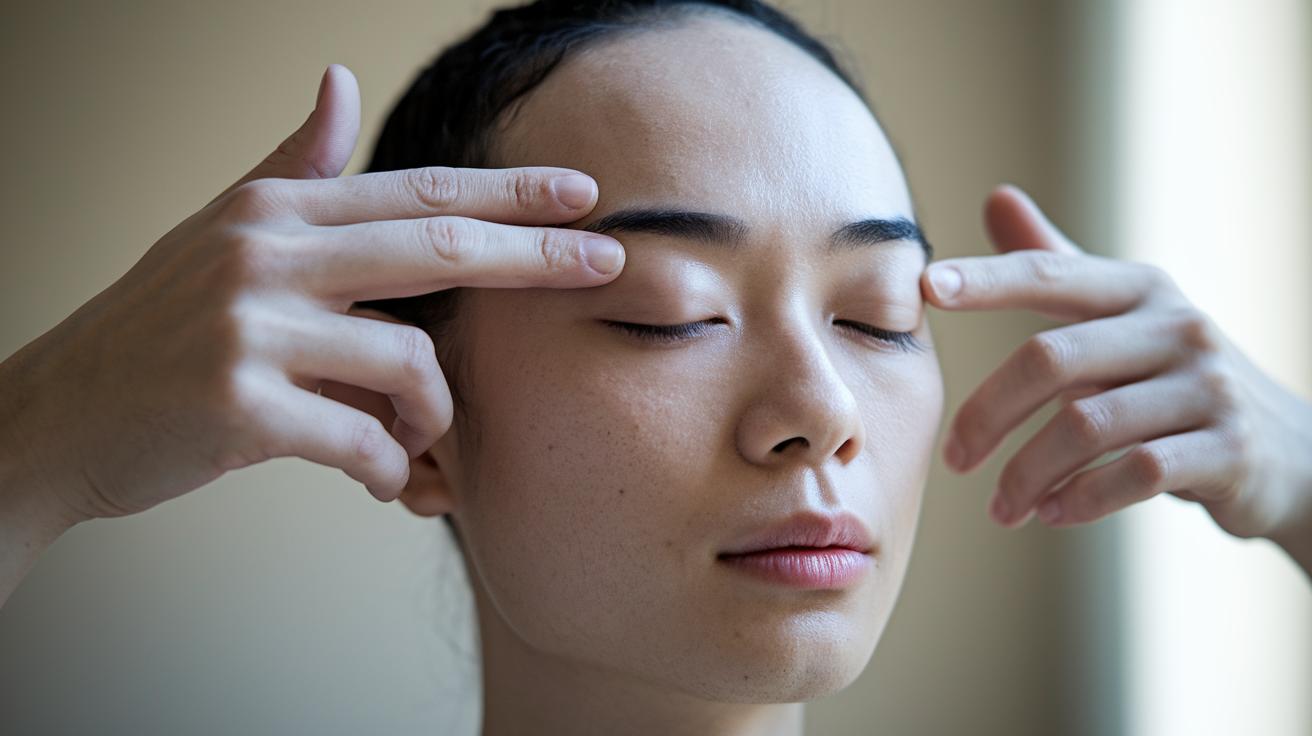
Our bodies have a natural network of energy paths, and some points along these paths can help melt away stress and bring calm to your emotions. These spots act like little markers that show where tension hides and how to let it go, paving the way for a gentle, natural relaxation.
One spot you might recognize is the Yintang, right between your eyebrows. A gentle touch here can ease racing thoughts and calm anxiety, almost like lowering the volume on a busy radio. Imagine a soft whisper that quiets down a noisy room.
Then there’s Shenmen, found on the ear. A little press at Shenmen can help ease those heavy feelings and stress, leaving you with a comforting sense of peace. And don’t forget about Hegu on your hand, it’s great for relieving headaches and easing muscle tightness. Together, these points work in harmony to balance both your body and emotions, helping you feel relaxed and centered.
Integrating Acupuncture into a Holistic Stress Management Plan
Taking care of stress means caring for both your body and mind. Think of it like mixing an old favorite remedy with new self-care habits. Acupuncture isn’t a magic fix on its own, it works best when it’s part of a balanced routine that helps you feel calm and collected.
Starting out with weekly acupuncture sessions sets a nice, steady pace for letting go of tension. Over time, you may find you need sessions every other week or even just once a month, based on how your body feels. During your personalized consultation, you and your practitioner can pinpoint what really stresses you out and plan treatments that suit your unique needs.
Pairing acupuncture with meditation or a gentle massage can really boost the benefits. Imagine the soft buzz of a massage or a quiet moment in meditation coupled with acupuncture creating a perfect blend that relaxes both your muscles and your thoughts. It’s like giving yourself a mini-retreat every time you show up.
Adding in herbal supplements and simple relaxation techniques further keeps your energy balanced. These natural touches, along with your regular self-care rituals, help make sure your stress relief plan fits perfectly into your life, making it both nurturing and sustainable.
Safety Protocols and Choosing a Qualified Acupuncture Practitioner for Acupuncture
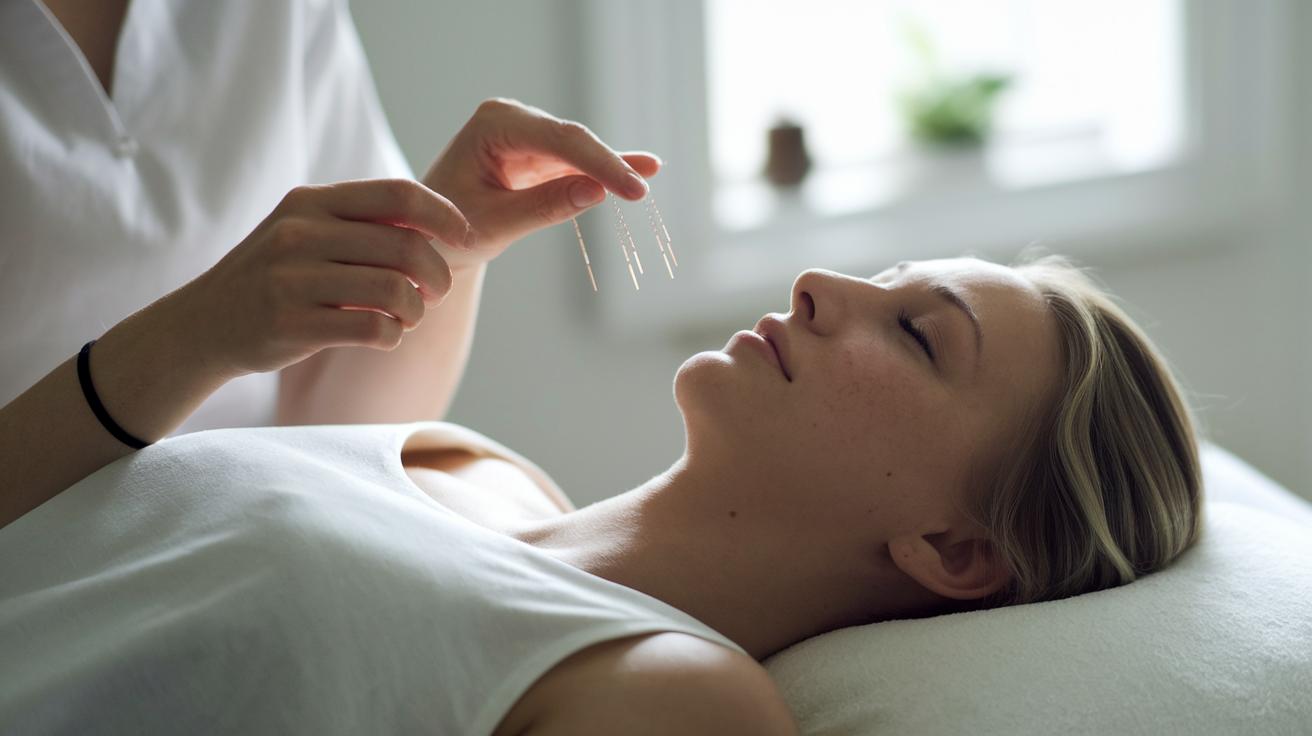
Licensed acupuncturists always make safety a big deal. They use fresh, single-use sterile needles to keep any risk of infection super low. Sure, you might notice a tiny bruise sometimes, but it usually fades quickly. With these careful steps in place, you can relax knowing you’re in really safe hands.
When choosing an acupuncturist, look for someone with clear credentials and great reviews. It never hurts to ask about the clinic’s hygiene practices and confirm they follow strict safety rules. Checking local reviews and certificate details helps you feel confident in your choice.
Complementary Self-Care Acupressure Techniques for Stress Reduction
Imagine hitting the pause button on a busy day, a few minutes of self-acupressure can help you melt away stress naturally, without any high-tech tools or long routines. It’s like letting your body tap into its own calming powers, soothing tension right when you need it.
Start by finding Yintang, the soft spot between your eyebrows, and press there with firm, gentle pressure for about 2–3 minutes. Then move on to Hegu, which is nestled between your thumb and forefinger; press steadily there to feel a comforting release. Finally, give the Shenmen point on your ear a gentle, consistent push. Take a moment to breathe deeply between each step, it really boosts the calming effect.
By making these acupressure points a little ritual in your day, you not only ease immediate stress but also nurture a balanced, peaceful body and mind. Give it a try and feel the calm unfold with every mindful touch.
Final Words
In the action, you explored how fine needles and precise techniques work to balance energy and soothe tension. The post detailed how acupuncture for stress management not only calms the mind by releasing endorphins but also supports natural circulation and muscle relaxation. Key research and safety tips helped clear up any concerns about treatment. Self-care routines round out these ideas, making it easier to adopt a holistic plan for stress relief. Embrace these insights for a more balanced, stylish life that feels empowering and real.
FAQ
Acupuncture for stress—where do the needles go?
Acupuncture for stress places super-thin needles at key meridian points along the body. This helps balance energy and kick-start the body’s natural relaxation response.
What are the key acupuncture stress relief points?
The stress relief points in acupuncture include spots like Yintang, Shenmen, and Hegu. These areas are targeted to ease tension and promote a calm, relaxed state.
Is acupuncture an effective treatment for stress, anxiety, and mild depression?
Acupuncture helps lower stress hormones and boost endorphin release, making it a useful treatment for stress, anxiety, and even mild depression. It offers a natural way to soothe both the mind and body.
How can I find acupuncture for stress near me?
When searching for acupuncture near you, look for licensed professionals who follow strict hygiene and safety protocols. Local clinics typically offer consultations to understand your needs.
What is considered one of the best therapies for managing stress and anxiety?
Many women find that combining acupuncture with mindfulness and physical activity offers a natural, well-rounded approach to managing stress and anxiety effectively.
How can I practice stress relief therapy at home?
Home stress relief can include self-acupressure by applying firm pressure on points like Yintang, Hegu, and Shenmen, combined with deep breathing for extra relaxation.
Is acupuncture good for overall stress management?
Yes, acupuncture is good for stress management because it balances energy and reduces stress hormones, helping your body relax naturally over time.
What are some effective stress management techniques?
Effective techniques include acupuncture, deep breathing, regular exercise, and mindfulness meditation. These methods work well together to ease tension and keep emotions in check.
How long does it take for acupuncture to work for stress?
Acupuncture may start showing benefits after just a few sessions. Many women notice a calming effect within 2 to 4 treatments as the body adjusts to lower stress levels.
What four stress management techniques might Thandi try to decrease her stress?
Thandi may consider trying acupuncture, deep breathing exercises, regular physical activity, and mindfulness meditation. Each method supports natural relaxation and helps reduce daily stress.