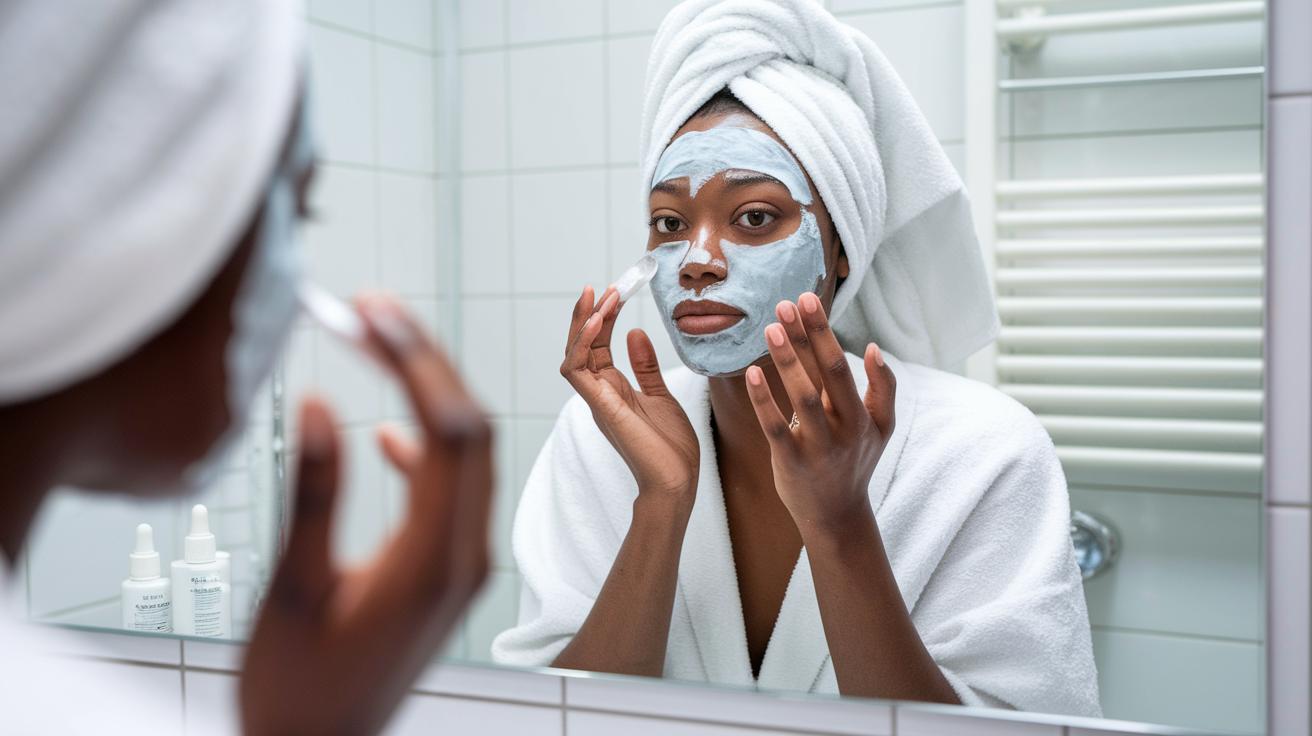
Have you ever wondered if a simple at-home trick could give you that pro glow? Try a gentle chemical peel right in your bathroom. These peels use mild acids, like glycolic (which helps slough off tired cells) and lactic, to reveal brighter and smoother skin. I'll walk you through how to safely test and time your peel so you can boost your radiance without any fuss. Ready to refresh your routine and let your skin shine from home?
Mastering Safe At-Home Chemical Peel Techniques
At-home chemical peels can bring a simple, instant glow without the fuss of a professional treatment. These DIY formulas use milder acid mixes, think glycolic, lactic, or mandelic acids along with friendly buddies like salicylic acid and polyhydroxy acids (that’s just a fancy term for gluconolactone and lactobionic acid). They gently whisk away dead skin cells from the very top, leaving you with a fresh, radiant look.
Before you dive in, always do a little spot test on a hidden area such as the inside of your arm or near your jaw. This quick check helps you see if your skin will handle the formula without any redness or discomfort. Ever notice how a quick test run can give you peace of mind? It’s like dipping your toes in before a swim.
Timing is key, too. Stick to the recommended window of 2 to 10 minutes, based on your product’s advice and your skin’s sensitivity. Keeping an eye on the clock prevents that unwanted sting of irritation, because no one wants their glow interrupted by a burn.
Using these gentle peels once a week can gradually boost your skin’s brightness over time. On the flip side, professional peels go deeper and need expert supervision. So by following these easy safety tips, you can enjoy a radiant, refreshed look while keeping your skin happy and healthy.
at home chemical peel: Radiant Skin Boost
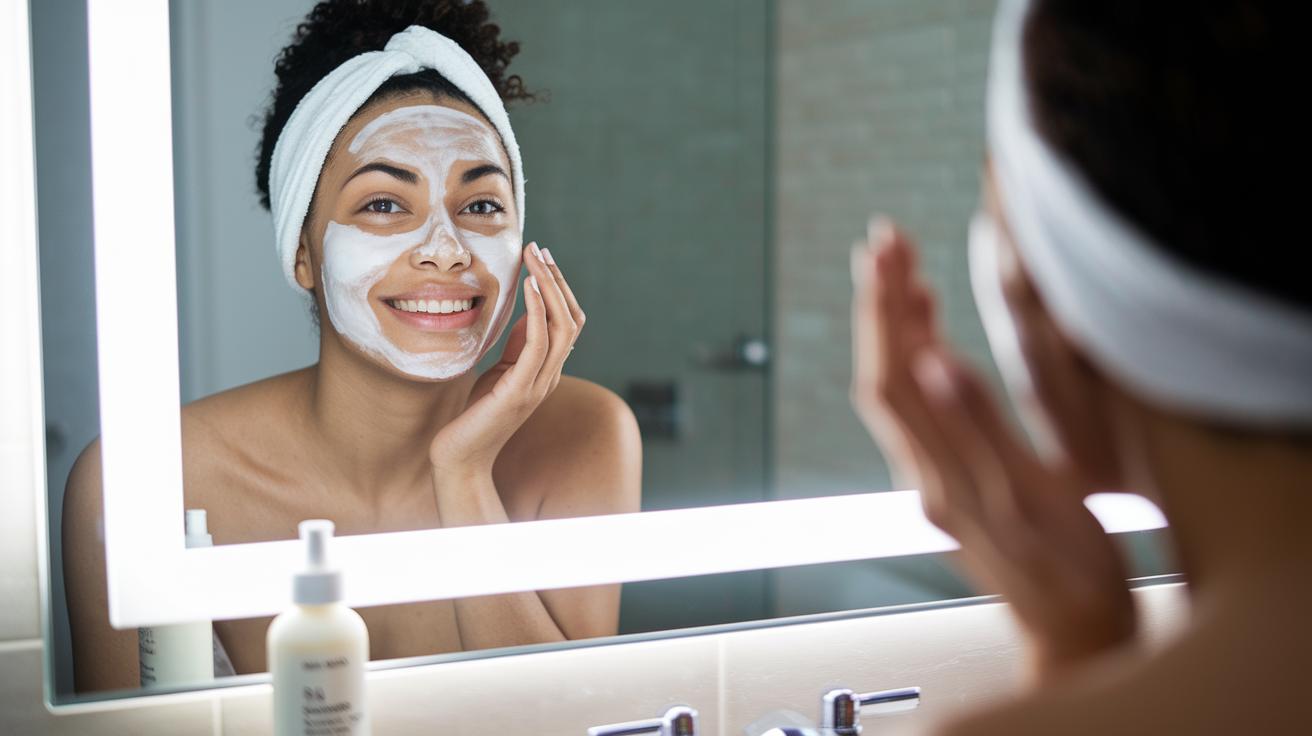
When you’re picking a DIY facial acid treatment, start by figuring out which active ingredient suits your skin best. If your skin is sensitive or dry, try lactic acid, a gentle, mild acid that lifts away dullness without causing irritation. And if you’re aiming to tackle blemishes or excess oil, salicylic acid is a solid choice because it works directly on acne and clogged pores. For those wanting a smoother, brighter look, glycolic acid can help reduce fine lines and pigmentation. Imagine using a soft, 5% lactic acid peel, ideal if you're just getting started with at-home treatments.
Many women blend these acids with little extras like retinoids or fruit enzymes to smooth and refresh the skin. Remember, if you’re new to this, it’s best to keep the formula light at first, around 5% to 10%, before moving on to stronger mixes of up to 30%. Always kick things off with a clean slate by washing and drying your skin first. This simple step helps reduce any irritation and boosts the treatment’s effectiveness. And don’t forget to take a quick glance in the mirror beforehand to check if your skin is ready for a little pampering, tracking your progress can be a fun way to see that gradual glow taking shape.
Stepwise Protocol for At-Home Acid Peel Application
Begin by gently cleansing your face with a light cleanser to wash away makeup and any impurities. This simple step creates a smooth canvas, letting the acid work more effectively.
Next, apply your acid blend softly and evenly using gentle strokes. Follow your product’s instructions closely and aim for light, complete coverage. Set a timer for 2 to 10 minutes, think of it like a mini spa alert gently reminding you when to move on.
When your timer rings, neutralize the acid right away by rinsing with lukewarm water or using a neutralizing solution. If you notice a slight burning or extra sensitivity, cool your skin with a cold compress for a few minutes and then apply a soothing serum to calm things down.
After that, finish with a calming serum or moisturizer packed with soothing ingredients, and don’t forget a broad-spectrum SPF every day to protect your refreshed skin as it recovers.
Keep a regular routine: opt for a gentle peel once a week and a medium one once a month. If your skin shows irritation or stress, consider shortening the treatment time or switching to products designed for sensitive skin.
| Step | Instruction |
|---|---|
| Preparation | Gently wash your face to remove makeup and impurities |
| Application | Evenly apply the acid blend and set a timer (2-10 minutes) |
| Neutralization | Rinse with lukewarm water or use a neutralizer; cool down if irritation occurs |
| Aftercare | Apply a soothing serum/moisturizer and finish with SPF |
Comparative Review of Top DIY Chemical Peel Kits

Picking a DIY chemical peel kit is all about matching the right acid blend to your skin’s needs. Some kits mix different acids to brighten your skin overall, while others target specific issues like acne or dark spots. For instance, the Shani Darden Triple Acid Signature Peel uses a trio of glycolic, lactic, and salicylic acids to boost your skin’s glow. And if you’re new to peels, the Dermalogica Liquid Peelfoliant blends gentle AHAs with enzymes, making it a great way to start.
If you need something that zeroes in on certain concerns, try the Obagi Blue Brilliance Triple Acid Peel. It combines glycolic, lactic, and salicylic acids with soothing ingredients to calm and clear up your skin. Meanwhile, The Ordinary AHA 30% + BHA 2% Peeling Solution is a wallet-friendly option packed with powerful acids, perfect for those who have already tried chemical peels and are ready for something stronger.
By looking at these options, you can see that each kit is different. For example, if you’re after a gentler peel, you might prefer a kit with enzymes and a lower acid concentration. But if you’re looking for dramatic results and you’re experienced with chemical peels, you might want the stronger option. This guide helps you pick the right kit based on what your skin really needs.
| Kit Name | Acid Types | Price | Best For |
|---|---|---|---|
| Shani Darden Triple Acid Signature Peel | Glycolic, Lactic, Salicylic acids | $125 | Overall radiance, smooth skin |
| Dermalogica Liquid Peelfoliant | AHAs and Enzymes | Mid-range | Beginners, sensitive skin |
| Obagi Blue Brilliance Triple Acid Peel | Glycolic, Lactic, Salicylic acids plus soothing agents | Moderate | Acne-prone, unbalanced skin |
| The Ordinary AHA 30% + BHA 2% Peeling Solution | Glycolic, Lactic, Tartaric, Citric acids and Salicylic acid | Budget-friendly | Advanced users, strong exfoliation |
Risk Management for At-Home Peel Treatments
At-home peels can give you a fresh new look when you treat your skin with care. Think of it as a little experiment, just like trying a tiny bite of dessert before going all in. Start with a spot test on your inner arm or jawline to see if your skin is on board.
Stick to the product’s timing rules without any shortcuts. Leaving the peel on too long might lead to unwanted side effects. And don’t forget your daily broad-spectrum SPF to protect your skin; even a few minutes of sun can make irritation worse.
If you notice sharp redness, blistering, or discomfort, rinse your skin immediately with cool water and gently apply a fragrance-free, soothing moisturizer. A cool compress can also help ease the irritation while you decide if it’s time to call in a skin care professional.
Follow these steps for a safe at-home peel:
| Step | What to Do |
|---|---|
| 1 | Do a spot test on your inner arm or jawline before applying the peel all over. |
| 2 | Follow the product’s timing exactly, no extra minutes. |
| 3 | Protect your skin daily with a broad-spectrum SPF and avoid the sun right after your treatment. |
| 4 | If irritation occurs, rinse with cool water and soothe with a fragrance-free moisturizer. |
| 5 | Stop use and pick up advice from a professional if severe reactions continue. |
Expert and User Insights on At-Home Chemical Peel Benefits
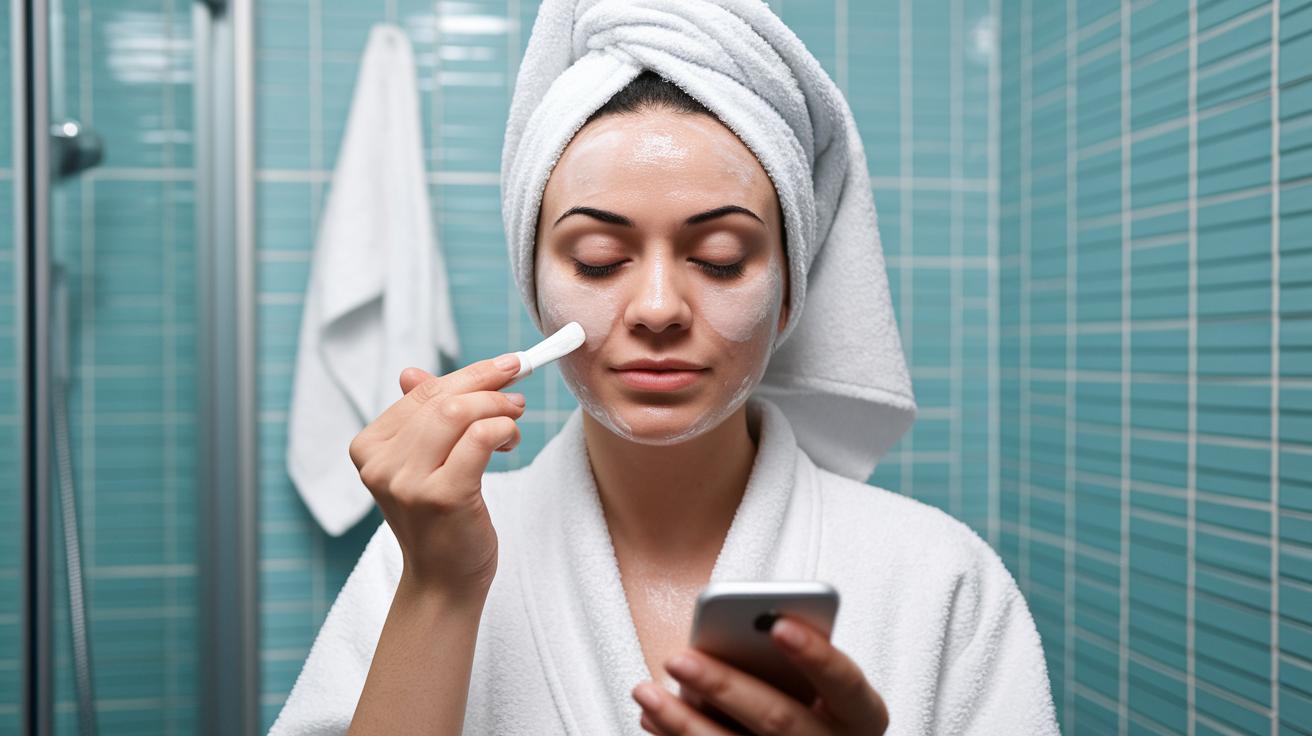
Board-certified dermatologists say that using gentle at-home chemical peels with the right timing can truly refresh your skin. They explain that while you might not see dramatic changes right away, staying with a weekly routine for about 4–6 weeks can lead to smoother texture, fewer dark spots, and even softer fine lines, kind of like giving your skin a mini self-care retreat.
A seasoned beauty writer with over 10 years of experience has noticed a fun new trend: many people prefer to do their peels on the weekend. This timing means your skin can rest while you enjoy some downtime, keeping the recovery period short and sweet. Users have shared that regular use helps balance their skin and leaves it with a gentle, lasting glow.
One happy user even shared, "It’s like my skin gets a soft boost every weekend, leaving me feeling confident and well cared for." Both expert advice and everyday experiences point to one thing: with a smart, consistent routine and proper aftercare, at-home chemical peels can bring out your skin’s natural beauty.
FAQs on Safely Performing At-Home Chemical Peels
We’ve woven the most important FAQ insights into our simple step-by-step guide, where you’ll find clear safety tips along the way. The guide gently reminds you to keep things light, a mild peel once a week is best, and if you're using a medium-strength formula, stick to once a month. It even walks you through pre-peel prep, like pausing any retinoids for 48 hours ahead, so your skin is happy and calm.
During the treatment, you might feel a slight, quick stinging sensation, which is totally normal. After your peel, it’s a good idea to treat your skin with gentle moisturizers, antioxidants (which help fight off skin damage), and broad-spectrum sun protection. And if your skin starts feeling irritated, simply rinse it off and skip your next session until things settle down.
Final Words
in the action, we explored safe at home chemical peel techniques that blend smart ingredient choices with clear, step-by-step routines. The guide walked through choosing the right acids and careful timing, while never forgetting key safety moves like patch tests and SPF use. Every part spoke to achieving a refreshed look without cutting corners. Embrace these insights and keep your routine gentle and fun, knowing every step is a step toward a more confident, glowing you.
FAQ
What do typical before-and-after results look like with an at-home chemical peel?
At-home chemical peels smooth skin, reduce fine lines, and lighten dark spots. Users often notice a refined texture and a refreshed appearance when instructions and aftercare are followed properly.
How does an at-home chemical peel work to reduce hyperpigmentation?
An at-home chemical peel treats hyperpigmentation by gently exfoliating pigmented cells, brightening the skin tone over time and promoting a more even appearance with regular use.
What are some top at-home chemical peel kits for wrinkles and overall skin improvement?
Leading kits combine acids like glycolic and salicylic to target wrinkles and improve texture. They provide a user-friendly treatment that helps to soften fine lines and refine skin with proper use.
Is it safe to perform a chemical peel at home?
Performing a chemical peel at home is safe as long as you follow all safety guidelines. Always do a patch test, adhere to the recommended timing, and use post-treatment care to prevent irritation.
Can a chemical peel help improve seborrheic dermatitis?
A chemical peel might assist by exfoliating dead skin cells; however, it could also irritate sensitive areas. It’s best to consult a dermatologist for personalized advice if you have seborrheic dermatitis.
What is a good home alternative to a chemical peel?
An excellent home alternative includes natural exfoliants like fruit enzymes, which gently resurface the skin. These options can refresh your complexion while being softer than traditional chemical peels.
Do chemical peels really improve facial skin?
Chemical peels enhance facial skin by boosting cell turnover and smoothing texture. Many users experience a brighter, more even complexion along with a reduction in fine lines after regular treatments.
What Perfect Image chemical peel products are available?
Perfect Image offers several peel products, including TCA 15% Skin Peel, Glycolic 50% Gel Peel, Hydro-Glo Peel Pads 40%, Revitaboost Peel Pads 35%, Salicylic 10% Gel Peel, and Salicylic 20% Gel Peel 1oz to address various skin concerns.