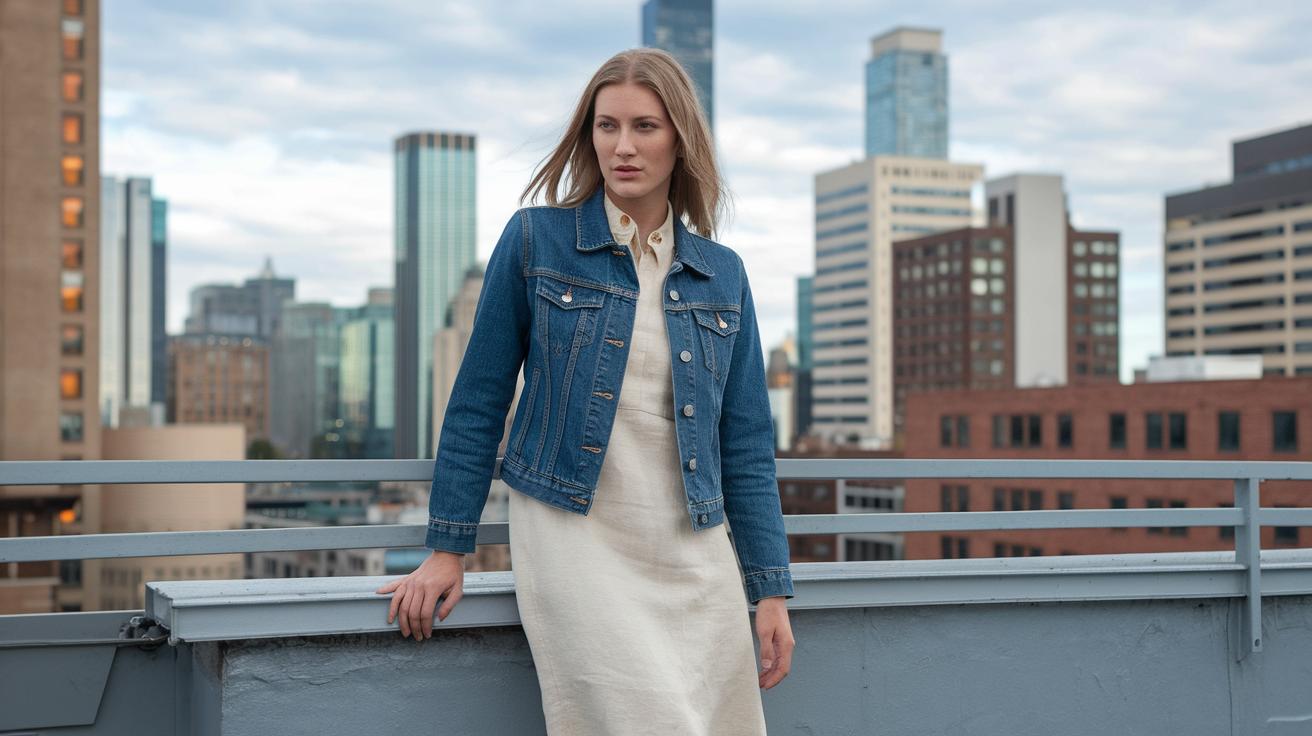
Ever notice how your outfit can actually help protect our planet? Eco-friendly fashion is flipping the script with cool ideas like on-demand production (making clothes only when needed) and ethical sourcing. Fast fashion pumps out about 10% of global carbon emissions, so these fresh trends are a win for both your style and our Earth. In this post, we'll shine a light on two green trends that are reimagining how we dress, proving that better choices can make a world of difference.
2 Eco-Friendly Fashion Trends: Style Reimagined
Today, more and more shoppers are on the hunt for styles that feel good and do good. Eco-friendly ideas are changing the way we think about fashion. Brands are cutting waste and using smarter ways to make clothes that lower the carbon footprint. It’s proof that you can look great while taking care of our planet. This fresh approach challenges the old fast fashion ways, putting thoughtful choices front and center.
Every day, these changes are turning casual outfits into responsible, stylish statements. New ideas like on-demand manufacturing (making items only when you order them) and ethical sourcing (choosing materials in a fair, kind way) mix environmental care with a chic vibe. That means every piece you wear can be both sustainable and seriously cool.
- Fast fashion is responsible for about 10% of global carbon emissions, which is why sustainable methods are so important.
- Circular fashion means giving garments a longer life by focusing on repair, resale, and recycling.
- On-demand production cuts down on waste because items are made only when needed.
- Eco-friendly dyes swap out harsh chemicals for biodegradable alternatives.
- Vegan materials like hemp fibers, pineapple leather, and organic cotton offer kind, ethical options.
- Virtual fitting technologies use AR and AI (augmented reality and artificial intelligence) to get sizes just right, which helps cut down on returns and wasted packaging.
- E-textiles, with smart sensors built right into the fabric, add cool health and performance features.
These trends show a growing movement where fashion meets mindfulness. As creative production techniques and responsible choices blend together, eco-friendly fashion is becoming a space where quality, care, and style live in perfect harmony. It’s not just a change for the planet, it’s an inspiring way to update your wardrobe while feeling good about each choice.
Eco-Friendly Materials Revolutionizing Fashion
Organic Textile Breakthrough
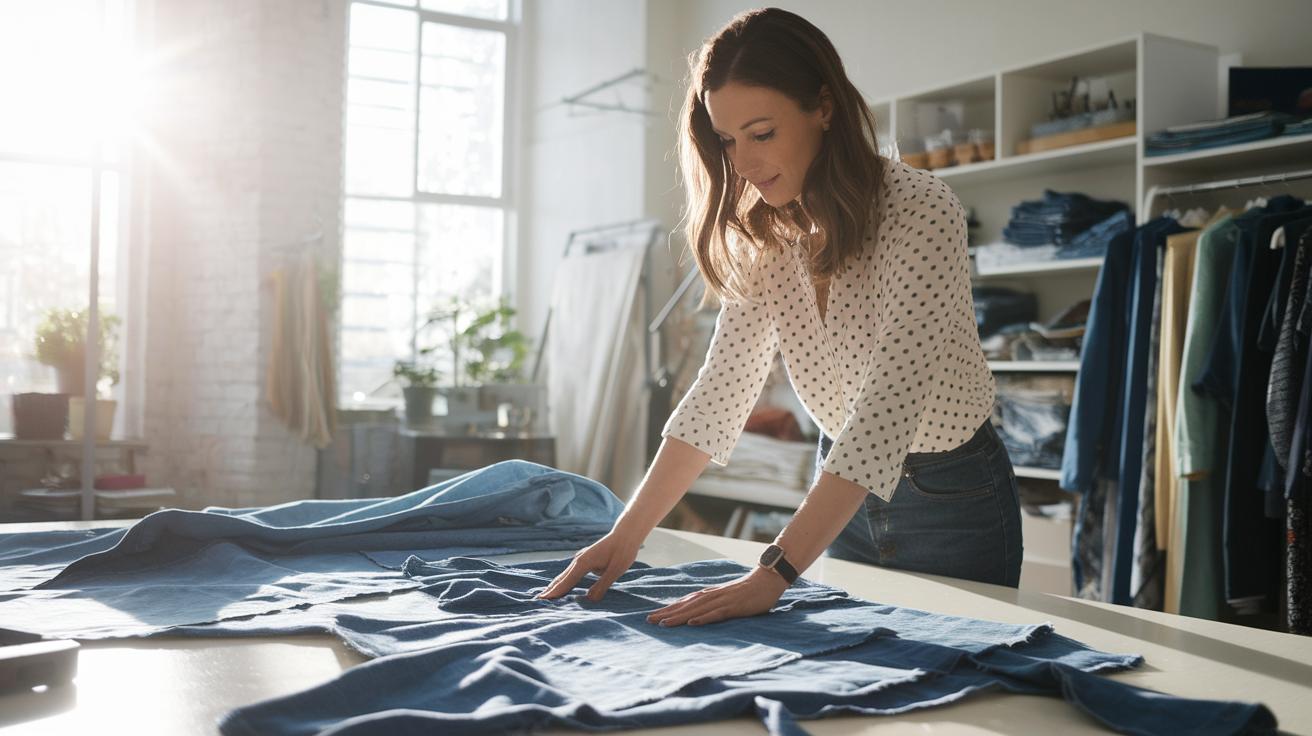
Organic cotton is changing the way we think about style and caring for our planet. It’s grown without synthetic pesticides and uses about 30% less water, which means fewer chemicals seep into the soil and water. Imagine a community garden that nurtures its plants naturally while saving water, that’s the idea here. More and more designers are choosing organic cotton because it’s kind to both our environment and the hardworking farmers behind it.
Upcycled Fabric Reinvention
Upcycled fabrics give a second life to materials that might otherwise be tossed away. These fabrics are made from recycled waste and garment scraps, turning what was left over into something totally new and trendy, like crafting a cool patchwork jacket from fabric leftovers. This clever recycling process helps reduce landfill waste while inspiring creative design. It’s all about blending sustainable practices with fresh, inventive style.
Advanced Tencel Progression
Tencel, alongside modal fibers, is made from wood pulp through a process that reuses over 99% of the solvents. Think of it as a nearly perfect cycle where almost every chemical is used again, cutting down on water use and waste. It’s like a system where nothing goes to waste, ensuring a smooth, luxurious fabric that feels great on your skin. This approach is becoming a favorite among brands aiming for style that leaves a lighter mark on our world.
Bio-Based Fiber Innovations
New bio-based fibers, crafted from mushroom mycelium and pineapple leaf waste, offer a fresh, biodegradable twist on traditional textiles. Picture a garment that feels delightfully soft and naturally breaks down with time, leaving behind minimal waste. These innovative fibers are still emerging, but they’re already setting high standards for sustainability while adding a touch of creative flair to the fashion scene.
Leading Eco-Conscious Fashion Brands to Watch
Ever feel like a stylish outfit can brighten your whole day? These forward-thinking brands show that looking good and caring for the planet go hand in hand. They’re fixing up old garments, cutting down waste, and keeping everything honest, proving that eco-friendly fashion isn’t a fleeting trend but a lasting way to care for ourselves and our world.
Here are a few standout names making real change:
- Patagonia: With their Worn Wear program, Patagonia offers pre-owned gear and repair services. This means your favorite jacket can be loved again, cutting waste while keeping style alive.
- Dr. Martens: Their refurbished centers extend the life of their iconic boots by up to 10 years. Imagine your go-to pair getting a second life while reducing production waste!
- Solid State Designs: This brand is all about transparency. They use natural dyes and zero-waste techniques, showing a deep commitment to creating beautiful, sustainable pieces.
These trailblazers serve as a reminder that simple, thoughtful actions can transform the fashion industry into one that’s kind to both people and the planet.
Ethical Supply Chains and Eco-Certifications in Sustainable Fashion
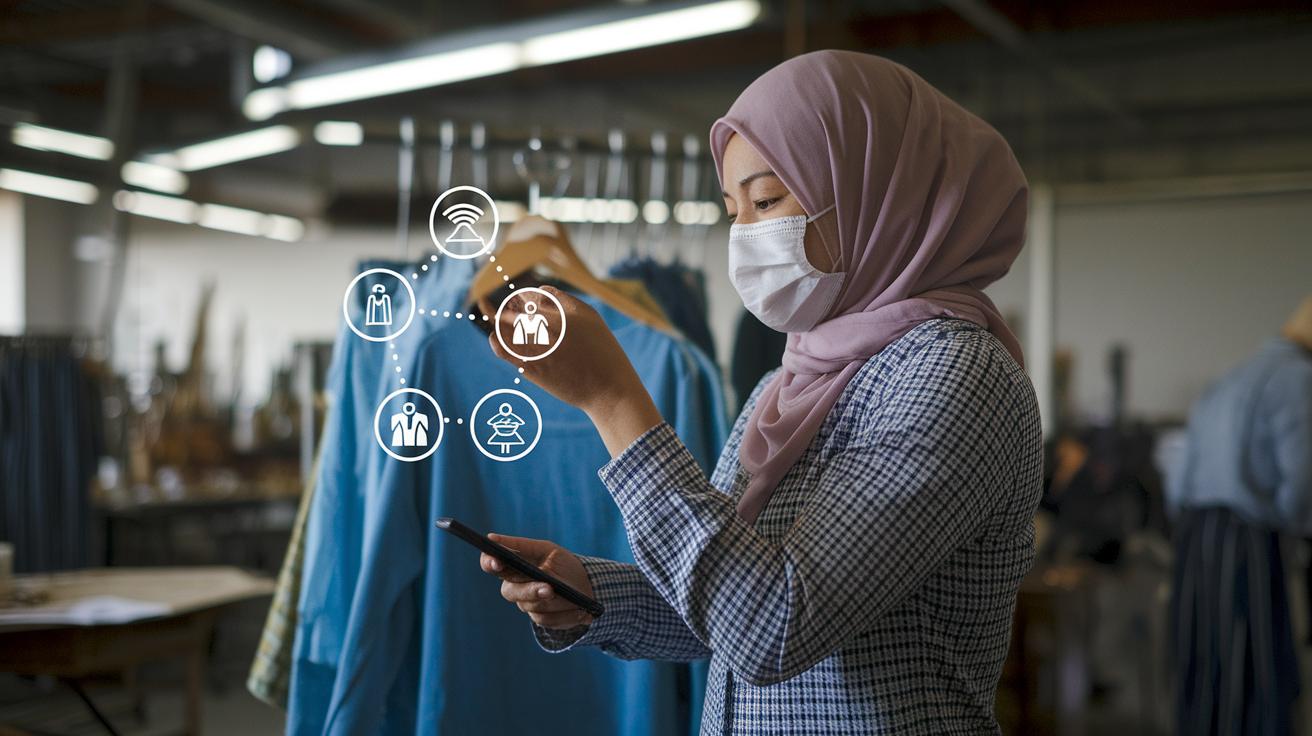
Ethical supply chains mean that every step, from gathering raw materials to finishing the product, is shared openly with you. Imagine a label that not only tells you the soft organic cotton was used but also explains that everyone involved was paid fairly and worked reasonable hours. This kind of honesty builds trust and lets you shop knowing you’re making a thoughtful choice.
The EU’s Sustainable and Circular Textiles Strategy is all about making sure that by 2030 every product you buy can be repaired, recycled, and is made responsibly. This new standard is pushing brands to rethink how they make clothes and to stick to solid sustainability practices. Today, more than 15 big brands proudly wear third-party certification labels to show off their promise to care for our world. When a vendor says, "Our fabric meets a non-toxic tailoring upgrade standard," it simply means the cloth follows very strict, safe, and ethical guidelines.
| Certification | What It Ensures |
|---|---|
| GOTS | Organic fibers and non-toxic processing |
| OEKO-TEX | Fabrics free from harmful substances |
| Fairtrade Textile Standard | Ethical labor practices and fair wages |
Seeing these labels on your favorite garment not only reassures you about the ethical journey behind it but also makes you feel great about your purchase. Brands are even adopting a zero-waste approach that turns scraps into opportunities for recycling and repair. Plus, their careful color processes ensure every vibrant hue is created with minimal impact on our planet. Each certification isn’t just a sticker, it’s a sign that the craftsmanship and care in making the clothes truly matter.
Sustainable Style Tips for an Eco-Friendly Wardrobe
Imagine your closet as a personal gallery filled with pieces you truly love. Start with a few timeless, high-quality items that bring you joy every time you wear them. A capsule wardrobe, about 10–20 versatile pieces, lets you mix and match effortlessly, keeping your closet tidy and your style fresh.
- Capsule Wardrobe Planning: Focus on essentials like organic cotton tees and recycled denim. This strategy can cut down on the need to replace items by nearly 50%.
- Versatile Layering: Layer items such as soft cardigans, cozy scarves, and chic jackets to create endless outfit options for any occasion.
- Proper Garment Care: Wash your clothes in cold water, let them air dry, and use gentle detergents. This simple care routine can make your favorite pieces last 25–40% longer.
Each of these tips is a step toward a wardrobe that's both stylish and kind to our planet. Embracing these ideas means turning everyday outfits into thoughtful expressions of who you are, proof that quality always beats quantity.
DIY Upcycling Techniques for Eco-Friendly Fashion
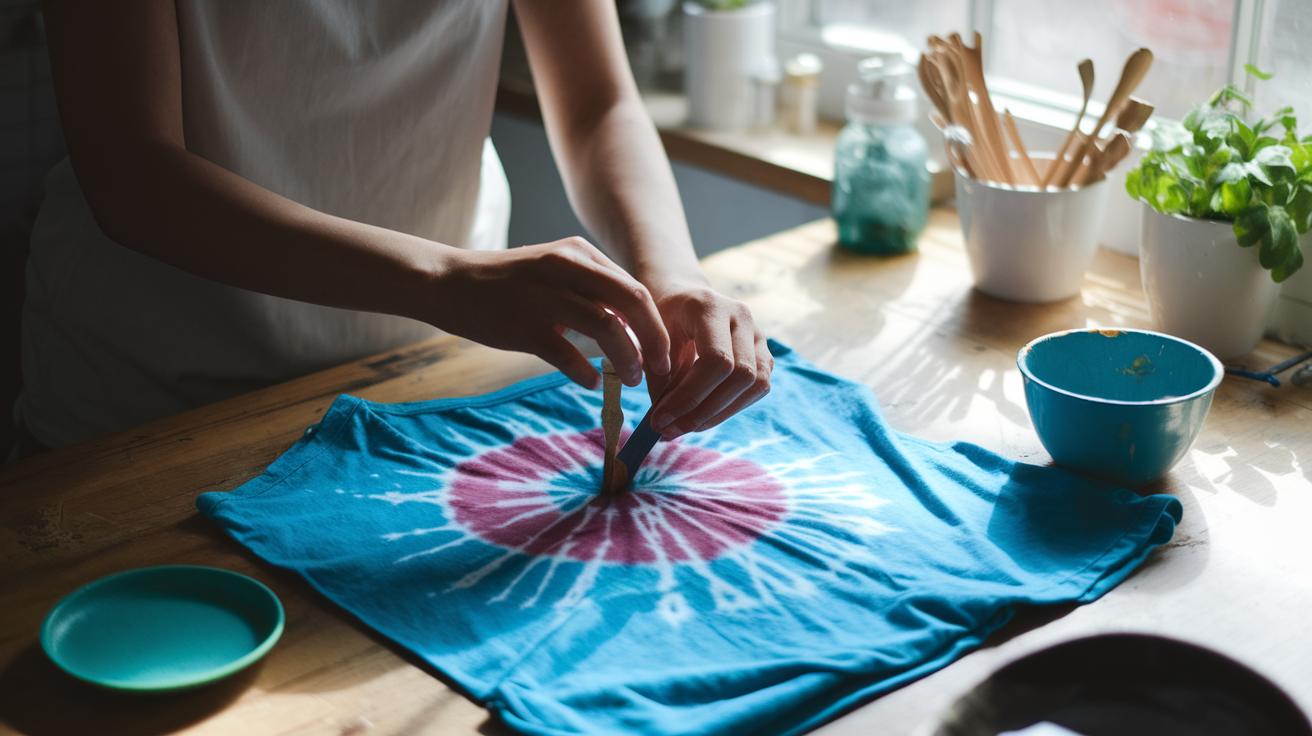
Upcycling breathes new life into your wardrobe by turning beloved old garments into fresh, sustainable pieces. It’s a fun, hands-on way to embrace circular fashion right at home while keeping waste to a minimum. Here are four creative ideas to try:
- Tie-dye with natural plant dyes – Imagine your plain tee coming alive with the burst of nature’s colors. Using eco-friendly plant dyes (made from natural sources like berries or leaves), you can transform a simple shirt into a vibrant work of art without any harsh chemicals.
- Patchwork and mending – Instead of discarding that favorite piece with a small tear, why not fix it? By patching or sewing in fabric scraps, you add character and durability, making each item truly one-of-a-kind.
- Converting old T-shirts – Don’t let those well-worn tees go to waste. With a bit of creativity, you can reshape them into reusable tote bags or even stylish headbands. It’s an easy way to recycle and refresh, keeping your style eco-friendly.
- Heat-set fabric paints and embroidery – Give a faded scarf or jacket a new lease on life. Simply add a few vibrant heat-set fabric paints and a touch of embroidery to create a personalized design that reflects your flair and love for sustainable fashion.
Every one of these ideas lets you turn everyday items into chic statements of creativity and responsibility, all while sticking to a zero-waste ethos. Enjoy the process and have fun making your wardrobe uniquely yours!
Challenges and Future Outlook for Eco-Friendly Fashion
It’s no secret that going green in fashion can cost more upfront. Sustainable materials can be 20–30% pricier than regular fabrics, which really puts emerging brands in a tight spot. For smaller designers, finding eco-friendly fabrics in limited quantities can make it tough to scale up while keeping quality and nature in mind.
Then there’s the issue of confusing rules. Outside strict guidelines like the EU’s 2030 goals, different areas have mixed messages that might let less-than-green practices slip by. This uncertainty can make shoppers wary, especially when they hear about greenwashing (a fancy term for falsely claiming to be eco-friendly). Customers just want to know exactly how and where their clothes are made.
Thankfully, teamwork is on the rise. Collaborations among NGOs, governments, and makers are key to expanding bio-based fiber production and sparking a fresh take on sustainable style. Plus, new tech is helping to tidy up supply chains and boost transparency. With these changes, eco-friendly fashion is on track to flourish, even if there are bumps in the road today.
Final Words
In the action of eco-friendly fashion trends, we dove into sustainable apparel evolution and clean wardrobe reform. We unpacked smart ideas like eco-friendly dyes, vegan materials, and even virtual fitting tech that cuts waste. Ethical supply chains and DIY upcycling tips rounded out a look at how style can meet mindful living. This guide shows how simple shifts can boost your personal flair while keeping our planet happy. Enjoy making every outfit a bold statement of care and creativity.
FAQ
Eco friendly fashion trends vogue
The eco friendly fashion trends in vogue showcase a move toward green materials, ethical production, and stylish designs. Consumers enjoy chic pieces that are as kind to the planet as they are modern.
Sustainable fashion trends 2025
The sustainable fashion trends 2025 point to a stronger shift toward circular designs, bio-based textiles, and digital fitting tools. Designers are aligning aesthetics with eco-friendly practices to minimize environmental impact.
Sustainable fashion brands
The sustainable fashion brands spotlight companies committed to green practices. These brands use recycled ingredients, natural fibers, and repair programs, offering stylish collections that are friendly to both people and the planet.
Sustainable fashion examples
The sustainable fashion examples include innovative uses of organic cotton, recycled polyester, vegan materials, and upcycling tactics. They clearly demonstrate that eco-friendly choices can blend seamlessly with current style trends.
Sustainability in fashion industry PDF
The sustainability in fashion industry PDF offers a concise guide to eco initiatives, ethical sourcing, and innovative production methods. It serves as a resource to understand how sustainability is reshaping the fashion landscape.
Sustainable fashion ideas for students
The sustainable fashion ideas for students involve building capsule wardrobes, shopping second-hand, and embracing DIY upcycling. These tips help reduce waste while keeping budgets on track and style current.
Why is sustainable fashion important
The importance of sustainable fashion lies in reducing environmental harm, conserving resources, and ensuring fair work conditions. Eco-friendly practices help reshape the industry to be cleaner and more ethical.
Sustainable fashion news
The sustainable fashion news informs readers about innovative materials, transparent supply chains, and industry milestones. Staying updated helps consumers make informed, eco-conscious choices in their wardrobe decisions.
What are the trends in sustainable fashion?
The trends in sustainable fashion center on circular models like repair and resale, eco-friendly dyes, and on-demand production. These practices work together to lower waste and reduce the overall carbon footprint of apparel.
What is the most eco-friendly fashion brand?
The most eco-friendly fashion brand question often highlights names like Patagonia and Dr. Martens, known for robust repair programs, recycled materials, and transparent manufacturing practices that significantly lower environmental impact.
What is the 30 wear rule?
The 30 wear rule encourages you to wear a garment at least 30 times before discarding it. This practice promotes thoughtful consumption and maximizes the life of quality clothing.
What are the 4 R’s of sustainable fashion?
The 4 R’s of sustainable fashion are reduce, reuse, repair, and recycle. This simple framework leads consumers to make choices that lower waste and extend the lifecycle of their garments.