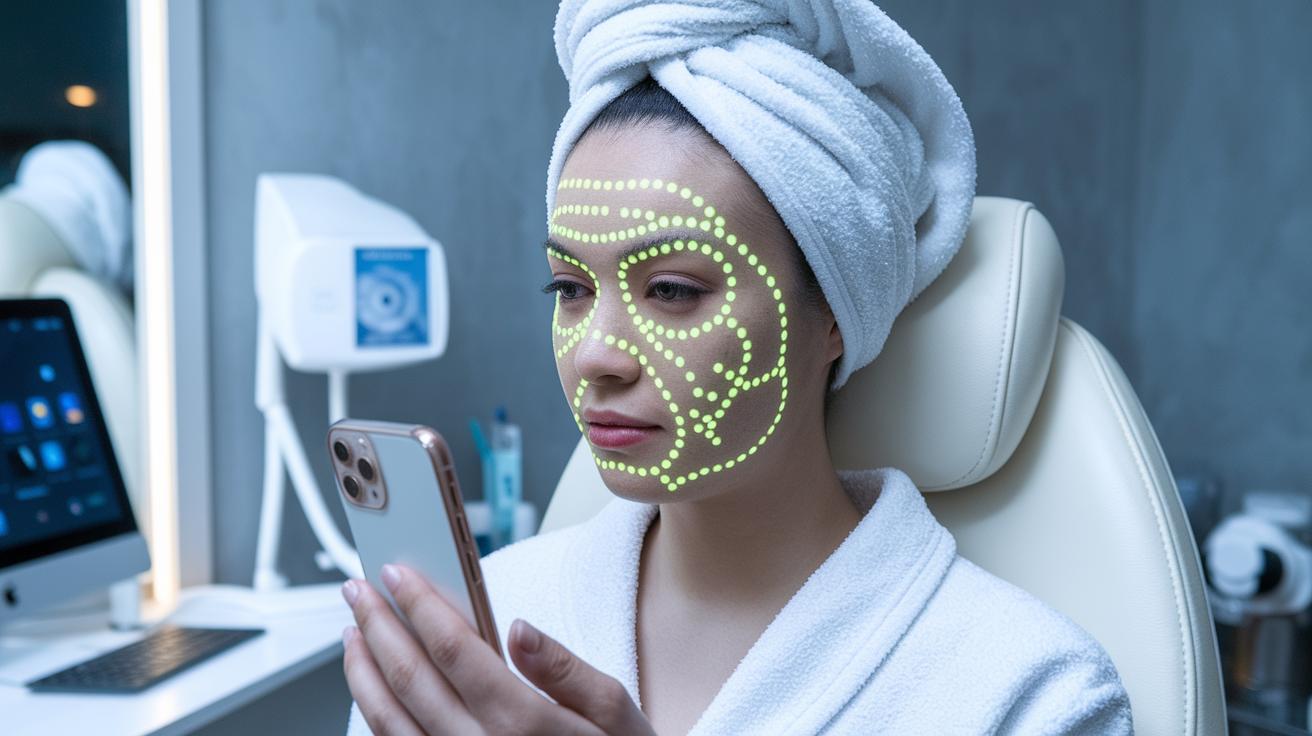
Ever notice how your skin sometimes seems to whisper secrets about how you’re feeling inside? The little breakouts on your face might be clues, clues about your diet, your stress levels, even what your hormones are doing.
Each spot on your skin can be like a tiny note pointing to how well your tummy is working or how balanced your body might be. When you look at where these spots show up, it’s almost like your face is sharing its own special map, guiding you toward a happier and healthier you.
In this post, we’re going to chat about what your skin might be trying to tell you. Think of it as a friendly guide to tuning your skincare routine and giving your inner self the care it deserves. Get ready to see your skin in a whole new light!
Understanding Face Mapping of Acne
Face mapping is a cool way to see what your skin might be telling you about your inner health. It looks at where breakouts appear and hints that what you see on your face might actually be linked to things like hormonal shifts, the foods you eat, or even stress. For example, if you notice a pimple flare-up on your forehead after enjoying a lot of processed snacks, it could be your body's way of signaling some digestive stress.
This idea comes from ancient traditions like Ayurveda and Traditional Chinese Medicine, which see our bodies as one connected whole. These time-tested practices suggest that different parts of your face match up with certain organs and body systems. For instance, a breakout on your chin might be tied to hormone changes, while spots on your forehead can hint at a digestive imbalance. It's a blend of old wisdom and modern observation that invites you to think about skin health in a whole new light.
Even though mainstream Western dermatology hasn’t fully embraced face mapping, many find it super helpful for creating a skincare routine that’s just right for them. Studies using breakout analysis show that by looking at the layout of your face, from your nose down to your chin, you can spot signals like stress or too much oil from shifting hormones. In short, face mapping bridges ancient insights with today's skincare needs, giving you the power to adjust your routines for clearer, healthier skin.
Facial Zones in Face Mapping of Acne
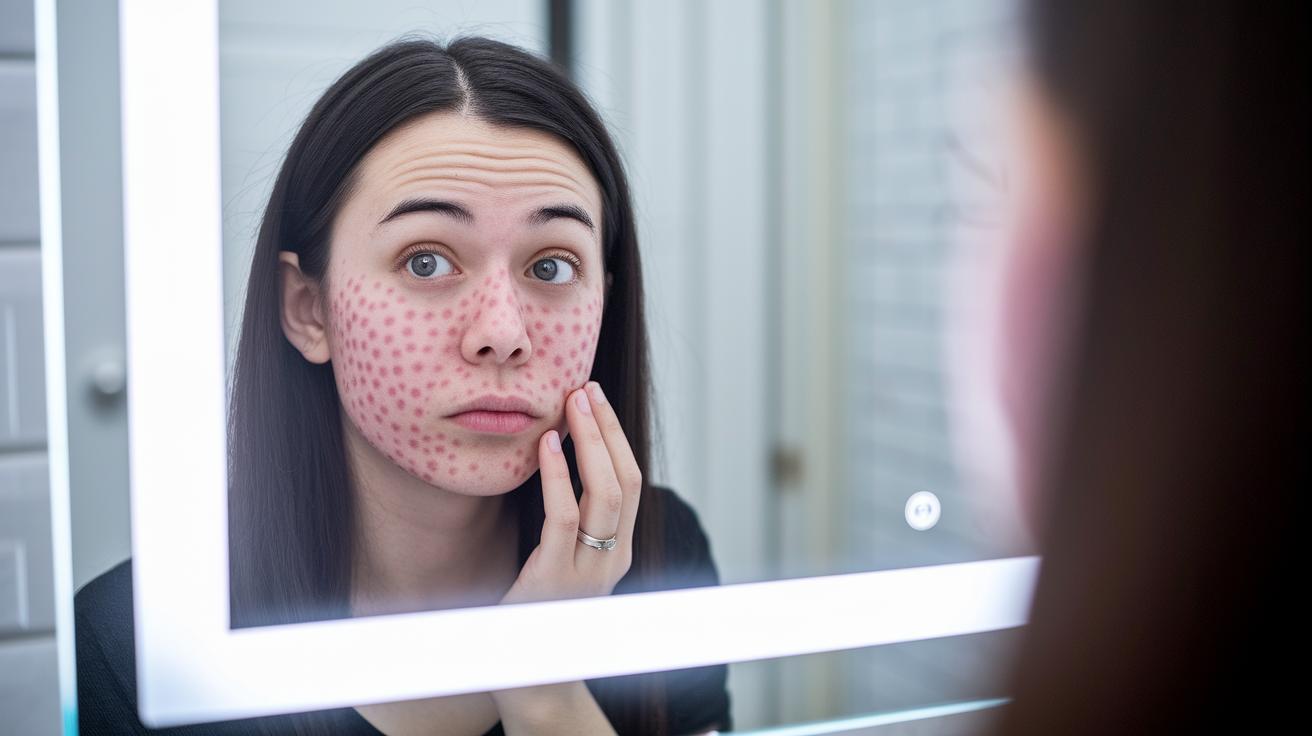
Have you ever noticed that your skin seems to have its own secret language? Mapping your acne by face zones can actually give you clues about what’s going on inside your body. By keeping an eye on where those pesky pimples show up, whether on your forehead, nose, cheeks, chin, or brows, you can connect the dots between your skin and everyday habits like what you eat, how you sleep, and your stress levels.
Forehead
If your forehead is breaking out, it might be hinting at some tummy troubles. Foods high in sugar or lots of processed snacks, along with feeling stressed or not catching enough zzz’s, can lead to an oily buildup. Everybody sees this now and then, women especially during those hormonal shifts. It’s like your skin is giving you a little nudge to maybe rethink that diet or get some extra rest.
Nose
When pimples appear around your nose, it might be more than just a skin issue, it could be a sign that your heart and lungs are feeling the pressure too. Spicy meals or extra oil in your diet might be stirring up trouble here. Guys could notice a thicker layer of oil, while ladies might see smaller, subtler breakouts. It’s a friendly reminder to watch your stress and maybe tweak your skincare routine a bit.
Cheeks
Cheek breakouts are super common and often come from everyday things. Ever think about how your phone might be carrying germs, or how a rough pillowcase can irritate your skin? These external factors, along with possible hints from your respiratory system, can lead to those annoying spots. Both men and women deal with cheek acne, and it often comes down to habits like cleaning makeup tools or keeping your phone smudge-free. A little gentle care can make a big difference.
Chin
Acne on the chin is often a signal from your hormones. It might flare up during your period or even while you’re pregnant, showing up with red, inflamed spots and excess oil. Although this is more common in women because of natural hormonal shifts, men aren’t completely off the hook, stress can also throw things off and lead to chin breakouts. Your skin is just letting you know that a check on your inner balance might be a good idea.
Brows
If you’re seeing breakouts near your brows, it might be more than a superficial skin issue. This area could be reacting to what you eat, too many processed foods, sugars, or fats, especially if you’re indulging in late-night snacks or drinks. Both men and women can have brow acne, but the frequency and severity often tie back to your diet. It’s like your skin is gently reminding you to consider a healthier plate.
Scientific Foundations of Acne Face Mapping
Acne is a common skin issue that happens when hormones go a little wild. Once we hit puberty, our natural hormones (like androgens) signal our skin to produce extra oil. This extra oil mixes with dead skin cells and bacteria, which can block pores and cause little breakouts. Think of it like a tiny traffic jam on your face. When hormones tip the balance, a big surge of oil can clog certain pores and lead to inflammation in those spots.
Mapping out where these spots appear is all about noticing patterns. Experts check the oil glands and look for specific areas of irritation on your face to see if there’s a connection between breakouts and other internal imbalances. While not every dermatologist has embraced face mapping yet, it offers a personalized look at your skin and helps tailor treatments that work just for you.
Facial Zones and Lifestyle Considerations in Acne

Your diet, stress, and sleep all play a part in how acne shows up on your face. When you choose a low-glycemic diet, it helps steady your insulin levels, which can keep flare-ups in check. And when you take a moment for mindfulness or a light walk, it eases stress and soothes your skin. Plus, a solid sleep routine gives your skin the balance it needs, helping each facial zone look its best.
- Try a low-glycemic diet to keep insulin spikes at bay and reduce breakouts.
- Embrace simple ways to cut stress, like mindfulness or a bit of light exercise, to calm skin inflammation.
- Fill your meals with nutrient-packed foods that offer antioxidants and friendly helpers like curcumin and resveratrol.
- Stick to a regular sleep routine to keep your skin balanced across your face.
Treatment Strategies in Acne Face Mapping
When you tune in to the little signals from different parts of your face, your skincare routine can work wonders by targeting breakouts right where they happen. Every area, from your forehead to your chin, shares its own message, and by listening, you can pick the perfect fix. Whether it’s that urge to pop a pimple or a layer of daily grime building up, a custom routine can clear your skin and ease any irritation.
- Choose a cleanser made just for acne. It gently cleans clogged pores without stripping your natural moisture. Check out how to get clear skin for a product that perfectly balances cleansing with care.
- Add a gentle boost with chemical exfoliants that remove dead skin cells and help unclog pores, leaving your skin feeling smoother.
- Resist the temptation to pop pimples. It might seem quick, but it could cause more inflammation or even scars. Instead, treat spots with targeted ingredients to keep irritation in check.
- Remember to clean your makeup brushes regularly. This simple step helps keep bacteria at bay, so your tools stay a friend to a healthier complexion.
Mixing these techniques with your face mapping insights means you’re not just covering up breakouts, you’re addressing what your skin is really telling you. By tailoring cleansers, exfoliants, and other care habits to the unique needs of your forehead, nose, cheeks, chin, and brows, you’re setting the stage for lasting improvements. When every step of your routine listens to your skin’s signals, you’re on your way to a clearer, calmer complexion that feels just right.
Personalized Dermal Evaluation Through Face Mapping of Acne
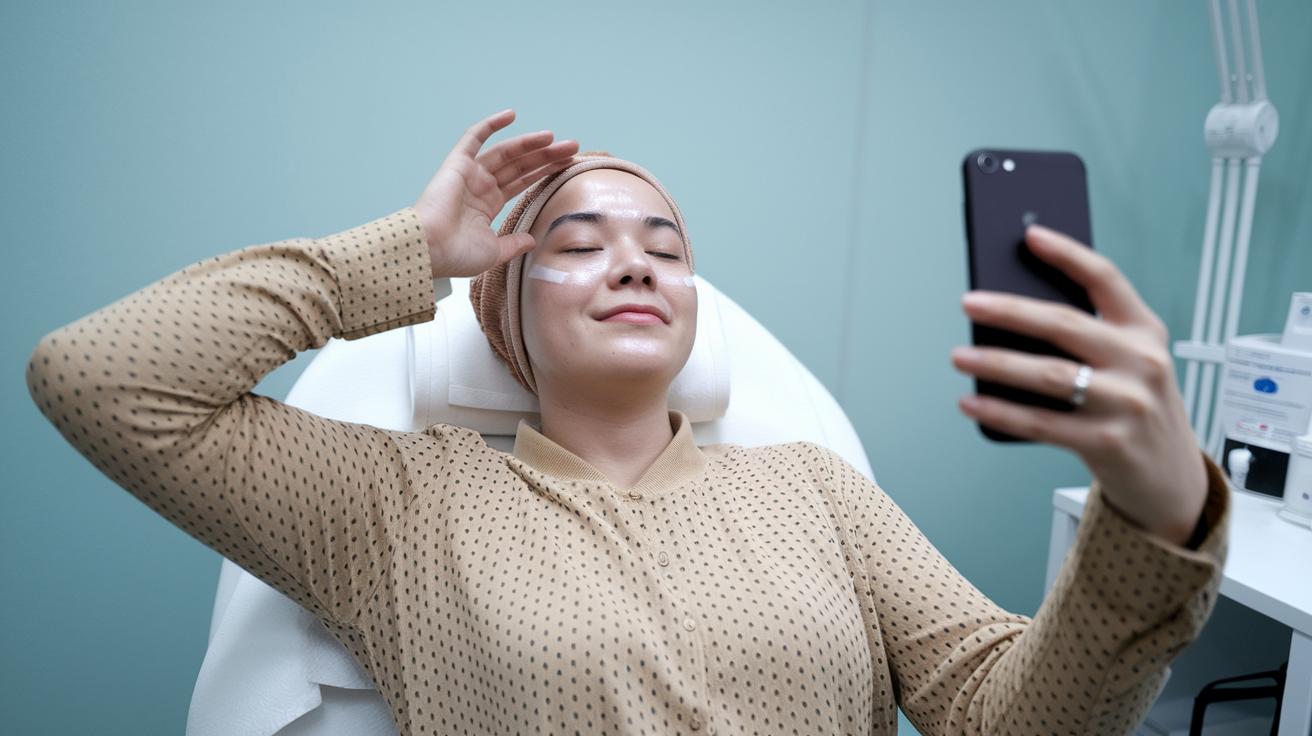
When you send a quick selfie along with your skin worries, it feels like opening the door to a heart-to-heart with a skin expert. You get to share what’s bothering you, and a pro looks at your skin’s signals in a very personal, friendly way. By listening to your skin’s story, these experts use simple zone data to understand your skin’s needs. Think of your breakouts as little clues that help create a treatment plan made just for you.
| Step | Description |
|---|---|
| Consultation | You send over your skin concerns and selfies, giving a glimpse into your daily skin routine. |
| Mapping Analysis | An expert looks at key areas, from oil production to skin barrier strength, to figure out your breakout patterns. |
| Formula Prescription | Using the look at your skin, a special formula is created to help balance and care for your unique skin. |
This method lets a dermatologist not only see where the problem spots are but also understand what might be happening inside your body. Step by step, from your initial chat to a tailored treatment plan, everything is crafted with care. You get a personal approach, so your therapy is never a one-size-fits-all deal. Every recommendation fits the unique clues your skin gives every day.
Limitations and Future Directions in Acne Face Mapping
Right now, Western skin experts haven’t fully given acne face mapping a thumbs-up with solid scientific proof. This means different mapping methods pop up, each taking a unique approach, and we’re left wondering about its true clinical value since big studies are still missing. For now, face mapping feels more like an interesting guide rather than a sure-fire way to diagnose acne. But there's a silver lining: fresh technologies using smart charting and biofeedback (that fancy way to see how your skin reacts) are showing real promise in boosting accuracy. I imagine that combining trusted clinical insights with a more all-around, holistic look at the skin could soon help us create more personalized and effective care techniques.
- New technology-driven charting and biofeedback might soon make mapping even more spot-on.
- Larger studies that standardize mapping methods could bring the consistency we need.
- Mixing clinical details with a holistic view promises to deliver sharper, more personalized skin care strategies.
Final Words
In the action, we explored how face mapping of acne links skin zones with inner health, drawing on ancient and modern insights. We broke down facial regions, uncovered how lifestyle tweaks can brighten your outlook, and shared targeted treatment tips for clearer skin.
Each section built on practical tips for tailored skin care. Embrace this guide as a friendly nudge toward a refreshing, informed approach to self-care and style. Enjoy each step toward your best skin yet!
FAQ
What is acne face mapping and what solutions does it suggest?
Acne face mapping pinpoints areas on your face linked to possible internal triggers. It guides you toward targeted skincare routines, though it isn’t fully validated by modern medicine.
How does acne face mapping differ for females and males?
Acne face mapping for both females and males highlights breakout zones, but hormone differences can create distinct patterns. These differences help tailor individualized care for a clearer complexion.
How do I treat cheek acne and what do pimples on the cheeks mean?
Cheek acne often signals irritation from bacteria or friction from phone use and unclean makeup brushes. Treat it with a gentle cleansing routine and by refreshing your beauty tools regularly.
Why do I experience hormonal acne on one side of my face?
Experiencing hormonal acne on one side may relate to localized factors like sleep position or phone contact. Hormonal shifts could also influence one area more, suggesting adjustments in skincare habits.
How can I stop pimples from coming on my face?
Stopping pimples starts with a consistent cleansing routine using acne-specific cleansers, careful exfoliation, and regular cleaning of makeup tools. These habits help reduce bacterial buildup and inflammation.
How accurate is face mapping for acne?
The accuracy of face mapping is still debated. While it offers useful hints about zone-specific triggers, it isn’t entirely backed by modern scientific research, making it a personal guideline rather than a definitive diagnosis.
What does the location of my acne reveal about my health?
The spot where acne appears can hint at specific internal triggers. For example, chin breakouts might reflect hormonal shifts, while cheek breakouts could result from external factors like makeup residue.
How do I figure out what type of acne I have?
Figuring out your acne type involves observing where and when breakouts occur, noting links with stress or hormones, and considering professional advice to identify patterns and customize treatment.
What hormone is related to acne, and could its lack cause breakouts?
Acne is typically tied to hormonal imbalances, especially with androgens that boost oil production. It’s rarely due to a missing hormone; instead, shifts in hormone levels often trigger breakouts.