
Ever stop to think if your daily sunscreen is really protecting you? Picture it as your soft, unseen shield from the sun's harsh rays, keeping your skin smooth and glowing all day long.
Imagine a light, breezy cover that not only blocks those risky UV rays (that’s the sun’s hidden danger) but also brings out your natural radiance. In this guide, we chat about the benefits of finding the right sunscreen. Before you know it, you’ll be enjoying sunny days without a worry, all while keeping your skin clear and confident. Ready to pick a sunscreen that feels just right for you?
Essential Guide to Face Sunscreen: What It Is and Why You Need It
Face sunscreen is a cream made to shield your skin from the sun’s harmful UVA and UVB rays. Dermatologists usually recommend SPF 30 for everyday outings and SPF 50 when you know you’ll be outside for a long time. Picture it as your invisible guardian, quietly protecting your skin so you can revel in sunny days without worry.
There are two types of sunscreen: chemical and mineral. Chemical sunscreens include ingredients like avobenzone and octocrylene that absorb UV rays, leaving behind a light, almost invisible finish. It’s kind of like applying a whisper-thin shield on your face. Mineral sunscreens, on the other hand, use zinc oxide or titanium dioxide to bounce back UV light, making them a favorite for sensitive skin. And if you opt for tinted versions, they even filter out blue light while enhancing your natural glow.
Broad-spectrum formulas deliver protection against a range of sun rays and often come with extra antioxidants to fight off everyday environmental stress. Tinted options can even help even out your skin tone, all while giving you that extra boost of confidence on a sunny day.
In truth, face sunscreen isn’t just another product in your beauty routine, it’s a must-have daily UV defense that fits seamlessly into modern life. With its smart blend of protective and nourishing ingredients, it helps keep your skin radiant no matter where life takes you. So get out there, embrace the sun, and let your skin bask in its well-deserved glow.
How to Choose the Best Face Sunscreen for Your Skin Type
Finding the perfect sunscreen starts by understanding your skin's unique needs. If your skin tends to be oily and shiny, pick a gel or lotion with a matte finish. Think of a product like La Roche-Posay Anthelios Mineral Ultra-Light, it acts like a light veil that helps control shine without clogging pores.
For those with dry skin, opt for a hydrating lotion that blends effortlessly and leaves you with a dewy glow. A great choice might be Summer Fridays ShadeDrops Mineral Milk, which soaks in nicely and gives extra moisture without any heavy, sticky feel.
If your skin is extra sensitive or prone to redness, look for a gentle, soothing formula. The Hero Force Shield Superlight is designed to calm redness while still protecting your skin, making it a smart pick for delicate areas.
When you’re shopping for face sunscreen, keep these ideas in mind:
| Key Consideration | What to Look For |
|---|---|
| Skin Type | Oily, dry, acne-prone, or sensitive |
| Finish | Matte or dewy |
| Formulation | Gel, lotion, or stick |
| Water Resistance | Needed level of water resistance |
| Appearance | Tinted versus sheer finish |
Matching these points ensures you avoid issues like unwanted white casts on dark skin or excess shine on oily areas. In simple terms, it’s all about finding that clear, effortless balance between protection and a look that feels natural for you.
Comparing Chemical vs. Mineral Face Sunscreens
Chemical sunscreens work by soaking up ultraviolet rays and creating a protective barrier on your skin. They offer a super lightweight, smooth finish that blends in nicely. For instance, products like Supergoop Play Everyday SPF 50 or Banana Boat Light As Air SPF 50+ melt right into your skin, giving you effective protection. You might notice a soft fragrance or even a slight tingling, but many of us find that these little extras are totally worth it.
Mineral sunscreens, on the other hand, use ingredients like zinc oxide or titanium dioxide to bounce UV rays away from your skin. Think of them like tiny mirrors shielding your face. Options such as Vanicream SPF 30 and Dr. Jart+ Every Sun Day Mineral SPF 50+ are especially friendly for sensitive skin. They might leave a bit of a white cast or need a little extra drying time, but they’re a great choice if you’re looking to avoid extra additives.
| Aspect | Chemical Sunscreens | Mineral Sunscreens |
|---|---|---|
| Mechanism | Absorb UV rays | Reflect UV rays |
| Texture/Finish | Smooth, lightweight feel | May leave a white cast; slower drying |
| Sensory Experience | Subtle fragrance; occasional tingling | Calming on sensitive skin |
Ultimately, your choice depends on your skin type and personal preference, go with the formula that makes you feel confident and protected every day.
3 face sunscreen: Radiant Skin Daily
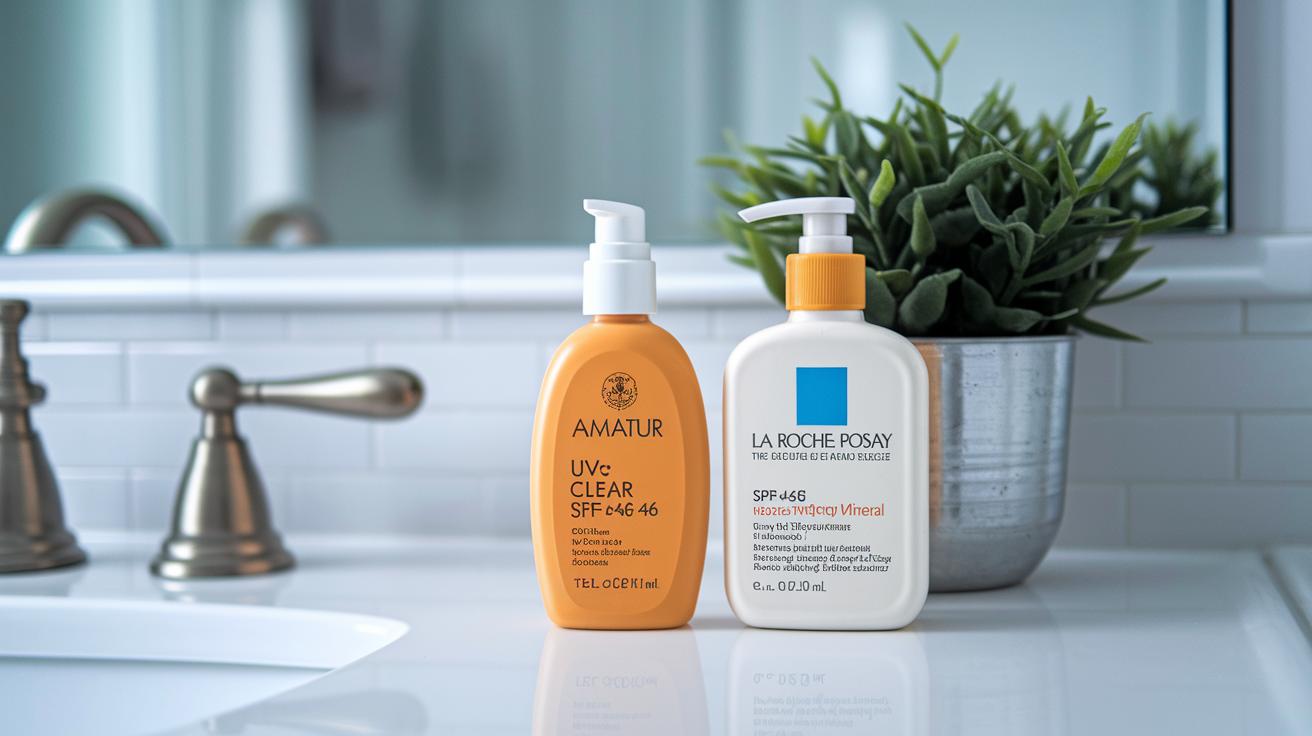
EltaMD UV Clear SPF 46
This light, oil-free sunscreen is made for acne-prone skin, thanks to niacinamide, a natural ingredient known for soothing irritation. Dermatologists love its feather-light feel and trustworthy shield against both UVA and UVB rays. One user even said, "It blends like a dream and leaves my skin feeling refreshed."
La Roche-Posay Anthelios Mineral Ultra-Light SPF 50
If you have oily skin, this fragrance-free sunscreen is a treat. It forms a gentle mineral shield with a matte finish to keep shine at bay, though some with fair skin notice a slight white cast. Imagine layering on a refreshing, cool barrier when you’re always on the go.
Supergoop Unseen Sunscreen SPF 50
This sunscreen is admired for its invisible, primer-like texture that helps keep your skin smooth with hydrating ceramides (tiny moisture-lockers). While a few users mentioned a bit of greasiness, many love that it doubles as a makeup base. One fan described it as "a barely-there veil that preps your skin for a flawless makeup application."
Summer Fridays ShadeDrops Mineral Milk SPF 30
Featuring a unique liquid-milk texture that melts effortlessly into dry skin, this sunscreen gives you hydration without any heaviness. It nourishes your skin while feeling light, making it an excellent pick if you need a moisture boost throughout your busy day.
InnBeauty Project Mineral Sun Glow SPF 43
This sunscreen comes in three light tints and does more than just guard against UVA and UVB rays, it also offers protection from blue light and oxidative stress. It’s a popular choice for anyone looking for a hint of color paired with reliable, all-round defense.
Colorescience Sunforgettable Total Protection Face Shield Flex SPF 50+
A tinted formula that provides high coverage along with an antioxidant boost, this sunscreen seamlessly blends cosmetic appeal with serious skin protection. It’s the perfect daily option to keep your skin radiant and safeguarded all day long.
Application Tips and Common Mistakes with Face Sunscreen
- Get the perfect amount – use about ½ teaspoon for your face and neck. Think of it as a little dab that gives you smooth UV coverage without weighing your skin down.
- Apply your sunscreen at least 15 minutes before you head out. This gives it time to settle in and become your reliable sun barrier beneath any makeup.
- Keep your defense strong by reapplying every 2 hours, or after you’ve enjoyed a swim or a workout.
- When layering under makeup, let the sunscreen sit for around 3 minutes before putting on your foundation. That way, it forms a great base for your cosmetics.
- Remember to cover all your spots – your ears, hairline, and lips need protection too.
- Use your fingertips or a brush to spread it evenly instead of dabbing randomly. A consistent, careful application makes all the difference.
- Always use enough product. Using too little can leave gaps in your sun protection, and that’s one mistake you don’t want.
SPF Ratings, Water Resistance, and Bonus Protective Features
When you’re picking out a daily face sunscreen, SPF ratings really matter. SPF 30 covers you well for everyday use, while SPF 50 and SPF 60 offer even more protection if you’re spending extra time outdoors. Many folks rave about Youth To The People SPF 60 because it even creates a barrier against pollution.
Water resistance is another key factor. Some sunscreens stay effective for about 40 minutes when you’re in water or working up a sweat, and others can last as long as 80 minutes.
Some formulas go beyond simply blocking UV rays. They mix in antioxidants like vitamin C or E, which are little helpers that fend off free radicals (tiny particles that can harm your skin). And cool innovations like Supergoop’s blue-light shields add extra defense against the harsh glow from screens. It’s like giving your daily routine a mini high-tech upgrade.
| SPF Level | UVB Protection | Water Resistance | Finish | Bonus Actives |
|---|---|---|---|---|
| SPF 30 | Standard | 40 minutes | Sheer | None |
| SPF 50 | Enhanced | Up to 80 minutes | Matte/Sheer | Antioxidants |
| SPF 60 | High | 40-80 minutes | Invisible | Pollution defense |
Final Words
In the action of caring for your skin, this guide has shown how face sunscreen acts as your daily UV shield. We broke down the benefits of chemical versus mineral options and shared tips to achieve a smooth, even application. The insights on SPF ratings and water resistance help make smart, stylish choices. Every piece of advice connects to a confident, practical approach to beauty and wellbeing. Here’s to enjoying sunny days with a radiant glow and feeling great about every step you take!
FAQ
What is the best sunscreen for your face?
The best sunscreen for your face shields your skin from UVA and UVB rays with an SPF 30 or higher. Dermatologist-approved choices like EltaMD UV Clear or La Roche-Posay Anthelios deliver effective protection with a light feel.
Is it beneficial to apply sunscreen on your face every day?
Daily use of face sunscreen guards your skin against harmful sun rays and helps prevent early signs of aging. Incorporating it into your morning routine keeps your skin safe and healthy.
Which sunscreen works best for oily skin and can a stick format help?
For oily skin, lightweight, matte formulas are ideal. Sunscreen sticks offer easy application and a non-greasy finish, keeping shine under control while protecting your skin.
What are good options for dry skin and tinted formulations?
Dry skin benefits from hydrating sunscreens that include moisturizing ingredients. Tinted versions add a natural glow while providing broad-spectrum protection, keeping skin balanced and nourished.
How do Korean face sunscreens differ in protection?
Korean face sunscreens are known for their unique, lightweight textures and innovative ingredients. They provide a silky application that feels comfortable while effectively guarding against UV rays.
What sunscreen do dermatologists typically recommend for everyday face use?
Dermatologists often recommend broad-spectrum sunscreens with an SPF of 30 or above. Options like EltaMD UV Clear SPF 46 are favored for offering gentle, effective protection for daily wear.

