Have you ever noticed how a simple piece of fabric can reveal so much about who we are? Fashion has evolved over the years, much like flipping through a colorful scrapbook filled with personal stories. Long ago, people chose light fabrics to keep cool, and later, sturdy layers told the story of everyday life in medieval times. Each era has left its mark on our style, reminding us that our outfits are more than just clothes, they’re a collection of memories and moments. Ever think about how your favorite dress or suit holds a little piece of history? Let’s explore how these timeless style shifts continue to influence the way we express ourselves.
Comprehensive Fashion History Overview
Fashion history shows us how our clothes and accessories have changed over time, almost like flipping through a lively scrapbook of style. It’s amazing how every outfit tells a story about the culture and mood of its day. When we look back, we see that each era’s design wasn’t just about looking good, it was a celebration of who we are.
Think about the flowing dresses of ancient Egypt, the gently draped tunics of Greece and Rome, and the sturdy, layered looks of medieval Europe. Early on, people chose natural fabrics and simple shapes that balanced both everyday needs and special occasions. Then came the Renaissance, bursting onto the scene with detailed tailoring and beautiful embroidery that brought art and human spirit to life.
Fast forward to the twentieth century, and things get really interesting. During World War II, designers focused on practical looks with rationed fabrics, while the years after sparked fresh ideas in silhouettes and cutting techniques. Every decade brought its own charm, mixing cultural shifts, political changes, and new technology in ways that still influence our wardrobe choices today.
Next up, we’ll take a closer look at each standout era, exploring the bold changes and trends that ultimately shape the vibrant fashion scene we know now. Ready to journey through time and uncover the secrets behind today’s style? Let’s dive in!
Ancient and Medieval Fashion History Chronicles
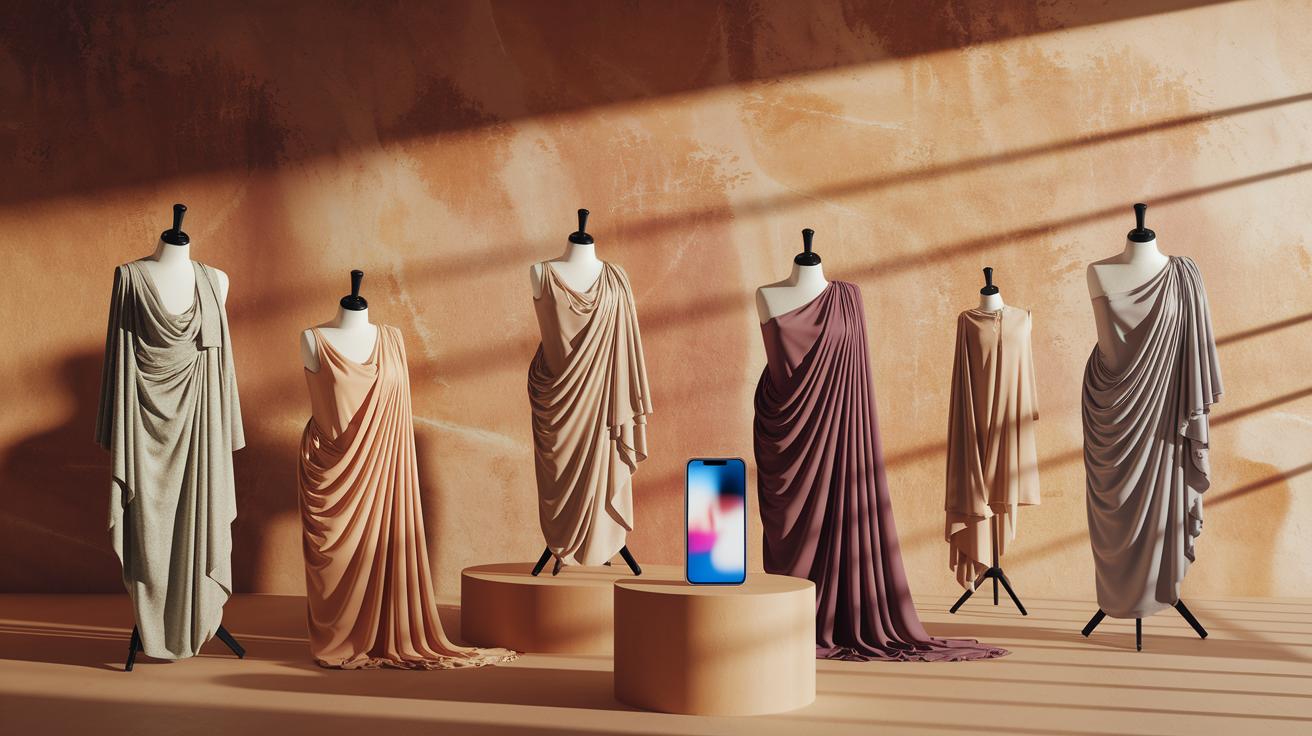
Ancient fashions show us how early people loved using natural fabrics and clever draping to create art you could wear. In sunny Egypt, people chose light, breathable linens that caught the sunlight, keeping them cool while adding a touch of elegance. In Greece, simple tunics and chitons allowed for free, graceful movement. And in Rome, the toga wasn’t just a garment, it was a sign of status, carefully draped to mix style with function. These designs prove that even long ago, folks knew how to pick the best fabrics for everyday life and special ceremonies, setting the scene for the future of cultural dress.
Medieval times brought fresh style changes too. New silhouettes and modern tailoring techniques started to appear, thanks in part to guilds that made sure every piece met certain standards. Trade routes rolled in vibrant dyes and fabrics from far-off lands, adding bursts of color and flair. Clothes during this era grew more layered and structured, not only meeting practical needs but also showing off social standing and regional identity. All of these changes helped pave the way for even more exciting fashion evolution in the years that followed.
Renaissance to Eighteenth Century Fashion History Evolution
In the 16th and 17th centuries, fashion took a bold step forward. Gowns were tailored with amazing precision, loaded with intricate embroidery and rich fabrics that made the courts look truly stunning. Designers focused on sharp cuts and detailed needlework to create outfits that not only showed off high status but also celebrated art and creativity. Every piece told a story of elegance with its deep textures and crafted delicacy, setting the stage for what we now call Renaissance fashion evolution.
| Period | Key Innovations | Signature Garments |
|---|---|---|
| Renaissance | Structured tailoring, rich embroidery | Regal gowns with elaborate sleeves |
| Baroque | Intricate ornamentation, dramatic draping | Lavish court dresses |
| Rococo | Lighter fabrics, playful decorative motifs | Delicate, flowing dresses |
By the eighteenth century, a refreshing shift brought lighter shapes and charming decorative touches into fashion. Designers favored airy fabrics and soft cuts that made wearing these outfits both stylish and comfortable. They embraced playful Rococo elements and creative drapes to craft looks that balanced beauty with ease. It was a delightful transformation, marrying the art of dressmaking with everyday comfort and a touch of whimsy.
Nineteenth Century Fashion History Timeline
Back in the early 1800s, fashion got a fresh twist with empire waistlines that brought a light, timeless look to everyday dresses. Thanks to the Industrial Revolution (a time when machines started making things faster), fine fabrics became easier for many to get. Imagine if a dress that used to take forever to make was suddenly mass-produced – blending practicality with a touch of vintage charm. It was a clear move away from those super restrictive outfits, making way for designs that fit a more modern lifestyle.
Later in the century, style took another exciting turn. Crinolines and bustles showed up, adding volume and new curves to dresses that were a far cry from the tight corsets of the past. Fashion wasn't just about making bold shapes; it was about adapting to a world that was always changing. With ready-to-wear clothing becoming popular, more people could enjoy stylish, manufactured attire. This shift meant fashion started to balance comfort, practicality, and a refined look as society stepped into a modern era.
Twentieth Century Fashion History: Decade-by-Decade Evolution
It’s wild to think how much fashion changed during the 1900s. Each decade burst with fresh ideas and creative twists that still influence what we wear today. Designers mixed everyday comfort with playful style, helping us see every outfit as a little work of art. Imagine each piece as a secret message from the past, inviting us to enjoy both beauty and practicality in our own style.
- 1900s: Picture elegant S-shaped silhouettes that introduced smooth, sweeping curves, setting a refined tone.
- 1910s: Women discovered more natural shapes thanks to designers like Paul Poiret and Lady Duff Gordon, who brought in empire dresses that left behind the tight corsets.
- 1920s: After the war, fashion embraced a relaxed vibe. Shorter hemlines and dropped waistlines made looks feel chic and easy-going.
- 1930s: With the bias cut technique, fabrics draped gracefully, turning everyday clothes into wearable art.
- 1940s: Amid the challenges of World War II, practical designs with padded shoulders, cinched waists, and knee-length skirts proved that style could be both smart and stylish.
- 1950s: Dior’s New Look celebrated femininity with full skirts and nipped waists, delivering a touch of timeless elegance.
- 1960s: This was the era of bold moves, miniskirts and androgynous styles emerged, championed by innovators like Mary Quant, André Courrèges, and Yves Saint Laurent.
- 1970s: A carefree spirit took over with hippie influences, prairie dresses, and the rise of synthetic fabrics, adding a modern twist to classic looks.
- 1980s: Neon colors and power dressing ruled the runways, with iconic designers such as Versace, Lacroix, and Gaultier pushing the envelope.
- 1990s: The supermodel era shined with stars like Linda Evangelista, Cindy Crawford, Naomi Campbell, and Christy Turlington, each one lighting up the runway with their unique charm.
Even today, vintage trends continue to fuel modern creativity. Designers love mixing the clever techniques of the past with today’s innovation, proving that style is always evolving. Modern collections, rich with history and heart, remind us that fashion remains as fresh and relevant as ever.
Fashion History: Bold Style Transformation
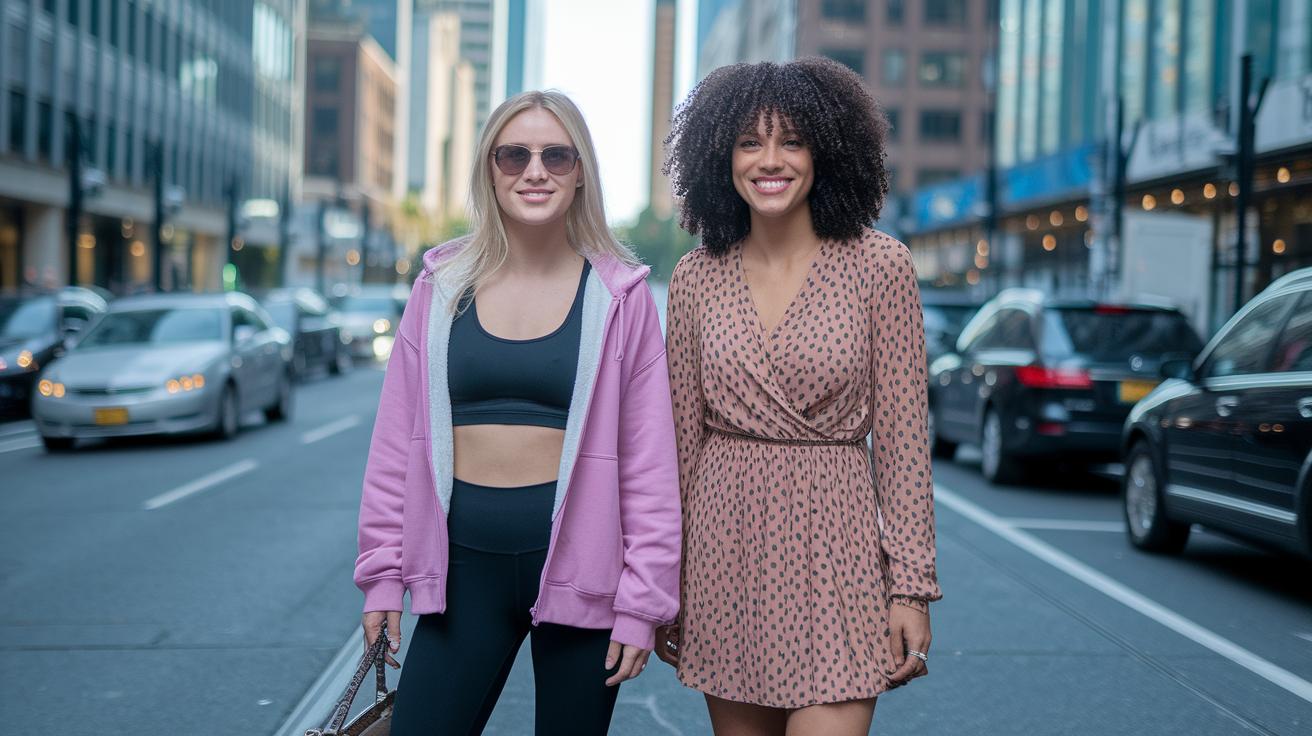
Between 2000 and 2010, our wardrobe experienced a genuine makeover. Global connections (you know, globalization) and fast fashion brought stylish runway looks right into our everyday lives. TV shows and celeb trends added a fresh twist, and athleisure stepped up as the comfy yet eye-catching option. Imagine pairing a sporty outfit with sleek accessories, an effortless blend of comfort and cutting-edge design.
Moving into the 2020s, our style has shifted toward cozy practicality. With the world changing fast, especially during the pandemic, we began choosing outfits that feel like a warm hug, think mini dresses and Y2K-inspired trends that mix a hint of nostalgia with today’s vibe. New technology is even letting us dive into interactive designs that change the way we see fashion. Now, style isn’t just about looking good, it’s a blend of self-expression, ease, and innovation, hinting at exciting new directions ahead.
Final Words
In the action, we've traced fashion history from timeless ancient garments to today’s refreshed looks. We covered how social and cultural shifts, from medieval silhouettes to iconic 20th-century moments, have shaped what we wear. Each era provides a little spark that adds magic to the modern wardrobe and encourages effortless chic living. The timeline of style evolution reminds us that every detail counts, making our current choices a mix of past influences and fresh ideas. Enjoy the inspiration and keep feeling stylish every day.
FAQ
What is the brief history of fashion?
The brief history of fashion covers how style evolved with cultural and social influences over centuries, shaping clothing from ancient times to the modern era.
What is the 3-3-3 rule for clothing?
The 3-3-3 rule for clothing means selecting three outfit pieces, three colors, and three accessories to create a balanced, eye-catching look that feels fresh and natural.
Who discovered fashion?
The idea of fashion wasn’t discovered by one person; instead, it evolved gradually through contributions from various cultures and designers over time.
What is the 7 rule in fashion?
The 7 rule in fashion involves using seven style principles to guide outfit choices, ensuring balance, proper proportion, and a cohesive blend of textures and colors.
How is the history of clothing and textiles significant?
The history of clothing and textiles shows how human creativity merged with practical needs, reflecting cultural traditions, social changes, and advances in production methods.
How can I explore resources on fashion history?
You can explore resources on fashion history through degree programs, books, PDFs, and websites like Wikipedia, all offering detailed timelines, facts, and insights into style evolution.