Ever notice how your outfit might be hiding a secret story? Fashion Revolution turns fast fashion on its head by asking the real questions about how our clothes come to be. Born from a heartbreaking event, this movement shines a gentle light on unsafe work conditions and unfair pay. It reminds us that fashion is more than just a trend, it’s a choice that lifts up people and our planet. Every time you pick a piece of clothing, you get a chance to make a statement that shows style can be ethical, sustainable, and a powerful act of care.
Overview of the Fashion Revolution Movement
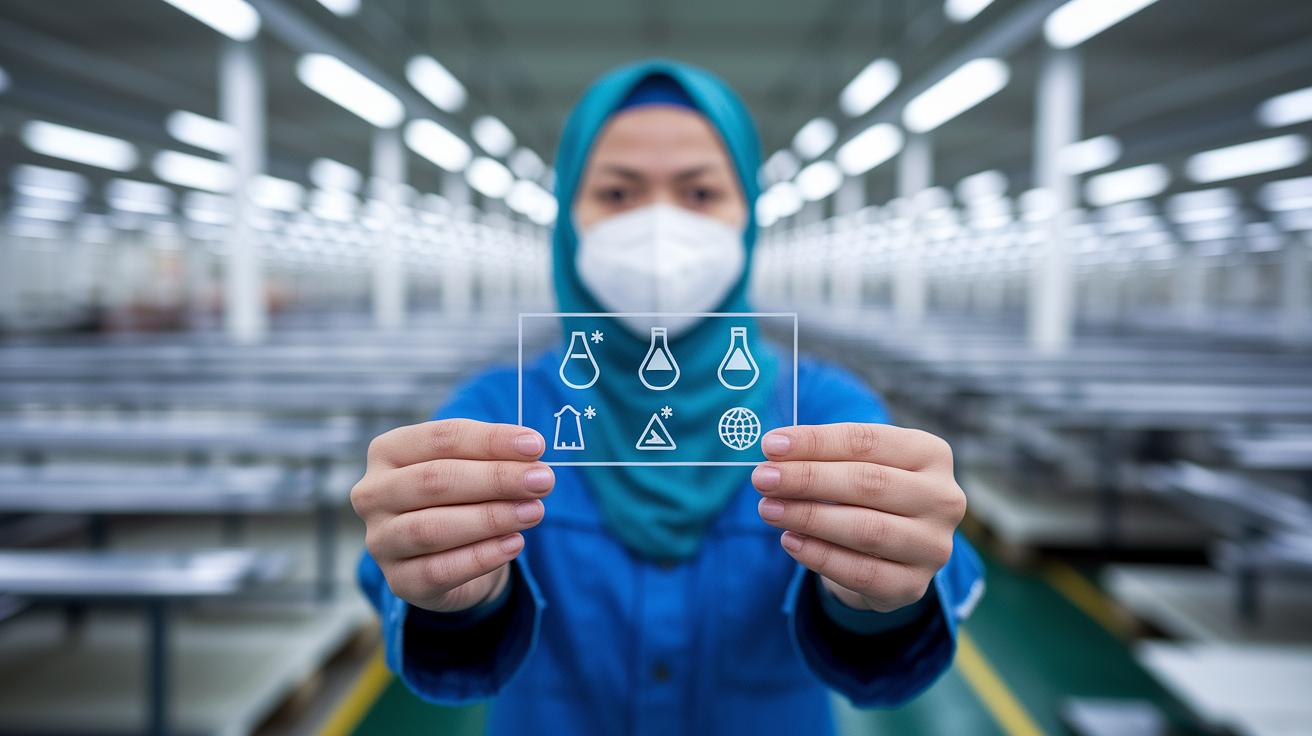
Back in 2014 in the UK, a tragic event at Rana Plaza stirred a movement that changed the fashion game forever. Carry Somers and Orsola de Castro rallied people around the idea that fast fashion hides dark truths, like toxic chemicals, unsafe work spots, and unfair labor practices. Ever notice how a great outfit can sometimes carry a heavy backstory? Millions of garment workers still face hazardous conditions, making each clothing choice a small act of responsibility.
At its heart, Fashion Revolution stands for transparency, fair wages, safe facilities, chemical safety (making sure bad substances aren’t part of our clothes), and spreading the word so consumers can make better choices. This movement calls on everyone, from the farmers growing the raw materials to the final products on the shelves, to step up and be accountable. It’s not just about trends; it’s about reimagining style as something ethical and sustainable that respects both the people behind our clothes and the planet we all call home.
Every discussion, campaign, and policy shout is a heartfelt invitation to see fashion differently, where each piece tells a story of care, fairness, and a brighter future.
Roots of the Apparel Revolution: From Rana Plaza to a Worldwide Uprising
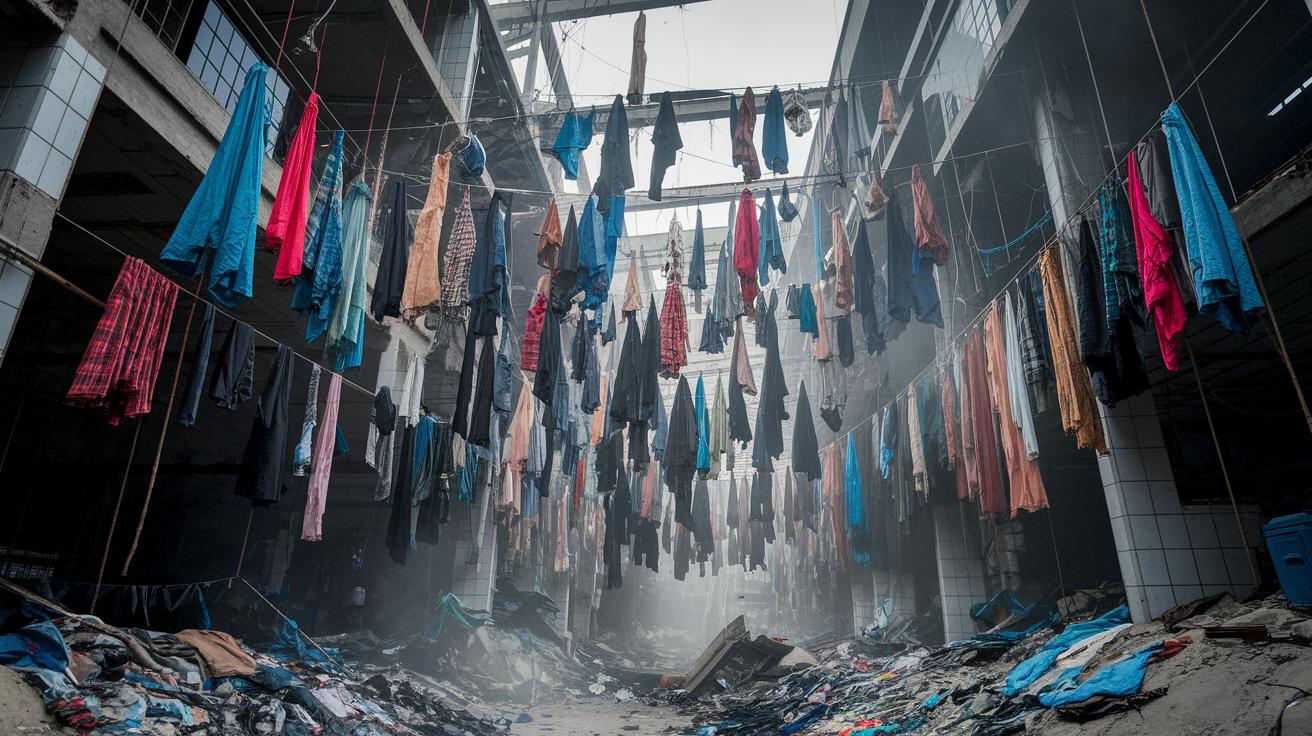
On April 24, 2013, the catastrophic collapse of the Rana Plaza factory sent shockwaves around the globe. Over 1,100 people lost their lives and nearly 2,500, many of them women and children, were injured. This heartbreaking event sparked a wave of calls for urgent change in how our clothes are made.
| Date | Event |
|---|---|
| April 24, 2013 | Rana Plaza disaster |
| 2014 | Fashion Revolution Day launched |
| 2015 | Global expansion to over 100 countries |
This tragedy also laid bare the unsafe working conditions in thousands of factories across Bangladesh, Vietnam, and India, where workers sometimes earned as little as 32 cents an hour. People, from activists to everyday citizens, came together, pushing for transparency, fair wages, and improved safety standards. Looking back, these critical moments not only reshaped the garment industry but continue to inspire a global movement toward a kinder and more ethical future for all.
Core Revolution Campaigns Driving Ethical Clothing Change

At the heart of our industry’s shift are a few bold campaigns that are completely changing how brands handle production and accountability. These style revolutions and local design movements spark real talks about social justice in design, all while shining a light on brand ethics that anyone can stand behind. They challenge companies to be open and responsible, ensuring that every piece is made with genuine care for workers and the environment.
Take a look at five standout campaigns:
- #WhoMadeMyClothes – asking brands to show who crafts our clothes.
- Greenpeace Detox – revealing links between production practices and water pollution.
- Clean Clothes Campaign – pushing companies to maintain safe working conditions for all.
- ZDHC – working to ban harmful chemicals from the production line.
- The True Cost – a powerful documentary uncovering the hidden toll of our fashion choices.
Each of these campaigns not only shakes up the norm but also offers clear paths for brands and shoppers to follow for real change. They serve as a heartfelt call for ethical fashion, sparking awareness and reform at every step of the supply chain. In truth, every purchase is a chance to support practices that are safer, cleaner, and fairer.
Fashion Revolution Week: Events and Community Engagement
Every April, Fashion Revolution Week sparks a collective burst of inspiration, inviting us all to reimagine our wardrobe and the world behind it. It’s a heartfelt tribute to the Rana Plaza tragedy, steering us toward a fair, more mindful fashion future. Imagine eco-friendly runway shows and open, honest chats led by voices like Jordana Guimarães and Marci Zaroff, moments where style gets real and activism feels personal.
Around the globe, schools, universities, and local groups dive into dynamic projects that light up conversations about ethics and fresh design. Each event feels like a friendly get-together, where passion ignites and every voice counts. From runway moments that celebrate pure, green designs to creative forums that dive deep into ethical practices, there’s plenty to explore. Here are some of the exciting event types:
| Event Type |
|---|
| Runway Shows |
| Panel Discussions |
| Workshops |
| Campus Challenges |
| Online Talks |
| Brand Meetups |
From lively campus events to inspiring meetings with industry icons, everyone gets a chance to be part of the change. It’s a week full of creativity, hope, and a shared desire to change the way our clothes come to life.
Revolutionary Pioneers and Brands Shaping Sustainable Design

In the world of sustainable fashion, creative trailblazers are giving style a whole new twist. Bold designers and innovative labels are mixing cutting-edge looks with a real care for our planet, proving that you can have both chic and ethical.
Carry Somers and Orsola de Castro kicked things off with a fresh movement that questions old production ways. They paved the road for brands to embrace social and environmental care, making style more meaningful. Then, visionaries like People Tree stepped in, showing us that fair trade isn’t a fad, it’s a respectful way to honor both the artisans and the Earth.
Pioneers such as Eileen Fisher put organic fibers in the spotlight by blending the soft luxury of natural materials with modern design. Meanwhile, Reformation turns pre-loved fabrics into chic, upcycled pieces that do more than just fill your closet, they spark conversations about reducing waste. And let’s not forget Stella McCartney, who continues to lead with her cruelty-free luxury, setting high standards that others look up to.
Together, these innovators are not just redefining what it means to be stylish, they’re inspiring a shift toward a fashion world that’s as responsible as it is fabulous.
| Designer/Brand | Contribution |
|---|---|
| Somers & de Castro | Launched the ethical movement |
| People Tree | Pioneered fair trade practices |
| Eileen Fisher | Championed organic fibers |
| Reformation | Advanced upcycling innovation |
| Stella McCartney | Set cruelty-free luxury standards |
Industry Reforms in the Fashion Revolution: Transparency and Policy Shifts

Fast fashion is sending us a loud, clear message: something has to change. Imagine over 4.4 million workers in around 3,000 factories making just about $68 a month. That’s not just unfair, it’s unsustainable. Today, activists, policymakers, and insiders are pushing for a complete makeover from the way raw materials are chosen to the moment a product hits the shelf. Groups like the Clean Clothes Campaign and Greenpeace Detox help us see the risky working conditions and environmental harm. And initiatives such as the Zero Discharge of Hazardous Chemicals (ZDHC) are working to scrub dangerous substances from our clothes’ journey. It’s not only about fixing things for now; it’s about rethinking how we create and wear our clothes in a greener, kinder way.
Lawmakers and industry leaders are joining forces to make a difference. They’re calling for tougher rules and clear-cut accountability. They want brands to reveal more about their production steps, respect workers’ rights, and cut down on environmental damage. Key reform areas include:
- Supply chain mapping
- Chemical standards
- Wage enforcement
- Public reporting
These focus points are the backbone of big improvements in how our fashion is made. By addressing these core issues, the industry isn’t just dreaming about change, it’s actively working to make fair, transparent, and sustainable clothing a real part of our everyday lives.
Empowering Consumers in the Fashion Revolution: How to Take Action

Your shopping choices hold more power than you might think. Every time you buy something, you're helping promote fair work and eco-friendly designs. Imagine embarking on a mindful shopping journey where each choice builds a clearer, kinder style scene. Ever wonder how one conscious purchase can uplift workers worldwide? Choosing brands that share their story adds your voice to a movement that values fair wages and clean production.
- Ask the maker
- Research the ethics
- Embrace secondhand shopping
- Try upcycling
- Pick organic fabrics
- Join weekly events
- Share on social media
Following these seven steps not only boosts your wardrobe but also supports a future where ethical, sustainable style really shines. Every small action adds up toward a more transparent industry, safer jobs, and a cleaner planet for us all.
Final Words
In the action, the blog spotlighted how a bold fashion revolution reshaped industry practices. It traced the movement's roots from the wake-up call of past tragedies to influential campaigns and events. We explored ideas that spark change and inspired steps to support ethical clothing. The discussion tied together dynamic community events and reform policies that invite you to rethink style. Embrace a future of mindful, stylish choices and feel the energy of a true fashion revolution. Let's make every decision count.
FAQ
Fashion Revolution jobs
Fashion Revolution jobs include roles in advocacy, research, and campaign coordination that focus on promoting ethical practices and fair labor in the fashion industry.
Fashion Revolution locations
Fashion Revolution locations span over 100 countries, uniting communities worldwide in the effort to promote safer working conditions and a more transparent, ethical fashion industry.
Fashion Revolution history
Fashion Revolution history began in 2014 in the UK after the Rana Plaza tragedy, sparking a movement for more transparency, fair wages, and safe working conditions in fashion.
Fashion for Good
Fashion for Good represents an initiative that champions sustainable innovation by connecting startups and industry experts to create eco-friendly and socially responsible fashion practices.
Fashion Revolution Week
Fashion Revolution Week is an annual global event held in the last week of April that features panels, runway shows, workshops, and more to inspire change in ethical fashion practices.
Fashion Revolution Instagram
Fashion Revolution Instagram serves as the platform where the movement shares inspiring real-time updates, campaign highlights, and stories from activists to spark conversations about ethical fashion.
Fashion Revolution Week 2025
Fashion Revolution Week 2025 will continue showcasing global events like panels, immersive shows, and workshops aimed at promoting greater transparency and ethical practices in the fashion industry.
Fashion Revolution logo
Fashion Revolution logo uses design elements that symbolize exposure and change, reflecting the movement’s commitment to fighting for transparency and reform in the fashion sector.
What is the fashion revolution?
The fashion revolution is a global movement that emerged after a tragic factory collapse to push for fair wages, safe working conditions, and greater transparency in the fashion industry.
Who is the owner of fashion revolution?
The fashion revolution movement is not owned by any one person; it was founded by Carry Somers and Orsola de Castro and is driven by a collective of activists and ethical brands.
What is the 3-3-3 rule in fashion?
The 3-3-3 rule in fashion encourages better buying choices by focusing on three actions: investing in quality pieces, caring for them properly, and passing them on to extend their life.
Why do we still need a fashion revolution?
We still need a fashion revolution to address ongoing issues like unsafe working conditions, low wages, toxic production practices, and environmental harm, ensuring a fairer, more sustainable industry for all.