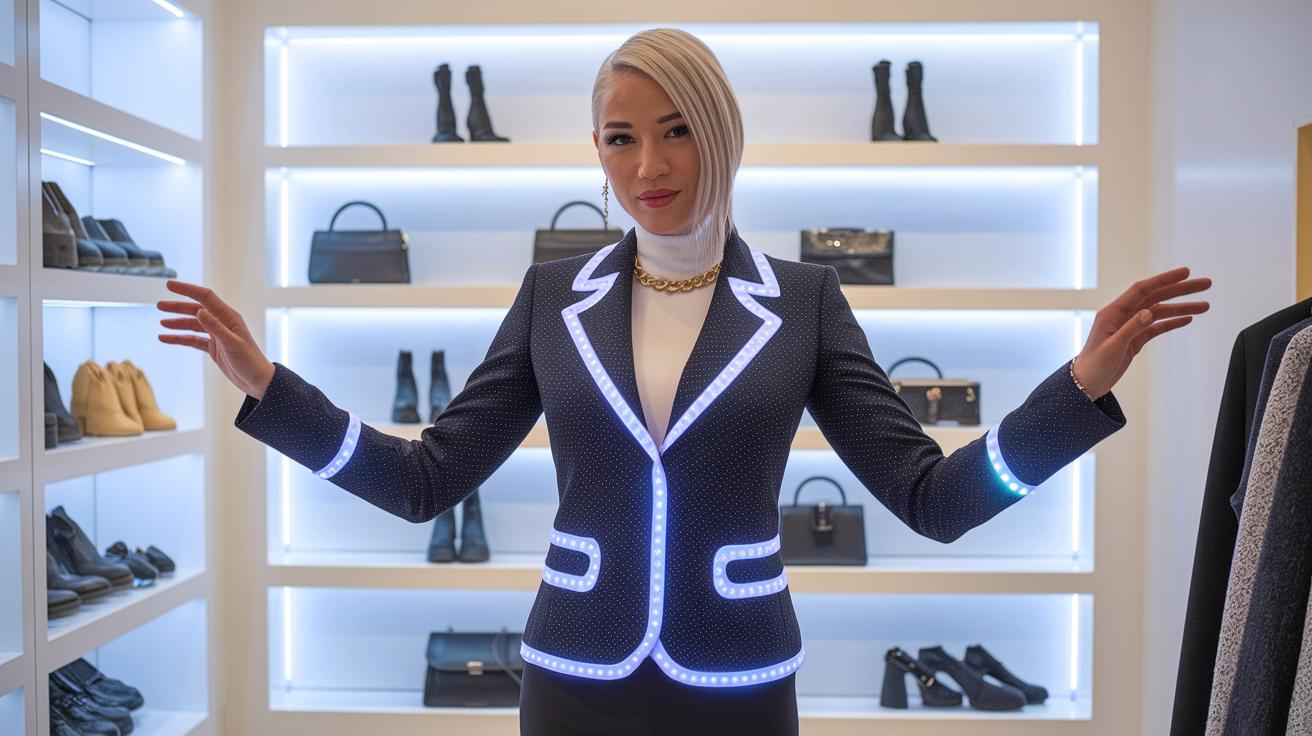
Ever imagine if your clothes could think on their own? Fashion tech brings smart features together with chic style, turning everyday outfits into cool, modern statements. Picture a jacket that counts your steps or a dress that shows off your unique flair. Early gadgets like smart watches paved the way for these fun, stylish upgrades. Today, designers blend classic looks with tech touches to create clothes that feel both smart and stunning. Let’s dive in and see how fashion tech is sparking trends and making every outfit a bit more brilliant.
How Fashion Tech is Redefining Modern Apparel
Fashion tech began when smart gadgets like the Fitbit tracker (2010) and the Apple Watch (2015) blended cutting-edge innovation with everyday style. These early devices weren’t just practical, they added a unique touch to our outfits, making tech feel naturally stylish. Imagine a gadget that not only counts your steps but also fits your look perfectly.
Digital couture has taken things to a whole new level. Designers such as Hussein Chalayan and Iris van Herpen mixed classic craftsmanship with modern technology by using laser-cut patterns and 3D printing to create amazing designs. Think about it: Iris van Herpen turned fabric into futuristic art using 3D printing, a bold move that completely changed how we see fashion.
Today, cool trends like virtual fitting rooms, computational printing (using computers to create striking designs), and digital wardrobe management are making waves. These innovations let you try on clothes virtually and organize your closet easily, almost like having a personal stylist in your pocket. Pretty cool, right?
Smart Textiles and Apparel Interfaces in Fashion Tech
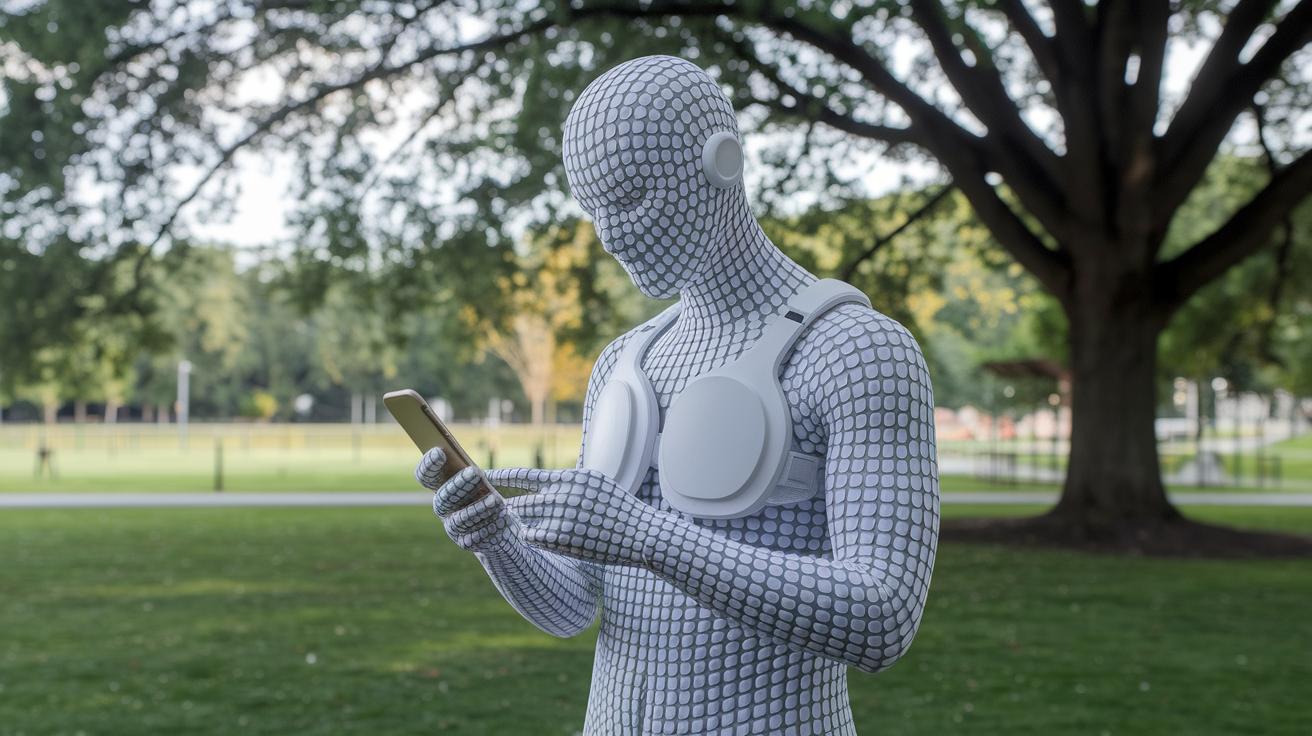
Sensor-embedded garments have been turning heads since 2013. Picture this: slipping on a shirt or sports bra that not only fits like a dream but also keeps an eye on your heartbeat, breathing, and skin temperature with nearly 95% accuracy. It's like having a tiny coach in your outfit, with smart sensors that talk to your mobile app in real time. Ever gone for a jog and wondered about your pulse? Now you can check it effortlessly while enjoying your walk in the park.
Conductive fiber textiles bring a whole new flavor to everyday wear. These fabrics are made with special conductive yarns (think of them as soft wires) that help keep your body comfortable by adjusting temperature as needed. For example, Columbia’s Litwear prototypes feature hidden touch panels on the sleeves, letting you change settings with just a swipe, how cool is that? Plus, Textronics uses clever conductive threads in heated jackets and illuminated garments, and some sportswear even has microchips woven in to monitor your movements during a workout.
Together, these smart innovations turn your everyday clothes into handy tools that blend style with useful health and comfort features. Imagine stepping out in chic gear that not only looks fabulous but also keeps you in the know about your body and surroundings. It’s all about making fashion as smart as you are.
Virtual Tailoring Solutions and AR Dressing Rooms in Fashion Tech
Online shopping is getting a stylish, fun twist with virtual tailoring. Imagine picking your favorite outfit and instantly seeing it on a digital version of you, just like having a mini fitting room at home. Augmented reality makes trying on clothes feel natural and playful, just like a day out at a chic boutique.
Early on, tools like Fits.Me (launched in 2012) started recommending sizes using a virtual avatar. Then in 2018, Zeekit stepped in, offering photorealistic overlays so you could see how an outfit would drape on you. And later in 2020, Vue.ai introduced an AI-driven try-on experience that brings a touch of magic to your online shopping adventure.
| Platform | Functionality | Launch Year |
|---|---|---|
| Fits.Me | Avatar-based size recommendations | 2012 |
| Zeekit | Photorealistic outfit overlays | 2018 |
| Vue.ai | AI-powered virtual try-on | 2020 |
Recent figures show that 40% of the top 100 brands have experimented with these AR dressing rooms. Retailers report that these immersive experiences not only boost customer engagement but also help reduce returns. It turns out that when shoppers can see how items fit on them before buying, they feel more confident in their style choices. This innovative tech is making digital shopping more personalized and downright delightful.
3D Garment Printing and Computational Design in Fashion Tech
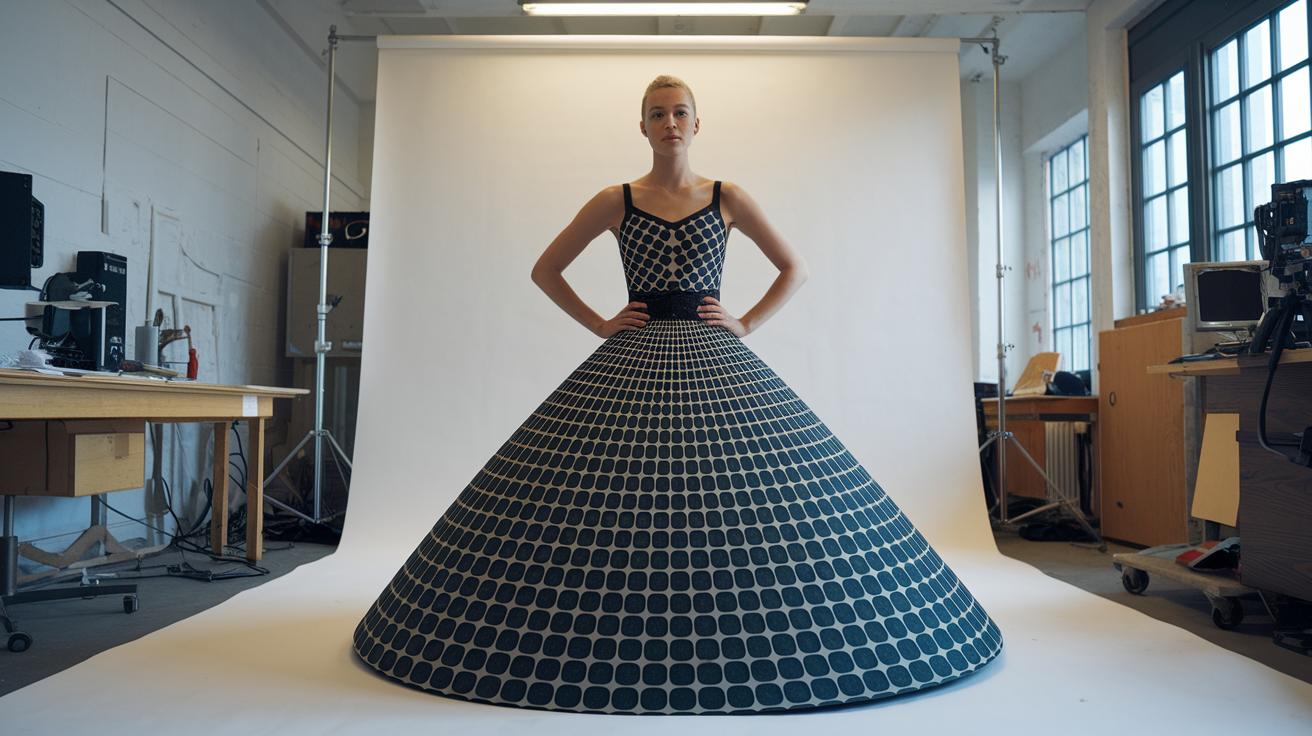
3D garment printing is like a digital magic trick that turns computer designs into real, wearable art. Back in 2010, Iris van Herpen wowed everyone with dresses made using a process called selective laser sintering. Imagine a laser fusing tiny bits of nylon powder layer by layer to create delicate, eye-catching details. Designers love it because they can experiment with bold shapes and textures, and the materials, like high-performance polymers and nylon blends, feel soft yet strong.
Computational garment design takes classic pattern making and updates it with modern technology. Designers now use user-friendly tools such as CLO 3D, a program introduced in 2013, to create and adjust digital patterns easily. This digital worktable lets them try out ideas and fix details before any fabric is cut, kind of like sketching on paper but in a more flexible and eco-friendly way. Files in formats like OBJ and DXF make it simple to move from a computer model to a real piece of clothing.
Digital prototyping speeds up the whole process, cutting production time by as much as 60%. This means fewer physical samples and less wasted fabric, which is great news for both creativity and the wallet. When you mix computational design with 3D printing, you get a fresh approach that quickly turns innovative ideas into stylish, ready-to-wear apparel.
E-commerce Integration and Digital Wardrobe Management with Fashion Tech
Today’s shopping scene is buzzing with smart tech that makes finding your style a breeze. Retailers are using friendly AI search engines, chatty chatbots, and clever recommendation systems to guide you like a pals’ advice over coffee. Take Farfetch, for instance. Since 2007, they’ve been using AI-driven search to help you quickly spot that perfect item. And the chatbots? They’re like your go-to friend, offering quick, helpful tips so you can get personalized outfit ideas in just seconds.
Digital wardrobe apps have totally reinvented the way we handle our closets. The Stylebook app, introduced in 2010, lets you snap photos of your clothes and mix and match them to plan your next stylish look, right from your phone. Plus, with RFID tagging on the scene since 2015, retailers can now track their inventory better, cutting down on those annoying out-of-stock surprises by 30%. This means less hassle for both shops and shoppers, leaving more time for fun and fashion.
Then there’s data-driven style analytics that feel like having your own personal stylist. By looking at what you’ve bought and browsed, these tools serve up suggestions that really match your vibe. Retailers, in turn, fine-tune their selections to keep up with what’s hot. All of these smart tech tricks work together to make online shopping not just easier, but way more exciting and perfectly tailored to you.
Career Pathways and Market Trends in Fashion Tech
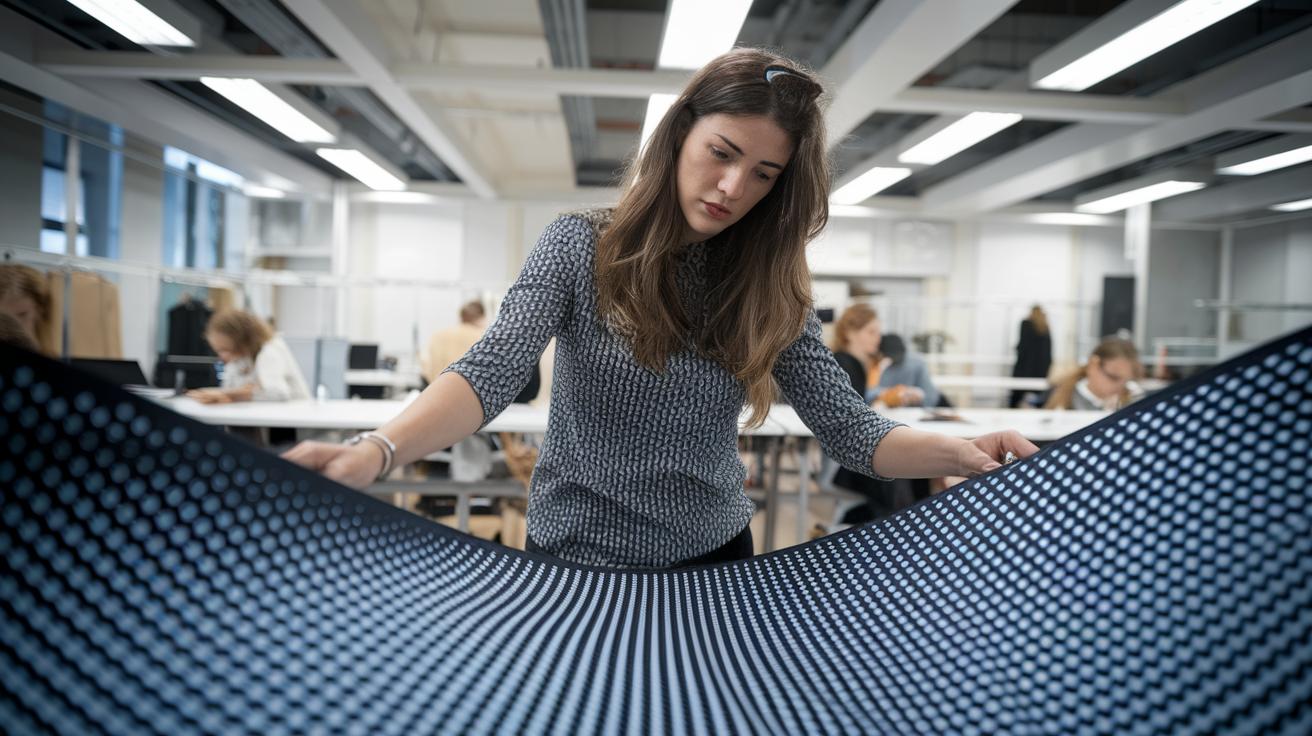
Academic programs and digital design courses are lighting the way for new fashion innovators. For example, MIT Digital Fashion Lab has been offering hands-on research fellowships since 2019, letting students play with digital fabrics and creative design ideas. Meanwhile, the Fashion Institute of Technology launched technical designer certifications in 2020, making it easier than ever for aspiring designers to learn modern digital techniques. It’s a bit like mixing colors, you start with the basics and then create your own bold designs.
New startups are also shaking up the scene in fashion tech. Daydream kicked off its AI-powered search in 2018 and works like a digital stylist, guiding you through tons of options with ease. Plush jumped in with its own AI stylist solution in 2019, and Tagwalk, which began in 2016, earned a great reputation for its smart fashion search engine. Imagine using Daydream’s tool, it’s like having a fashionable friend who always points out the newest trends.
Today’s market is all about mixing creative intuition with digital precision. Big names like Farfetch have made headlines by acquiring companies such as Stadium Goods in 2018 and New Guards Group in 2019, spending more than $1.5 billion overall. Even with economic slowdowns in 2023, these moves show that using data-driven design forecasting is a winning strategy that turns fashion into a smart, trend-setting realm.
Final Words
In the action, we explored how fashion tech has grown from early wearables to digital couture masterpieces and sensor-embedded fabrics that make style smart. We took a close look at virtual fitting rooms, 3D garment printing, and digital wardrobe tools that add a practical twist on chic living.
This blog post ties together emerging trends and innovative design practices to create an elevated, effortless lifestyle. Embracing fashion tech means stepping into a world where smart, stylish ideas meet everyday inspiration for a truly modern experience.
FAQ
What does a fashion tech do?
The role of a fashion tech involves blending design with technology to develop smart wearables, virtual try-on solutions, and sensor-enabled apparel that improve user experience and style with practical data insights.
How can I pursue a career in fashion tech?
The process of getting into fashion tech includes finding internships, enrolling in specialized courses, or earning a degree while learning to merge creative design with modern tech tools for practical, stylish innovations.
What are some fashion tech companies and examples?
The label “fashion tech companies” refers to firms leading in smart wearables, AR dressing rooms, and digital couture innovations, showcasing examples like sensor-embedded garments and virtual tailoring platforms across the industry.
What salary can you expect in fashion tech?
The salary in fashion tech can vary, with entry-level roles offering competitive wages and senior positions attaining the highest rates by combining expertise in design innovation and technical proficiency in modern fashion products.
What educational opportunities exist for aspiring fashion tech professionals?
The world of fashion tech offers internships, certificate courses, and degree programs that blend creative arts with technology, equipping students with hands-on skills to design and digitize modern apparel innovations.
What is the 3-3-3 rule in fashion?
The 3-3-3 rule in fashion describes a method for balancing outfit elements by focusing on three key pieces, three accent items, and a trio of color or texture themes to create a harmonious, stylish look.