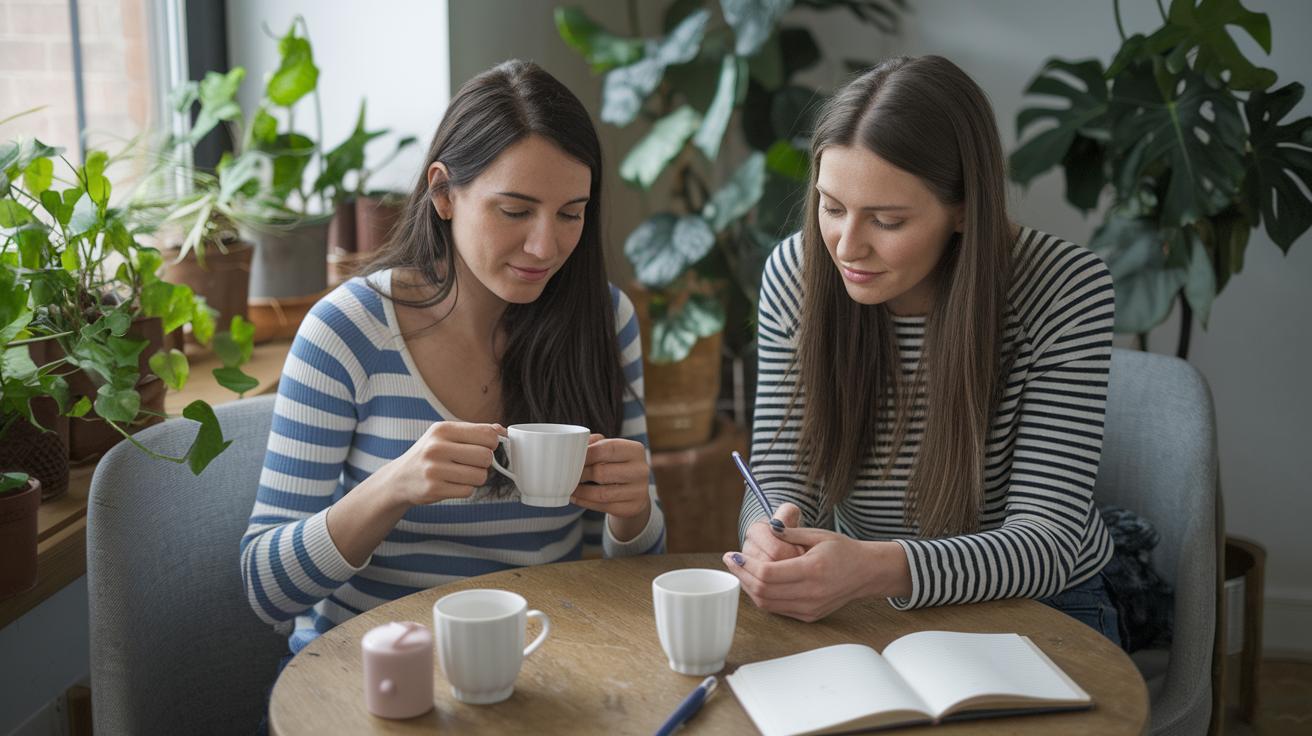
Ever wondered if sharing a little self-care time with someone could really brighten your day?
Imagine catching up with a friend for a mindful chat, a calming meditation, or a simple stretch break. It feels a bit like a breath of fresh air, doesn’t it?
Many of us face stress daily, and even a small get-together can turn things around. Next, let’s look at some easy ways to mix self-care with connection. These shared moments might just be the spark you need to feel lighter and more together, no matter how busy life gets.
Top Group Self Care Activities for Collective Well-Being
Did you know that over 77% of U.S. workers feel stressed on the job? That’s why taking time for group self care is not just a treat but a real necessity. Imagine joining a virtual coffee chat where you and a coworker swap stories, maybe even your quirkiest travel mishap, and share a laugh. It’s a relaxed, friendly way to feel connected and brighten your day.
Think about a guided meditation session that lasts 10 to 20 minutes. In these sessions, you focus on deep breathing and notice the little signals your body sends you, like the gentle reminder to slow down. And then there’s the gratitude circle, a simple moment where you tell your teammates what you appreciate about them and your work together. It really helps lift the mood and brings everyone closer.
Even a short journaling break, just 5 to 10 minutes, can let you jot down your thoughts, sparking new ideas and connections with your colleagues. How about an office yoga session for 15 minutes? It’s a fun way to stretch out, improve your posture, and let go of muscle tension. If you’re short on time, even a quick hourly stretch can keep your energy up and worries down.
Sometimes meetings on the go can be the most refreshing, take a walk outside with your colleagues. Fresh air and a change of scenery can ignite creativity and ease tension. And when you need an extra burst of fun, try creative activities like painting, doodling, or even a quick dance break. To top it off, volunteering together, like organizing charity events or food drives, not only feels good but builds a shared sense of purpose.
This mix of self care activities blends stress relief with genuine connection. Next, we’ll dive into more detailed how-tos to help you keep that positive vibe going.
Coordinating and Planning Group Self Care Sessions

Start by picking dates and places that work for everyone. Whether you're gathering in a cozy room or meeting online, clear scheduling always sets the right vibe. Try using a planning tool like a Self-Care Wheel (a simple chart to map out ideas) or a Self-Care Vision Board to set your goals. Think carefully about timing and location, they’re key to keeping the session fun and stress-free.
Next, send out a friendly invite with a quick note about what’s coming up. Add a link to a handy Daily Self Care Checklist (https://imdandy.com?p=138) so everyone can get prepared. Appoint someone to lead the meeting and make sure everyone gets a chance to share. A little extra tip? Use video tutorials or a help-center guide to make planning even easier.
Finally, keep track of who attended and gather some feedback afterward. Use a simple tool to note participants and ask for just one idea on how to improve next time. Little touches like timely reminders or a short feedback form can really help make future sessions even better for everyone.
Mindfulness and Meditation in Group Self Care
Guided Meditation Circles
Imagine a gentle 10–20 minute escape where a kind guide or a friendly app leads you through deep, soothing breaths and body scans. Picture yourself in a softly lit room, drawing in positive energy with each slow inhale and releasing tension as you exhale. This calming practice clears away mental clutter and invites you and your group to connect in a creative, less stressful way.
Mindful Walking Sessions
Take a refreshing 15–30 minute walk that mixes quiet reflection with moments for sharing thoughts. You might stroll through a beautiful park, feeling every step and occasionally chatting about the sights or your inner musings. These walks spark creativity while getting your body moving, blending peaceful solitude with uplifting group energy.
Group Relaxation Practices
Try a quick, relaxing 10-minute routine like progressive muscle relaxation or a sound-bath meditation. Imagine soft, gentle chime sounds guiding you to loosen each muscle, turning tension into a light, airy feeling. These simple techniques help reduce anxiety and bring a shared sense of calm, letting everyone recharge both body and mind.
Creative and Therapeutic Group Self Care Projects

Group creative projects are a fun way to show your feelings without having to say a word. Try gathering everyone for a journaling circle where each person spends 5 to 10 minutes writing down a memory or thought. Start with a simple prompt like, "Write about a moment that filled your heart with warmth." For example, someone might write, "I remember the day a friend surprised me with a handmade gift, and it brightened my entire week." Sharing these notes can help sharpen focus and strengthen the bond among the group.
Art therapy sessions are another great idea. Gather some basic supplies, like paints, colored pencils, and paper or collage materials, and invite everyone to create an image that shows their feelings. You might say, "Imagine painting your mood onto a canvas" to spark creativity. This hands-on activity offers a unique way to relieve stress and express emotions that might be tricky to put into words.
Ever feel like shaking off the stress with a little movement? Organize a 20-minute dance break with upbeat tunes that lift the spirit. You could suggest, "Let’s have a mini dance party, think of your favorite song lifting your energy!" This active break helps release pent-up energy and brings everyone together. Even a short music session where everyone claps or sings along can turn the mood light and uplifting.
Sometimes, all you need is a good laugh. Try a quick improv game or a short comedy break with silly word challenges that leave everyone giggling. And for a touch of nature, consider a desk planting activity where the whole group grows small indoor plants. This project not only brings some green into your workspace but also offers a soothing, hands-on way to relax. Each activity provides a fresh, creative outlet for self care that nurtures the heart and unites the group.
Group Exercises & Outdoor Practices for Self Care
| Activity | Duration | Benefits |
|---|---|---|
| Office Yoga | 15 min | Boosts flexibility, improves posture |
| Hourly Stretch Breaks | 5 min | Eases tension |
| Walking Meeting | 30 min | Enhances creativity, offers cardio |
| Nature Walk | 20 min | Reduces stress |
| Team Picnic | 1 hr | Strengthens social bonds |
When you're setting up group exercise sessions at work or outdoors, start by picking a spot that feels fresh and easy to get to. For an indoor setup, a quiet meeting room or a little wellness corner works great. But if you’re in the mood for some fresh air, look for a nearby park or garden, perfect for a nature walk or even a fun team picnic.
Keep the energy high by sticking to set times, maybe 15 minutes for some office yoga or 30 minutes for a walking meeting. Mixing up activities lets everyone enjoy a bit of stretching, a quick break, and even a full hour of relaxed social time.
It helps to track how everyone’s doing, whether by a simple checklist or a quick feedback card after the session. This not only shows you who’s joining in but might spark some ideas for next time. Each exercise brings its own perk, whether it’s the gentle stretch that eases tension or the creative boost from a walk.
In truth, building little moments into your day to reconnect with your body and friends can really brighten things up. So, by choosing great spots, pacing the sessions right, and checking in with the group, you set yourself up for a routine that lifts spirits and nurtures both body and mind.
Adapting Group Activities for Self Care in Various Settings
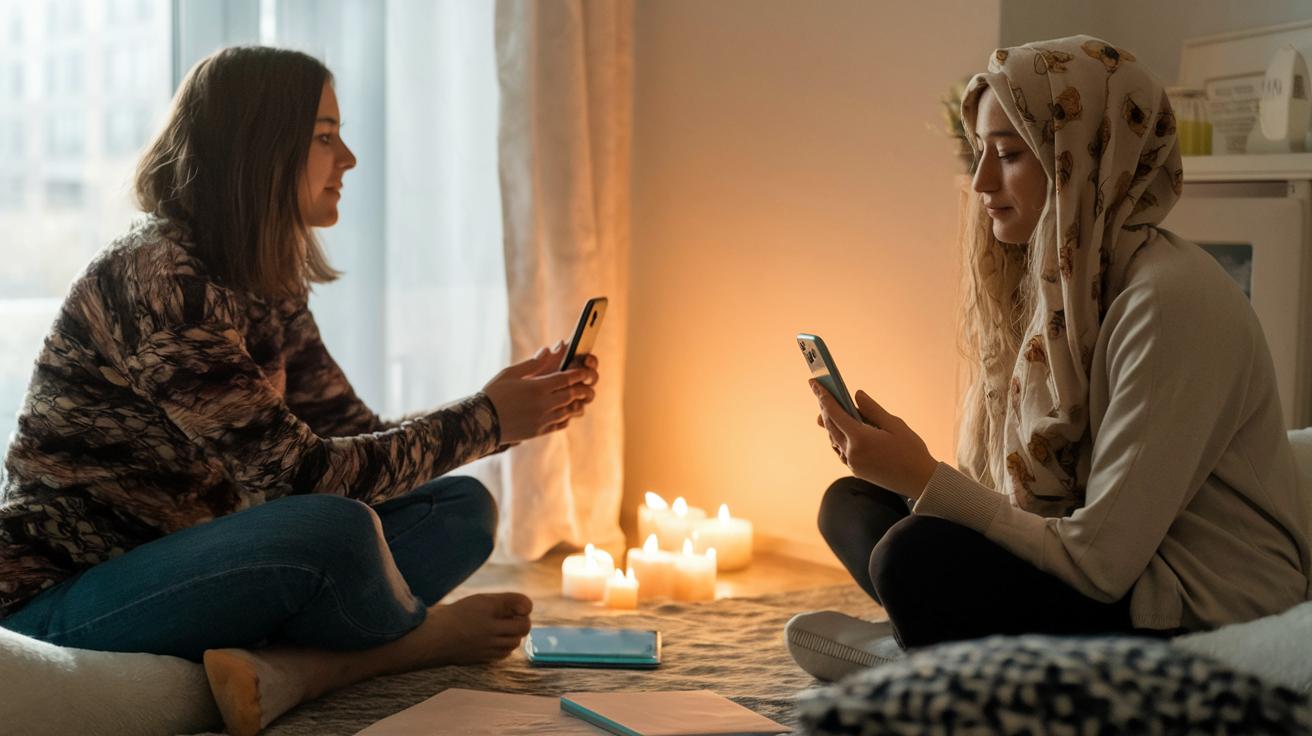
Transforming a group activity into a nurturing self care session can really lift everyone's spirits. Start by tailoring the length of each activity so it feels just right for your group. For instance, little ones might enjoy fun, quick games, while teens, students, or employees could benefit from a creative session that goes on a bit longer. Teachers and counselors, on the other hand, might appreciate moments for reflection and open sharing.
Keep your approach flexible. Use simple words and clear instructions for younger groups, and offer more details when working with adults. When organizing games or discussions, adjust the level of challenge according to different ages and group sizes. A feedback circle after each session gives everyone a chance to share thoughts and suggest ways to make things flow even better.
For those leading these sessions, tools like the Positive Psychology Toolkit© can be a lifesaver. It offers fun exercises that you can easily tweak for any setting. Try out different materials, creative prompts, and adjust your activities on the fly based on how the group is responding. Using a brief facilitator debrief after each session can help smooth out the process. For more ideas on how to customize activities for specific mental health needs, visit the Self Care Tips for Mental Health page. Each session can be a unique expression of care and connection.
Final Words
In the action, we explored group activities for self care that help ease stress and foster connection. We looked at mindful exercises, creative projects, and outdoor practices that boost mood and bring people together. Small planning tips showed how to keep sessions fun and simple across different settings. Each idea aimed to brighten your day while making self care a shared experience. Embrace these group activities for self care and enjoy the confidence that comes with a refreshed mind and body.
FAQ
Q: What information does a Group Activities for Self Care PDF provide?
A: A Group Activities for Self Care PDF outlines easy-to-follow exercises like guided meditation, gratitude circles, and journaling sessions, along with tools and templates to plan engaging group self-care events.
Q: What are some self-care group therapy activities for and fun self-care activities for adults?
A: Self-care group therapy activities for adults combine simple mindfulness exercises, creative art projects, and interactive sessions like virtual chats, all designed to ease stress and foster genuine connection.
Q: What group activities for self care work well in mental health groups and staff meetings?
A: Group activities for mental health and staff meetings often include short guided meditations, gentle stretching breaks, and creative sessions such as art or music mini-workshops, promoting both relaxation and team bonding.
Q: What self-care workshop ideas can I try?
A: Self-care workshop ideas feature hands-on sessions like group journaling, guided body scans, live art therapy, and role-play activities, each crafted to boost mood, creativity, and personal growth.
Q: What are examples of self-care activities?
A: Examples of self-care activities range from mindfulness meditation and daily journaling to art sessions, walking meetings, and gratitude circles, all targeting stress relief and a balanced lifestyle.
Q: What are the 4 C’s of self-care?
A: The 4 C’s of self-care refer to care, connect, contemplate, and celebrate, offering a simple method to focus on personal well-being and maintain life balance between work and play.
Q: What are fun activities for mental health groups?
A: Fun activities for mental health groups include brief guided relaxation, creative art therapy, upbeat music and dance breaks, and laughter exercises, each designed to boost mood and decrease stress.
Q: What are the 7 pillars of self-care?
A: The 7 pillars of self-care typically include physical, emotional, mental, social, spiritual, environmental, and practical aspects, providing a holistic guide to nurturing overall well-being.