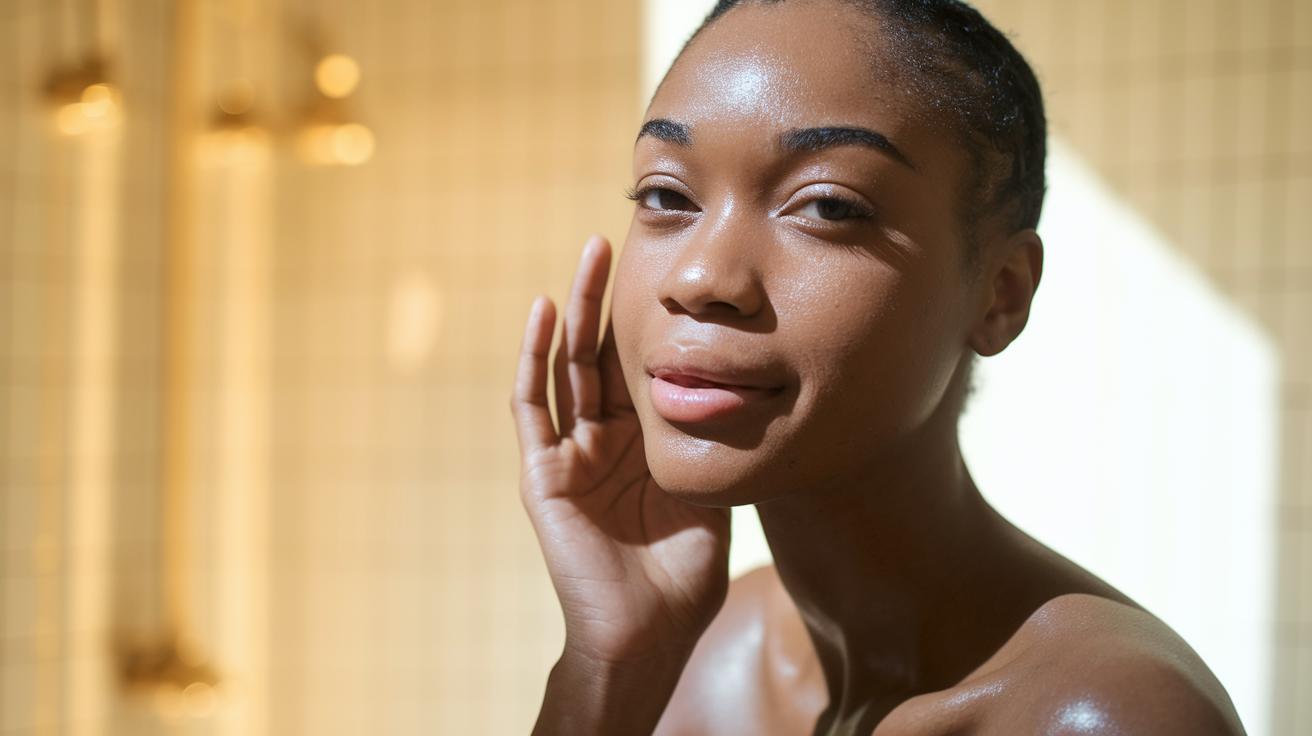
Ever notice how some days your skin just seems to shine? It might be because of amazing hormones like estrogen and cortisol. Think of them as little gardeners who water and tend your skin, keeping it firm, hydrated, and full of life.
When these messengers are doing their job just right, your complexion stays clear and strong even when life gets hectic. Curious about how to keep your hormones happy and your glow on point? Read on to discover simple tips for feeling luminous from the inside out.
How Hormones Drive Your Skin’s Natural Glow
Your hormones are like friendly messengers, keeping your skin refreshed, clear, and full of life. They work behind the scenes, helping your skin repair, balance moisture, and create collagen (that’s the natural support structure that keeps your skin firm). When hormones like estrogen, progesterone, testosterone, cortisol, and thyroid hormones are in sync, your skin’s barrier is strong and glowing.
Good hormone balance also means your skin stays well-hydrated. Think of it like watering a garden, without enough water, flowers wilt, but with just the right amount, they burst with color. When every hormone does its part, your skin not only looks vibrant but also naturally fights off everyday damage.
Hormones even play a part in how your skin handles stress and repairs itself after a long day. Embracing your body’s natural rhythm can transform your skincare routine, making your skin feel both healthy and resilient. It’s all about keeping the balance, letting your natural glow shine through.
Estrogen and Glowing Complexion: The Beauty Hormone’s Effects
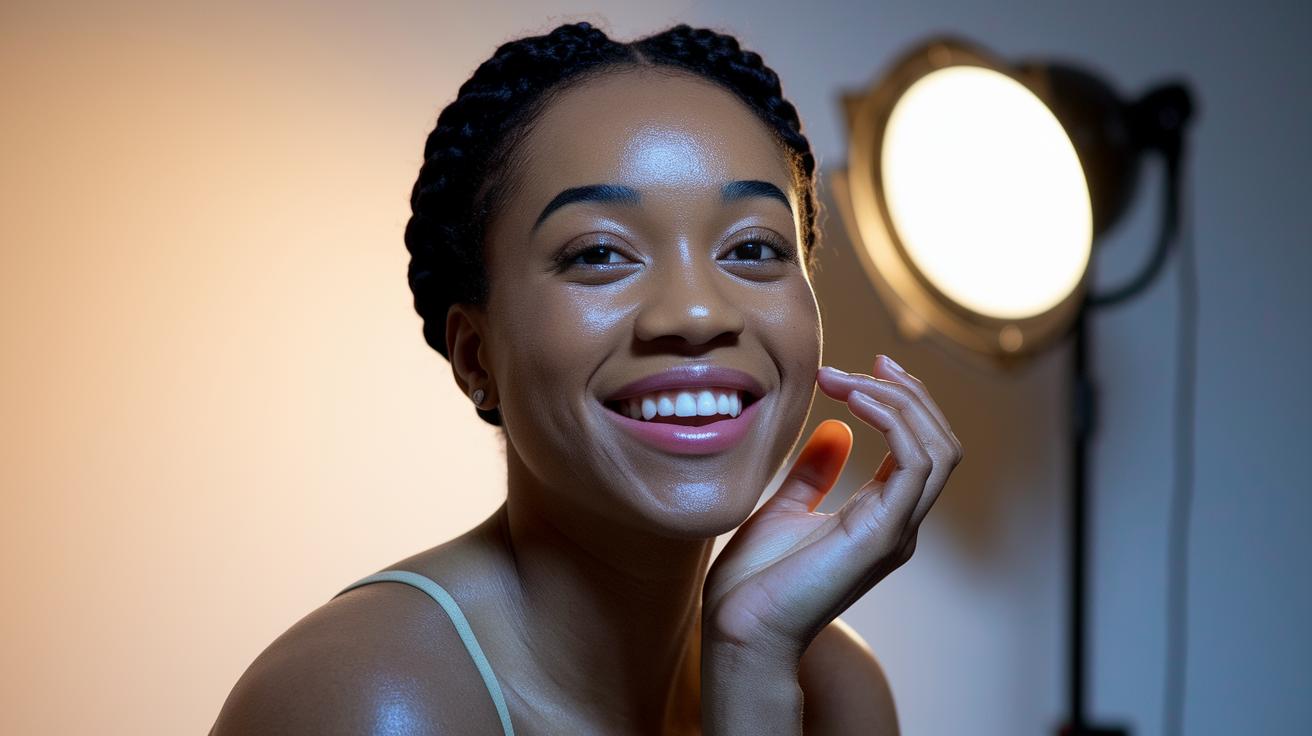
Have you ever noticed how your skin feels soft and radiant on a good day? That’s thanks to estrogen, often called the beauty hormone. It really works like a charm by helping your skin stay hydrated and firm. In simple terms, when your estrogen is high, it gives your collagen a boost, so your skin stays plump, smooth, and full of life.
Think of it as your skin’s best friend. Estrogen is like a natural moisturizer, it helps balance hydration, leaving your skin feeling silky and glowing all day long. With this extra hydration, fine lines become less noticeable, and your skin gets a lovely dewy finish. It’s the kind of magic that makes you want to run your fingers over your face just to feel that softness.
But here's the tricky part. When estrogen levels drop, which can happen during perimenopause or menopause, you might notice small changes. Your skin may lose a bit of its bounce and start to feel thinner. Fine wrinkles can pop up, and your collagen production slows down, so that youthful glow might fade. It’s a natural shift that many women experience.
Understanding these changes is super important. It gives you a heads-up to tweak your skincare routine accordingly. With a few adjustments here and there, you can help your skin stay resilient and luminous, no matter what stage life brings you. Isn't it comforting to know that a little extra care can help keep your skin as vibrant as ever?
Cortisol’s Impact on Skin Radiance: Stress Hormone Insights
When you're stressed, your body starts to pump out extra cortisol, a hormone that can really throw your skin off balance. This extra cortisol causes inflammation, worsening conditions like rosacea, eczema, or psoriasis. It also slows the repair of sun damage and weakens the barrier that locks in moisture, leaving your skin looking dull and feeling sensitive. Ever notice how a spike in cortisol is like throwing a spanner in the works of your skincare routine? Even a tiny pimple can turn into a breakout when your skin can't heal properly.
To keep cortisol in check and bring back that natural glow, try weaving some stress-busting habits into your day. Simple ideas like mindfulness, deep breathing, or a few minutes of gentle yoga or meditation can make a big difference. These practices not only lower cortisol but also calm inflammation, letting your skin bounce back faster, even on those rough days. In truth, a little stress reduction goes a long way toward keeping your skin radiant.
Testosterone, Sebum, and Skin Clarity: Balancing Oil Production
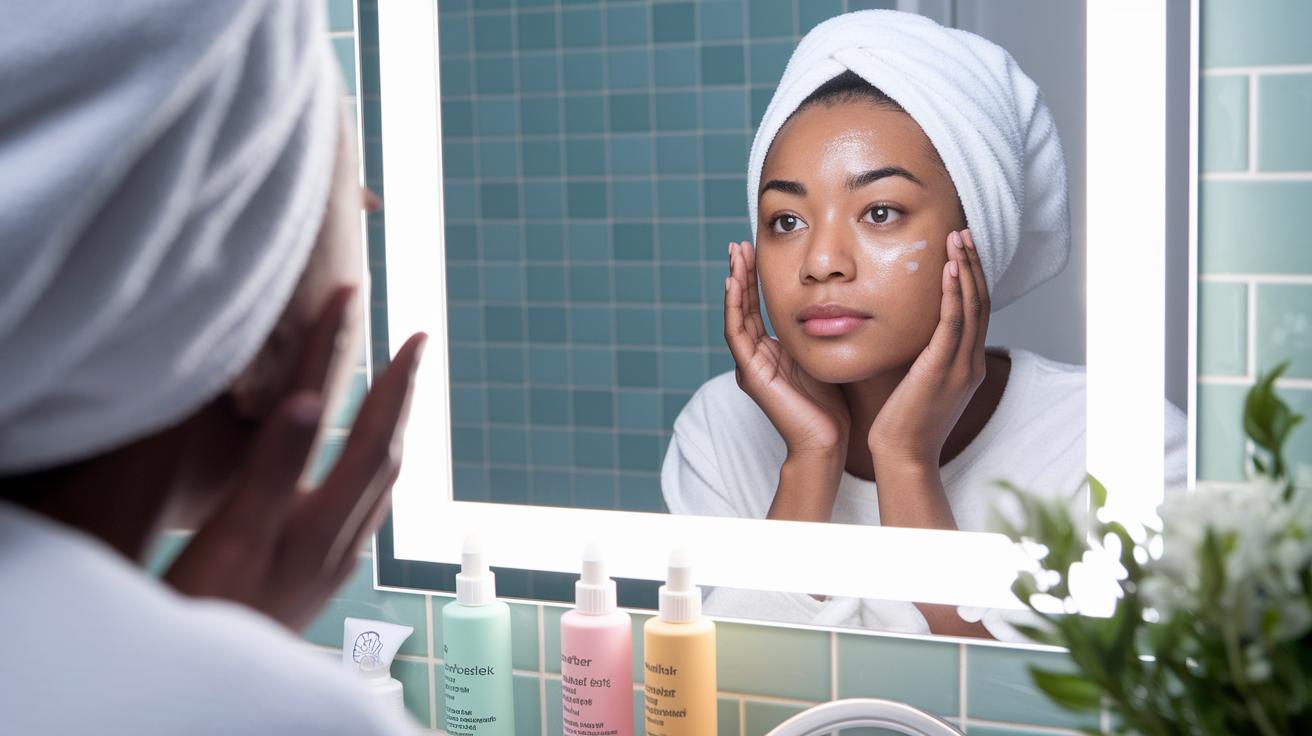
Testosterone tells your skin to make sebum, a natural moisturizer that keeps your skin soft. But too much sebum can block your pores, much like overwatering a plant can hurt its roots. During puberty, stressful times, or conditions like PCOS, extra testosterone may lead to oily skin and annoying breakouts.
A few tips for managing sebum include using gentle cleansers and non-comedogenic products (that is, products that won’t block your pores). I once switched to a cleanser that preserved moisture without overdoing it, and my skin felt much clearer, almost as if I’d found the perfect balance. Keeping this balance is key to enjoying a fresh, vibrant complexion while keeping blemishes at bay.
Thyroid Hormones and Skin Hydration: Metabolism Meets Moisture
Thyroid hormones T3 and T4 are like your skin’s personal helpers. They keep your metabolism humming and your blood flowing so that essential vitamins and moisture can reach every skin cell. When your thyroid is in top shape, your skin stays balanced, hydrated, and naturally radiant.
Imagine watering your favorite plant: the right amount of care makes it thrive. Think of your skin as a sunlit garden where every petal is nourished just right. Better circulation means your skin gets the oxygen and nutrients it needs to repair and refresh itself. This process not only locks in moisture but also builds a strong, protective barrier around your skin.
So when everything flows just as it should, your complexion looks lively, fresh, and effortlessly glowing.
Hormonal Fluctuations Through Life Stages: Glow Variations
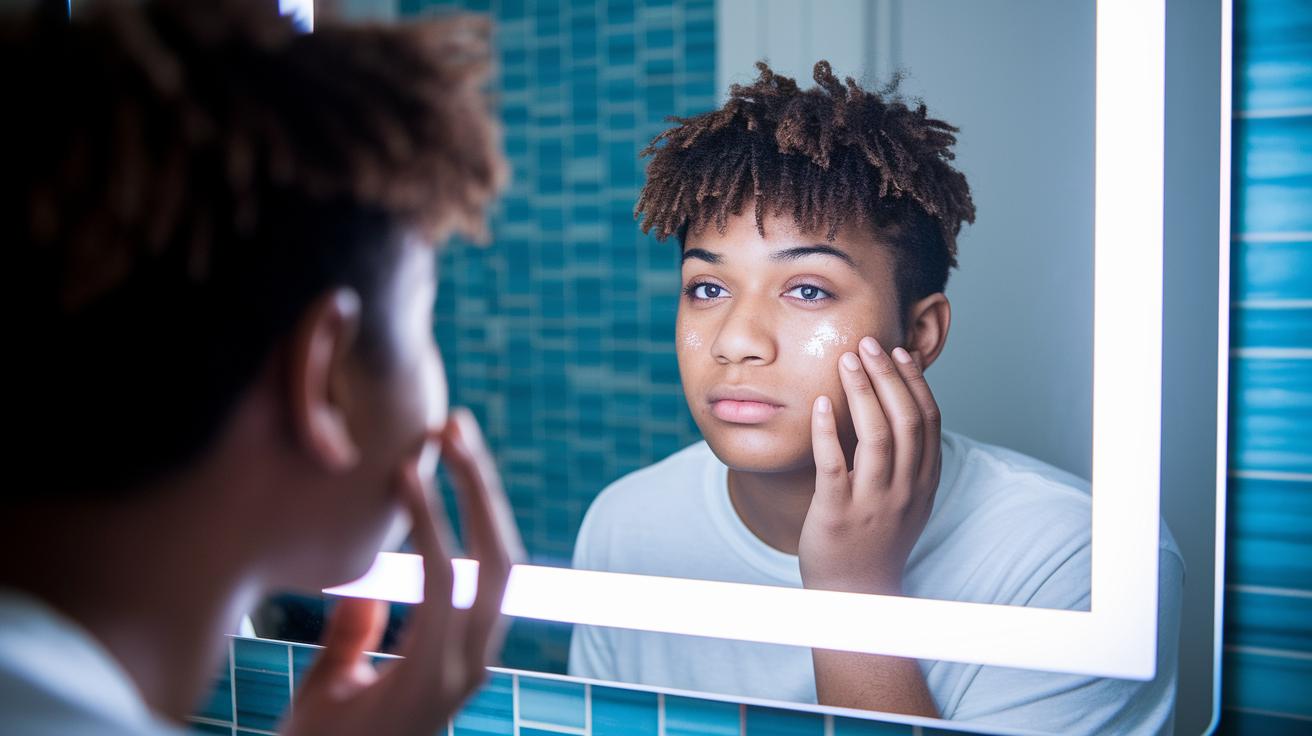
Puberty is one of the first times your body starts to change, and your skin can feel it too. When testosterone kicks in, your skin might get oily and break out a bit. Over time, though, it figures out how to ride those hormone waves. For example, during your cycle, the first part brings a nice, bright glow thanks to rising estrogen, while later on, more progesterone might mean a bit more oil. It’s kind of like tuning your skincare routine to your body’s rhythm, maybe a little extra moisturizer when needed.
Pregnancy changes the game with its own kind of glow. Many women find that their skin becomes extra radiant and smooth, all because of a natural boost in estrogen that helps lock in moisture. Still, you might also notice some changes in your skin’s clarity, a gentle reminder of the delicate dance of hormones.
Later in life, as you go through perimenopause and menopause, estrogen naturally starts to drop. This shift can leave your skin feeling dryer and might bring on fine lines. That’s when tweaking your hydration routine becomes key to keeping your skin firm and bright. A thoughtful approach to skincare through each stage can really help you maintain that beautiful, luminous glow.
Natural Approaches to Balance Hormones for Radiant Skin
A colorful, nutrient-rich diet does wonders for balancing your hormones and lighting up your skin. Fill your plate with cheerful berries, crunchy nuts, fresh leafy greens, and omega-3 filled foods, the kind that come packed with antioxidants (little helpers that fight stress) to boost your skin’s natural repair routine. For instance, savor a bowl of mixed berries paired with a handful of almonds to kickstart your day with a refreshed glow.
Incorporate phytoestrogen-rich foods like soy and flax, which gently support estrogen activity to keep your skin hydrated and strengthen collagen production. Imagine your salad as a mini detox, with every crisp leaf and ripe tomato delivering essential nutrients that soothe inflammation and reveal your inner radiance.
Of course, food is only part of the picture. Stress reduction through yoga, mindfulness, or even a quick ten-minute meditation session is key to lowering cortisol levels. Picture yourself sitting in a quiet garden, breathing deeply and letting go of tension. This simple daily pause not only balances your hormones but also adds a beautiful shine to your skin.
For more ideas on keeping your skin detoxed and radiant, check out Skin Detox Methods for Glowing Skin. Blend hormone-friendly foods with mindful breaks throughout your day, and you’ll build a solid foundation for healthy, luminous skin. Each nutrient-packed bite and every moment of calm helps your skin glow from the inside out.
Designing a Glow-Enhancing Skincare and Lifestyle Regimen
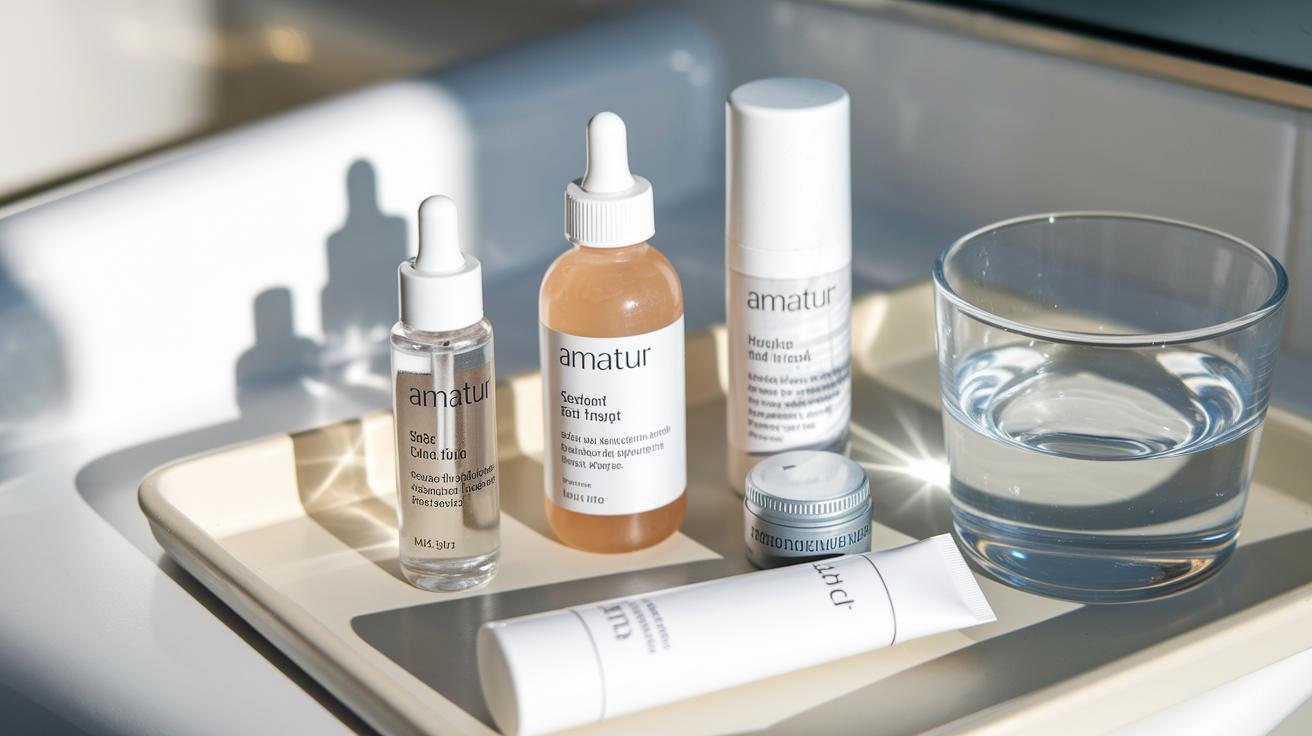
Let’s align your skincare routine with your body’s natural rhythm. In the morning, start with a gentle cleanser paired with a mild exfoliant that refreshes without robbing your skin of its natural moisture. Then, layer on hydrating serums packed with hyaluronic acid (a moisture magnet), peptides, and ceramides to boost hydration and support collagen, like a cool splash of water waking up your skin.
Don’t skip the sunscreen. Make it a daily go-to to shield your skin from harmful rays while keeping that radiant glow in check.
When evening arrives, treat yourself to a facial massage or a gua sha session, a traditional tool that helps smooth and tone the skin. This gentle ritual boosts circulation and encourages lymphatic drainage, easing away the day’s stress and setting the stage for skin repair. For more detailed evening routines, check out Facial Massage Techniques for Glowing Skin.
And remember, beauty sleep is more than just a saying. Aim for 7 to 9 hours of quality rest so your skin can rejuvenate naturally and keep its luminous glow.
Final Words
In the action, we explored how estrogen, cortisol, testosterone, and thyroid hormones change skin's look and feel. We broke down how each natural shift impacts hydration, collagen, and oil balance.
We also shared simple tips to adjust lifestyle and skincare routines with clear steps to stay on track. Your glow comes from caring for your inner balance while keeping an eye on how hormones affect glowing skin. Keep embracing these insights and feel confident making chic, informed choices every day.
FAQ
Which hormone is called the beauty hormone?
Estrogen is often called the beauty hormone because it boosts collagen production and keeps skin hydrated, resulting in a naturally glowing, supple complexion.
How do hormones affect your skin?
Hormones act as chemical messengers that control skin repair, oil production, and moisture balance. When balanced, they promote a clear, even tone; imbalances may lead to acne, dryness, or pigmentation changes.
What does high estrogen skin look like?
High levels of estrogen support a dewy, plump appearance with boosted collagen and hydration, giving the skin a youthful, luminous look, while a drop can make skin appear dryer and thinner.
What hormone causes oily skin and hair in women?
Testosterone often raises sebum production, which can lead to oily skin and hair. Its fluctuations, especially during puberty or stress, may increase the likelihood of acne and shine.
Does hormone imbalance cause skin pigmentation issues?
Imbalances in hormones may trigger uneven pigmentation, causing darker spots or patches. Keeping hormones in check through a balanced lifestyle can help maintain an even and vibrant skin tone.