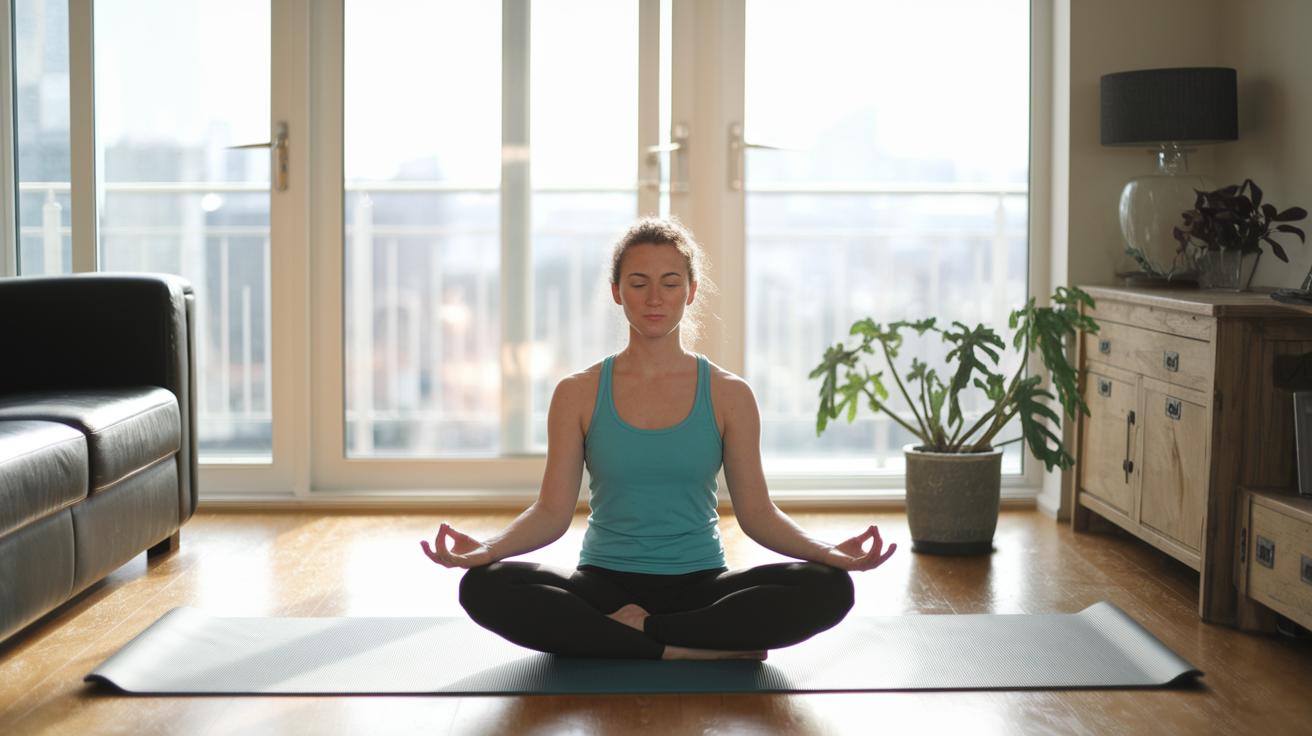
Ever feel like your day is running wild and nothing seems to click? Sometimes we drift right through our routines without pausing to savor a deep breath or the simple beauty around us. Imagine if you could hit pause for just a couple of minutes, a little break that clears away stress and brightens your day.
Starting your morning with a quiet ritual, like savoring a warm cup of coffee while watching the sunrise, or taking a short pause at lunch to feel the calm around you, can do wonders. These small, mindful moments help you slow down and find a bit of peace amid a busy schedule.
Ever try giving yourself that gentle nudge to just be present? It might be surprising how such tiny pauses let you feel more balanced and aware. Sometimes, all it takes is a brief mindful moment to shift your day into gear.
how to practice mindfulness daily: Embrace calm
Mindfulness is about being right here, right now, enjoying every thought, feeling, and body sensation without any judgment. Imagine stepping off the autopilot and really noticing the world, like feeling the gentle brush of a cool breeze or the softness of your favorite sweater. This simple shift can melt away stress and boost clarity throughout your day.
Most of us go through life on “auto” mode, with nearly 95% of our actions happening without us even thinking about them. By trying out small, thoughtful tricks, you can gently guide your mind to take the wheel. It’s like adding sprinkles of meaning to those everyday moments that usually pass by unnoticed.
Start your morning with a little mindful wakeup ritual. Before you check your phone or email, spend two peaceful minutes focusing on your breath. Then, as the day unfolds, set a gentle alarm in your mind, maybe when the clock chimes or during a short break, to remind you to pause. Use that moment to check in with your body and let any tension slip away.
At mealtime, give mindful eating a try. Before you dig in, close your eyes and take eight to ten slow, deep breaths from your belly. Let yourself enjoy the burst of flavor and feel the textures of your food, just like savoring the first sip of a favorite hot drink. Later in the afternoon, take a quick breath-check to reset your thoughts. And as your day winds down, take a moment to reflect on how you felt from start to finish.
Pick one of these little practices that feels natural to you and make it a habit. Over time, even these small, mindful pauses can build a steady sense of calm and purpose that lights up your entire day.
Core Daily Awareness Exercises for Stress Relief
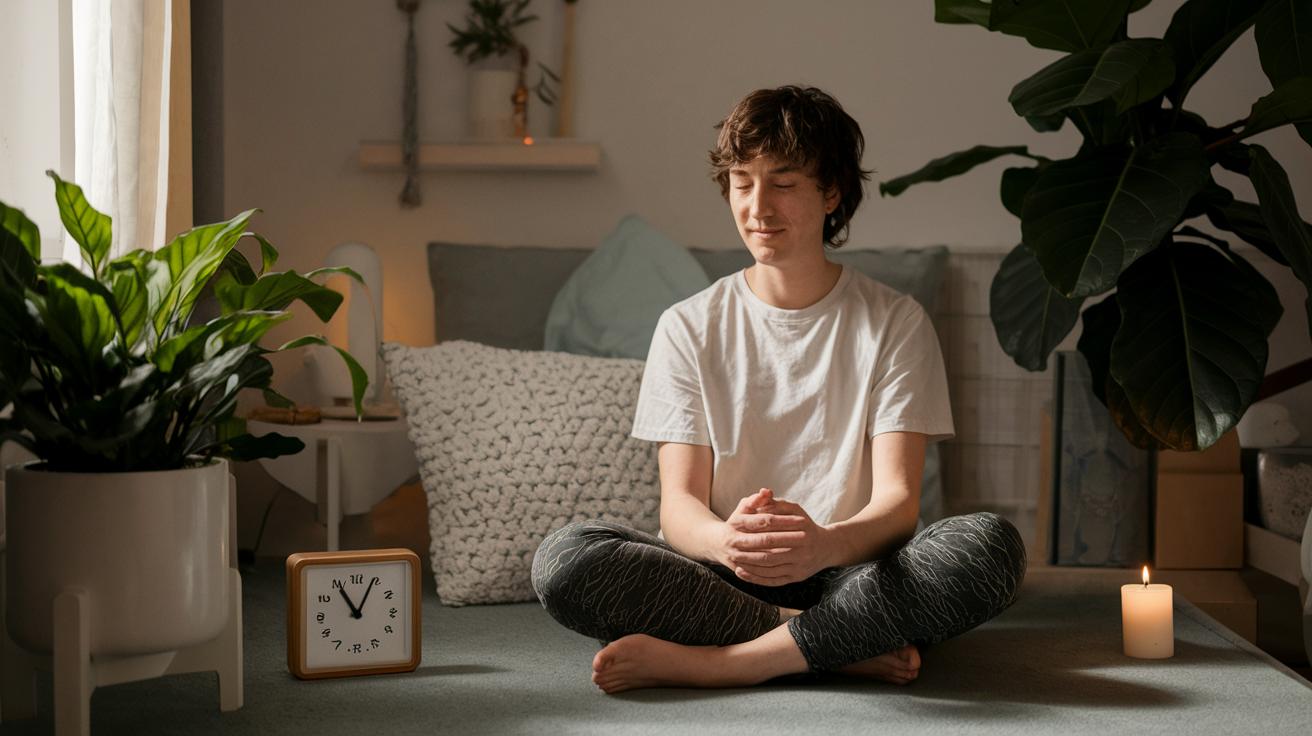
When your day feels like it's moving too fast, try these quick micro-practices to catch a breath of calm. They’re little mindful escapes that help you reset without needing a long break from your busy schedule. Think of them as tiny pockets of peace you can tap into anytime.
-
3-Minute Breathing Space (3 minutes): Spend these moments focusing solely on your breath. Each slow, deep inhale and exhale helps your body and mind let go of tension. Imagine the soft rhythm of your breathing as it washes away the day's stress.
-
Five Senses Exercise (approx. 3 minutes): Take a mini sensory journey. Start by noticing five things you can see, then four textures you feel, three sounds around you, two scents in the air, and finally, one taste on your tongue. It’s a playful way to bring you right back to the present.
-
Body Scan Meditation (5-10 minutes): Gently shift your focus from your head down to your toes. Notice any sensations along the way, it’s like checking in with each part of your body to make sure nothing is missed.
-
5-4-3-2-1 Counting Exercise (around 2-3 minutes): Use this simple counting game to ground yourself. Identify five things you see, four things you feel, three things you hear, two things you smell, and one thing you taste. This quick exercise turns stress into sensory clarity.
-
Four-Minute Mindful Eating (4 minutes): Choose a small, textured treat, like a raisin, and let your senses explore it. Notice its color, feel, and flavor in full detail. It transforms a simple snack into a mini-meditative experience.
These practices slip seamlessly into even the busiest of days, turning fleeting moments into opportunities for calm and clarity. Give them a try, you deserve a little break to feel refreshed.
Integrating Mindfulness into Everyday Routines
Every day offers a chance to take a little mindful break, even during your busiest moments. Why not turn a routine task into a moment of calm and awareness?
When you wake up, try setting aside just two quiet minutes to focus on your breathing before reaching for your phone. Imagine sitting by a sunlit window, taking slow, deep breaths, and letting your thoughts gently settle.
Before you dive into your meal, close your eyes and take a few deep belly breaths. Picture each bite bursting with flavor, like the satisfying crunch of a fresh salad that awakens your senses.
Look for little signals throughout your day, a phone buzz, a red traffic light, as reminders to pause for about 30 seconds. At that stop sign, for instance, feel the cool air around you and simply be present in the moment.
During your workout, match your breath with your movement. Whether you’re jogging around the block or doing a home routine, counting your breaths along with each step can boost both your energy and your awareness.
If you find yourself caught in heavy traffic, ease your tension by relaxing your shoulders and taking a mindful breath. At a long red light, gently exhale and imagine releasing the stress piled up on the road.
These small mindful moments can add up, helping you feel more present and in tune with your day with every breath.
Building Routine Meditation Habits on the Go

Sometimes life moves fast, and it’s hard to find a quiet moment. But little meditation breaks, like tiny mental pit stops, can help you feel refreshed even on your busiest days.
-
Walking Meditation: Ever think your speedy commute could be a mini escape? Try focusing on every step. As you walk, notice each footfall and let it ground you. It’s like turning a quick stroll into a little journey of calm.
-
Micro-breath Checks: Imagine pausing for just 15 seconds at a red light or in a doorway. These brief moments let you breathe deeply, like hitting a reset button before the next task. It’s a fast way to gather your thoughts.
-
Chair Body Scan: When work gets overwhelming, take a two-to-three-minute break at your desk. Gently scan your body, starting from your head and moving down to your toes. Let your eyes relax and your shoulders drop. This simple act can ease stress and bring a sense of peace.
-
Mindfulness Bell Exercise: What if your phone’s notification was a cue for a moment of mindfulness? When it chimes, pause for five seconds to check in with your thoughts and body. It’s a quick, effective way to break the digital buzz with a mindful pause.
Try picking one of these exercises and practice it three times a day. Soon, you’ll notice how even the tiniest moments of mindfulness can brighten your day.
Benefits of Consistent Calm Cultivation for Mental Health
Every day, a few moments of mindfulness can gently pull us away from the non-stop rush and cluttered thoughts of our busy lives. When you set aside some time for a mindful pause, it eases stress and smooths out your mood by inviting you to tune in to your body and emotions without any judgment. Research even shows that these little mindful breaks can help you sleep better and make clearer decisions. In truth, this simple habit not only calms anxiety but also boosts your focus and builds the inner strength needed to handle everyday challenges, an essential step toward inner peace.
Mindfulness brings some real benefits, including:
- Reducing stress
- Improving sleep
- Balancing emotions
- Clarifying decisions
Mindfulness is a key self-care practice that lays a strong foundation for lasting well-being. For more ideas on how to weave self-care into your daily routine, check out why is self care important.
Tracking Your Mindfulness Progress with Daily Reflection

Taking a few moments each day to check in with your mindfulness practice can reveal real changes in your mood and energy. Writing down how you feel before and after each session does more than just mark time, it shows you, in clear detail, how you're growing and keeps you motivated. Noting the type of practice you did, its length, and your emotions helps build a strong sense of self-awareness that you can actually see. Over time, these notes become little snapshots of progress, much like the kind of improvement you’d see through gentle, thoughtful therapy.
| Date | Practice | Duration | Mood Before | Mood After |
|---|---|---|---|---|
| 04/01/2023 | Breathing Exercise | 3 min | Anxious | Calm |
| 04/02/2023 | Body Scan | 10 min | Restless | Relaxed |
| 04/03/2023 | Mindful Eating | 4 min | Distracted | Focused |
| 04/04/2023 | Walking Meditation | 5 min | Stressed | Peaceful |
| 04/05/2023 | Journaling | 7 min | Tired | Uplifted |
Try to make it a weekly habit to look over your notes. Noticing patterns in your thoughts and feelings can give you an extra boost of confidence in your journey.
Final Words
In the action, we explored mindful wakeups, meal mindfulness, quick pause exercises, and on-the-go drills that bring everyday routines into a space of presence. Each section offered bite-sized tips to build lasting habits and boost mental well-being.
We wrapped up by showing how recording small shifts can turn into big improvements over time. Use these steps as your guide on how to practice mindfulness daily, and enjoy the steady boost this mindful touch brings to your everyday living.
FAQ
How to practice mindfulness in daily life
Practicing mindfulness daily means incorporating simple techniques like focused breathing, mindful eating, and regular reflection. These quick exercises help shift you from autopilot to fully engaging with the present.
Mindfulness in everyday life PDF
A mindfulness in everyday life PDF typically explains a step-by-step guide on incorporating mindful practices into your routine. It offers clear exercises and tips to help you stay present throughout your day.
What is mindfulness
Mindfulness is the practice of being present in the moment by noticing your thoughts, feelings, and sensations without judgment. This helps create a calm, focused state that can lower stress and boost clarity.
5 ways to practice mindfulness
Five methods include starting your day with intentional breathing, taking mindful pauses during work, savoring meals, doing a brief body scan, and using sensory exercises to ground yourself in the here and now.
How to practice mindfulness for anxiety
Practicing mindfulness for anxiety involves using techniques like deep, controlled breathing, a brief body scan, and sensory grounding exercises. These practices help ease anxious thoughts and promote a sense of calm.
Mindfulness exercises for adults
Mindfulness exercises for adults include short breathing practices, body scans, sensory awareness drills, and mindful pauses. These quick exercises easily fit into a busy schedule, helping you stay centered during your day.
2 minute mindfulness exercise PDF
A 2-minute mindfulness exercise PDF usually guides you through a quick breath-focused and body awareness practice. It provides concise instructions so you can quickly regain calm during a busy day.
Mindfulness exercises PDF
A mindfulness exercises PDF offers a collection of guided practices—including breathing techniques, body scans, and sensory focus routines. It serves as a handy reference for building a structured daily mindfulness practice.
How can I practice mindfulness every day?
Practicing mindfulness every day means setting aside brief moments for focused breathing or sensory check-ins, such as at morning wakeup, during lunch, or while unwinding in the evening, to create ongoing presence.
What is the 3-3-3 rule in mindfulness?
The 3-3-3 rule in mindfulness involves naming three things you see, three things you hear, and three sensations you feel. This simple technique quickly brings your attention back to the present moment.
What are the 5 R’s of mindfulness?
The 5 R’s of mindfulness guide you to Recognize, Reflect, Respond, Redirect, and Reframe your thoughts. This framework helps you transition from automatic reactions to mindful, thoughtful awareness.
What are the 7 C’s of mindfulness?
The 7 C’s of mindfulness include clarity, commitment, concentration, calm, curiosity, compassion, and creativity. These qualities create a balanced approach to staying aware and fully engaged in the moment.