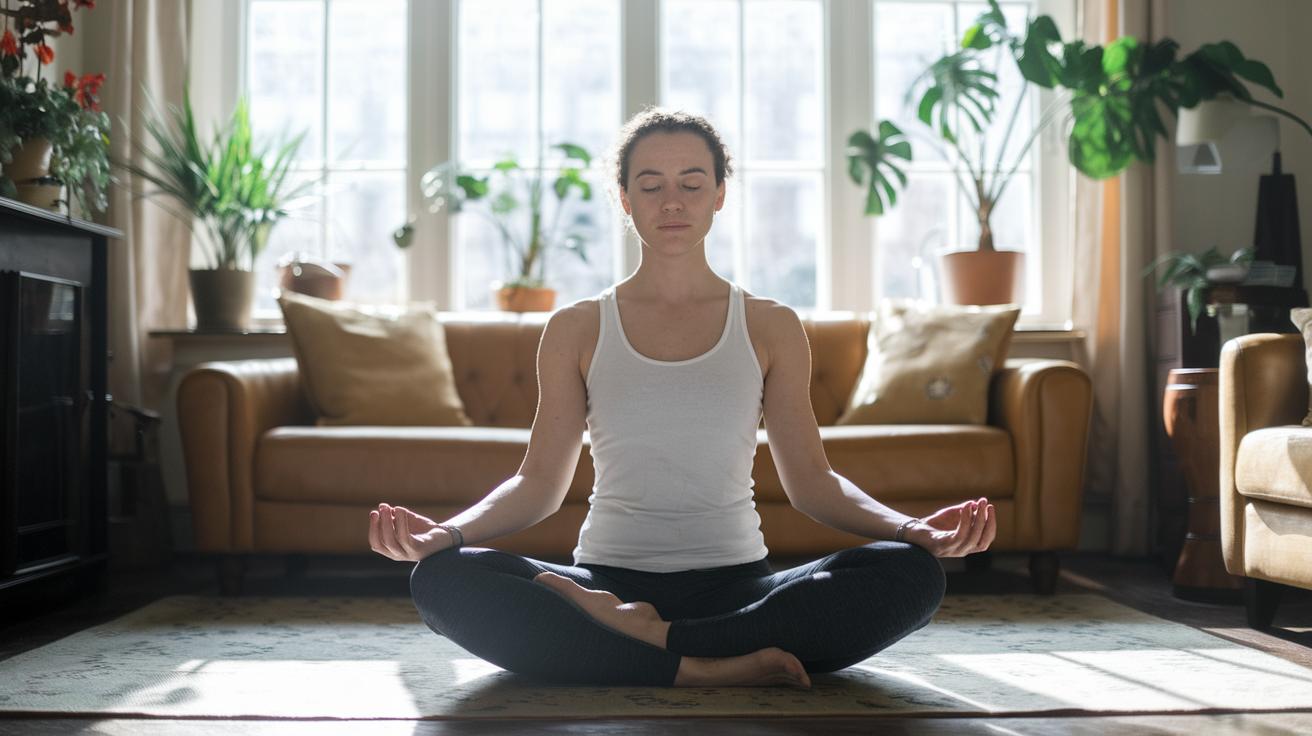
Ever notice how stress can sneak up on you and take over your day? Our bodies start pumping extra cortisol (a stress hormone) that clouds our thoughts.
But here’s a little secret: by doing simple things like slow, measured breaths or taking a quiet walk outside, you can turn that panic into a peaceful vibe. It’s not about pretending your problems aren’t there, it’s about giving yourself a chance to hit the reset button.
In this post, we’re sharing easy, practical tips to help you find your inner calm and keep stress from taking control.
Practical Self-Soothing Techniques for Immediate Calm
When stress hits, your body produces extra cortisol, a little chemical that can make you feel overwhelmed. That's why quick, calming techniques are so essential; they help reset your system without falling into habits like binge eating or drinking, which only offer a brief escape.
Dialectical Behavior Therapy (a type of talk therapy) teaches us that calming from the inside out is key for managing intense emotions. A few simple techniques to shift your focus away from stress can steady your mood and clear your mind.
- 3–4–5 Breathing: Breathe in slowly for 3 seconds, hold your breath for 4, then exhale for 5 seconds.
- 15-Minute Mindful Walk: Step outside and really notice the world around you.
- Grounding Touch: Gently press your hand against your heart or any stable surface to feel grounded.
- Self-Compassion Phrase: Quietly repeat a kind phrase, like “I am enough,” to remind yourself of your worth.
Try weaving these methods into your daily routine. Instead of letting overwhelming feelings take control, spend just a few minutes with one of these exercises. Not only do they help lower cortisol, but they also build your resilience over time. Whether it's a deep, mindful breath or a brief, refreshing stroll, each method helps you create a personal toolkit for calming both your body and mind. For extra self-care ideas, check out these mental health tips (https://imdandy.com?p=130).
Breathwork and Mindfulness Practices to Self Soothe Anxiety
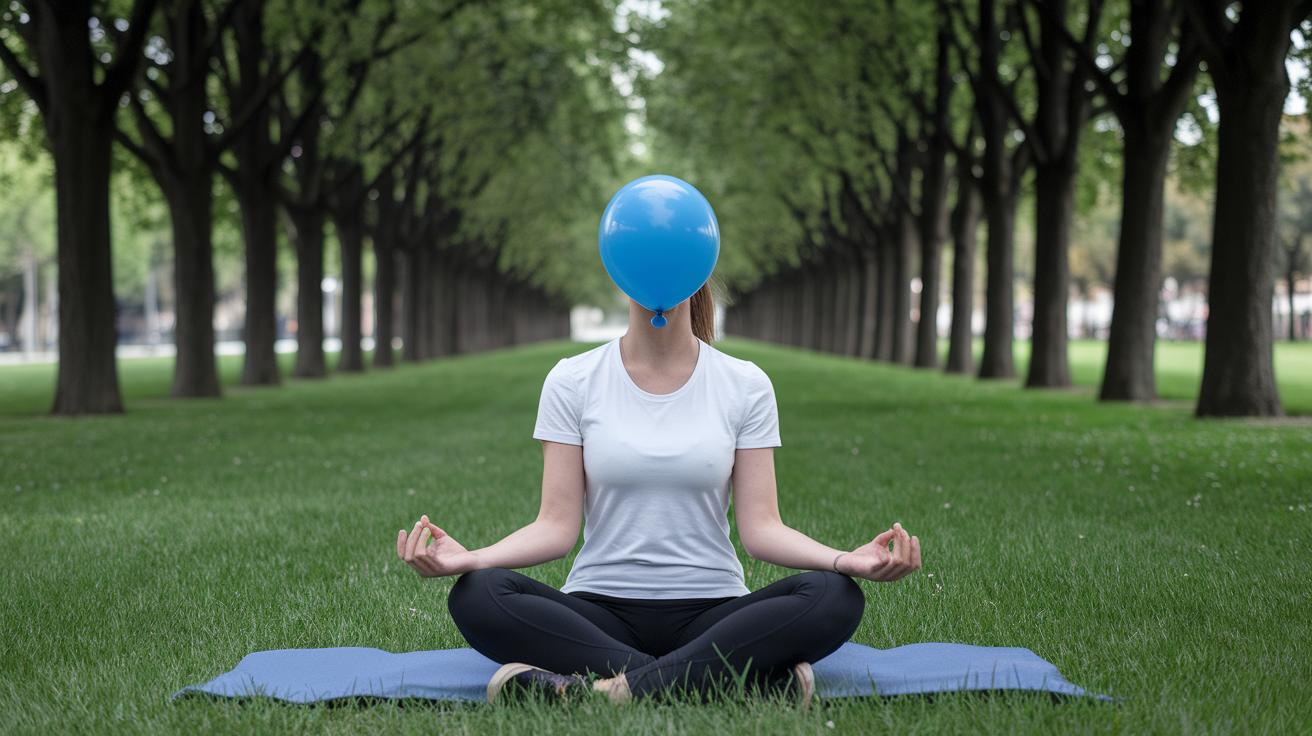
Ever feel like anxiety is taking over? Try the 3–4–5 breathing method: breathe in slowly for 3 seconds, hold it for 4 seconds, then exhale fully over 5 seconds. Think of it as gently filling a balloon with calm, then letting go of all the tension as you exhale.
Next, take a relaxed, 15-minute walk in a quiet, green space. Focus on each step, listen to the soft rustle of leaves, and feel the warm kiss of sunlight on your skin. It’s like a mini-vacation for your mind and body.
Finally, add a simple meditation to your self-care routine. Sit comfortably with your eyes closed and quietly repeat a phrase like, "I am calm." This little act of self-love can boost your energy and help you find balance in a busy world.
Engaging Senses and Self-Touch Methods for Emotional Balance
Imagine giving yourself a tender massage on your neck or shoulders for just five minutes, it’s like a mini reset for your day. A gentle self-massage can ease tight muscles and help quiet your mind, while softly tapping special points on your body can lower stress hormones, almost like resetting a soft, familiar alarm clock in your brain.
One cool way to feel more at ease is the butterfly hug. Picture crossing your arms over your chest, then gently tapping your hands on your upper arms while you breathe slowly. As you do this, you might say to yourself, “I feel calm and grounded.” Research, including work by Dreisoerner and friends in 2021, shows that these simple self-touch techniques can lower stress chemicals like cortisol and adrenaline. It’s a little act of kindness to yourself that can bring a wave of comfort on a tough day.
Cognitive and Journaling Strategies to Self Soothe Emotional Distress

Journaling can be like having a quiet chat with yourself. It turns harsh self-talk into kind, gentle words and helps you find balance when stress hits. Writing down your feelings makes big, overwhelming thoughts easier to understand and manage.
Try asking yourself simple questions like, "What did I do that I'm proud of today?" or "What emotion needs some extra kindness right now?" You might also wonder, "How can I create a moment of calm this evening?" or "What lovely detail from today can remind me of life’s beauty?" These thoughtful prompts invite you to be gentle with yourself and clear away the mental fog.
Imagine guided imagery as a daydream with a purpose. Picture a peaceful place where every detail, from soft sunlight to the sweet scent of fresh flowers, wraps you in calm. This simple exercise can help quiet negative thoughts and create an inner space that feels safe and warm.
For a more structured approach, try using cognitive-behavioral worksheets, like those in The Positive Psychology Toolkit (a friendly set of tools to help balance your mood). You might even add a daily self-care checklist to your journaling habit. This way, you can track what triggers your stress and celebrate the positive coping steps you take each day.
how to self soothe: Embrace Inner Calm
Take a moment in your day for a gentle self-check. Whether it’s in the morning or at night, pause for a breath and ask yourself, "How do I feel? What does my body need?" Think of it like checking your own weather forecast. This simple practice helps you spot stress early and reminds you to breathe, smile, or simply take a break before your next busy moment.
Create little rituals for both morning and midday that honor your need for peace. Start your day with a five-minute stretch to ease away any tension and invite energy. Then, set a small reminder around lunchtime to pause, take a deep breath, and feel grounded. These brief breaks help shift your focus away from daily stress, keeping your inner balance steady.
Carve out a personal nook at home that feels like your own retreat. Fill it with things that soothe you, a soft cushion, a gentle-scented candle, or a few art prints that spark joy. This special corner becomes your go-to spot whenever overwhelm creeps in, offering a tangible reminder of self care and a place where you can always recharge and find inner calm.
Matching Self-Soothing Strategies to Specific Triggers
When those intense feelings hit, having a specific method on hand can help you quickly find your balance. Different triggers need particular techniques that not only ease stress in the moment but also help break any negative cycles.
| Trigger | Recommended Technique |
|---|---|
| Breakup | A short walk outside paired with a kind reminder like “I am enough” |
| Panic Attack | A simple 5-4-3-2-1 grounding exercise to reconnect with your senses |
| Work Stress | A 10-minute session of progressive muscle relaxation to ease tension |
Customizing your self-soothing strategies means really tuning in to what you’re feeling at that moment and picking the technique that fits best. For example, after a breakup, a brisk outdoor walk with a gentle mantra can help clear your head and mend your heart. And if a panic attack creeps up, focusing on your senses with the 5-4-3-2-1 method might quickly bring you back to the present. Even when work is overwhelming, a brief break to relax your muscles can make a big difference. Try different methods and, over time, you’ll build a personal toolkit that suits various emotional moments, giving you both instant relief and growing confidence in handling stress.
Advanced Resources and Long-Term Self-Soothing Development
Dialectical Behavior Therapy (DBT) modules help you build calm and resilience through structured self-soothing skills. These programs break down calming steps into simple techniques, like focused breathing, that guide you from a state of stress to a more balanced mindset. They’re like a gentle pep talk for your emotions when you need it most.
Dr. Peter Levine’s somatic experiencing worksheets are another great tool. They invite you to reconnect with your body through gentle exercises that ease anxiety and release built-up tension. Think of it as a warm reminder to tune in to your body’s signals and let go of stress in a caring way.
The Positive Psychology Toolkit© is packed with fun habit-building exercises too. By following its step-by-step activities, you can gradually weave self-soothing practices into your daily routine. It’s a handy resource for making calmness a natural part of your everyday life, one small step at a time.
And if you’re looking to dive deeper, consider joining workshops or retreats that focus on self-soothing techniques. Whether it’s a soothing guided meditation session or a relaxing retreat designed for recovery, these experiences offer the perfect setting to practice self-care and connect with others who share your journey.
Final Words
In the action of handling stress, you explored practical techniques starting with focused breathing, mindful walks in nature, and gentle self-touch routines. You also learned about journaling and cognitive tips to reframe overwhelming thoughts.
Each method offers a step-by-step way to calm your mind and body during tense moments. By practicing these strategies, you’ll find it easier to manage emotions and boost your confidence in knowing how to self soothe. Keep embracing these techniques for those moments when you need a quick dose of calm.
FAQ
Q: What are self-soothing behaviors for adults?
A: The self-soothing behaviors for adults include simple actions like deep breathing, mindful movement, gentle self-touch, and positive affirmations to quickly lower stress and bring balance to both emotions and body.
Q: How can I teach myself to self-soothe when triggered, angry, sad, or in a relationship?
A: The techniques for self-soothing when triggered, angry, or sad—and even in relationships—rely on practices like mindful breathing, calming self-talk, and short walks that help shift overwhelming emotions to a more centered state.
Q: How do I calm myself emotionally?
A: The strategies to calm yourself emotionally focus on grounding exercises, gentle self-massage, and nurturing phrases that help direct your attention away from high emotions and towards a peaceful mindset.
Q: What are the 3-3-3 and 5-5-5 rules for calming and anxiety?
A: The 3-3-3 rule means taking three deep breaths while noticing three calming sights and sounds. In contrast, the 5-5-5 rule advises focusing on five things you see, five you hear, and five you can feel to ease anxiety.
Q: How can I self-soothe trauma?
A: The self-soothing approach for trauma generally includes grounding techniques, guided imagery, and supportive self-talk that build a sense of safety and help gradually ease distressing feelings.
Q: How do I help a baby self-soothe?
A: The self-soothing tips for a baby involve creating a calm environment with soft music, gentle rocking, and soothing touches to promote relaxation and the development of their own comforting routines.
Q: What self-soothing tips are shared on Reddit?
A: The self-soothing tips shared on Reddit often include deep breathing, mindfulness practices, and creative outlets like journaling or art that many find effective for managing stress and restoring calm.