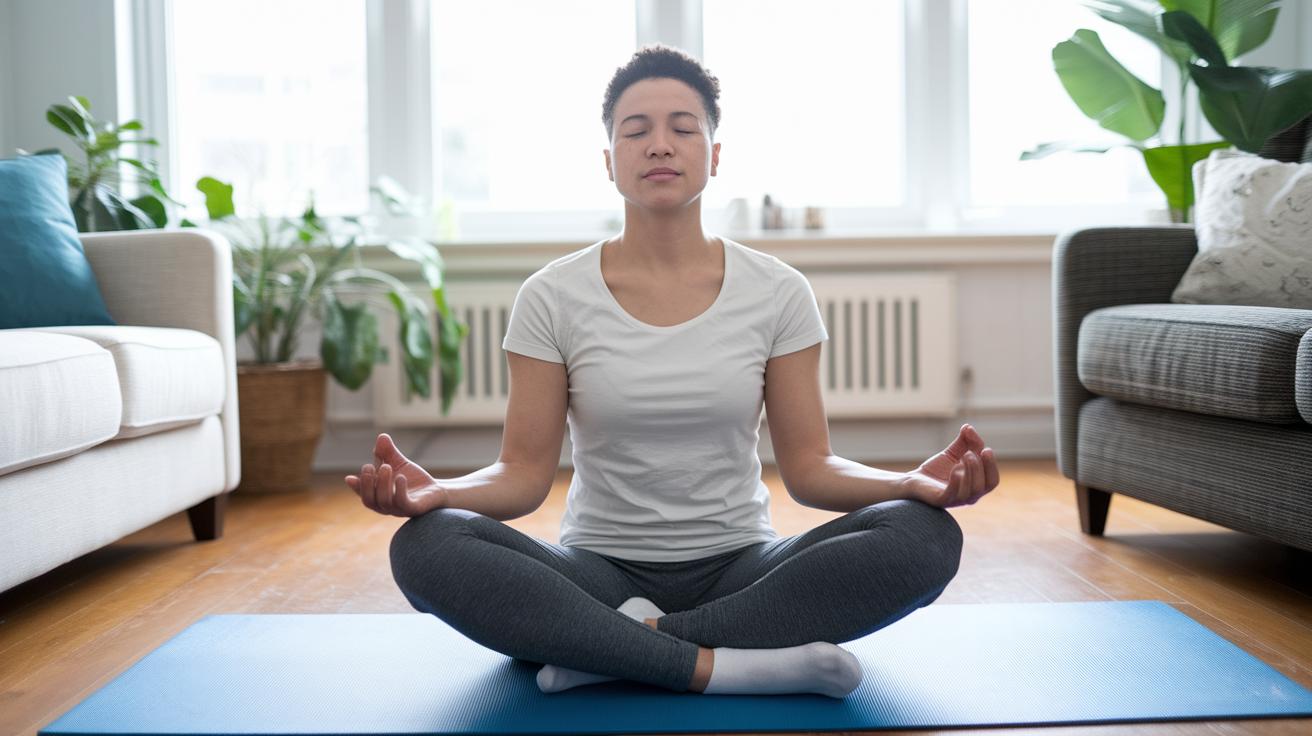
Ever feel like your mind is all over the place from daily worries? Taking care of your mental well-being isn’t just about finding a moment of peace, it helps you shine every day. A quick check-in, a few slow breaths (like a pause to savor a sweet sip of your favorite coffee), and a short walk outside can give your mind the break it needs.
When you look after yourself, you clear the clutter for better focus and steadier moods. It’s like tidying up your thoughts so you can face each day with confidence. Let’s dive into a few simple steps that can help you build a routine, making you feel balanced and ready for anything life throws your way.
Key Steps to Take Care of Your Mental Health
Mental health is all about how we feel, act, and connect with those around us every day. It touches our moods and even our choices. Did you know that in 2024, about 23.4% of adults experienced mental illness? It just shows that keeping an eye on our emotions is super important.
Taking time for yourself means really listening to what your body and mind are telling you. A good self-care plan, like little daily check-ins, helps you grow stronger and more balanced. Imagine pausing for a minute to breathe deeply; it’s like giving your mind a mini-vacation from everyday stress.
When you focus on easing stress, you’re not just feeling better right then, you’re setting yourself up for clearer thinking and steadier moods. A simple routine sprinkled with short moments of kindness toward yourself can keep those negative thoughts in check and even boost your productivity. In fact, 64% of Americans who practice self-care have found that adding a few calming habits into their day goes a long way.
- Try a quick breathing exercise like the 4-4-4 pattern.
- Take a one-minute micro-mindfulness break.
- Step outside for a brief, refreshing walk.
- Jot down one positive thought.
- Do a series of gentle stretches to release tension.
Stick with these habits, and you might just see a real change in your emotional balance. Even a few mindful moments every day can make your overall well-being shine. For more ideas, check out self care tips for mental health.
Building a Wellbeing Routine: Nutrition, Exercise, and Sleep Optimization for Mental Health

Eating a balanced diet feeds both your body and your mind. A colorful mix of fresh fruits, veggies, whole grains, and lean proteins gives you the vitamins, minerals, and healthy fats you need. Picture a plate with grilled chicken paired with a vibrant salad; it’s not just delicious but also a simple way to keep your mood steady.
Adding mood-boosting foods to your day can really make a difference. Antioxidant-rich berries, leafy greens, and zinc-packed nuts help keep your blood sugar level steady and mood swings at bay. Imagine a warm bowl of oatmeal topped with crunchy almonds and blueberries, it’s like a little spark of joy on a cloudy day that clears your head and calms your stress.
And don’t forget to move! Whether you’re taking a brisk walk, cycling, or even dancing around your living room, 30 to 45 minutes of moderate exercise releases those feel-good endorphins. Just think of a peaceful evening walk where every step resets your spirit and adds a burst of energy to your day.
Finally, quality sleep is a must. A good night’s rest sharpens your mind and helps balance your emotions, leaving you feeling refreshed and ready to embrace the day ahead.
Mindfulness and Relaxation Techniques to Care for Your Mental Health
Mindfulness is all about living in the now and giving yourself a break from the constant buzz of your thoughts. Even spending just a few moments each day to simply notice your breath and the feel of your body can ease stress and brighten both your current mood and your overall well-being. Think of it as a quick reset that clears your mind and helps you feel steady, even when life gets busy.
- 4-7-8 breathing: Inhale for 4 seconds, hold your breath for 7 seconds, then exhale slowly for 8 seconds to help calm your nerves.
- 5-minute body scan: Sit or lie down and gently focus on each part of your body, letting go of tension as you go.
- Guided imagery: Close your eyes and picture a quiet, peaceful place, like a sunny beach or a cozy cabin, to soothe your mind.
- Progressive muscle relaxation: Tighten a group of muscles, then relax them, moving through your body to release stress.
- Mindful walking: Walk slowly and pay close attention to each step and the feeling of the ground under your feet.
- Single-sense focusing: Pick one sense, maybe the sound of gentle music or the touch of a soft fabric, and let it anchor your thoughts.
These simple exercises can easily become part of your daily routine. You could sneak in a short practice during a work break or start your day with a bit of mindful breathing. Even a few minutes can smooth out a hectic day and bring calm and clarity back to your life. The trick is to stick with it, choose the method that feels best to you and make it a fun, regular habit. Over time, you'll likely find yourself facing challenges with a calm, centered mind that’s ready for whatever comes next.
Strengthening Resilience: Emotional Coping Skills and Positivity Habits for Mental Health

Sometimes life throws curveballs that make everything feel heavy. But try this: when a tough moment hits, pick out one tiny positive detail in the situation to help shift your thoughts. For example, if work doesn't go as planned, think back to a time when you nailed something important, it can light up a spark of hope. Taking a moment to list three things you're thankful for can build your inner strength and slowly change your mindset to one that embraces growth.
Remember the good times when you traded stress for success. Reflecting on moments when you handled life’s ups and downs reminds you just how capable you really are. Even on days when everything feels off, thinking about your past wins, no matter how small, anchors you back to your personal power and resilience.
Sometimes, all it takes is a few minutes with a journal to clear your head. Writing down your thoughts and feelings isn’t just a way to track progress; it can smooth out rough moods and give you clarity. It’s like having a private chat with yourself, one that gently nudges you to understand and overcome what you’re feeling.
Starting your day with a little dose of optimism might sound simple, but it works wonders. Try scribbling down an inspiring quote or a positive idea first thing in the morning. Over time, these small shifts in thinking help your mind naturally gravitate towards a brighter, more confident outlook. It’s a little routine that builds lasting resilience, one hopeful thought at a time.
Seeking Support: Counseling, Community Engagement, and Digital Detoxification in Mental Health Care
Sometimes you feel so overwhelmed or unusually sad that even simple daily tasks become hard to manage. If your sleep pattern or appetite starts changing in strange ways, it might be time to ask for help, whether that’s chatting with someone close to you or getting advice from a professional.
Talking with friends, family, or even a supportive peer group can offer real comfort. Sharing what you’re going through with someone who truly understands can make the weight seem a bit lighter, reminding you that you aren’t alone in this journey. Plus, local groups often host activities and workshops that create a warm space where everyone feels like they belong.
Professional counseling can also be a huge help. Licensed therapists work with you using personalized methods and techniques to explore deep emotions and build up practical coping skills. When you mix professional guidance with support from friends and community groups, you set up a network that really strengthens your resilience against stress.
And don’t forget to give yourself a break from constant screen time. Carving out just a little bit of digital-free time each day lets you savor real conversations and strengthen your relationships offline.
Creating a Personalized Self-Care Plan for Sustained Mental Health

Making your own self-care plan feels like setting out on a little adventure that lifts your mood and keeps you steady when life gets bumpy. Imagine it as your personal roadmap that gently guides you through tricky days and helps you enjoy the good ones even more.
It all starts by taking a good look at how you feel right now, then drawing out the steps that will lead you to a calmer, more balanced life. Here’s a simple six-step plan to get you going:
- Assessment – Take a moment to think about your current mood, what stresses you out, and your daily habits.
- Goal Setting – Pick a few clear and easy-to-reach goals that will brighten your mental state.
- Activity Selection – Choose fun self-care activities that leave you feeling refreshed, like a quiet walk or a cozy cup of tea.
- Scheduling – Block out a special time in your day just for yourself and your self-care routine.
- Tracking – Write down your progress and notice any changes in your mood or energy, no matter how small.
- Review – Check in with your plan often and make adjustments as you discover what best supports you.
Keep your plan flexible and let it grow with you, so it always matches your personal journey toward well-being.
Final Words
In the action of creating your self-care plan, each step, from mindful breathing and quick stress relief to balanced nutrition and reaching out for support, adds brightness to your day. We explored solid strategies that equip you with practical tips and personal insights, making it easier to build a daily routine and embrace how to take care of your mental health. Every simple habit contributes to a more confident, stylish, and serene lifestyle. Keep experimenting and shining, knowing that each choice guides you toward a life filled with ease and joy.
FAQ
How can taking care of your mental health be presented in different formats?
Taking care of your mental health can be shown via essays, PowerPoints, or posters by using a consistent self-care routine that includes stress reduction, mindfulness practices, and balanced lifestyle habits.
What are some top tips to maintain my mental health?
Top tips include regular self-care routines, consistent exercise, mindful breathing practices, a nutritious diet, quality sleep, and connecting with supportive people around you.
What are 5 ways to boost my mental health?
Five ways to boost mental health include staying physically active, practicing relaxation techniques, ensuring quality sleep, nurturing positive relationships, and taking time for mindful meditation.
How do I boost my mental health on a daily basis?
Boosting mental health on a daily basis means practicing self-care, reducing daily stress with quick techniques, eating well, exercising regularly, and carving out moments for mindfulness.
What are the 5 C’s of mental health?
The 5 C’s refer to key aspects such as connection, coping, control, confidence, and compassion, which together help build a balanced approach to everyday mental well-being.
How do you deal with mental illness effectively?
Dealing with mental illness effectively means seeking professional guidance, practicing daily self-care, building resilience with positive mindset habits, and using mindfulness techniques for stress relief.
How can I improve the mental health of students?
Improving student mental health means establishing supportive routines, incorporating stress management strategies, practicing mindfulness, ensuring balanced nutrition, and promoting healthy sleep habits for sustained focus.
What habits can help improve mental health?
Healthy habits such as regular exercise, mindful breathing, journaling, consistent sleep, and a balanced diet help enhance daily mental well-being and build resilience during stressful times.
What are 10 ways to prevent mental illness?
Ten strategies include nurturing social connections, staying active, managing stress wisely, eating well, getting proper sleep, practicing mindfulness, setting realistic goals, enjoying hobbies, limiting screen time, and seeking help when needed.