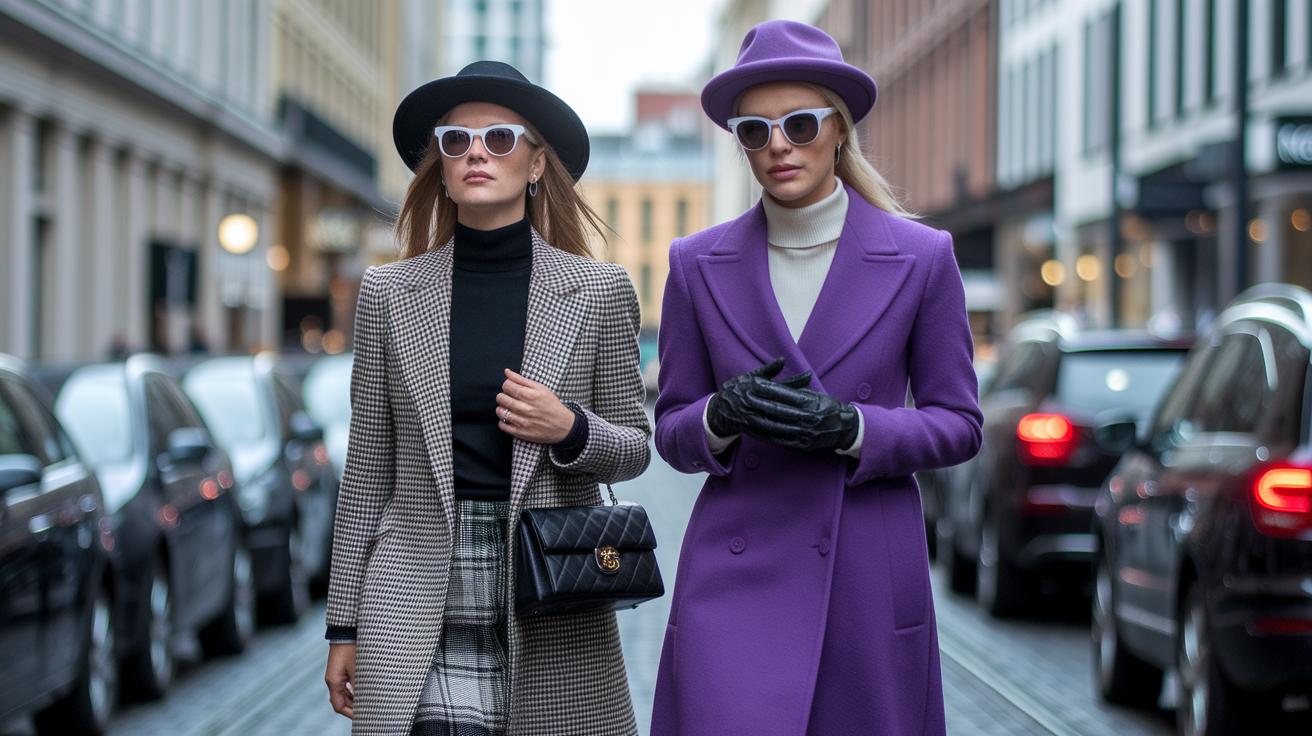
Ever wondered why some styles never fade away? Whether it’s a breezy flapper dress or a bold power suit, these looks keep our hearts racing. Each design tells a story of creativity and strength, born from a fresh twist on everyday wear that turns a simple outfit into a statement of mood. Today, mixing vintage charm with modern flare reminds us that true style is more than a trend, it’s a lasting spark of individuality that lights up any room.
Iconic Fashion Trends: Origins, Evolution, and Cultural Significance
Imagine stepping back in time to the roaring 1920s, when flapper dresses with drop waists, twinkling beads, and fluttering feathers symbolized a newfound sense of freedom. These dresses weren’t just clothes, they were a celebration of spirit and fun.
Then came the 1930s, a time when Hollywood magic influenced fashion. Bias-cut gowns graced the red carpet, bringing a mix of romance and practicality, perfectly suited for those challenging days. It was a time when style met resilience.
In the 1940s, fabric was scarce, so designers had to get creative. Silhouettes became streamlined with padded shoulders, and fashion took a daring turn with the first bikini debut, a clever mix of usefulness and allure that still turns heads today.
The 1950s lit up with Dior’s New Look, featuring cinched waists and full skirts that clearly celebrated femininity and a cheery post-war spirit. These styles reminded everyone that beauty can flourish even in hard times.
Fast forward to the vibrant 1960s, where Mary Quant’s mini-skirt revolution led the way. Shift dresses, playful prints, and bold patterns echoed the youthful energy and rebellious fun of the era, making every outfit a statement of freedom.
The 1970s brought its own flare with a mix of disco vibes and bohemian charm. Think statement halter tops, platform shoes, and flowing palazzo pants, each piece a nod to individuality and laid-back elegance.
By the 1980s, power dressing took center stage. Structured pieces blended with sporty influences to create silhouettes that felt both strong and modern. Fashion was about making a statement and owning every moment.
The 1990s shifted to a more relaxed, grunge-inspired vibe. Slip dresses, oversized layers, and baggy denim redefined what cool looked like, proving that comfort can be stylish too.
Today, designers mix elements from each of these eras, creating looks that feel both timeless and fresh. It’s like wearing a little bit of history with every outfit, a reminder of how each moment in time leaves its mark on the way we express ourselves through fashion.
Iconic Fashion Trends by Decade: 1920s to 1960s
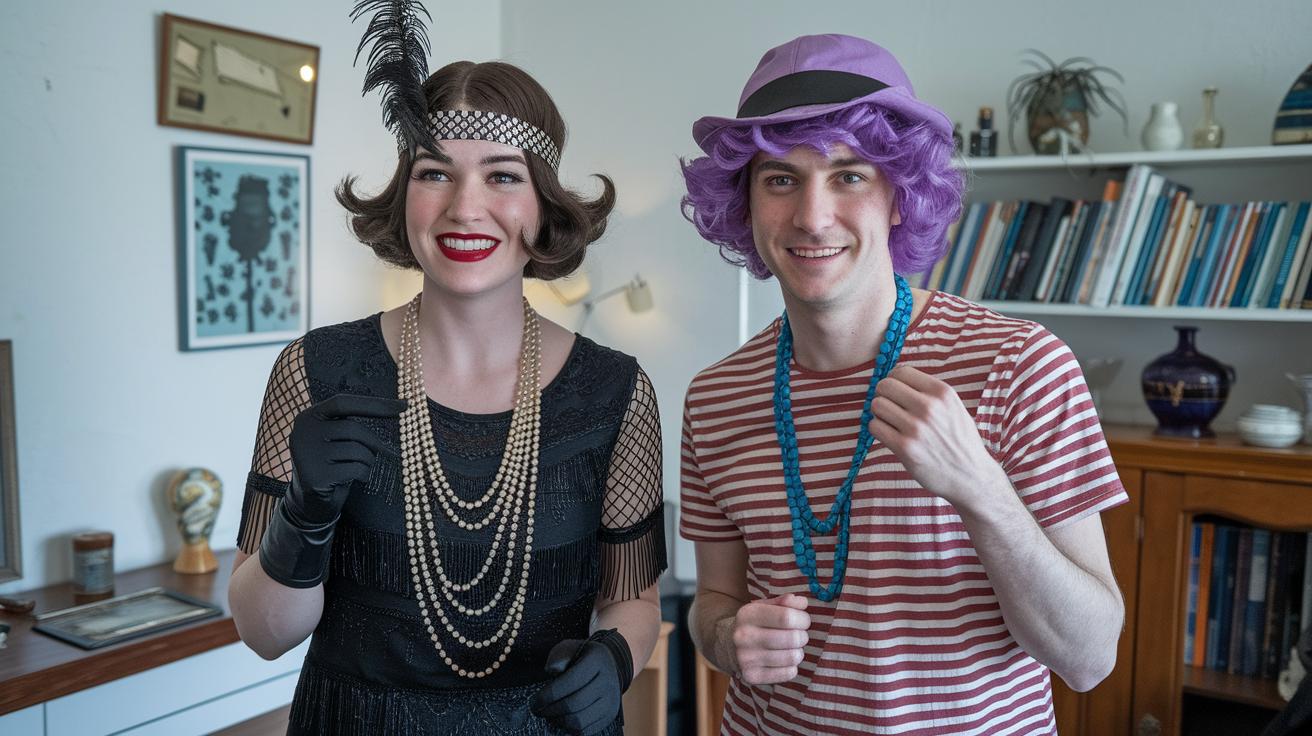
Each decade has its own story to tell, and its style still speaks to us today. The fashions from the 1920s to the 1960s show how changing moods and big cultural moments influence what we wear now.
| Decade | Trend | Key Features | Cultural Driver |
|---|---|---|---|
| 1920s | Flapper | Drop waist, beads, feathers | Post–WWI liberation |
| 1930s | Bias-cut Gowns | Silk drape, Hollywood glam | Escapism |
| 1940s | Wartime Utility | Minimalist style, defined shoulders | Fabric rationing |
| 1950s | New Look | Cinched waist, full skirt | Post-war abundance |
| 1960s | Mod Mini | Short hemlines, bold prints | Youth empowerment |
These classic trends laid the groundwork for today’s chic creations. Designers often mix vintage touches, like a drop waist or an eye-catching print, with modern cuts to bring something both familiar and new. Imagine pairing a timeless mini skirt with a stylish modern blouse; it’s like capturing the fun energy of the 1960s with today’s relaxed vibe. This blend of history and modern flair continues to shape seasonal trends and keeps our style story exciting and ever-evolving.
Iconic Fashion Trends: Revolutionary Dress Silhouettes and Statement Accessories
Digital tools and eco-friendly fabrics are giving classic silhouettes a modern twist. Designers are reimagining drop-waist and bias-cut styles with sustainable materials and fresh digital prints. Think of a dress made from recycled silk that bursts with vibrant, modern patterns, a perfect mix of past and present.
Today’s creatives blend timeless cuts, like cinched waists, with smart technology that adjusts fit and color on the spot. Imagine updating a classic Dior look with fabric that subtly shifts its hue in the light. It’s a clever union of vintage elegance and modern innovation.
Accessories have stepped up their game, too. Items like chokers and platform shoes are now crafted using recycled metals and 3D-printed details. Picture a choker made with biodegradable materials and digital design, channeling bold '90s energy with an eco-friendly twist.
Even staples like leg warmers and bikinis are getting a sustainable makeover. A designer once shared how they transformed a classic bikini using upcycled fabrics, giving it a lively, responsible feel that’s as artistic as it is practical.
Overall, these creative innovations blend the charm of vintage styles with today’s high-tech, green practices. In simple terms, digital technology is reshaping iconic fashion, bringing cherished details into a bright, sustainable future.
Iconic Fashion Trends: Vintage Chic Inspirations and Modern Runway Influences
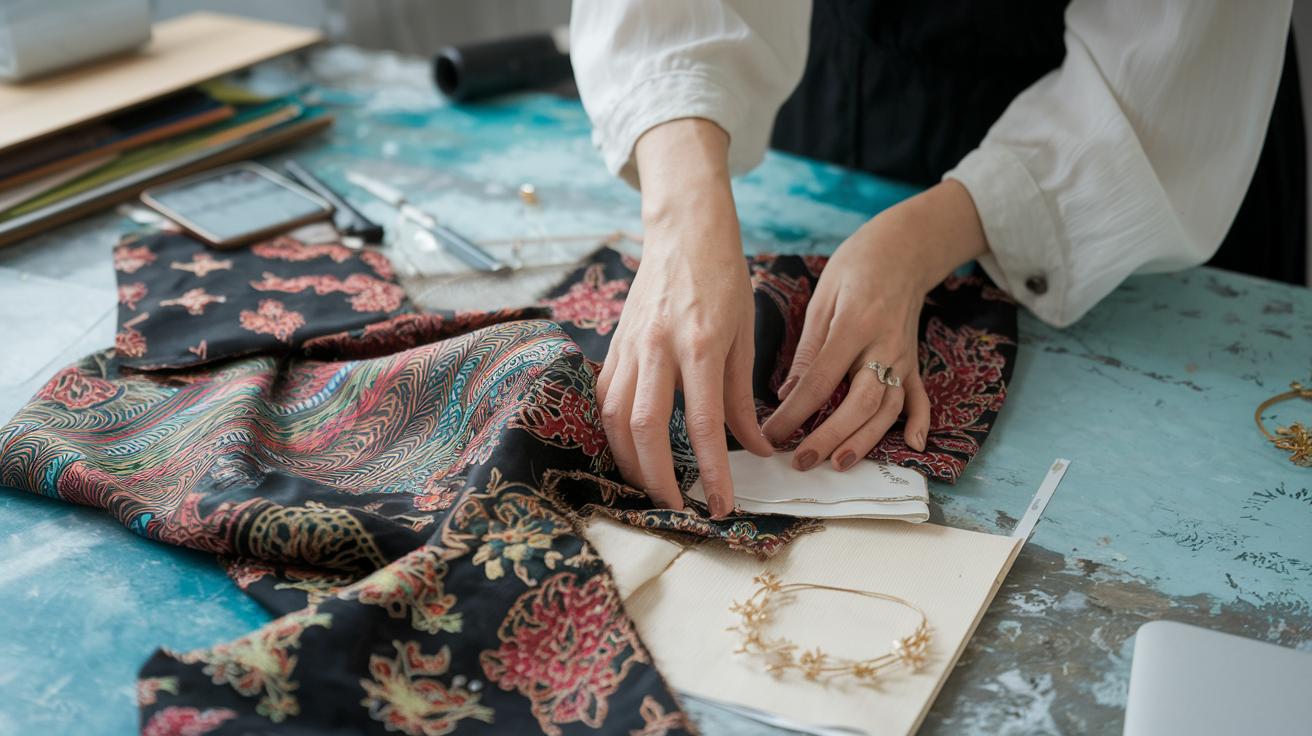
Runway shows are mixing classic vibes with fresh, modern twists by highlighting green practices and digital styling. Designers now use recycled fabrics and renewable materials to reinvent timeless shapes with smart, eco-friendly touches. Picture a designer who combines vintage silk with computer-designed patterns, like in 2022, when an emerging talent transformed leftover fabrics into stylish, earth-friendly pieces.
Hidden innovators are blending heritage charm with today’s tech to speak directly to eco-conscious shoppers. One creative designer repurposes old tweed with the help of 3D printing, crafting elegant pieces that echo past eras while celebrating modern innovation. Imagine a label that fuses century-old fabrics with digital tailoring techniques to offer outfits that are as sustainable as they are chic.
Social media is reshaping our fashion choices with real-time tutorials and behind-the-scenes glimpses that show how age-old styles meet current technology. This fresh outlook not only reinvents our take on vintage trends but also leads everyday fashion toward a smarter, greener future.
Iconic Fashion Trends: 90s Style Revival and 70s Bohemian Outfits Today
The 90s were all about bold statements and raw energy. Think of a time when sheer fabrics, slip dresses, combat boots, and baggy denim ruled the streets. Oversized chokers weren’t just an accessory, they were a bold shout of rebellion. Even now, the mix of relaxed silhouettes with edgy details inspires the casual looks we love today.
The 70s brought a beautiful burst of free-spirited flair. Picture yourself in a sunlit festival, wearing a flowy prairie dress that dances in the breeze. Bell-bottoms, platform sandals, and vibrant floral prints spark memories of carefree summer days. Every print feels like a little piece of art, telling its own unique story, and you can still see that bohemian soul in today’s vintage-inspired collections.
Revisiting the 90s again, grunge style brought a cool, layered look to everyday wear. Layered slip dresses, distressed denim, and chunky combat boots completely transform an outfit into a confident style statement. It’s like a nod to the fearless spirit of that era.
Meanwhile, the 70s offered playful patterns and relaxed shapes. Imagine slipping into a pair of bell-bottoms teamed with a boho top, each piece whispering tales of carefree adventures and artistic vibes.
Today, the best of both worlds come together. Modern wardrobes effortlessly mix retro grunge with bohemian charm to create layered, timeless looks. Picture pairing a vintage slip dress with a boho scarf, the perfect blend of two iconic eras into one effortless style.
Iconic Fashion Trends: Celebrity Outfit Legends and Red Carpet Moments
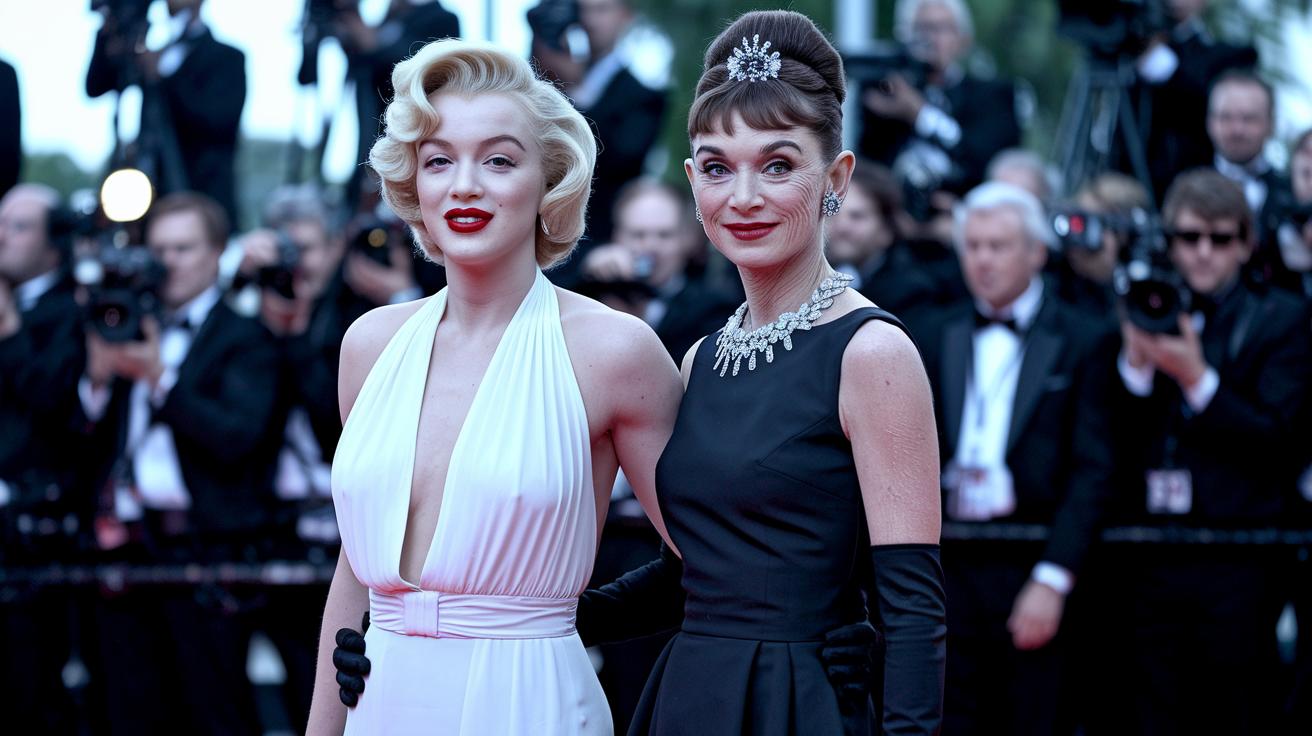
Marilyn Monroe’s 1955 Travilla white halter dress was an absolute showstopper on the red carpet. It mixed bold femininity with timeless charm in a way that still makes us smile. Imagine how it set the bar, inspiring countless women to try daring silhouettes while keeping things elegantly simple.
Audrey Hepburn rocked the 1961 Givenchy little black dress, and it quickly became a symbol of refined simplicity and grace. With its clean lines and graceful shape, this look captured the heart of classic style. Even today, designers dip into that minimal yet timeless vibe, turning every red carpet into a tribute to understated elegance.
Princess Diana brought a fresh twist to royal style with her fabulous 1980s evening gowns and that unforgettable 1990 ‘revenge dress.’ Each outfit was a mix of regal sophistication and modern boldness, sparking lively conversations and inspiring designers everywhere. Her looks remind us that fashion can be a powerful way to express courage and individuality.
Then there’s Lady Gaga’s daring 2010 meat dress and Rihanna’s dazzling 2015 Met Gala Guo Pei gown. Both of these moments broke the mold and reimagined what glamour means. Their bold choices still ripple through fashion today, pushing everyday collections to embrace daring designs with a playful spirit and creative risk.
Iconic Fashion Trends: Innovative Sartorial Moments and Future Trajectories
Ever notice how a single runway moment can redefine style? Take Alexander McQueen’s bold 1999 armadillo boots, they broke all the rules with their unusual shape and structure, giving us a whole new way to think about fashion. Back in the 1980s, Rei Kawakubo flipped the script with her deconstructed silhouettes, inspiring us to see garments not just as clothes but as creative art.
Now, picture a world where technology and design get to know each other really well. Digital fashion previews and early 3D-printed outfits gave us a sneak peek into this blend, using inventive techniques that hint at a future where art and tech are best friends. It feels like style is stepping into a new era, doesn’t it?
Looking forward, the spotlight is on sustainable materials and smart textiles that adjust as you do. Imagine a dress that gently transforms with every move you make, melding art, eco-friendly fabrics, and digital precision in a way that’s both fresh and kind to the planet. These exciting trends are set to inspire us all to rethink what iconic style can really mean.
Final Words
In the action, iconic fashion trends fuse history with modern innovation. We explored sweeping style moments, from drop-waist flapper dresses to daring red carpet outfits, each carrying a unique cultural vibe and inspiring today’s looks. A mix of timeless silhouettes and fresh, sustainable designs shows how past icons still shape current style. Every decade offers a new twist on effortless chic, keeping our wardrobes rich with story and substance. Embrace these iconic fashion trends and let them spark confidence and creativity every day.