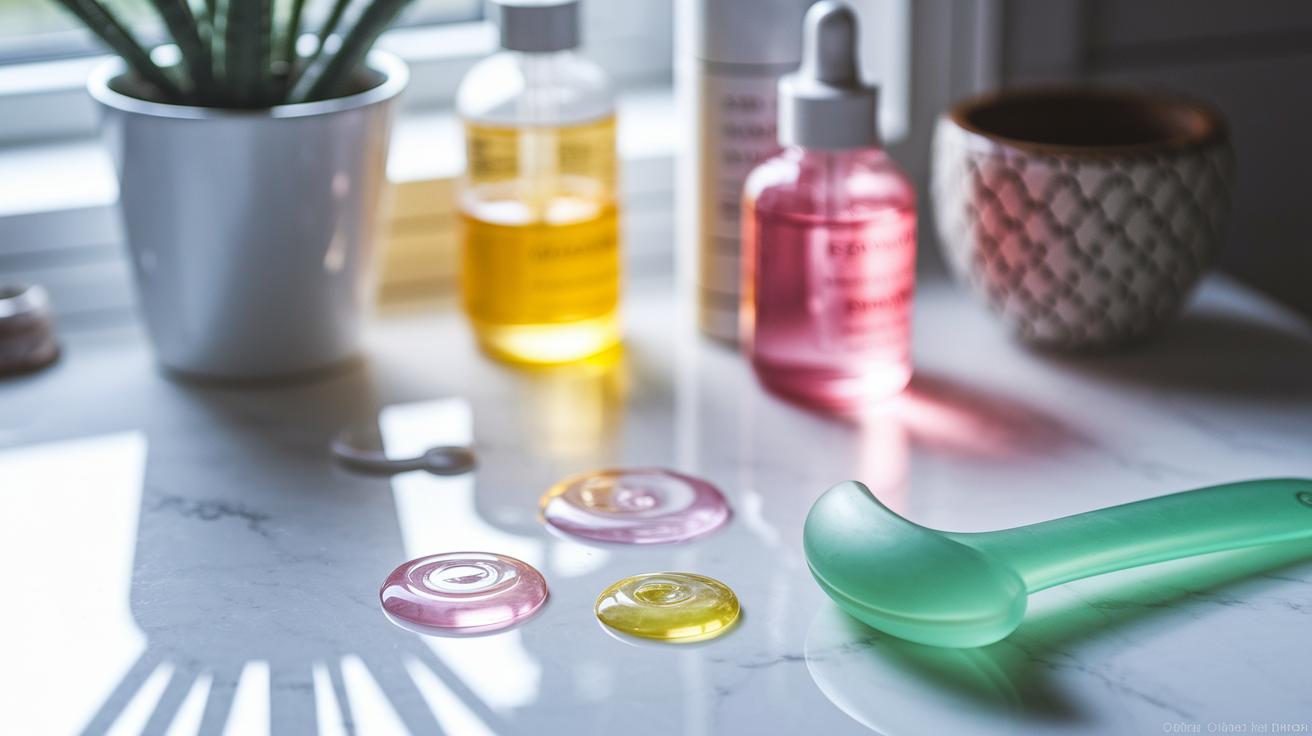
Have you ever noticed that some products promising a radiant glow end up irritating your skin? It’s like expecting a warm, gentle touch and getting a sudden chilly splash instead. Even just a little bit of a harsh ingredient (one that disrupts your skin’s natural comfort) can throw off your balance. In this post, we’re chatting about the ingredients that could be stealing your shine. Knowing what to avoid can help you keep your skin calm, soft, and truly radiant.
Why Avoid Certain Ingredients for Glowing Skin
Sometimes, the stuff in your skincare products can do more harm than good. Even a tiny amount of harsh chemicals can wash away the natural oils that keep your skin soft and supple. Imagine a single drop of a strong detergent dissolving your skin’s own protective layer, that’s how sensitive your skin can be.
Some lotions and creams include synthetic fragrances and dyes, which might seem harmless but can actually set off allergic reactions and even upset your hormonal balance (that’s the way your body manages different processes). This means you might deal with unexpected flare-ups or irritation, especially if you have conditions like eczema. It’s surprising how a product that looks safe on the shelf can trigger a reaction.
By choosing skincare that avoids these irritating ingredients, you help your skin hold onto its natural moisture and calm. This not only supports your skin barrier but also keeps your complexion glowing while slowing down signs of aging. In short, opting for products free from harsh additives lets your skin heal and shine brighter every day. Isn't that a refreshing way to take care of yourself?
Parabens and Preservative Pitfalls for Glowing Skin

Parabens are the preservatives we often find in everyday items like shampoos, lotions, and body washes. They help products stay fresh longer, which is why many brands use them. But here’s the thing: parabens such as methylparaben, propylparaben, and butylparaben can mess with your hormones. Some research even suggests they might be linked to reproductive issues and raise concerns about breast cancer. No wonder dermatologists are now recommending paraben-free options.
Here are some common parabens you might see on labels:
- Methylparaben (usually just called methylparaben)
- Propylparaben (often listed as propylparaben)
- Butylparaben (sometimes noted as butylparaben)
- Ethylparaben (you might see it as ethylparaben)
- Isobutylparaben (alternatively isobutylparaben)
Finding products that are free of these additives is easier than you might think. Just take a moment to scan the label, if you spot a name ending in “-paraben,” it’s a clue. Luckily, many brands are now proudly marking their products as paraben-free. Choosing items with transparent, safer ingredients is a simple way to support a naturally glowing, healthy skin barrier.
Sulfates and Harsh Cleansers to Skip for Radiant Skin
If you've ever checked the label on your shampoo or cleanser, you might have spotted ingredients like Sodium Lauryl Sulfate (SLS) or Sodium Laureth Sulfate (SLES). These chemicals work hard to clean, but they can also strip away your skin’s natural oils, leaving it feeling dry and unprotected.
When these strong detergents break down your skin's natural barrier, it loses moisture quickly. This can lead to dryness and even trigger flare-ups like eczema. It’s a bit like scrubbing too hard, you get a deep clean, but you also lose that essential glow and softness that makes your skin shine.
So, if you’re looking for a friendlier way to cleanse, try a product with gentler ingredients like coco glucoside. This softer surfactant cleans without taking away your skin’s natural hydration. Picture a cleanser that leaves your skin feeling refreshed, clean, and moisturized, a refreshing change that truly cares for your skin.
Synthetic Fragrances and Dyes Undermining Your Skin’s Glow
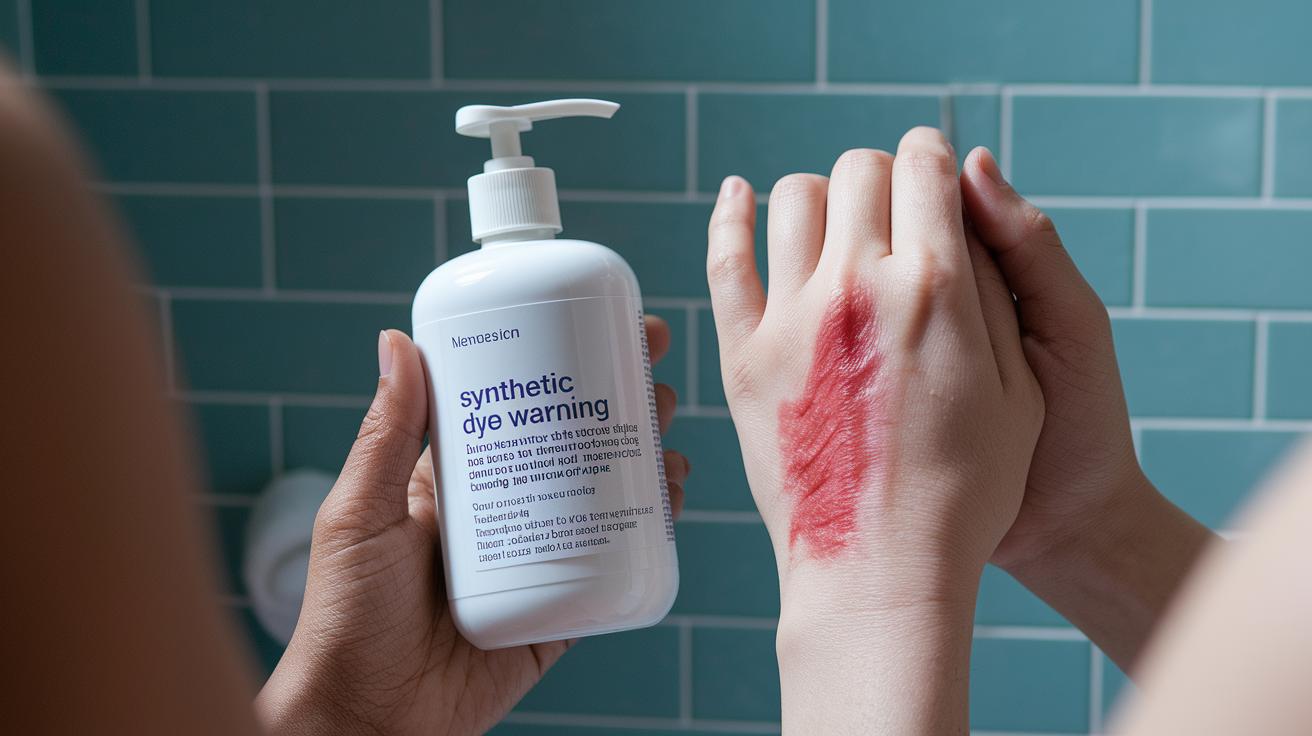
When it comes to synthetic fragrances, they can pack a secret mix of hidden chemicals. These additives might cause headaches, allergies, or even skin irritation. Imagine using a product that quietly disrupts your skin’s natural balance, leaving you feeling a bit off.
And then there are synthetic dyes. These bright colorants add visual charm but sometimes include chemicals that irritate the skin. If you have sensitive skin, or if you’re shopping for a baby, watch out. You might notice redness, a rash, or lingering irritation after using products with artificial colors. Picture applying your favorite lotion only to spot a subtle, persistent redness along your arms.
To keep your skin’s glow intact, opt for products labeled fragrance-free and dye-free. This clear labeling helps you steer clear of hidden allergens, so you can enjoy soothing formulations that protect your skin’s natural beauty and balance.
Formaldehyde-Releasers, Phthalates, and Other Risky Compounds
Many beauty products contain toxic chemicals that slowly release harmful substances over time. These hidden additives can sometimes trigger allergies, give you headaches, cause joint pain, and even mess with your sleep.
Formaldehyde-Releasing Preservatives
Some preservatives, like DMDM Hydantoin and imidazolidinyl urea, break down as the product ages. When this happens, they let out small amounts of formaldehyde, a chemical known to irritate your skin, bring on headaches, and cause joint discomfort. Even if it seems like just a tiny bit, repeated use of shampoos or body washes can lead to a buildup. Many people report flare-ups or extra sensitivity, making experts worry about the long-term effects.
Phthalates
Phthalates such as DEP (diethyl phthalate) and DBP (dibutyl phthalate) are added to products to make them more flexible and help keep fragrances intact. While they improve texture, they can also interfere with how your body uses hormones, a process known as endocrine disruption (that’s when your natural hormone balance gets thrown off). This interference is especially risky for those still developing or for anyone with a sensitive hormonal system. As a result, many skincare reviews flag these ingredients as a potential hazard.
Additives like phenoxyethanol also need a careful look since they can cause irritation or sensitivity for some users. Paying attention to products that list safer, clearer ingredients can do wonders for protecting your skin and keeping your natural glow.
Label-Reading Tips to Spot Toxic Cosmetic Additives

When you take a close look at your cosmetic product’s ingredient list, you’re really looking out for your skin’s best interests. Checking the INCI (that’s the International Nomenclature of Cosmetic Ingredients) helps you break down those fancy names and uncover any toxic additives that may be hiding under a different label. Knowing what each ingredient does means you can skip over anything that might not be so kind to your skin. In short, reading your labels well is a great way to keep your complexion healthy and vibrant.
| Ingredient Hazard | Why Avoid | Alternative Option |
|---|---|---|
| SLS/SLES | They can wash away natural oils, leaving you with dry, irritated skin | Try gentler choices like coco glucoside |
| Parabens | They might mess with your hormones and cause health issues | Look for preservative-free products or natural alternatives |
| Synthetic Fragrances | Can trigger allergic reactions and make skin sensitive | Opt for natural essential oils or go fragrance-free |
| Phthalates | Known for disturbing hormone balance, often sneaking into texture enhancers | Choose products with clear, safe ingredient lists |
And here's a cool tip: smartphone apps and certification logos can be your beauty routine sidekicks. They let you scan a product’s barcode and instantly flag any hidden hazards while giving you clear guidance on what’s in your cosmetics. It's a smart way to ensure your routine stays free of harmful additives. For more detailed advice on keeping your skin glowing, check out our tips for glowing skin.
Natural Alternatives to Prevent Exposure to Irritants
Imagine choosing naturally derived ingredients that pamper your skin instead of using harsh, synthetic chemicals. Mineral sunscreens with zinc oxide or titanium dioxide create a gentle shield against the sun’s rays without sinking deep into your skin. Natural, plant-based preservatives and emulsifiers help lock in moisture and calm irritation with a soft touch. And when you pick essential oils with care, you get a little burst of nature’s healing without any unwanted side effects. These swaps keep your routine free from the irritating compounds found in many conventional products.
Taking care of your skin goes beyond what you put on it, you can also feed it the right nutrients. Vitamins like C and E, along with ferulic acid (which boosts your skin’s brightness), work beautifully with your other gentle treatments. You might also try adding delicate oils like jojoba or squalane, which mimic the skin’s natural moisture. For more ideas on how to nourish your inner glow, check out the tips in this guide on vitamins for glowing skin.
Final Words
In the action, we unraveled why harmful skincare formulas can damage your natural glow. We covered how toxic compounds from ingredients to avoid for glowing skin, ranging from irritating preservatives to damaging synthetic dyes, can disrupt your skin barrier. Reading labels and selecting natural alternatives makes a real difference. Keep exploring safe swaps and smart choices that support a radiant complexion. Embrace skincare that nourishes and refreshes, allowing you to enjoy every day with a vibrant, healthy glow.
FAQ
What toxic ingredients should I avoid in my skincare products?
The toxic ingredients include additives like certain parabens, sulfates, synthetic fragrances, and formaldehyde-releasers. Experts say these compounds can harm your skin’s barrier and reduce its natural glow.
Which skincare ingredients should be avoided during pregnancy?
When you’re pregnant, it’s best to skip potent actives such as high doses of retinoids and strong chemical exfoliants. Always chat with a healthcare provider to be safe.
How can I check for harmful skincare ingredients?
A good way to spot harmful ingredients is to read your product’s ingredient list and use trusted ingredient checkers. This practice helps you avoid compounds that can irritate your skin.
Are there any risky combinations of skincare ingredients I should avoid?
Yes, mixing strong actives like retinol with heavy exfoliants or acidic ingredients may cause extra irritation, so layering your products carefully is key to keeping your skin calm.
What are some of the worst skincare brands?
Some brands have received criticism for using products with toxic additives. It’s wise to research reviews and scrutinize ingredient lists to choose skincare that truly nurtures your skin.
What are the top ingredients to avoid in food?
In food, steer clear of additives like artificial colors, high-fructose corn syrup, trans fats, and excess sodium, as these can affect overall health and even your skin’s clarity.
Which is the best ingredient for glowing skin?
Vitamin C is celebrated for its brightening power. It helps even out your complexion and supports a healthy, natural radiance, making it a favorite for glowing skin.
What is the 1% rule in skincare?
The 1% rule refers to using only a small amount—around one percent—of certain active ingredients in formulas, ensuring they’re effective yet gentle enough to minimize irritation.
What are the only four ingredients that work in skincare?
While claims vary, many agree that a balanced routine benefits most from a gentle cleanser, a moisturizer, vitamin C, and sunscreen for keeping skin healthy and luminous.