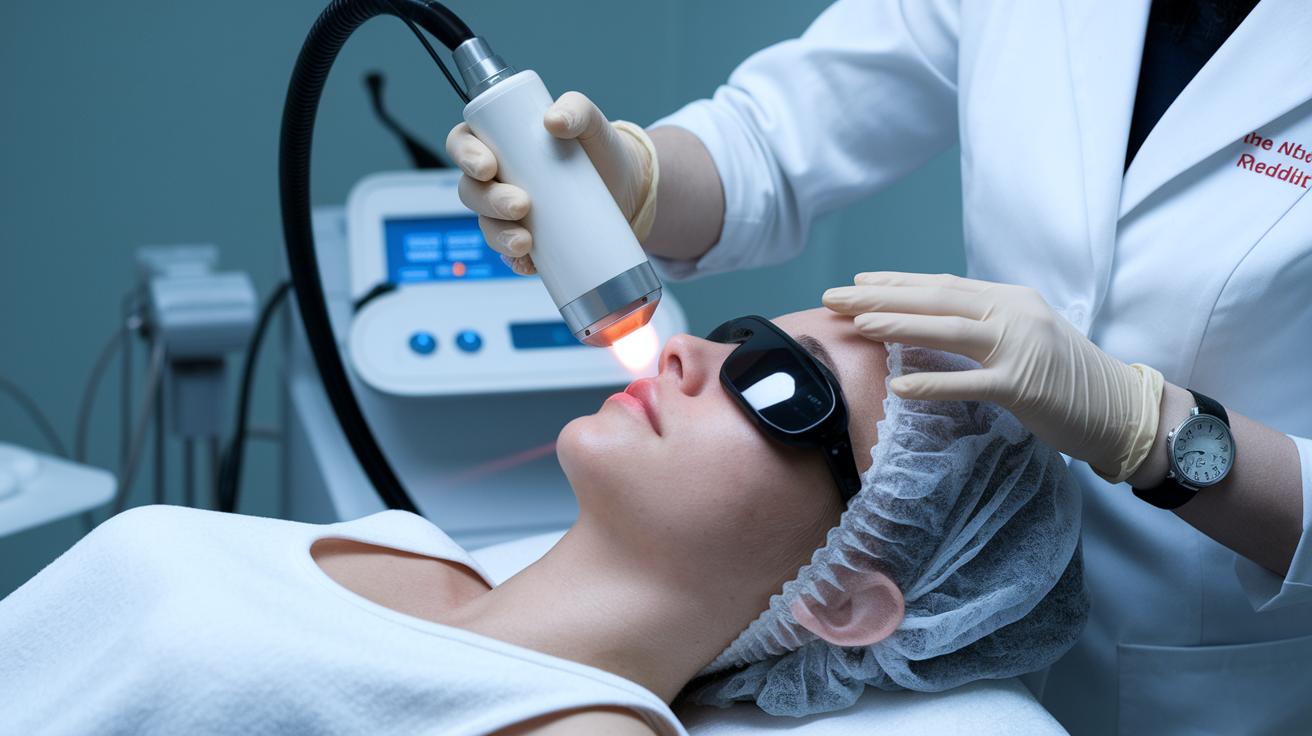
Ever wondered if a laser treatment could give you a fresh look overnight? Just imagine it like sanding off rough, old layers of wood until you see a smooth, shiny surface. Laser skin resurfacing works by gently removing damaged skin to help fade wrinkles, dark spots, and scars. When a skilled expert adjusts the settings for your unique skin, it might be what you need to reveal a brighter, youthful glow. Could this simple procedure be the secret to letting your natural radiance shine through?
Laser Skin Resurfacing: Radiant results begin here
Laser skin resurfacing is a cool procedure that uses laser energy to gently remove the top layer of your skin, exposing softer, healthier skin underneath. Imagine it like lightly sanding a piece of rough wood to reveal a beautifully smooth surface below. This treatment works to lessen wrinkles, age spots, and acne scars while firming your skin for a more youthful glow.
The benefits are clear: smoother wrinkles, even skin tone, and reduced scars. Many doctors use a method called fractionated CO₂, which removes only thin layers of damaged skin with very little heat. That means your downtime is usually just up to two weeks. You might notice some redness, swelling, and tiny scabs at first – kind of like a brief snap across the skin. But don’t worry, these are normal steps in the healing process, and soon you’ll see your skin's fresh, renewed look emerging.
Since this procedure needs to be done by a trained plastic surgeon or dermatologist, having a skilled expert is key. They know how to adjust the laser’s strength and depth to your unique skin needs, ensuring you get the best results safely. With the right professional care, you can look forward to a smooth, even complexion that lets your natural beauty shine through.
Laser Skin Resurfacing Candidate Evaluation: Who Qualifies?
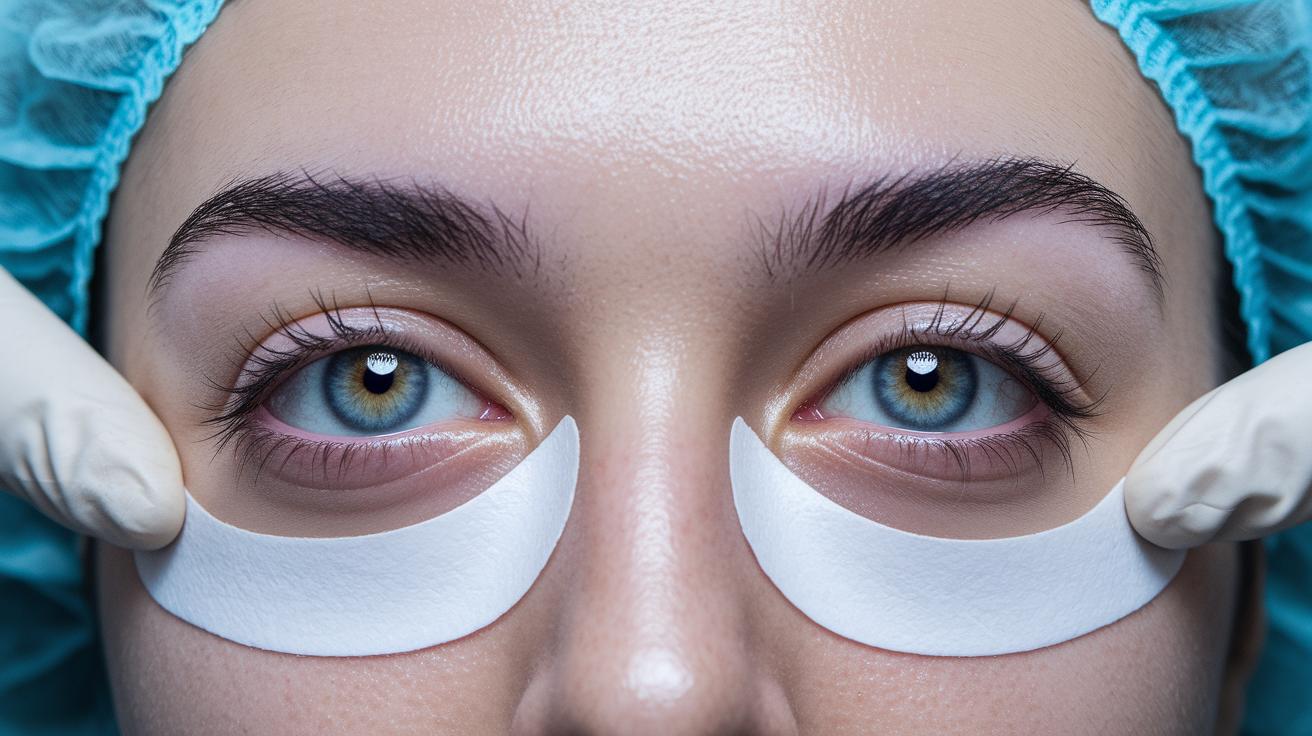
When you’re considering laser skin resurfacing, it’s super important to share your full medical history and list any medications or supplements you’re taking, think of it as a little “health check” similar to checking your car’s oil before a long drive. If you're noticing fine lines or wrinkles around your eyes, mouth, or forehead, or if you've got shallow acne scars that haven’t improved with treatments like a facelift, you might be a great candidate.
Also, keep in mind that your skin tone matters. Lighter-toned African American, Hispanic, or Asian skin can usually handle Erbium lasers very well, while those with darker brown or black skin might explore alternatives like radio-frequency treatments or microneedling. A chat with a board-certified dermatologist will help tailor the treatment to your unique skin, ensuring you get the best results possible.
Types of Laser Skin Resurfacing Techniques: Fractional CO₂ and Beyond
Picking the right laser treatment can really change the way your skin looks and feels. Think of it as choosing the perfect accessory to complete your look, each laser method is designed to fix particular skin concerns, whether that’s deep wrinkles or those subtle fine lines, while keeping your recovery time short. It’s like having a trusty toolkit where every tool is tailored for a specific task. For example, if you’re dealing with intense scarring or deep wrinkles, one option might work best. And if you just need a light touch for fine lines, there’s another method that might fit you perfectly. This thoughtful choice helps ensure that your treatment is not only safe but also suited to your skin’s unique needs.
| Technique | Key Feature | Recovery Time | Ideal Concern |
|---|---|---|---|
| Ablative CO₂ Laser | Continuous beam that works deep | 10–14 days | Deep wrinkles and severe scarring |
| Fractional CO₂ Laser | Targets tiny zones with minimal heat | 7–10 days | Combination of wrinkles and uneven skin texture |
| Erbium:YAG Laser | Surface-level treatment with gentle heat | 5–7 days | Fine lines and mild pigmentation |
Looking at the table above, you can see that each treatment comes with its own set of benefits. The Ablative CO₂ Laser, with its deep-penetrating continuous beam, is ideal for those seeking a more dramatic improvement even if it takes a bit longer to recover. In contrast, the Fractional CO₂ treatment works by focusing on small areas, letting your skin bounce back faster with less heat exposure. If you’re after something even gentler, the Erbium:YAG Laser smooths out fine lines and light pigmentation while keeping recovery to a minimum. Ultimately, your choice depends on your skin goals, how much downtime you’re comfortable with, and your personal pain tolerance. A chat with a board-certified specialist is always a good idea to help you find the perfect match for your skin’s needs.
Preparing for Laser Skin Resurfacing: Consultation to Scheduling
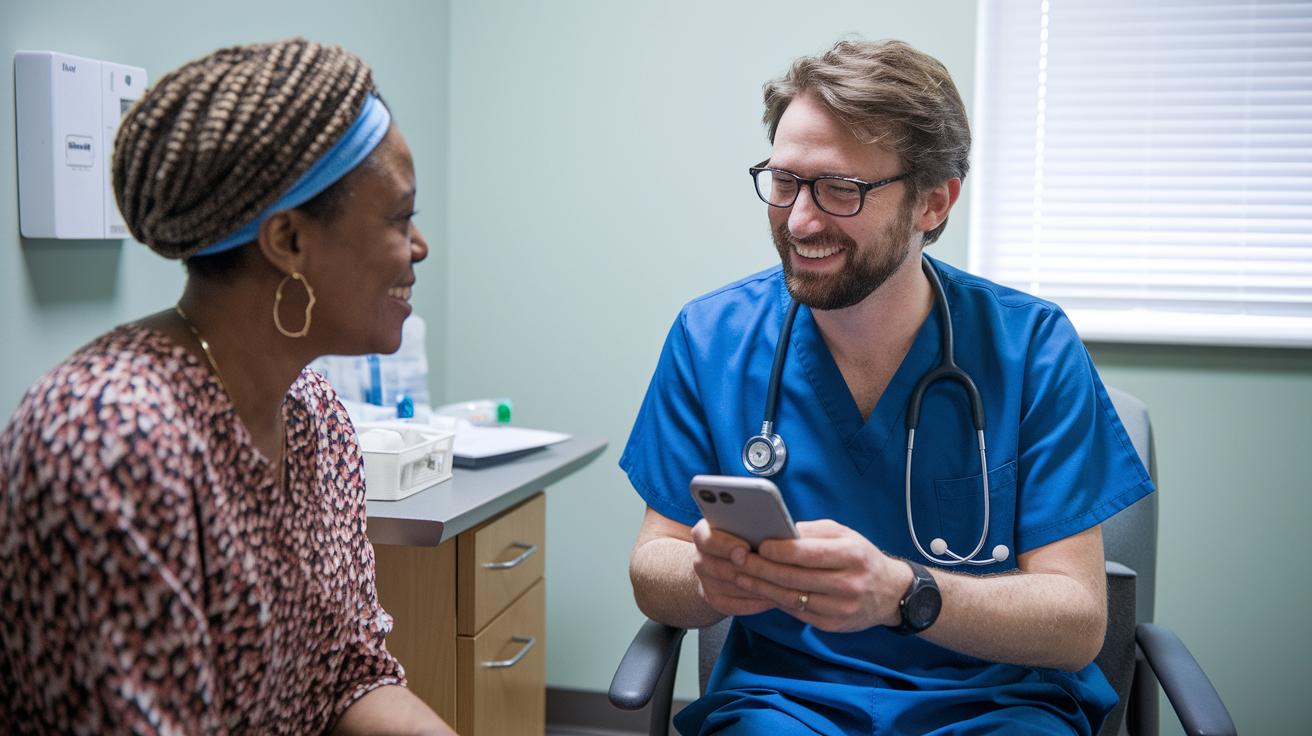
Your journey begins with a face-to-face consultation with a board-certified provider who’s ready to guide you every step of the way. During this relaxed chat, you’ll share your treatment goals, review your health history, and discuss any medications or supplements you’re taking. This honest conversation helps set clear and realistic expectations while reducing the risk of any complications. Sometimes, you might be advised to pause medications like aspirin or retinoids for a week or two before your treatment to ease bleeding and sensitivity. In short, this meeting lays the foundation for a safe, smooth, and efficient outpatient experience.
Key Pre-Treatment Steps:
| Step | What It Means |
|---|---|
| Medical History Review | Go over your past health and any ongoing treatments. |
| Medication Adjustments | Stop medications like aspirin and retinoids a week or two before if advised. |
| Treatment Goals Discussion | Share your dreams and expectations for the outcome. |
| Timing the Procedure | Plan for fall or winter to minimize sun exposure risks. |
After working through these steps, your provider will craft a tailored plan just for you. Scheduling your procedure in cooler months not only shields your new skin from harsh sun rays but also means you’re following all the key safety guidelines and recommendations for the best result.
Laser Skin Resurfacing Procedure Walkthrough: What to Expect
When you arrive at the clinic, you’ll feel instantly at ease. They start by applying a soothing numbing cream for about 30–45 minutes so you’re feeling calm and comfortable before the laser work begins. Imagine a soft, gentle reminder, like a tiny, quick snap, that lets you know your skin is about to get a fresh, new look.
Then, the real magic happens during the laser session. The specialist fine-tunes the laser settings to suit your skin type and specific needs, whether you’re looking to smooth out wrinkles or even out pigmentation. The session can last anywhere between 20 to 60 minutes, depending on the area being treated. It’s all about getting the perfect balance between a powerful treatment and keeping things safe.
After the treatment, you’ll be sent home with a simple comfort kit in hand. You might receive protective dressings and a cold compress to help soothe any temporary sensitivity and manage a bit of redness or swelling. Taking good care of your skin right after the procedure is crucial, it helps you bounce back quickly to reveal that fresh, radiant glow.
Post-Procedure Care and Recovery Timeline for Laser Skin Resurfacing
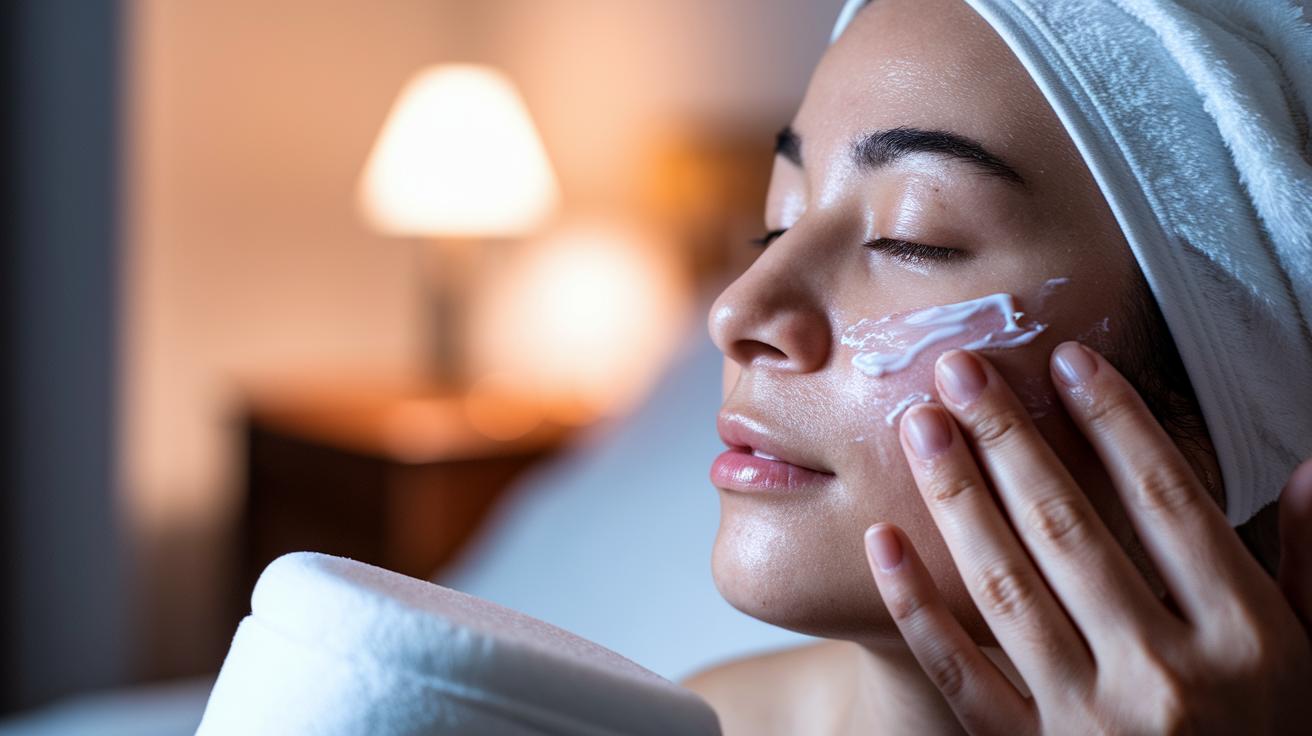
After your laser treatment, follow these simple steps to help your skin heal beautifully. Let’s walk through what to expect and the care tips for each phase.
In the first 24–48 hours, gently wash the treated area 4–5 times a day using a mild cleanser. Keep your skin soft by applying petroleum jelly regularly, it helps lock in moisture and protect your healing barrier. For a cool, soothing relief, try a cool compress for 15 minutes every hour or two.
Between days 3 and 7, continue cleansing your skin with extra care as tiny scabs form. Keep using your ointment to support your skin’s natural repair process. This gentle routine helps ease irritation and lets your scabs do their important job.
At weeks 2 to 4, you’ll notice the redness start to fade and fresh, new skin emerging. Keep up a gentle cleansing routine and watch as your skin gradually reveals its glow.
Throughout your recovery, make sure to avoid any sun exposure. When you head outdoors, even on overcast days, use a broad-spectrum sunscreen with an SPF of 30 or higher to protect your healing skin.
Remember to stay hydrated and stick to your aftercare routine. And please, try not to pick or rub the treated area.
Finally, don’t skip any follow-up appointments. Your provider will check your progress and tweak your care plan if needed, ensuring you get the best possible care.
Results and Long-Term Outcomes of Laser Skin Resurfacing
Clinical studies show that laser skin resurfacing can work wonders almost right away. After just one session, many people see smoother skin and a more even tone. Imagine giving your skin a fresh start, like lightly sanding a rough piece of wood until it feels soft and even. Photos taken before and after treatment clearly show how scars and pigmentation fade over time.
Laser treatments also jump-start collagen production (that natural process which keeps your skin firm) over the next 6 to 12 months. This boost helps your skin feel tighter and age less quickly. As your body makes more collagen, your skin becomes tougher against sun damage and other aging signs. Some patients have said, "I noticed my skin felt tighter and more youthful after several months," which shows that the effects build over time.
Keep in mind that the best results usually need a few sessions and regular check-ins with your provider. Your dermatologist will review your progress and adjust your plan so that every treatment makes you look and feel better. Many patients share how sticking with maintenance treatments leads to even better long-term results.
Cost Considerations and Finding Qualified Providers for Laser Skin Resurfacing
When planning your budget for laser skin resurfacing, keep in mind that prices vary depending on a few key factors. In 2020, for instance, ablative treatments averaged around $2,509 and non-ablative ones about $1,445. These costs can change based on the provider’s experience, the type of laser they use (think of it as choosing between a gentle or bold approach), and where you live. Many clinics even offer financing or package deals to help keep things affordable, kind of like picking a skincare routine that perfectly fits your lifestyle.
Finding a reliable provider matters just as much as figuring out the cost. Look for clinics with the right certifications and positive reviews from real people. It’s all about making sure you’re in good hands with someone who truly understands the art and science of skin resurfacing. In the end, investing in expert care is really a way of investing in the long-term health and glow of your skin.
Final Words
In the action, we explored laser skin resurfacing, breaking down how the treatment smooths wrinkles, reduces scars, and rejuvenates skin. We looked at the candidate evaluation, different technique methods, and key steps from consultation to recovery. Each section outlined practical tips for preparation, realistic expectations, and cost considerations. This guide is designed to help you feel confident and stylish while refreshing your skin. Laser skin resurfacing might just give you that effortless chic boost you've been wanting. Keep glowing and enjoy every moment of self-care.
FAQ
Where can I find laser skin resurfacing near me?
Laser skin resurfacing near me points to local clinics offering the treatment, typically performed by board-certified dermatologists or plastic surgeons who tailor the procedure to your skin needs.
What do laser skin resurfacing before and after results and online posts say about its effectiveness?
Laser skin resurfacing before and after photos and online discussions show a clear improvement in skin texture, tone, and wrinkle reduction, proving the treatment works for many individuals.
What are the laser skin resurfacing side effects?
Laser skin resurfacing side effects may include temporary redness, swelling, and scabbing as the skin heals, with most signs easing as you follow proper aftercare.
What is the recovery time for laser skin resurfacing?
Laser skin resurfacing recovery time varies from 5 to 14 days based on the specific technique used, with post-procedure care helping to quicken and smooth the healing process.
How much does laser skin resurfacing cost near me and what are the typical prices?
Laser skin resurfacing cost near me often ranges from about $1,500 to $2,500 per session, with the exact price depending on the provider, treatment type, and available financing options.
What is CO2 laser skin resurfacing?
CO2 laser skin resurfacing employs focused laser beams to remove skin layers, targeting deep wrinkles and scars while providing significant improvement with a downtime of about 10 to 14 days.
How does laser skin resurfacing help with stretch marks?
Laser skin resurfacing for stretch marks works by resurfacing the skin and boosting collagen production, which can improve texture and reduce the visibility of those marks over time.
How long do the results from laser skin resurfacing last?
Laser skin resurfacing lasting results depend on factors like skin type and sun exposure, with benefits visible for several months and gradual enhancements maintained by ongoing care.
What is the best age for laser resurfacing?
The best age for laser resurfacing depends on your skin concerns; many choose their 30s or 40s when early signs of aging appear, allowing for preventive treatments that offer lasting improvements.