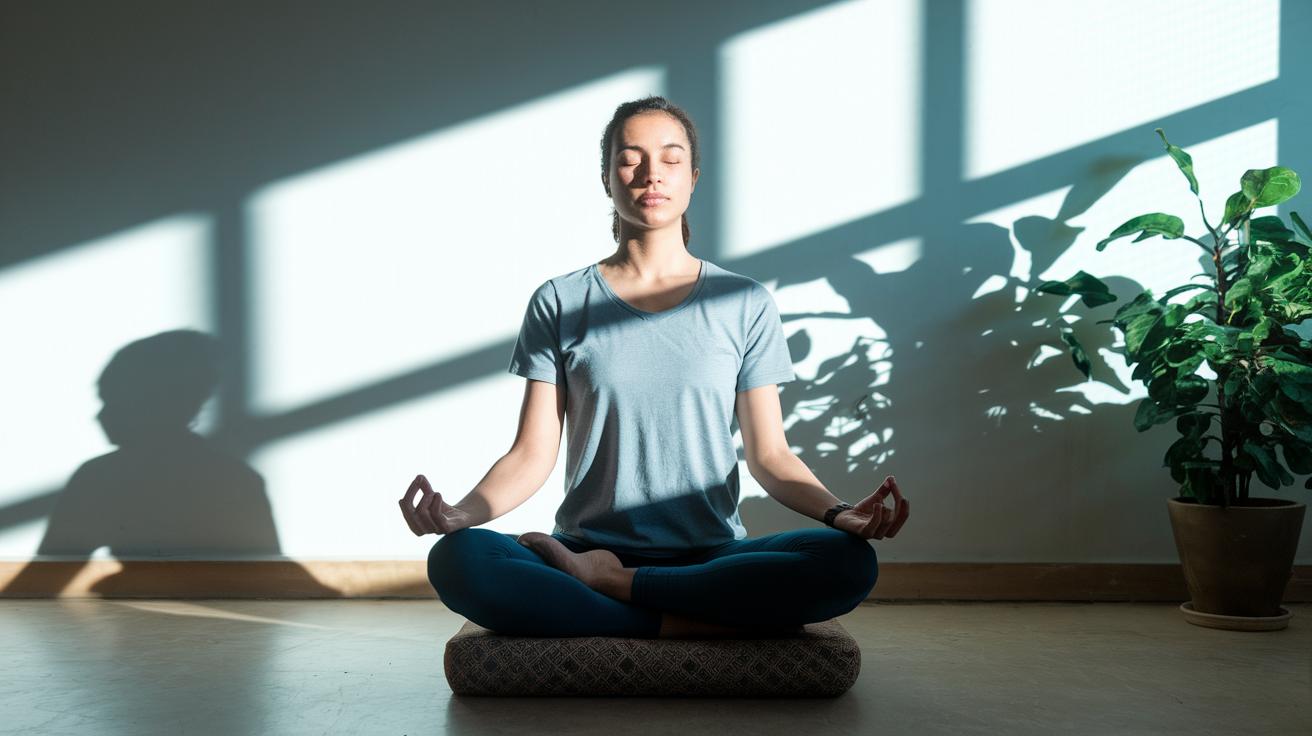
Ever notice how one deep, mindful breath can turn a hectic day around? Taking a moment to just breathe helps you pause and feel every gentle inhale and exhale. Picture your chest and belly rising and falling like soft, rolling waves on the shore. This isn’t just a break; it’s a mini reset for your mood and a chance to reconnect with yourself. Next time things get stressful, try this simple trick and see how it can open the door to calm and balance.
What Is a Mindful Breathing Exercise?
Mindful breathing exercise is all about taking slow, intentional breaths while really noticing how each breath feels. You breathe in and out in a way that makes you feel each movement, almost like you're giving your body a gentle massage. It even helps you use your diaphragm (that’s the muscle right under your lungs) to pull in more air and fill your belly.
Picture this: you take a deep breath for about 4 seconds, feeling your stomach expand, and then slowly let it out over 6 seconds. Fun fact: after just one 5-minute session, studies show you can see a 10% drop in heart rate. Pretty amazing, right? This steady pattern brings you right into the moment while easing any built-up tension in your body.
Many people add mindful breathing to their stress-busting routines since it’s a simple way to feel calmer and more connected to yourself. When you focus on each breath, you not only recognize how powerful a single moment can be, but you also invite a sense of peace into your day. It's like giving yourself a mini retreat any time you need it.
Step-by-Step Mindful Breathing Exercise Guide

Find a comfy spot where you can sit upright, with your back nice and straight. Picture yourself relaxed yet alert, ready to invite in some deep, refreshing breaths.
Place one hand gently on your chest and the other on your belly. This little trick lets you feel your breath in a real, personal way, as you notice your chest and belly move.
Now, breathe in slowly through your nose over 4 seconds, think “1, 2, 3, 4” as you feel your stomach gently expand like a soft balloon filled with air. It’s a bit like savoring the delightful aroma of freshly baked cookies.
Take a brief pause of 2 seconds. Embrace that stillness, as if you’re enjoying a quiet moment amid a busy day.
Next, exhale steadily through your mouth over 6 seconds. Imagine letting go of any stress with each count, “1, 2, 3, 4, 5, 6”, feeling the tension melt away as your chest and belly relax completely.
Keep repeating this cycle for about 5 minutes. Each round helps you build focus and create a little oasis of calm, much like hitting a personal reset button on a hectic day.
After just a few sessions, many people say they find it easier to concentrate, almost like their mind gets a refreshing makeover. Use these moments to reconnect with yourself, inviting calm and clarity into your everyday routine.
Mindful Breathing Exercise Tips for Beginners
Start with small, manageable sessions so you can build up your confidence. Try a simple 2-minute breathing exercise at first and then gradually extend to 10 minutes over a couple of weeks. It’s a gentle way to get comfortable without feeling overwhelmed.
Find a cozy, quiet spot where you can focus on each breath. A peaceful space lets you truly relax and savor every inhalation, much like taking a little time for yourself during a busy day.
For an extra boost of comfort, consider using a cushion to support your lower back. This little trick helps you sit in the right position so you can fully experience the natural rhythm of your breath.
Keep track of your progress in a journal. Write down how long you breathe and note any feelings or mood shifts you experience. This simple record not only shows you how far you’ve come but also helps you fine-tune your practice.
A quick reminder: shallow breathing might sometimes make you feel lightheaded (about 8% of beginners experience this). Aim for deep, intentional breaths to stay calm and steady, supporting your overall mental well-being.
Variations of Mindful Breathing Exercise Techniques
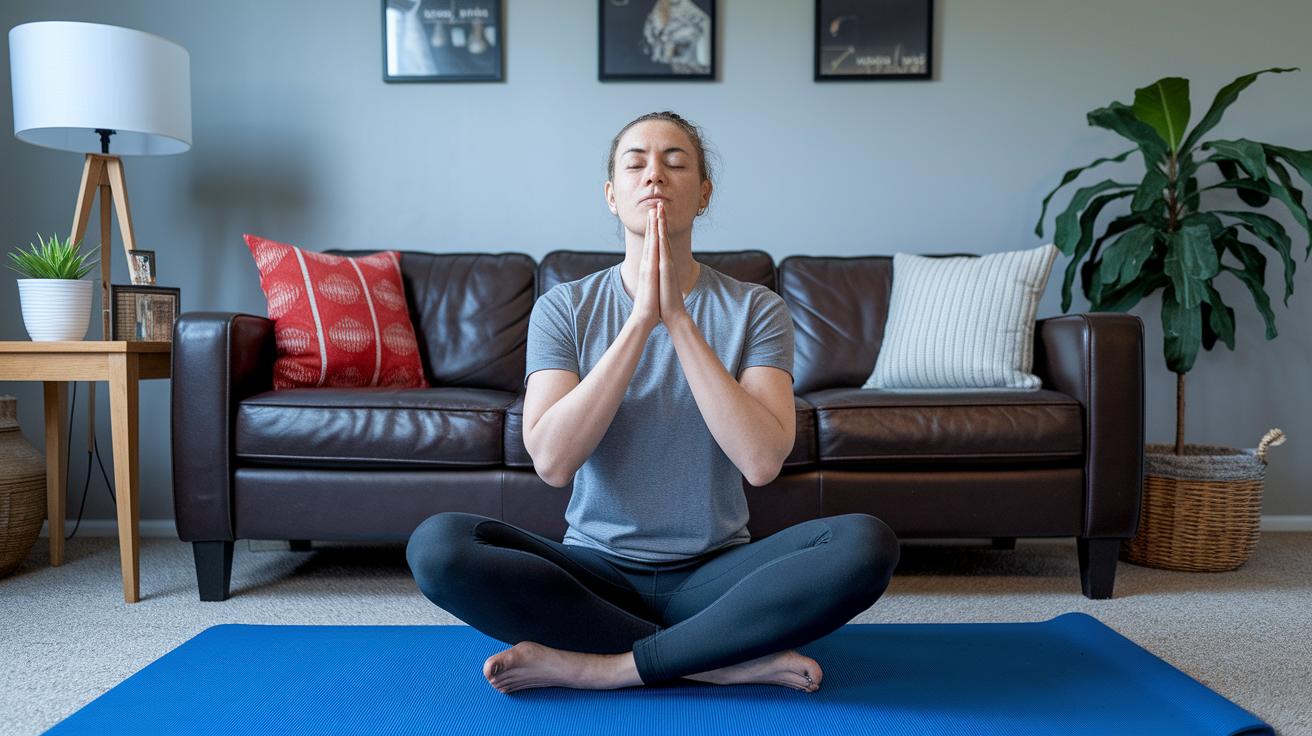
Box breathing is a simple way to bring calm into your day. Imagine drawing a neat square in the air with your breath: you breathe in for 4 seconds, hold for 4 seconds, exhale for 4 seconds, and hold again for 4 seconds. Studies have found that doing this every day can boost a part of your nervous system (called vagal tone) by about 12%, helping you feel more relaxed as you go.
The 4-7-8 method is another gentle trick to soothe your mind. You breathe in for 4 seconds, hold that breath for 7 seconds, and then slowly exhale for 8 seconds. Try doing this cycle around 10 times, and you might notice a deep sense of calm settling in, easing away tension and lighting up your mental clarity.
With the Balloon method, think of your belly like a balloon. As you breathe in, let your abdomen fully expand, just like filling up a balloon, and then let it release softly as you breathe out. This nurturing rhythm helps center your body and mind, making you feel grounded.
Chromatic breathing adds a playful twist to your routine. Here, you change your breathing pace by 2-second steps, noticing each little shift along the way. It’s a fun way to tune into your body, making you more aware of each breath you take.
Lastly, the Deep Calm Air method keeps things steady. You breathe in for 6 seconds and exhale for 6 seconds, repeating this calm pattern for 5 minutes. This even flow creates a soothing rhythm that helps balance your inner pace and brings a lasting sense of peace.
Mindful Breathing Exercise Benefits for Stress Relief
Mindful breathing is a simple, effective way to calm your mind and let your body relax. Even one session can clear your head and boost your focus by about 18%. Every slow, deep breath brings fresh oxygen into your system, helping to slow down racing thoughts and ease any body tension. It’s like giving yourself a gentle reset.
Research shows that just five minutes a day can lower your stress hormone (cortisol) by 25%, and over four weeks, it can improve how your heart handles stress by 15%. In one study with 40 people, regular practice reduced feelings of anxiety by 20%. Plus, practicing in the evening has been linked to a 10% drop in insomnia symptoms, helping you enjoy more peaceful nights.
- Cortisol levels drop by 25% after daily 5-minute sessions
- Heart-rate variability improves by 15% over four weeks
- Anxiety scores decrease by 20% in one study
- Focus increases by 18% after a single session
- Insomnia symptoms are reduced by 10% with consistent evening practice
Incorporating mindful breathing into your everyday routine can turn stressful moments into refreshing pauses. Give it a try and experience the calm clarity it brings.
mindful breathing exercise: Embrace Tranquil Peace
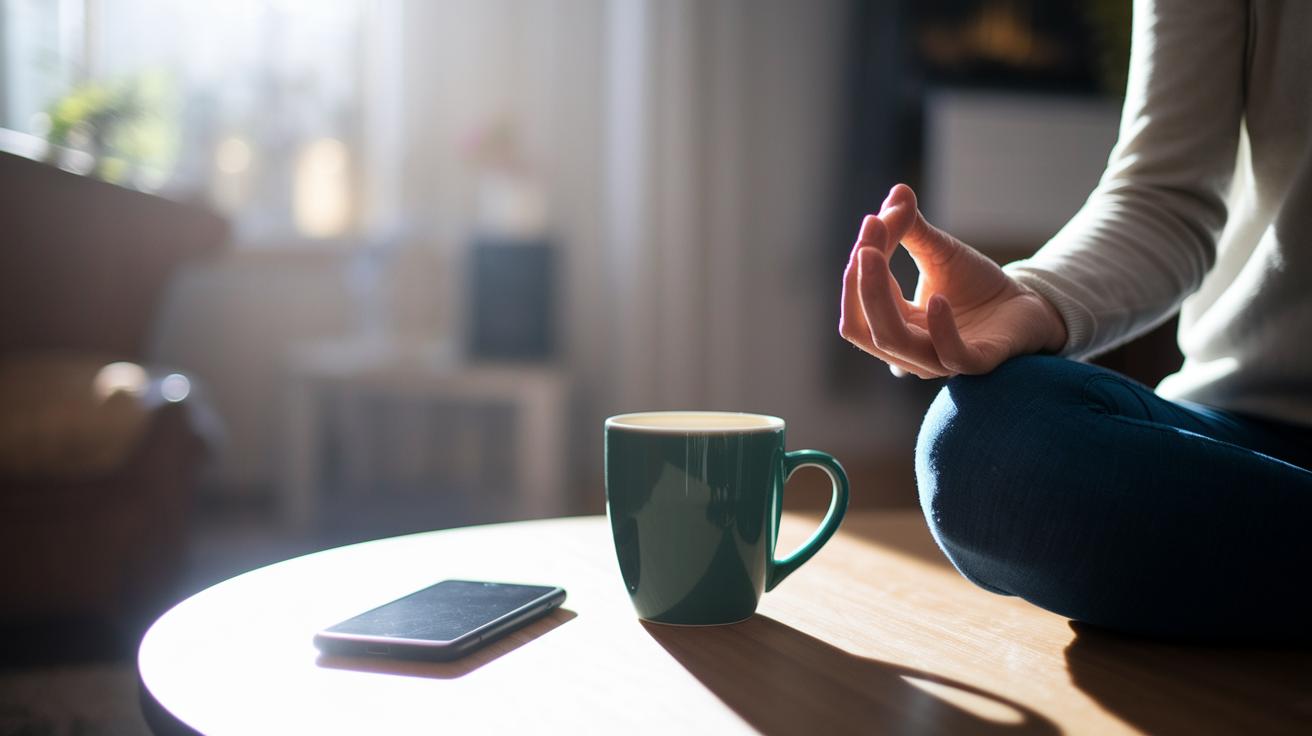
Let’s bring mindful breathing into your day by setting aside three short sessions, once in the morning, another at lunchtime, and one right before bed. These little pauses are like soft, refreshing resets that help you let go of stress and rediscover your inner calm.
Try to tie your breathing practice to everyday habits. Enjoy a five-minute pause with your morning coffee or steal two minutes after lunch for a quick meditation. This habit-stacking can bump up your daily practice by about 35%, making it easier to stick with it.
Using your smartphone’s alarm is another smart idea. Studies show that a gentle reminder can boost your adherence by around 70% after two weeks. When your alert goes off, take a moment to slow down and enjoy a series of deep, conscious breaths, knowing that these small breaks make a big difference in your overall well-being.
Also, consider journaling your progress. Write down the date, time, how long you practiced, and even your mood. This little log helps you see patterns and celebrates those tiny improvements in managing daily stress.
If you’re curious about fitting mindfulness into your routine, check out the daily self care checklist at https://imdandy.com?p=138 for more ideas on capturing these mindful moments.
Final Words
In the action, we journeyed through the mindful breathing exercise, uncovering its key steps and subtle benefits. We broke down the process from posture cues to perfect timing counts, giving you clear insights to get started. With practical tips and easy variations, embracing this practice becomes part of an everyday routine. Enjoy exploring each inhale and exhale, and let your calm lead you to effortless chic living.
FAQ
What is a mindful breathing exercise?
The mindful breathing exercise means focusing on your breath by consciously inhaling and exhaling while noticing physical sensations and engaging your diaphragm, which helps lower heart rate and ease stress.
How do I perform a mindful breathing exercise?
The mindful breathing exercise involves sitting upright with a straight spine, placing one hand on your chest and one on your abdomen, then following a set timing for inhaling, pausing, and exhaling.
What tips help beginners with mindful breathing exercises?
The mindful breathing exercise beginner tips include starting with short sessions, choosing a quiet space, using a cushion for support, and keeping a journal to track session details and sensations.
What variations exist for mindful breathing techniques?
The mindful breathing exercise variations include approaches like box breathing, the 4-7-8 method, balloon breathing, and equal-timed inhalation and exhalation, each with unique timing counts to suit different needs.
How does mindful breathing help with stress relief?
The mindful breathing exercise helps reduce stress by lowering cortisol levels, decreasing heart rate, and enhancing relaxation, with research showing improved focus and reduced anxiety after just a few sessions.
How can I integrate mindful breathing exercises into my daily routine?
The mindful breathing exercise can be integrated into your day by scheduling short sessions at key times, pairing them with regular habits like a coffee break, and tracking your progress with simple journal entries.