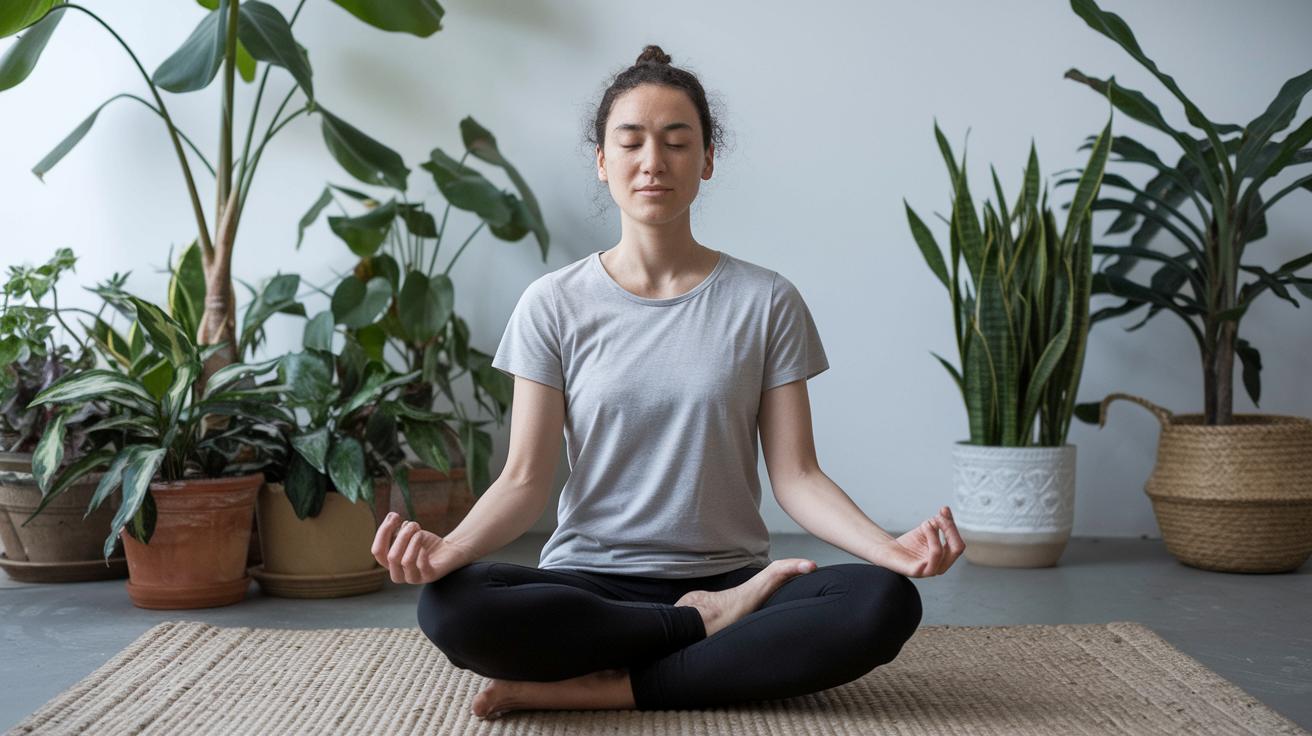
Ever feel like life’s rush is just too much? When your day feels heavy, mindful meditation offers a little moment to hit the pause button. It gently helps you relax, letting you take a deep breath and clear your mind.
Imagine sitting quietly and paying close attention to your breath and body, like noticing the warm glow of a sunset or the soft hum of a favorite song. This simple focus helps melt away tension and sparks a sense of calm.
Try out two easy techniques: the Body Scan, where you slowly check in with each part of your body, and the quick 3-Minute Breathing Space, which is perfect when you're on the go. Both can bring a gentle wave of peace, even on your busiest days.
So, next time you need a break, let these mindful moments guide you into a refreshing state of relaxation. Isn't it nice to know there's a simple way to feel a little lighter?
Core Principles of Mindful Meditation for Relaxation
Mindful meditation for relaxation is a gentle way to stay in the moment. By tuning into your breath and the feelings in your body, you give yourself a break from your busy day. It’s like pausing to enjoy a tiny moment of peace, kind of like when you hold a small raisin, notice its bumpy skin, and savor its flavor to keep your attention here and now. Try simple techniques like the Body Scan, which works whether you're lying down or sitting comfortably. And if you need a quick reset, the 3-Minute Breathing Space helps shift your focus back to your breath, easing away tension in seconds.
This practice invites you to find an inner calm by engaging both your body and your senses. Even a brief moment of mindfulness can spread a ripple of calm throughout your entire day.
- Breath awareness
- Body scanning
- Sensory engagement
- Non-judgmental observation
- Present-moment focus
By making these practices a regular part of your day, you build a lasting calm that goes far beyond your meditation session. Focusing on your breathing and how your body feels is like anchoring yourself in the present. And when you simply watch your thoughts and feelings pass by, you free yourself from stress. With time, this mindful approach eases tension and creates a peaceful space within you, one that brightens every part of your everyday life.
Mindful Meditation for Beginners: A Step-by-Step Guide
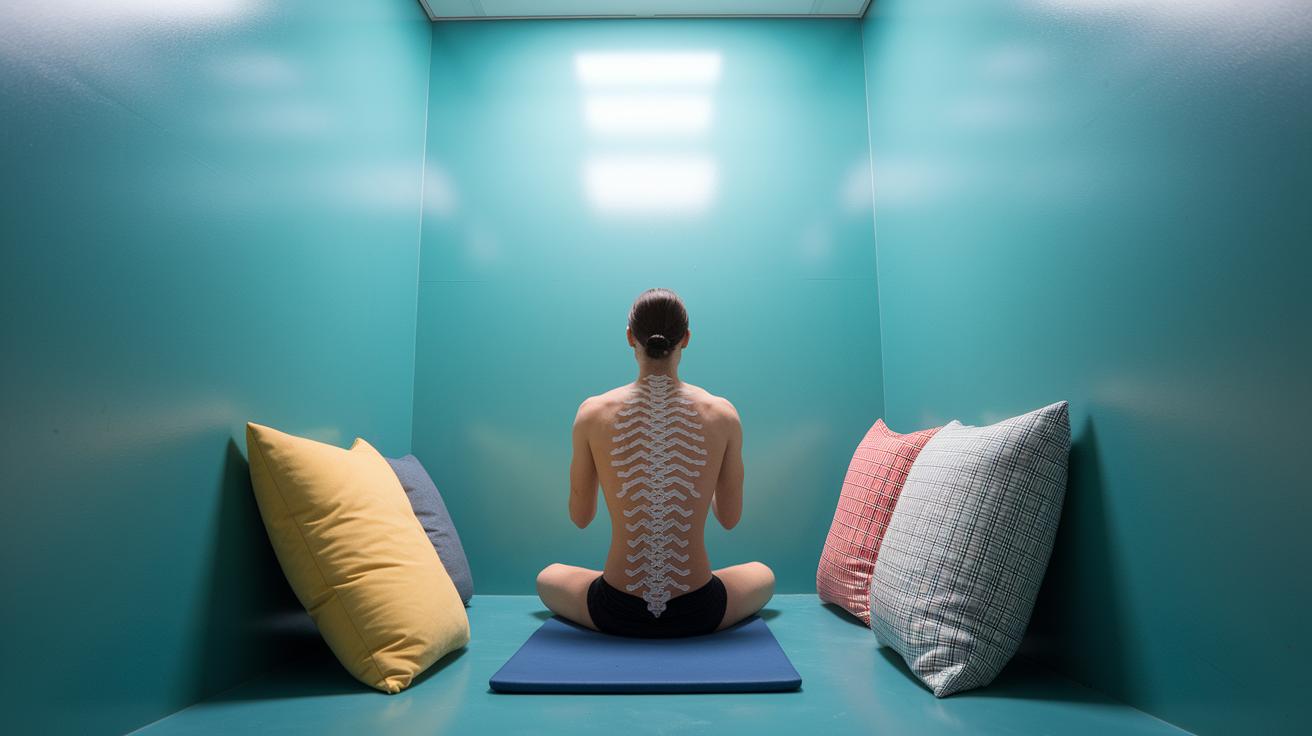
Find yourself a quiet corner where you won’t be disturbed. Think of these moments as a small treat for your mind and body. This peaceful break is your chance to slow down and reconnect with yourself.
Preparing Your Space
Start by choosing a calm room and a comfy seat, maybe even add a cushion that feels just right. Set up a simple area that invites relaxation, like turning your space into a little retreat. It’s all about creating an environment free of distractions so you can truly unwind.
Establishing Posture
Sit up straight, letting your spine feel both relaxed and alert. You can use a chair or sit on the floor with support behind you. Look down lightly to help your thoughts settle. This easy posture anchors your focus and prepares you to simply observe your thoughts without getting lost in them.
Guided Steps
Begin with a simple observation of your feelings and surroundings, using a method like Observer Meditation (a gentle way to notice and describe your feelings). Then try a 3-Minute Breathing Space: focus solely on your breath and let any tension slip away. Lastly, spend a few minutes on your senses. Notice what you see, hear, smell, taste, and feel. For instance, take two minutes to enjoy the colors and shapes around you, then move on to another sense.
Remember, consistency is key. If it feels a bit tricky at first, stick with it. Over time, this calming ritual can help bring a gentle and lasting inner peace to your day.
Guided Mindful Meditation Sessions for Stress and Anxiety Relief
Take a moment to slow down and find your inner calm with our guided sessions. They’re designed to help you relax and let go of tension through simple, clear practices. You can choose from groups like Basic Meditations, Heart Meditations, Open Awareness, and Special Reflections, each with a special focus to ease stress or soothe anxiety.
Imagine ending a hectic day with a 19-minute session like "Relaxing with Our Life," where the gentle pace helps you unwind. Or try "Collecting and Quieting the Mind" for 17 minutes if you need a break from racing thoughts. And when you’re in a rush, "The Power of the Sacred Pause , Clearing to Remember Heartspace" is a quick 7-minute reset that brings you back to your heart.
Finding the perfect session is all about tuning in to how you feel right now. If you’ve got time for a deeper relaxation, a longer session might be just what you need. But if you’re looking for a short burst of calm, a quicker practice can work wonders. Give them a try and see which one brings you the most peace.
Quick Mindful Meditation Techniques for Busy Minds

When your day feels non-stop and your mind gets cluttered, try these super short mindfulness breaks. They act like a refreshing sip of cool water on a hot day, helping you clear your head in just a few minutes. Whether you're zipping between meetings or waiting for that perfect cup of coffee, these simple tips can help you find a moment of calm.
Sometimes, all it takes is a tiny pause to refocus. Here are a few ideas you can easily slide into your routine:
- Mindfulness Bell Exercise – 5 minutes: Focus on a gentle bell sound that soothes you. Each time you hear it, let it remind you to take a deep, steady breath.
- Raisin Exercise – 4 minutes: Treat a plain raisin like a tiny gourmet treat. Notice its texture, taste, and little quirks as you savor every bite.
- Five Senses Exercise – 3–4 minutes: Spend a few minutes tuning into your sight, sound, touch, taste, and smell. This quick check-in helps ground you in the present.
- 3-Step Mindfulness Worksheet – 2–3 minutes: Follow a simple guide: first, notice what you're feeling; then, describe it to yourself; finally, let yourself fully experience that moment.
By fitting these little breaks into your day, you turn ordinary pauses into refreshing resets that help you feel more centered and clear.
Enhancing Deep Relaxation with Breathwork and Progressive Muscle Techniques
Imagine taking a slow, deep breath that connects your mind and body, like a gentle wave calming the shore. Each inhale and exhale smooths out the clutter in your head and helps you feel more at peace from head to toe. It’s like giving your nervous system a gentle reset, one thoughtful breath at a time.
Now, think about progressive muscle relaxation, a technique where you tense and then release specific muscle groups. Start with your shoulders and move down through your arms and legs. With each release, feel the tension melt away, making room for a deep, soothing calm. Pairing this with a simple visualization, like focusing on a single picture or pattern, can quiet the chatter inside your mind even further.
| Technique | Steps | Duration |
|---|---|---|
| Body Scan | Focus on sensations from head to toe | 10–15 min |
| PMR | Tense and then relax major muscle groups | 8–10 min |
| Visualization | Concentrate on a calming image | 5–7 min |
When you combine mindful breathing, muscle relaxation, and visualization, you create a balanced toolkit that eases stress and sharpens your focus. Regular practice not only softens daily tensions but also builds a resilience that makes life's challenges a bit more manageable. Give these techniques a try every day, and soon you'll find yourself enveloped in a lasting sense of calm and emotional balance.
Building a Daily Mindful Meditation for Relaxation Routine
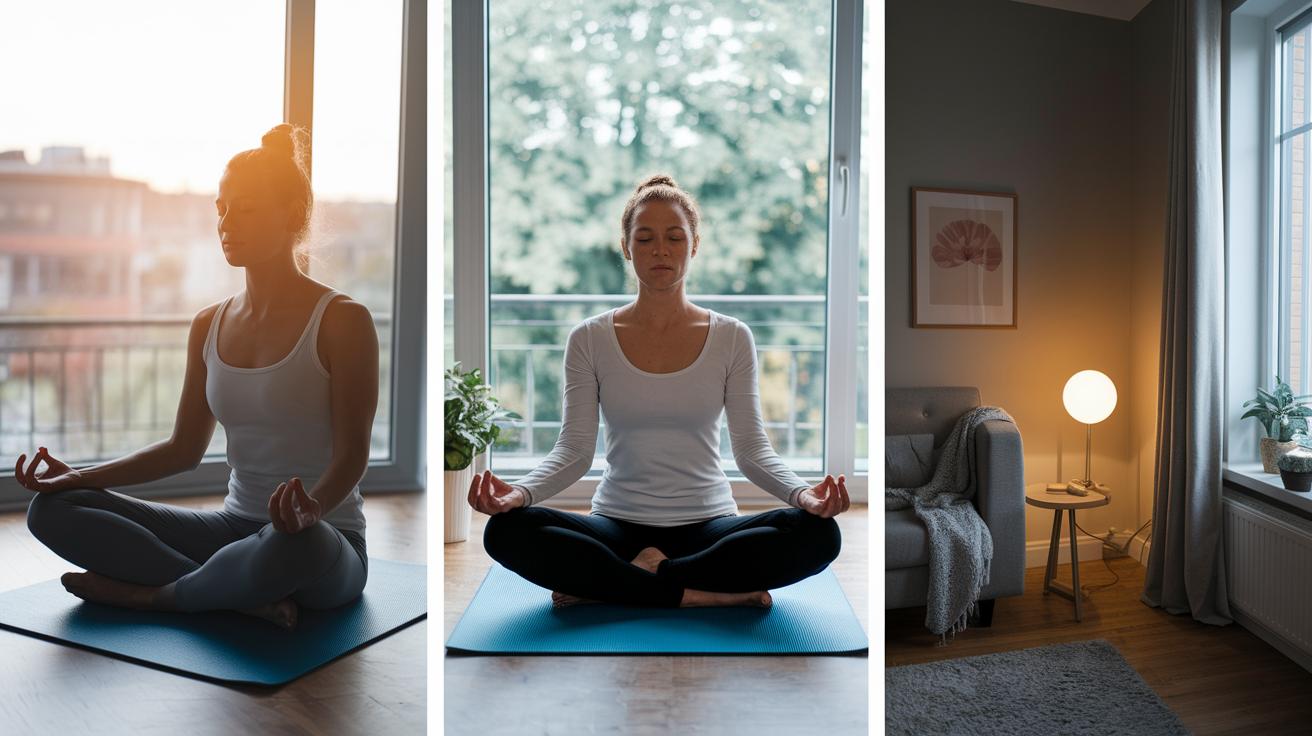
Try fitting in three little meditation breaks every day. Start your morning with a calm session to ease into the day, take a quick respite at midday to clear your head, and finish with a gentle wind-down at night to set the stage for sleep. It’s a bit like using DBT’s "what" skills to simply notice your thoughts, and "how" skills to connect with your feelings.
Mix things up with different styles that feel right for you. You might enjoy a guided meditation, a brief mindfulness exercise, or a deeper progressive method that works similarly to CBT in easing social anxiety. This variety helps you blend quick relief with a lasting sense of calm.
Focus on engaging your breath, body, and senses. Imagine the soft rhythm of your breathing, the way your body relaxes, and the sounds around you forming a soothing background. With tools like the Positive Psychology Toolkit© offering over 500 science-based exercises, you can keep your routine fresh and effective.
If you want a more personalized approach, explore extra resources to fine-tune your daily practice. Let these tools be your guide to adjusting the sessions to what works best for you, bringing more clarity and balance into your day. For more inspiring ideas, check out the Self-Care Routine List at https://imdandy.com?p=517.
Final Words
In the action, we explored mindful meditation for relaxation, from core techniques like breath awareness and sensory engagement to beginner-friendly steps and ready-made guided sessions.
We also looked at fast practices to clear the mind and techniques that mix breathwork with muscle release. Every tip builds on a daily routine, making a calm, well-grounded life feel attainable. Embracing these methods can brighten even the busiest days with genuine calm and upliftment.
FAQ
What does deep relaxation meditation for stress relief and anxiety entail?
The deep relaxation meditation for stress relief uses guided techniques centered on breath awareness and body focus. It eases overthinking, reduces anxiety, and brings a sense of calm through practical practices like a 15-minute session.
Which guided meditation options are best available for free on YouTube?
The best guided meditation free options on YouTube offer clear, soothing instructions. They cover stress reduction to mindfulness practices, allowing you to enjoy professional guidance without any cost.
What is an example of mindful meditation?
An example of mindful meditation is focusing on your breath and bodily sensations, like during a body scan. This practice helps you observe thoughts and feelings without judgment while staying in the present moment.
How can I reset my mind in 5 minutes?
Resetting your mind in 5 minutes involves a quick mindfulness exercise. Focusing on deep, slow breaths helps clear scattered thoughts, giving you a momentary pause to achieve mental clarity and calm.
What are the 4 R’s of meditation?
The 4 R’s of meditation involve recognizing tension, relaxing your body, refocusing your mind, and recharging your energy. These steps guide your practice to reduce stress and enhance awareness.
What does the 2 minute mindfulness exercise involve?
The 2 minute mindfulness exercise involves briefly centering on your breath and physical sensations. This short practice offers a quick reset to calm a busy mind and cultivate present-moment awareness.