Ever notice how some people just seem to bounce back no matter what life throws at them? It might be because they treat their minds as gently as they do a dear friend. When we take a moment to pause and breathe, we give ourselves a break from the stress and quiet that nagging inner voice. Even research has found that being kind to yourself could boost your inner strength even more than mindfulness on its own. In this post, we’ll chat about how mixing a little mindfulness with some well-deserved self-compassion can lead to a calmer, kinder life, even on the toughest days.
Integrating Mindfulness and Self-Compassion for Lasting Emotional Wellness
Mindful self-compassion brings us into the present while treating ourselves kindly. It’s about noticing our feelings without harsh judgment and giving ourselves the tender care we’d offer a close friend. When life gets hectic, this approach helps us slow down and remind ourselves that being imperfect is completely okay.
Recent research, including a study reviewed by Tyler Woods on December 30, 2022, shows that self-compassion can be an even stronger indicator of mental well-being than mindfulness alone. In other words, when we pause to recognize our pain and gently comfort ourselves, our body doesn't trigger the stress alarms as loudly. Plus, using simple mindfulness techniques, like those found in daily mindfulness guides, keeps us firmly grounded and boosts our overall emotional strength.
Blending mindfulness with self-compassion helps us face everyday bumps with a softer touch. By tuning into our feelings and soothing emotional distress, we quiet that inner critic. Over time, this practice builds a quiet inner resilience that makes bouncing back from setbacks feel almost as natural as comforting a dear friend.
Core Components of Mindfulness and Self-Compassion

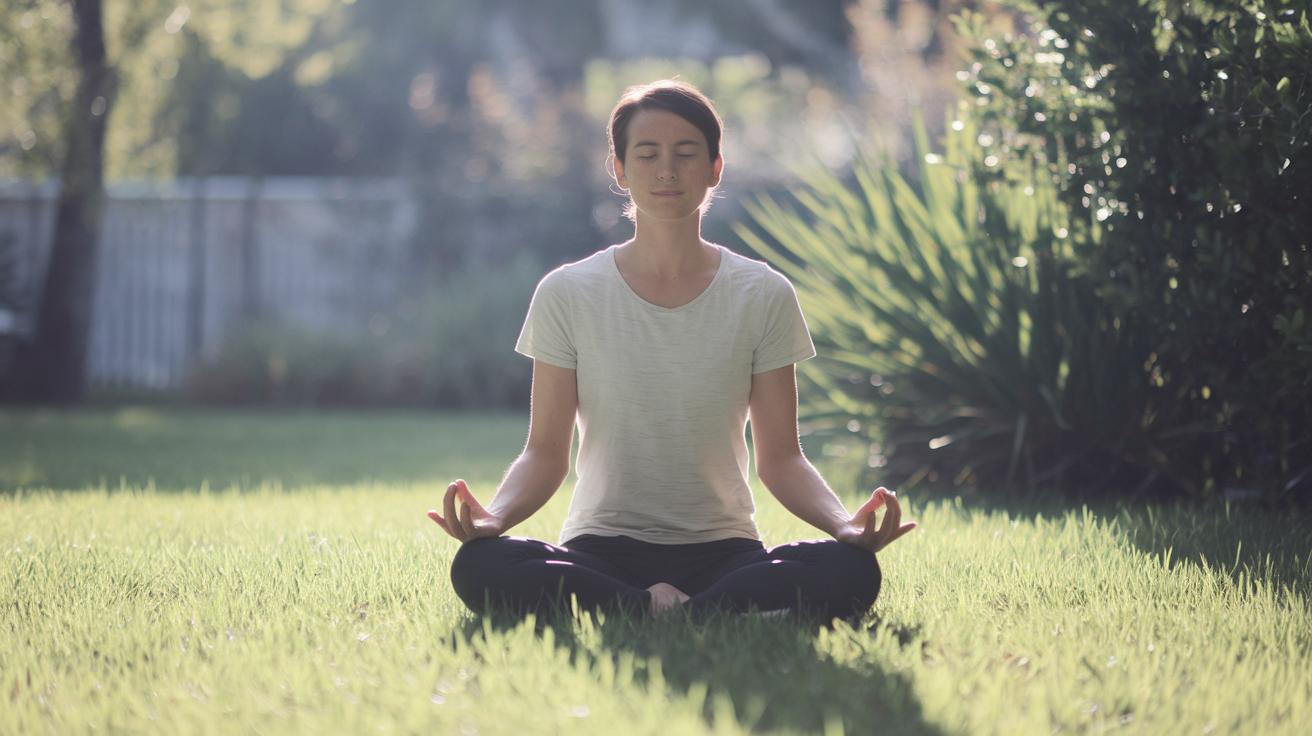
Mindfulness is simply about tuning into what’s happening right now, without any judgment. It’s noticing the gentle tick of time, like the soft breeze on your face or the sound of your breath, without letting your thoughts run off. Imagine taking a quiet pause while sitting in a park, feeling every moment just as it is.
Self-kindness means treating yourself with the care you’d offer a close friend, especially when things get tough. Instead of harshly criticizing every mistake, try saying, “I know this is hard, and I'm here for you.” This little act of comfort helps calm those stressful vibes and reminds you that you deserve kindness just as much as anyone else.
Common humanity is about realizing that everyone faces challenges and makes mistakes. When you remember that you’re not alone in your struggles, that shared experience can ease the feeling of isolation. Embracing this understanding turns tough times into opportunities to grow, knowing that imperfection is simply part of being human.
Research-Backed Benefits of Mindful Self-Compassion
Mindful self-compassion is all about being fully present with your feelings while treating yourself with kindness. Think of it like a gentle hug for your mind. Research, including studies from well-known programs like MBSR (Mindfulness-Based Stress Reduction) and MBCT (Mindfulness-Based Cognitive Therapy), shows that these practices really can boost your overall well-being.
- It helps calm your body during stressful moments, lowering that anxious buzz.
- It makes handling big, intense emotions a bit easier by giving you a clearer head.
- It eases mental tension by reducing endless, negative thoughts and self-criticism.
- It can improve your physical health because relaxing your body helps dial down its alarm system.
- It opens up your ability to see challenges in a bigger, more compassionate light.
Everyday, this means you can feel more balanced and bounce back from setbacks more gracefully. When stress hits, taking a moment to breathe and offering yourself a kind word can make all the difference. It’s not just about easing anxiety – it gently guides you toward a healthier, happier mindset.
mindfulness and self-compassion: Cultivate Positive Living

Sometimes we all feel a bit down on ourselves, but taking a few moments to practice self-kindness can make all the difference. When you set aside time for these simple exercises, you gently shift your focus from self-criticism to caring for yourself. It’s like giving yourself a little hug during a busy day. Just imagine pausing for a few minutes to turn a tough moment into a chance to be kind to your inner self.
Here are some easy steps to help nurture a compassionate mindset:
-
How Would You Treat A Friend?
Grab a pen and paper, and jot down the kind words you’d share with a dear friend. It’s a sweet reminder that you deserve the same care. -
Identify What You Want
Swap out the harsh self-talk for uplifting thoughts. Write down the encouraging words you need to hear to keep moving forward. -
The Criticizer, The Criticized, and the Compassionate Observer
Picture three chairs in your mind (or set up three physical spots). One represents that critical voice, one is where you feel hurt, and the last is the gentle observer offering understanding. It’s a fun way to see how you can balance these feelings. -
Write a Personal Letter
During a hard day, try writing a letter to yourself. Check out this mindful journaling exercise at this link for a little extra inspiration.
These exercises, when practiced regularly, can really change the way you treat yourself during stressful times. Try adding one or two of these methods to your routine a few times a week. As you get more comfortable, mix and match the exercises to fit your day’s vibe. And if you’re looking for a deeper dive, you might enjoy an eight-week Mindful Self-Compassion training program that builds on these ideas and helps foster a positive inner dialogue.
Just a few minutes each day can spark a gentle, steady change, helping you tackle life’s ups and downs with warmth, clarity, and a bit more self-love.
Daily Routines and Techniques for Compassionate Awareness
When you set up daily habits that care for your inner self, even the most hectic day can feel a bit calmer. Carving out tiny breaks lets you stop, take a deep breath, and remind yourself that you deserve some gentle kindness. Over time, these small acts become natural, weaving a comforting rhythm into your everyday life.
- Try saying a short, soothing phrase to yourself during a break, maybe a quiet "I'm okay right now."
- Do a simple breathing exercise when your feelings run high to help ease the tension.
- Set little reminders, like alarms or sticky notes, that nudge you to check in with how you feel.
- Jot down a quick note of gratitude or a few thoughts in a journal to capture a positive moment.
- When tasks get tough, pause for a moment, give yourself credit, and offer some warm self-support.
Keep in mind that consistency is the secret sauce. Every tiny act of self-care adds up, forming a pattern of kindness that grows stronger with time. Before you know it, these little pauses are a natural part of your day, helping you stay calm and nurturing a more balanced, caring outlook on life.
Building Long-Term Resilience Through Mindful Self-Compassion

Mindful self-compassion is like giving yourself a warm hug when times get tough. It helps calm stress in the moment and builds a strong inner foundation over time. Instead of beating yourself up for little mistakes, you learn to treat yourself with kindness and care. With a little practice every day, you become better at handling life’s ups and downs with a gentle and steady heart.
Eight-Week MSC Training
The eight-week Mindful Self-Compassion (MSC) training is a friendly guide on your journey to self-healing. Every week introduces a fresh idea, starting with simple mindfulness and self-kindness techniques that help you notice those critical inner voices. Early lessons show you fun and easy ways to switch from harsh self-talk to a more caring voice. As you move along, you discover that everyone goes through similar struggles, and you learn soothing tricks to ease your mind. By the end, you’re set up with new habits that keep self-criticism at bay and help you enjoy a more balanced, joyful life.
Recommended Self-Compassion Resources
If you want to keep growing in your self-care journey, there are plenty of great workbooks and courses to explore. Books like The Mindful Self-Compassion Workbook, Self-Compassion Workbook for Teens, and Mindful Self-Compassion Workbook offer clear exercises and thoughtful prompts. These resources guide you step by step, making it simple to weave self-compassion into your everyday routine and build lasting emotional strength.
Final Words
In the action, we explored practical tips on integrating mindfulness and self-compassion into everyday life. The post outlined how self-kindness, present-moment awareness, and shared experiences can boost emotional wellness. It shared research details, simple exercises, and daily techniques that bring ease and clarity.
These insights remind us to blend care with awareness, fueling inner strength even during busy days. Keep practicing these steps to nurture a more balanced and joyful everyday life.
FAQ
Mindfulness and self compassion pdf
The mindfulness and self compassion pdf is a downloadable guide that offers practical exercises and explanations to practice mindfulness with self-kindness, making it easy to start your emotional wellness journey.
Mindfulness and self compassion worksheet
The mindfulness and self compassion worksheet is a printable tool that helps you track and apply mindful techniques and self-compassion practices in daily life, supporting personal growth and reflection.
Mindful Self-Compassion online course free
The mindful self-compassion online course free option offers introductory lessons that blend mindfulness with self-kindness, providing an accessible way to begin your practice without any cost.
Self-compassion mindfulness Script PDF
The self-compassion mindfulness script PDF serves as a written guide combining mindful awareness and self-kindness prompts, designed to help you lead a focused meditation session with ease.
Self-compassion worksheets PDF
The self-compassion worksheets PDF provides digital exercises and journaling prompts that encourage self-kindness and mindfulness, allowing you to track progress while nurturing emotional resilience.
Mindful Self-Compassion teacher training
The mindful self-compassion teacher training equips you with the skills to lead practices that combine mindfulness and self-kindness, helping you confidently support others in achieving emotional balance.
Mindful self-compassion 8-week course
The mindful self-compassion 8-week course offers a structured weekly schedule that intertwines mindfulness with self-kindness, empowering you to build stronger emotional resilience over time.
Mindfulness and Self-Compassion Workbook for Kids
The mindfulness and self-compassion workbook for kids introduces young ones to fun, engaging activities centered on simple mindfulness and self-kindness practices, fostering early emotional wellness habits.
How does mindfulness relate to self-compassion?
The connection between mindfulness and self-compassion means being present helps you treat yourself kindly during tough times, reducing self-judgment and promoting emotional comfort.
What are the three pillars of mindful self-compassion?
The three pillars of mindful self-compassion are self-kindness, mindfulness, and common humanity, which together encourage treating yourself gently, staying aware, and recognizing that you are not alone.
What are the 3 C’s of mindfulness?
The 3 C’s of mindfulness—clarity, curiosity, and compassion—guide you to observe your thoughts with openness, explore feelings without judgment, and respond with care.
What are the 5 R’s of mindfulness?
The 5 R’s of mindfulness outline a process: Recognize, Release, Relax, Reflect, and Reconnect. This step-by-step approach helps transform challenging moments into opportunities for calm and growth.