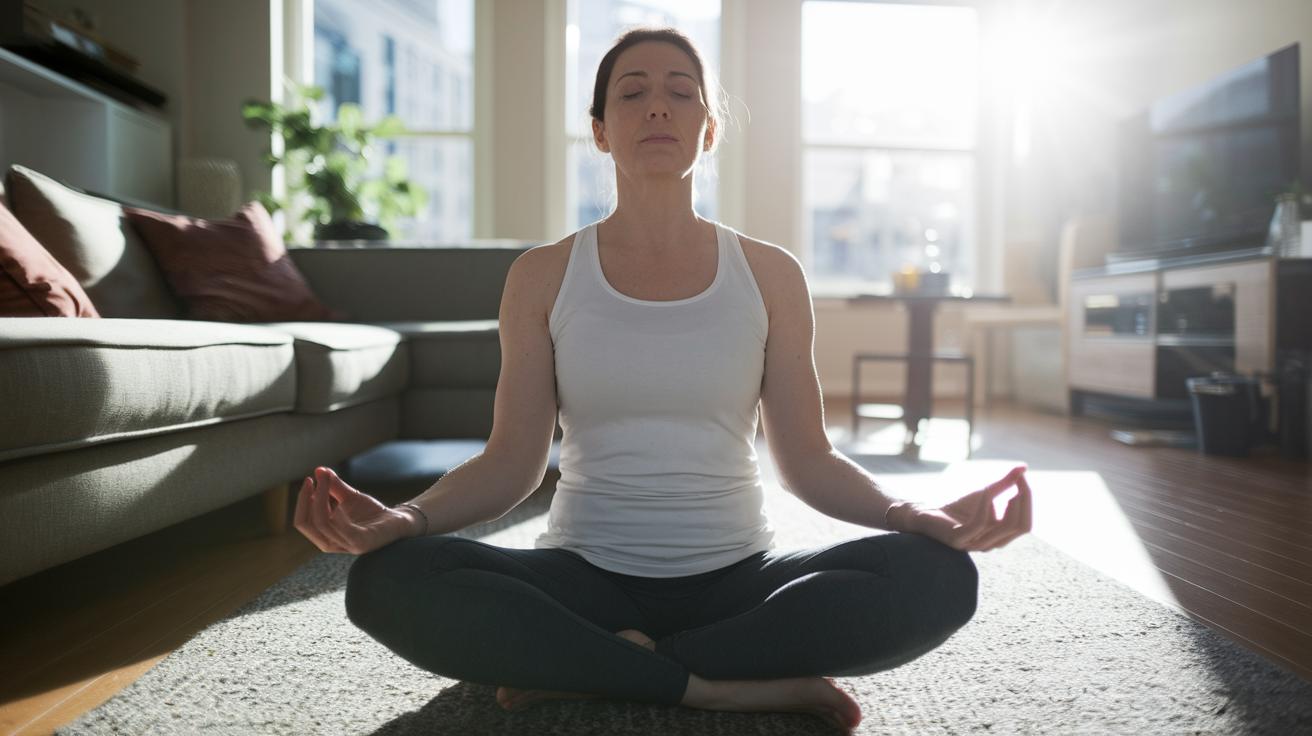
Ever feel like taking a pause could light up your day? Imagine breathing in slowly as your stress drifts away like soft clouds. Mindfulness is a little break for yourself that helps you feel calm and alive, even when things get busy.
In this post, we'll chat about how just a few mindful breaths can turn ordinary moments into sparks of strength. Get ready to discover how these small moments can brighten your mood and lift your spirit.
Applying Mindfulness for Self Care: Core Benefits and Practices
Mindful self-care is all about being truly present with no judgment. It’s like pausing to enjoy a quiet moment where you let your thoughts and feelings pass through without any fuss. When you take this time, you give yourself a break from the hustle and bustle of everyday life, nurturing both your body and your mind.
Even a short daily session can work wonders. Imagine spending just 10 minutes focusing on your breath, watching it rise and fall like gentle waves. Research shows that this kind of practice can boost your emotional strength and even lower stress markers (those little signals your body gives off when you're stressed). It’s a simple way to feel more alert, calm, and balanced.
You can start with easy steps like breath exercises and a little journaling. Try dedicating five to ten minutes each day to tune in to your breathing. Then, jot down a few thoughts about how you’re feeling. For example, after a refreshing morning walk, spend a moment writing down what came to mind. These small acts can lighten your mental load and help you stay connected to your inner calm.
Ultimately, practicing mindfulness is like giving a daily hug to yourself, a way to slow down, breathe deeply, and enjoy the simple moments life has to offer.
Essential Mindful Exercises for Self-Care Routines
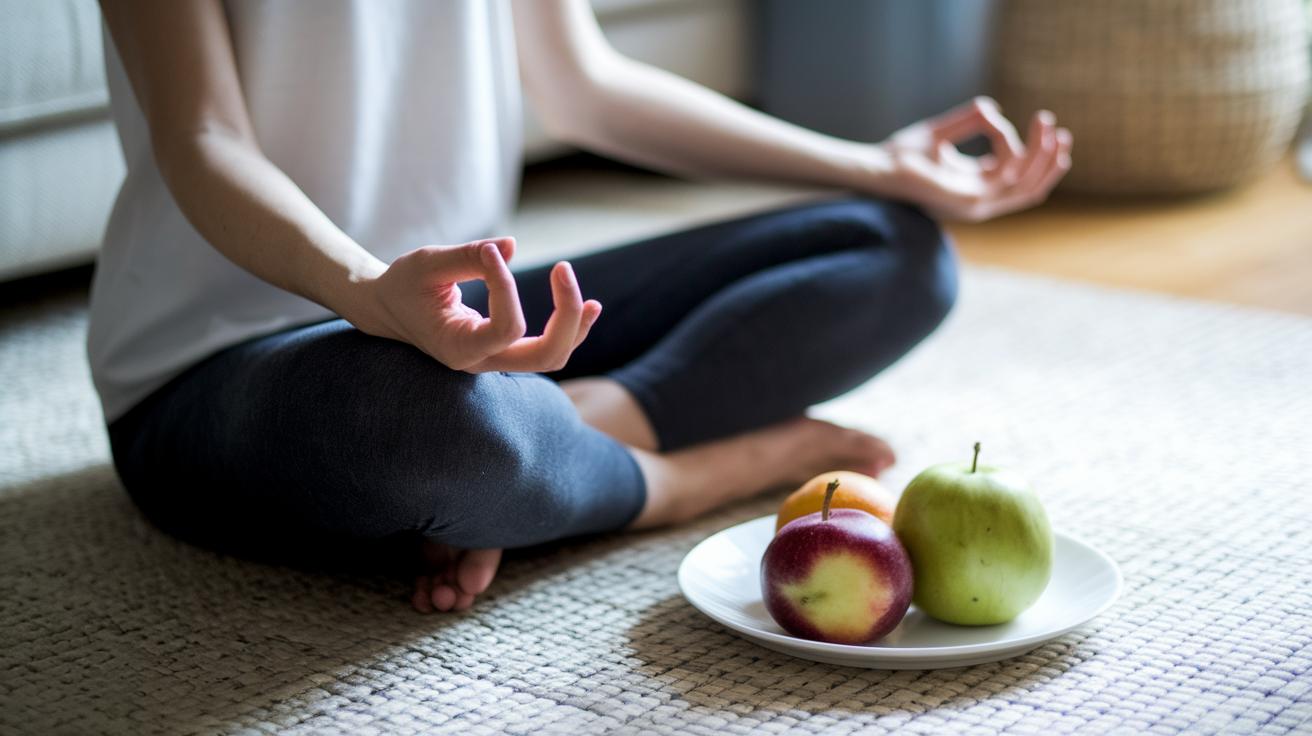
Mindful exercises are a gentle way to bring your body and mind together. They let you pause during a busy day, switch off the noise, and grab a moment of peace. This simple practice not only helps ease stress but also boosts your awareness throughout the day.
Begin your morning with a simple breath-focused meditation for about 5–10 minutes. Sit quietly, feel the smooth flow of your breath, and let your mind settle down. Then, try mindful eating during one meal, notice the bright colors, delightful textures, and rich flavors. It’s like throwing a mini party for your senses with each bite.
Next, try writing out your feelings with guided journaling for about 5 minutes. Let your pen bring out any hidden tension as you jot things down. Follow up with a 10-minute walk where you simply observe your surroundings. Look at the vibrant green leaves or listen to the soft footsteps on the pavement. These small moments really help calm your mind and bring back balance.
Lastly, treat your body with a 7-minute session of progressive muscle relaxation to ease any tight spots. Wrap it up with 5 minutes of focused stretching to wake up your muscles. Start with one of these exercises and gradually add more as you discover a routine that brings clarity and relief to your day.
Designing Personalized Mindful Self-Care Plans
Crafting a self-care routine that’s all about you feels like investing in a personal hug for your soul. When you focus on what truly brings you balance, you honor your heart, body, and mind in a uniquely personal way. This thoughtful approach even has deep roots in community support movements from years past, showing that caring for yourself never goes out of style.
Identify Your Self-Care Needs
Begin by reflecting on what matters most for your well-being, the things that calm your heart and spark joy. Maybe it’s a quick meditation to clear your mind or a leisurely walk that lets you soak in the fresh air. Jotting down these favorites helps you design a self-care plan that’s perfectly tailored to you.
Schedule Mindful Sessions
Next, carve out special moments in your day just for yourself. Whether it’s a brisk 10-minute session each morning or a peaceful pause after dinner, locking in this time makes mindfulness a natural habit. Set sensible goals, daily or weekly, that keep you balanced without adding any extra pressure.
Monitor Your Progress
Keep track of your journey by writing down how each self-care session makes you feel. A little journal note like, “How did this practice lift my mood today?” not only reinforces the benefits of your routine but also offers little insights that help you grow and adjust along the way.
Refine Your Boundaries
Finally, as you fine-tune your self-care plan, feel free to set clear boundaries to keep stress at bay. If things start to feel overwhelming, remember it’s perfectly okay to ask for help. By continually adjusting your limits, you ensure your mindfulness practice stays effective and truly supports your inner balance.
Mindfulness for Self Care Ignites Inner Bliss

Everyday self-care becomes a bit more magical when you add a dose of mindfulness. It’s all about taking tiny, intentional pauses that help you feel centered and truly in the moment. Whether you're delighting in a meal or stepping back from the digital buzz, these little breaks clear your head and soften the stress. Think of them as mini getaways, reconnecting you to the heart of what matters most.
| Practice | Description | Duration | Tips |
|---|---|---|---|
| Mindful Eating | Savor each bite by noticing the flavors, textures, and even where your food comes from. | During one meal | Eliminate distractions and fully tune in. |
| Digital Detox Breaks | Step away from all screens to give your mind a refreshing pause. | 5–10 minutes | Set a quiet timer and relax. |
| Mindful Hygiene | Pay close attention to every aspect of your routine, from washing your face to brushing your teeth. | Morning/Evening | Notice every sensation along the way. |
| Nature Micro-Breaks | Take a short moment outdoors to absorb the sights and sounds of nature. | About 5 minutes | Focus on listening to the natural sounds around you. |
By weaving these simple habits into your day, you build a natural rhythm of awareness and calm. A little pause when you need it can ease that built-up stress from constant notifications and endless scrolling. It’s all about starting small, letting each mindful moment grow, and lighting up your inner bliss with peaceful, focused energy.
Overcoming Challenges in Mindful Self-Care Practices
Some days, it feels like keeping up with mindful self-care is a real struggle. Your routine might be all over the place, or you’re swamped by strict time limits and endless distractions. You may often find yourself cutting your quiet moments short or even skipping them altogether, it happens, especially when life gets overwhelming. Even though it can be super frustrating when calm seems out of reach, these bumps along the way remind us that self-care is always a work in progress.
Why not start with just a five-minute practice each day? Setting a reminder on your phone can help make mindfulness a part of your daily rhythm. And hey, teaming up with a friend might make it feel more fun and keep you motivated. If you need a little extra help, consider using a meditation app that guides you step by step. Let your self-care routine grow naturally, without feeling forced. Every small, consistent effort brings you closer to a calmer and more resilient you.
Final Words
In the action, we explored mindful self-care practices that spark a clearer mind and ease stress. We broke down techniques like focused breathing, mindful eating, and reflective journaling while sharing simple steps to build your own routine. Embracing these steps can add a calm touch to busy days.
Building routines with mindfulness for self care uplifts daily life. Take small pauses, try new techniques, and watch your balance and joy grow.
FAQ
What are self-care mindfulness activities and how can I practice mindfulness in daily life?
Self-care mindfulness activities include focused breathing, mindful eating, and reflective journaling. They help you stay in the present moment and build habits that lessen stress and improve overall well-being.
What is a self-care meditation script and where can I find mindfulness exercises for adults, including PDFs?
A self-care meditation script guides you through steps to relax and focus your mind. Many resources, including PDFs, offer mindfulness exercises geared toward adults for easy, structured practice.
What does self mindfulness mean and how does mindfulness help with self-care?
Self mindfulness means noticing your thoughts and feelings without judgment. It helps with self-care by easing stress, boosting clarity, and promoting emotional balance, making daily challenges feel more manageable.
How can I practice mindfulness for anxiety using quick exercises like a 2-minute mindfulness exercise PDF?
Practicing mindfulness for anxiety involves using short, focused exercises, such as a 2-minute breathing practice. These techniques, often available in PDF form, help calm your mind and reduce anxious feelings.
What are the 7 pillars of self-care, the 7 C’s of mindfulness, and the 5 R’s of mindfulness?
These frameworks outline key principles for well-being. They highlight strategies from effective relaxation to mindful reflection, offering clear guidelines to help incorporate mindfulness into everyday self-care.