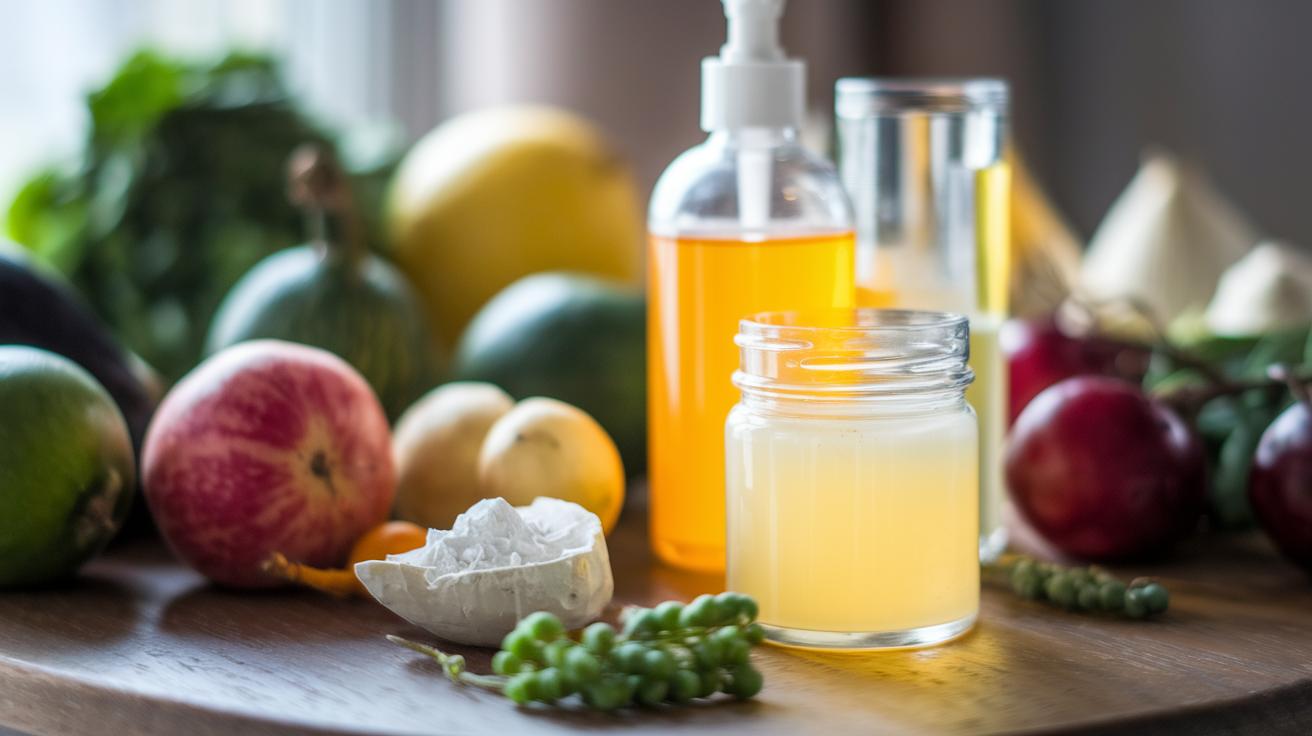
Have you ever wondered if your glowing skin has a secret hiding in your kitchen? Science tells us that a mix of nutrients like vitamins A, C, D, and E, along with zinc (a mineral great for repair) and Omega-3 fats (those protective, heart-healthy fats), can do more than just keep you healthy, they help you shine from the inside out.
When you fill your plate with whole foods that burst with these nutrients, your body sets the stage for a natural, fresh glow. Let’s explore together how each of these essentials works to light up your skin every day, creating a radiant look that feels as real as it looks.
Why Balanced Nutrient Intake Matters for Radiant Skin
When you fuel your body with the right mix of nutrients, your skin starts to glow naturally. Everyday vitamins like A, C, E, D, and the B-Complex help boost collagen and repair skin cells, think of them as little helpers keeping your skin in tip-top shape.
Minerals such as zinc and selenium work like tiny shields against damage from the environment, while Omega-3 fatty acids help strengthen the skin’s barrier by reducing inflammation. Ever notice how your skin feels softer when it's well-protected? That's the magic of these healthy fats in action.
Our skin completely renews itself roughly every 28 days, so keeping it hydrated is key. Since your skin is about 64% water, blending hydration with nutrient-rich foods creates a perfect recipe for radiance.
In short, a good balance of whole foods, antioxidants, and healthy fats not only hydrates your skin but also supports its natural repair process. Every day, they team up to keep your skin vibrant and healthy.
Vitamin Roles in Glowing Skin Renewal

Vitamins are the little powerhouses behind your skin’s constant renewal. They help cells rebuild, keep your skin feeling fresh, and make sure you look vibrant every day. Take vitamin A for example. It comes from beta-carotene (found in colorful veggies like carrots) and makes sure old cells are replaced by new ones, keeping your skin smooth. Vitamin C, which you can get from citrus fruits and berries, ramps up collagen production (that’s the protein that gives your skin a firm feel). Then there’s vitamin E that locks in moisture to keep your skin soft, even when the weather is harsh. Vitamin D helps refresh your skin’s outer layer and supports your skin’s natural defenses, while vitamin K works to lessen dark spots and minor bruising. And let’s not forget the B-complex vitamins, which energize cell repair and regeneration.
Each of these vitamins plays its own special role in making your skin look and feel great. For instance, vitamin A is like a gentle shift, saying, “Time for a change,” by replacing tired cells with healthier ones. Vitamin C is the busy builder that creates collagen to help keep your skin firm, fighting off everyday stress. Vitamin E acts like a protective barrier, sealing in moisture so your skin stays soft. Meanwhile, vitamin D is essential for renewing your skin’s protective layer and keeping its immune forces strong. Vitamin K, on the other hand, helps clear up dark spots and minor bumps. And the B-complex? It fuels your cells like a burst of energy to keep the cycle of repair going strong.
| Vitamin | Primary Skin Role | Key Dietary Sources |
|---|---|---|
| A | Cell turnover & sun protection | Sweet potatoes, carrots |
| C | Collagen boost & brightness | Citrus fruits, berries |
| E | Moisture lock & antioxidant | Almonds, sunflower seeds |
| D | Skin renewal & immunity | Fortified dairy, sunlight |
| K | Spot reduction & clarity | Leafy greens, broccoli |
| B-Complex | Energy for cell repair | Whole grains, legumes |
Together, these vitamins work like a dream team. They not only help produce new skin cells and lock in hydration but also protect your skin from everyday wear and tear. By giving your body a variety of nutrient sources, you’re taking a holistic approach to skin care. So, whether you’re enjoying a fresh salad or a vitamin-rich snack, you’re helping your skin shine with natural radiance and lasting glow. Truly radiant.
Mineral Intake for Glow Enhancement
Zinc is super important for helping your skin repair itself. It works to rebuild the skin’s barrier and supports healthy cell growth. Your skin’s outer layer has a lot more zinc than the deeper layers, which shows just how essential it is for keeping your skin strong. Enjoy foods like oysters, pumpkin seeds, and lean meats to give your skin the boost it needs.
Selenium acts like a natural shield against damage from UV rays. It’s a friendly antioxidant that fights off free radicals, the harmful bits that can cause stress and inflammation on your skin. Adding selenium-rich foods such as Brazil nuts, whole grains, and tuna can help keep your skin clear and resilient.
Copper is another little hero for your skin. It helps bring collagen and elastin together, which is key for tissue repair and boosting firmness and elasticity. Including copper sources like shellfish, nuts, and seeds in your meals can give your skin that natural lift and repair.
Iron is vital, too, because it delivers oxygen to your skin cells, something they need for a quick turnover and a fresh, glowing complexion. Foods like lean red meats, fortified cereals, and spinach pack plenty of iron, ensuring your skin cells get the oxygen they need to shine brightly.
Essential Fatty Acids & Protein for Skin Repair

Getting the mix of nutrients right can be a real game-changer for your skin. Think of it this way: aim for healthy fats to make up about 20–30% of your calories, while keeping saturated fats under 10%. And don’t forget protein, it delivers those amino acids (tiny building blocks that help form collagen and elastin) which keep your skin firm and smooth. This balance helps your skin stay hydrated, tough, and always ready to refresh itself.
Omega-3 & Omega-6 Fatty Acids
Omega-3s, found in delicious catches like salmon and tuna, work like a gentle shield for your skin. They boost your skin's natural barrier, ease inflammation, and lock in moisture. On the flip side, omega-6s, which you can get from a handful of nuts, play a big role in keeping your skin cells strong and intact. When these two work together, they create a soothing effect that eases irritation and keeps your skin glowing all day.
Protein for Collagen Synthesis
Protein is the unsung hero when it comes to skin repair. It supplies vital amino acids such as proline and glycine, key ingredients for building the collagen and elastin that your skin loves. Lean meats, beans, and legumes are fantastic sources to feed your skin’s repair process. By enjoying a protein-packed diet, you ensure your skin always gets the raw materials it needs to renew and reinforce its structure.
When healthy fats and proteins team up, your skin becomes firmer, more resilient, and ready to take on whatever the day brings.
Antioxidant-Rich Foods for Skin Defense
Antioxidants are little heroes that protect your skin by neutralizing free radicals, those tiny troublemakers that can dim your glow. They work quietly in the background to reduce inflammation and keep your skin looking youthful. Plus, they help balance out the effects of stress, ensuring your skin stays refreshed every day.
Berries, especially blueberries loaded with anthocyanins, are a tasty way to fuel your skin with antioxidants. Fun fact: just a handful of blueberries each morning might give your skin a natural boost. Enjoy them on their own or blend them into your favorite smoothie to keep your complexion vibrant.
Green tea is another skin-loving drink. Its catechins help fend off inflammation caused by UV rays, keeping your skin calm. Whether you sip it hot on a chilly day or iced during the summer, green tea is a refreshing way to add a natural dose of antioxidant care.
And then there’s dark chocolate, yes, you read that right! Dark chocolate with at least 70% cacao, paired with leafy greens rich in lutein and zeaxanthin, can improve your skin’s circulation and help protect it from the sun’s damage. This delicious combo supports a brighter, more balanced look.
Stick with these antioxidant-packed foods for a couple of weeks and you'll likely see your skin become more radiant and resilient. Keep it simple, keep it natural, and let your inner glow shine through every day.
Dietary & Lifestyle Strategies to Boost Skin Radiance
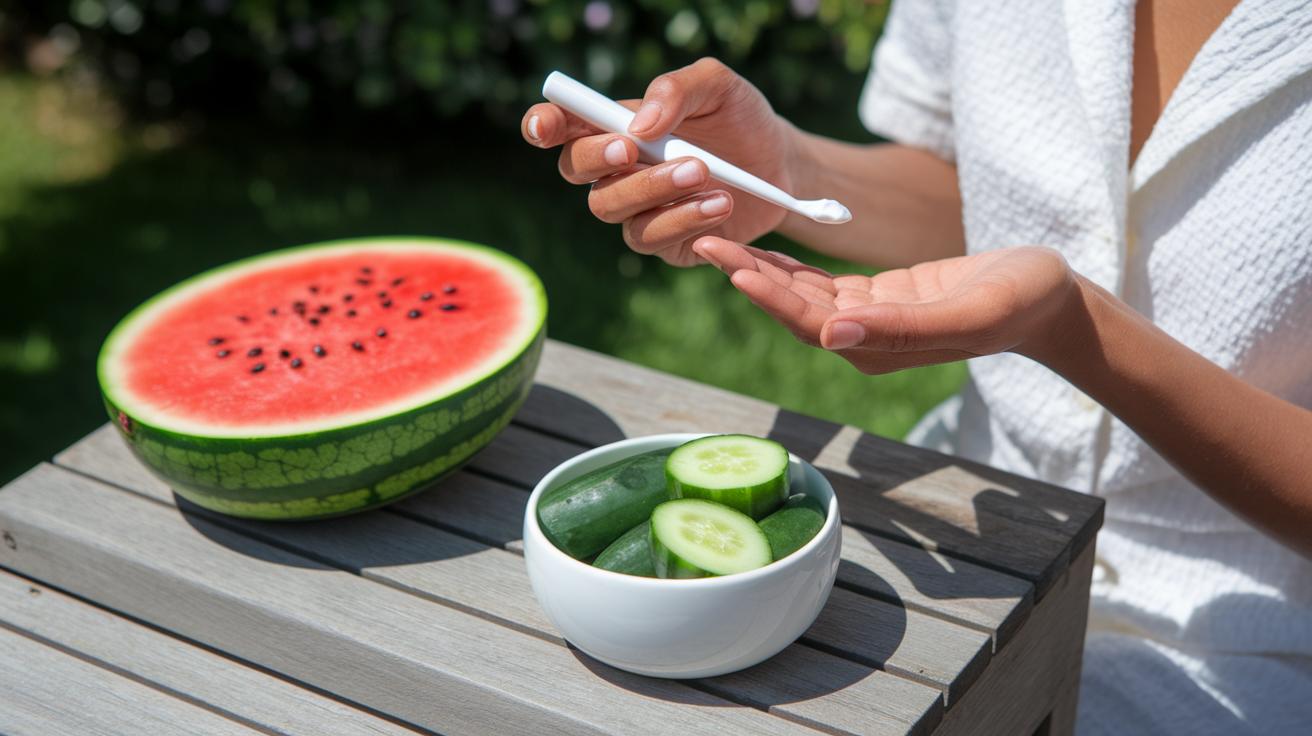
Keeping your skin happy starts with staying well-hydrated and eating clean. When you drink plenty of water and enjoy foods like juicy watermelon (about 92% water) or crisp cucumbers (nearly 96% water), you help your skin hold its natural moisture. And using an 80/20 rule, where most of your meals are fresh and natural with a little treat mixed in, gives your body the vitamins it needs to keep inflammation low and skin looking calm and bright. Ever tried dry brushing? It feels refreshing and helps boost your blood flow while letting go of dull skin cells.
Next, think about adding fermented foods or probiotics to your diet. A spoonful of yogurt, a bite of kimchi, or a warm bowl of miso can do wonders by supporting the healthy bacteria in your gut, which in turn can make your skin look clearer and even. Choosing natural, anti-inflammatory foods over processed ones is another smart move because it soothes internal inflammation, reducing redness and promoting a smoother skin texture. Pairing these food choices with a gentle facial massage can also help brighten your skin by delivering nutrients where they’re needed most.
And don’t forget about sleep and stress. Aim for 7–9 hours of sleep every night, this helps your skin repair itself and boosts collagen, which is key to keeping your skin supple. When you’re less stressed, your cortisol levels stay in check, which prevents your skin from looking tired or creased. Try unwinding with a bit of meditation or light stretching each evening. It not only relaxes your mind but also helps your skin glow.
Together, these small changes create a natural, balanced routine that makes your skin feel refreshed, vibrant, and truly luminous every single day.
Final Words
In the action of mixing smart nutrition with everyday habits, we saw how a blend of vitamins, minerals, fats, proteins, and antioxidant-rich foods keeps skin resilient and glowing. Each tip, from hydration boosts to mindful sleep routines, supports that natural radiance. With a little planning, you can refresh your routine, enjoy firmer texture, and harness nutrients essential for glowing skin. Step forward with confidence and look forward to a brighter, more luminous you.
FAQ
What are the best vitamins for glowing skin?
The best vitamins for glowing skin include A, C, E, D, and B-complex, which boost collagen production, aid cell turnover, and maintain moisture for a smooth, radiant complexion.
What are the seven most important nutrients for healthy skin?
The seven key nutrients for healthy skin combine vitamins, minerals, antioxidants, essential fatty acids, protein, water, and fiber to support cell repair, hydration, and a naturally luminous look.
How do skincare supplements aid in whitening and repair?
Supplements recommended by dermatologists, including vitamins C and E along with targeted antioxidants, help repair skin cells and even tone by reducing pigmentation and supporting natural renewal.
What should I eat for my skin to glow?
A balanced diet full of citrus, leafy greens, nuts, whole grains, and omega-3 fatty acids from fish delivers essential vitamins, minerals, and antioxidants to enhance skin hydration, repair, and overall glow.
Does B12 contribute to skin glow?
Vitamin B12 supports healthy cell function and energy metabolism, complementing other nutrients that work together to boost skin health, though it is not solely responsible for creating a glowing complexion.