
Ever notice your heart starts racing like crazy when something big is about to happen? That jittery feeling before stepping into the spotlight might seem scary, but it could be your secret strength calling. In our chat today, we’re going to uncover the triggers behind your butterflies and share a few simple ways to turn that nervous energy into real confidence. Ready to discover how a little stage fright can become your superpower?
What is Performance Anxiety?
Performance anxiety, or stage fright, is that jittery feeling you get when the pressure is on, whether you're speaking in front of a crowd, leading a meeting, or even just handling everyday tasks. It's like your mind starts doubting itself and your body reacts, making your heart race, your palms sweaty, and your thoughts bounce around like crazy.
This nervous energy usually springs from worries about not doing well, setting high expectations for yourself, or having had a rough experience before. Imagine a speaker so anxious before a presentation that even everyday tasks seem overwhelming. That’s performance anxiety in action.
Our bodies and minds team up in these moments. The stress can make you feel physically shaky and mentally distracted, just like when your favorite dress suddenly feels too tight. Recognizing these signs can help you understand that this isn’t just a temporary feeling, it’s a mix of your body's natural stress response and those nagging thoughts that sometimes get in your way.
When you notice these symptoms, it’s a good chance to try a few calming techniques, gradually building confidence with each step. Over time, you might find that what once held you back becomes a stepping stone to feeling stronger and more in control.
Causes and Triggers of Performance Anxiety
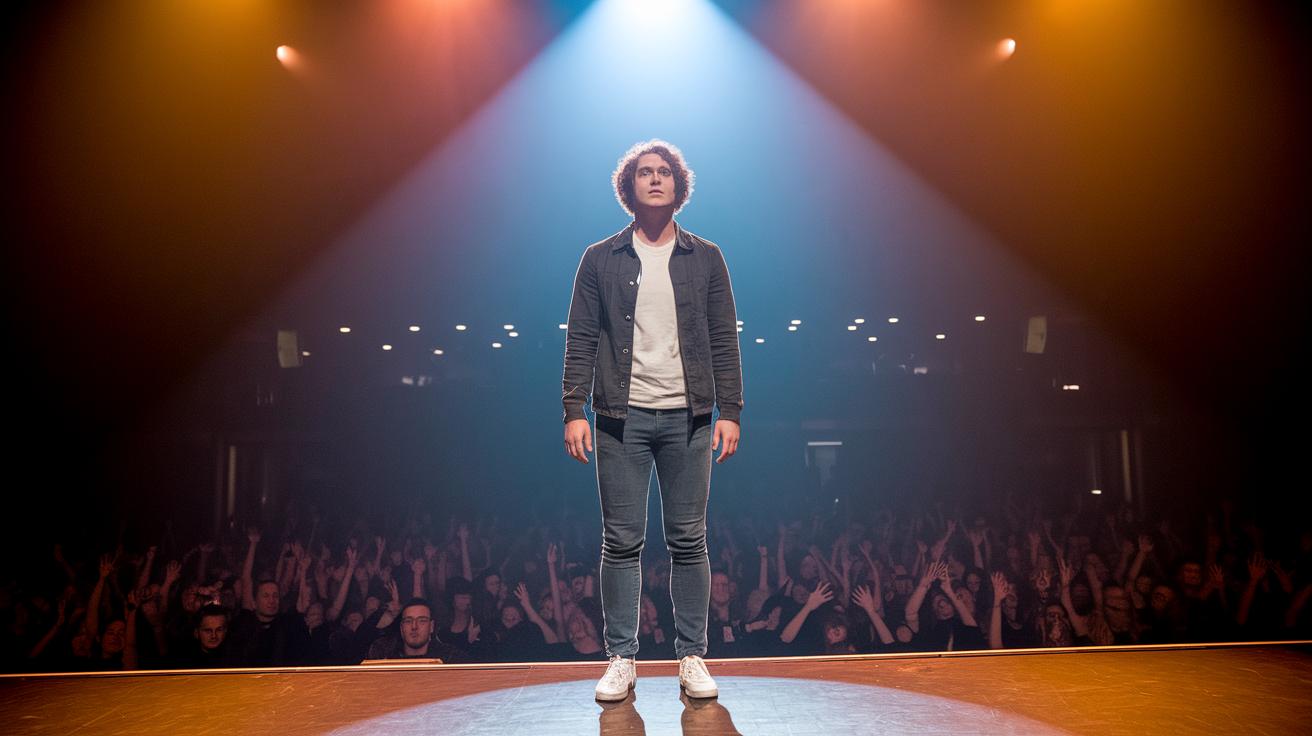
It all starts in your mind. Worries about failing, setting sky-high expectations for yourself, feeling down, or even past bad experiences can block your thoughts. And when you face a big moment, that inner critic cranks up its volume, kind of like fretting over a blurry selfie before you even smile.
Meanwhile, your body jumps into action by releasing stress hormones like cortisol (a stress hormone) and adrenaline (an energy booster). This makes your heart race and your senses go on high alert, turning everyday pressures into intense moments. Whether it’s an audition, a live presentation, or a competitive sports event, these situations can kick off a cycle of anxiety that’s hard to break.
So, events that often trigger this feeling include:
- Speaking in public
- Tough auditions
- Big sports games
- Nerve-wracking job interviews
- Important academic presentations
Recognizing Signs of Performance Anxiety in High-Pressure Situations
When you're in the spotlight, you might feel your heart pounding, notice a little sweat forming, and sense your muscles tighten. It happens whether you're about to speak in front of a group, giving an academic presentation, or competing in a big game. Each situation brings its own mix of feelings, like stage jitters, a bout of nausea before an interview, or a racing mind at a crucial moment.
| Context | Common Symptoms |
|---|---|
| Public Speaking | A fast-beating heart, sweaty skin, and distracting thoughts |
| Academic Presentations | Tense muscles, a racing mind, and nervous energy |
| Athletic Competitions | Jitters, stiff muscles, and trouble concentrating |
• Notice these signals early
• Remember that each situation can feel different
By keeping an eye on these cues, you can decide when it’s the right moment to take a deep breath, relax a bit, or use a grounding technique to bring back your focus.
Effective Techniques to Reduce Performance Anxiety

Relaxation Exercises
Ever feel your heart race when stress hits? Start by taking some deep, soothing breaths. Try the 4-7-8 method: breathe in through your nose for 4 seconds, hold that breath for 7 seconds, then slowly exhale for 8 seconds. This simple exercise calms your pulse and eases tension. Next, check out progressive muscle relaxation. Simply tense a muscle group (like clenching your fists tightly) for a few seconds, then let go and feel the difference as the tension melts away.
Mindfulness Strategies
Sometimes, just being present can do wonders. Sit quietly for a minute and take in your surroundings, the gentle play of light on a surface or even the distant murmur of traffic. This grounding moment can break the loop of swirling anxious thoughts. Looking for more ideas? Try exploring a few simple mindfulness moves at home to bring a little more peace into your day.
Visualization and Mental Rehearsal
Boost your confidence by picturing success. Imagine every step of your performance with clear, calm detail, feel that inner calm, hear supportive words in your mind, and savor the satisfaction at the end. Mental rehearsal is like a practice run for your brain, setting you up with a positive script to follow when the pressure's on. Picture, for example, a performer confidently hitting every note, leaving the crowd inspired. This visual playbook can be a game changer when nerves start to kick in.
Professional and Medical Treatments for Performance Anxiety
Cognitive Behavioral Therapy (CBT) is a popular way to turn those nagging negative thoughts around. It uses a method called cognitive restructuring, which is just a fancy way of retraining your inner critic, to swap out self-doubt for uplifting messages that boost your confidence. Many people find comfort in professional counseling or support groups, where they get tailor-made advice and the chance to share experiences with others.
When your nerves spike right before a big moment, beta-blockers might just be the trick you need. For instance, medications like propranolol help slow down that rush of adrenaline, which means less shaky hands and fewer racing thoughts. Usually, taking 10 to 40 mg about an hour before your performance can keep those physical symptoms in check. But keep in mind, sometimes these medicines can leave you feeling a bit tired or dizzy.
If you ever feel overwhelmed during high-pressure events, these approaches can help manage both your mind and body. Experts recommend mixing therapy, peer support, and, if it feels right, a timely dose of medication to strike a balanced approach. This way, you can ease your stage nerves and perform your best even when the pressure is on.
Building Confidence and Mental Preparation for Performances

When you're getting ready for something big, breaking a huge task into smaller, clear steps is a real game-changer. Imagine preparing for an important talk by writing down your key points first and then outlining your ideas bit by bit. This tactic lightens the load and helps ease that pressure.
Practice works like magic on nervousness. By going over your routine again and again, you start to know your material inside out, calming those jittery feelings. Try telling yourself, "Every run-through makes me sharper today." That little boost of positive self-talk can really do wonders. And if you add in some journaling, pen down affirmations like "I can do this" before you step on stage, it becomes an easy way to kick self-doubt to the curb.
Shifting to a growth mindset can flip your focus from fearing mistakes to getting excited about sharing your talents. Here are some simple, friendly tips to keep in mind:
| Tip | What It Means |
|---|---|
| Break It Down | Split big tasks into easy, manageable steps. |
| Keep Rehearsing | Run through your routine many times until it feels natural. |
| Journal Positivity | Write affirmations to remind yourself of your strength. |
| Reflect on Wins | Think about your past successes for that extra boost. |
Sticking to these habits means every performance turns into a moment of feeling well-prepared, confident, and truly ready to shine.
Navigating Performance Anxiety in Intimate Settings
Performance anxiety isn’t just something performers face, it can pop up during intimate moments too, making you feel uneasy about connecting with your partner. When you start to feel self-conscious or notice a dip in your arousal, remember that it’s a natural reaction to stress. Instead of letting worry take over, try calming your mind with some easy relaxation techniques, like taking slow, deep breaths before getting close.
Talking openly makes a big difference. Let your partner know what's going on instead of keeping your nerves bottled up. A simple, honest remark like, "I’m feeling a bit anxious right now" can help lighten the mood and invite understanding. By sharing your feelings, you create a safe space for both of you, turning the focus from performance worries to the beauty of being together.
Final Words
In the action, we explored the ins and outs of performance anxiety, from its clear definition and physiological signs to its psychological roots and common triggers. We broke down useful self-help techniques like deep breathing, mindfulness, and visualization, while also diving into professional treatments that might help shift nerves into confidence.
We wrapped up with tips on building mental readiness for high-pressure events and even discussed easing anxiety in intimate settings. Embracing these steps can help you manage performance anxiety and make every moment count.
FAQ
What does a performance anxiety book cover?
A performance anxiety book covers causes, symptoms, and coping strategies like relaxation techniques, mindset shifts, and cognitive tips to help ease stage fright and build confidence.
How is performance anxiety treated?
Performance anxiety treatment involves self-help techniques such as deep breathing or muscle relaxation, cognitive therapy, and sometimes medications like beta-blockers to reduce stress and calm nerves.
What are common performance anxiety symptoms?
Performance anxiety symptoms often include a racing heart, sweaty palms, jitteriness, and distracting thoughts that can make public or professional tasks feel overwhelming.
How does performance anxiety affect men?
Performance anxiety affects men by triggering physical reactions like fast heartbeat and shaking, while also causing negative thoughts that can be managed with relaxation and confidence-boosting techniques.
What role does medication play in managing performance anxiety?
Medications like beta-blockers help manage performance anxiety by reducing adrenaline’s impact, easing physical symptoms, yet it’s essential to consult a doctor about proper usage and any side effects.
What insights do Reddit discussions offer about performance anxiety?
Reddit discussions offer personal experiences and peer advice for coping with performance anxiety, sharing effective tips and community support to navigate high-pressure moments and stage fright.
How can one break the cycle of performance anxiety?
Breaking the cycle of performance anxiety includes practicing relaxation exercises, mental rehearsal, and resetting negative thought patterns with effective cognitive strategies for a calmer performance.
How does performance anxiety show up at work?
At work, performance anxiety may appear as nervousness during presentations or meetings, with symptoms like racing heart and distraction, which can be managed by preparation and stress-reduction techniques.
What is the cause of performance anxiety?
Performance anxiety is caused by fears of failure, unrealistic self-expectations, and negative past experiences, all of which trigger physical stress responses and overwhelming nervousness.
What is the 3-3-3 rule for anxiety?
The 3-3-3 rule for anxiety involves naming three objects, listening for three sounds, and taking three deep breaths to help ground your thoughts and reduce anxiety in stressful moments.
Is performance anxiety linked to ADHD?
Performance anxiety is not a core symptom of ADHD, though individuals with ADHD may experience extra nervousness under pressure, sometimes overlapping with heightened anxiety symptoms.

