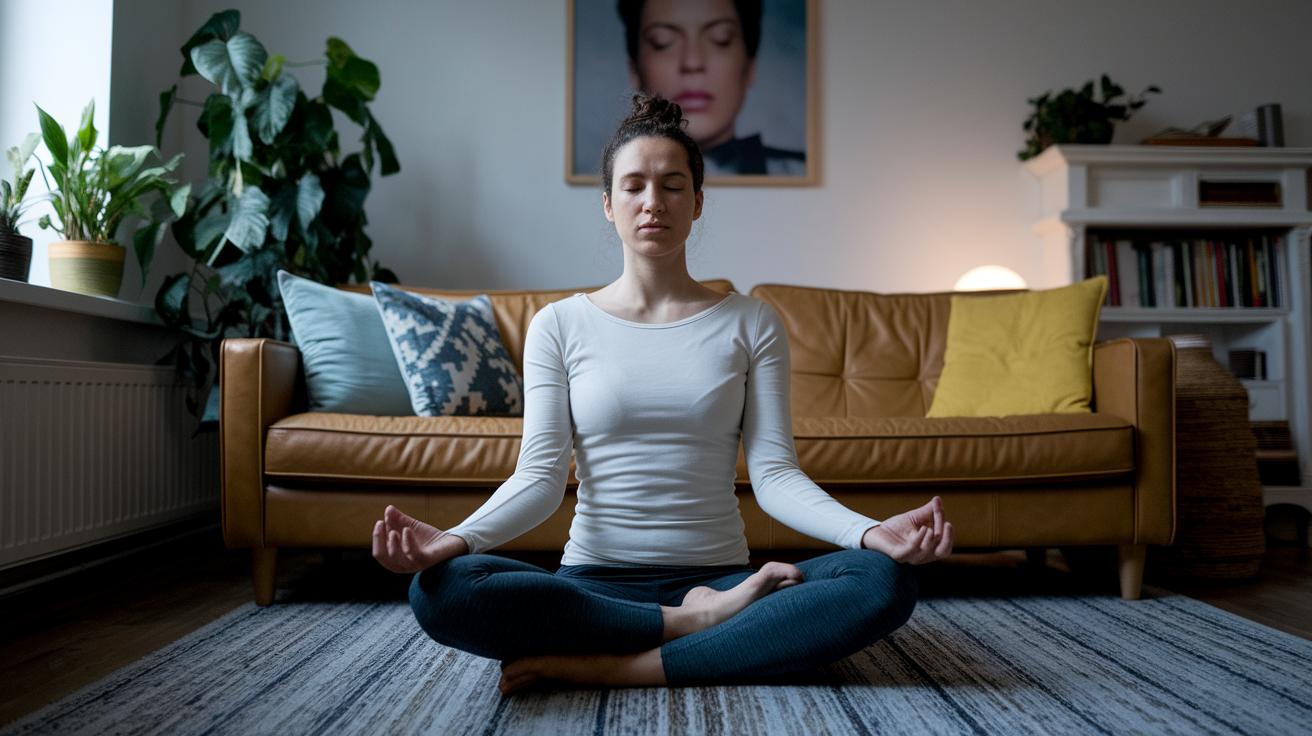
Ever notice how a few quiet moments can really change your day? When you set aside a little time for yourself, taking deep, soothing breaths or scribbling down your thoughts, you give your day a little boost. These small acts work like secret power-ups, easing your stress and brightening your mood.
Today, let's see how slipping tiny self-care moments into your routine can clear your mind and fill you with energy to take on whatever comes your way.
Guide to Practice Self-Care Fundamentals
Self-care is all about taking charge of your mental, physical, and emotional well-being. It means carving out little daily rituals, like five slow, deep breaths at dawn, that help calm your body and give you the energy to tackle whatever the day throws your way.
When you add a few moments of journaling, meditation, or deep breathing to your routine, you’re building a habit that nourishes you from the inside out. These small actions not only melt away stress but also boost your confidence and sharpen your focus, making even an ordinary day feel a little brighter.
Taking a break for yourself, even if it’s just for a few minutes, can have a lasting impact on your mood and energy. By treating these moments as essential parts of your day, you’re laying the groundwork for a stronger, more balanced you. And isn’t that something to smile about?
Building Your Daily Self-Care Routine

Carve out 15 to 30 minutes each day just for you. It’s like a mini escape that not only lifts your spirits but also melts away stress. Whether you’re meditating, scribbling in a journal, or enjoying a bit of stretching, these moments help you feel refreshed and happy. Over time, these little rituals naturally weave into your daily life, boosting both your mood and well-being.
Imagine slipping in a tiny break amid the hustle, just a few minutes devoted solely to you. It’s a simple way to recharge, nurture creativity, and maintain balance. Plus, mixing quick pauses with planned activities like a brisk walk or a light workout makes your whole day feel a bit more vibrant and centered.
Here’s an easy roadmap to get started:
| Step | What to Do |
|---|---|
| 1 | Pick a regular time each day just for self-care |
| 2 | Choose 2-3 activities like meditation, journaling, or stretching |
| 3 | Set reminders in your planner so you don’t miss out |
| 4 | Keep a checklist to track your journey |
| 5 | Adjust your routine as needed, flexibility is key |
| 6 | Celebrate each small victory along the way |
Play around with these steps until they feel just right for you. A steady self-care routine not only wards off burnout but also builds lasting habits that feed your creativity and calm. Even a few minutes of just being with yourself can turn an ordinary day into something a little more magical and balanced.
Emotional Wellness Strategies in Self-Care
Taking care of your emotions is an easy way to manage everyday stress and brighten your mood. Even a quick 5–10 minute session of journaling or saying a positive affirmation like “I am capable and strong” can lift your spirits fast. It might seem simple, but these small habits are like little power-ups for your day.
Mindfulness and deep breathing are also great buddies in calming your mind. Imagine sitting quietly, taking a slow, deep breath in the way you fill up a balloon, and then gently letting the air out. This easy pause can feel like a magic reset button that clears away tension and helps you feel centered.
Regularly using these stress relief tricks builds up your inner strength bit by bit. Each mindful moment you carve out helps you handle daily pressures a little better. Even on challenging days, a few minutes of self-kindness can set a soothing tone that lasts, giving you the strength to face whatever comes your way.
Physical Self-Care Techniques to Boost Health
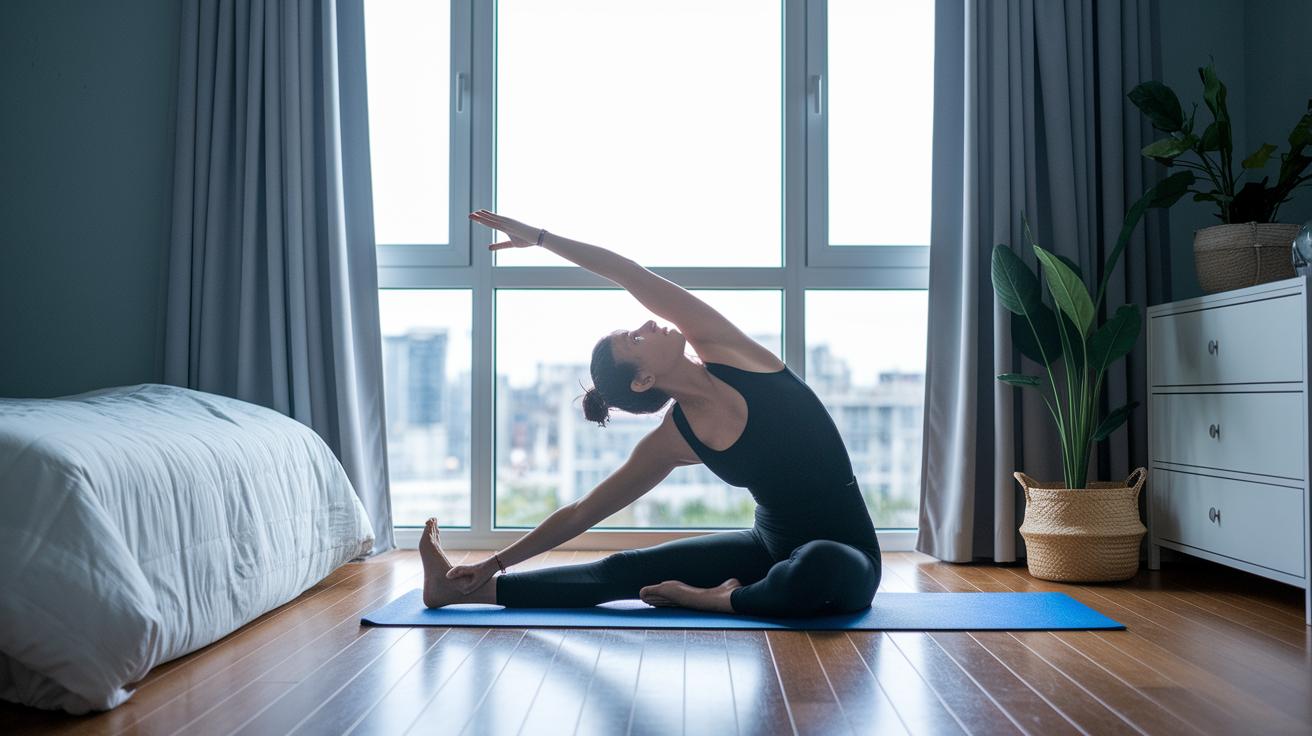
Taking care of your body is the first step to having a clear mind and a balanced mood. When you make sure to get 7–9 hours of sleep, you give your body time to rest and recover. Think of sleep hygiene as setting up a quiet, distraction-free space so you wake up feeling like you’ve been fully recharged, just like your phone after a long night.
A little bit of exercise can go a long way, too. Whether you opt for a brisk walk or a gentle yoga session, spending 15–30 minutes on physical activity each day helps lower stress and strengthens your heart. It’s like hitting the reset button, whispering, “You got this!” to your body.
Eating well is key as well. Enjoying meals that are packed with nutrients is like fueling up with top-quality gas for your car. Each well-balanced meal helps you think more clearly and work at your best. And don’t forget to sip on water every few hours to boost focus and fight off fatigue.
Adding in a few minutes of gentle stretching during your day can also lift any built-up tension and keep your body feeling smooth and relaxed. These small moments of self-care can ease stiffness and bring a little calm during busy times. Here’s a quick look at some top physical self-care techniques to try:
| Technique | Duration | Benefit |
|---|---|---|
| Sleep Hygiene | 7–9 hrs/night | Restores energy |
| Light Exercise | 15–30 min/day | Reduces stress |
| Balanced Meal | Per meal | Enhances clarity |
| Hydration Break | Every 2 hrs | Boosts focus |
| Gentle Stretch | 5–10 min | Relieves tension |
Mental Clarity Through Mindful Self-Care Practices
Try mixing in a short movement break to help refocus your thoughts. Instead of always doing seated meditation, switch it up and take a mindful walk. For example, spend five minutes strolling outside, really feeling the ground under your feet and letting every step help clear your mind.
Recent studies show that even a brief pause can lower your stress hormones. So, instead of sticking with the same breathing routine, why not try a quick visualization? Sit comfortably, close your eyes, and picture a calm lake where gentle ripples soothe your tension. It’s a simple way to boost your focus and energy.
Blend these mini-breaks with your regular mental health self-care tips (self care tips for mental health) to build a balanced routine that supports your well-being.
Practice Self-Care Brightens Everyday Life
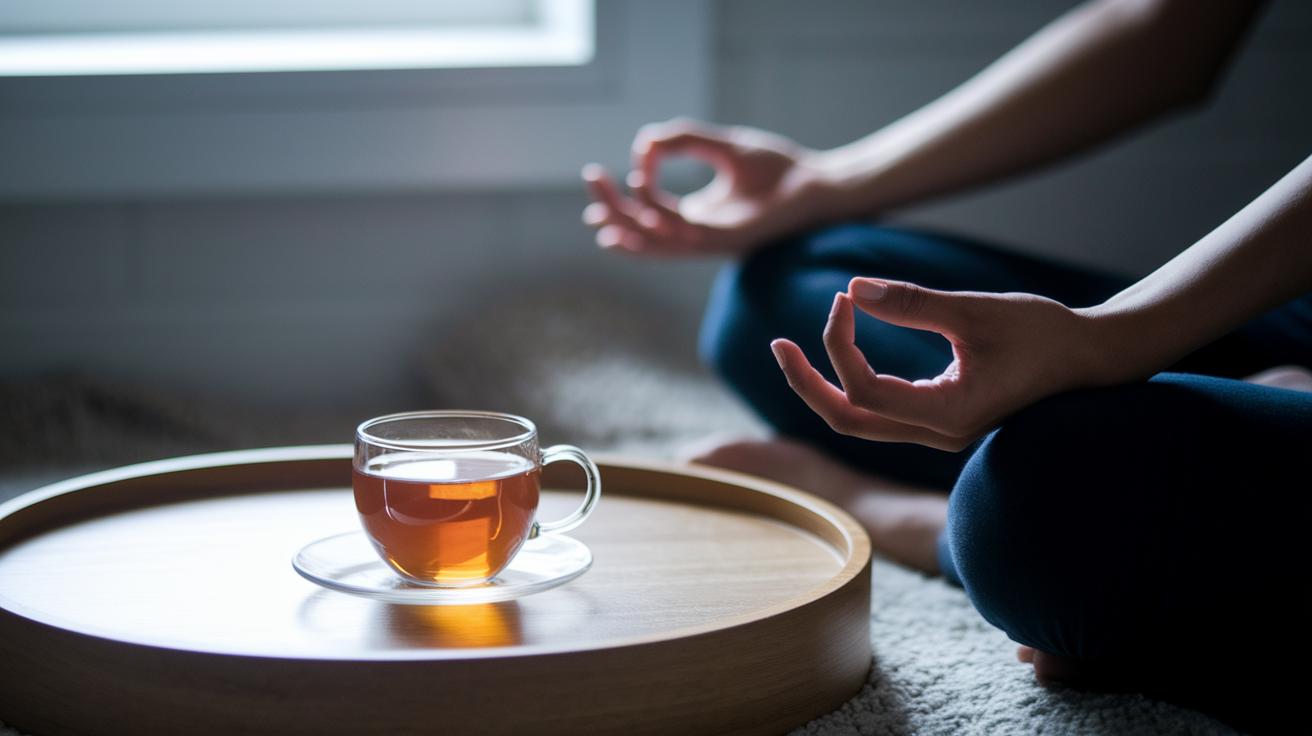
Sometimes, just a few mindful moments can change your entire day. Research shows that even one or two minutes of deep breathing or stretching can clear your mind and brighten your mood, imagine pausing for a quick breath reset and watching your stress melt away.
Try to sneak in these mini breaks between your tasks. A short timer can act as a gentle reminder to stop, breathe, and keep your energy high.
In the evening, take a few minutes for yourself, maybe with a warm cup of tea or sitting quietly in a cozy corner. This little reflection can offer fresh insights into your progress, letting you adjust your routine for an even better tomorrow.
Long-Term Self-Care Habits for Lasting Wellness
Taking care of yourself isn’t just about momentary fixes, it’s about building everyday habits that stop burnout in its tracks. Think of pairing a brisk walk with a healthy snack; these small actions add up to a routine that keeps you energized day after day.
Over time, sticking to your self-care habits builds a kind of resilience. Quick moments of movement or a few mindful breaths can easily join forces with bigger changes, like signing up for a weekly yoga class or setting aside a few minutes for quiet reflection. These little rituals don’t just lower stress, they lift your mood and sharpen your focus, gently shifting your mindset toward lasting wellness.
Sometimes, a bit of extra support makes all the difference. Whether it’s chatting with a trusted mentor or joining a self-care group, regular check-ins help you navigate setbacks and celebrate every bit of progress. Imagine it like caring for a garden: a little watering every day helps your favorite blooms thrive, slowly turning your life into a vibrant oasis.
By blending fast stress relief with habits that last, you create a routine that feels both doable and deeply rewarding. Each mindful choice you make helps prevent burnout and fills your life with steady energy and genuine joy.
Final Words
In the action, you’ve gathered clear steps to practice self-care and build a rich routine that nurtures your mind, body, and spirit. The article broke down ways to weave self-care into daily plans, from setting time for light exercise and meditation to using quick emotional reset techniques.
Each tip is a small move toward a refreshed outlook and a balanced lifestyle. Keep embracing these insights and let them spark continuous positivity in your life.
FAQ
What does practicing self-care mean and why is it important?
Practicing self-care means actively taking steps—like sleep, meditation, or exercise—to keep your mind, body, and emotions balanced. It helps reduce stress, boost energy, and support overall well-being.
What are some practical ways to practice self-care?
Practical self-care can involve daily meditation, journaling, stretching, or short breaks during your day. These exercises help clear your mind, decrease tension, and keep you energized.
What are the top self-care tips for a daily routine?
Top self-care tips include setting aside 15–30 minutes for mindful practices, planning healthy meals and sleep, and incorporating light exercise. This routine builds habits that improve mood and productivity.
What are the core pillars and C’s of self-care?
The core pillars of self-care cover physical, mental, emotional, spiritual, social, occupational, and environmental aspects, while the 4 C’s remind you to focus on calm, clarity, connection, and creativity.
How do emotional and mental self-care practices benefit overall health?
Emotional and mental self-care like journaling and meditation help calm your stress responses, improve focus, and boost your mood, which supports clearer thinking and a balanced daily life.