
Ever wish those stubborn dark spots would just disappear? I get it, sometimes they sneak in and steal your natural sparkle. You deserve skin that feels as vibrant and fresh as your mood on a sunny day.
Lucky for you, there are lots of gentle solutions to help brighten your skin. Think of mild creams loaded with special ingredients and natural remedies like aloe or apple cider vinegar (a tangy, natural boost). Every step, whether it’s a favorite daily serum or a professional treatment, brings you closer to that radiant glow you deserve.
Imagine the joy of clear, healthy skin that makes you feel confident every time you look in the mirror. Isn't that a wonderful thought?
Proven Strategies for Removal of Black Marks from Your Face
If you're dealing with dark spots from acne or hyperpigmentation, you know how much they can affect your confidence and overall look. But there are several gentle and effective ways to help even out your skin and bring back that radiant glow.
• Topical actives: Try using creams with 2% hydroquinone. This ingredient works by reducing melanin production (the pigment that makes spots dark), which slowly fades discoloration over time.
• Vitamin C serums: A daily dose of vitamin C not only brightens your skin with antioxidants but also helps boost collagen to create a smoother, more uniform tone.
• Aloe vera gel remedy: Massage pure aloe vera onto your skin and let it sit for about 30 minutes, twice a day. It gently exfoliates and soothes while lightening those stubborn spots.
• Apple cider vinegar toner: Dilute apple cider vinegar with equal parts water and use it as a toner. With regular use, it can help diminish dark spots naturally.
• Professional procedures: For a deeper approach, consider options like chemical peels, laser therapy, microdermabrasion, or microneedling. These treatments work by removing or remodeling the top layers of your skin, revealing a clearer look.
• Preventive steps: Always include SPF 30 in your daily routine. This shields your skin from further sun exposure, which can make dark spots worse.
Combining these strategies makes a big difference. For example, while your vitamin C serum brightens your complexion day by day, an occasional chemical peel can clear away built-up dead skin to tackle deeper discoloration. Just remember, consistency is key and protecting your skin with SPF helps keep that even, radiant glow you've been working toward.
Understanding the Root Causes of Facial Discoloration and Black Marks
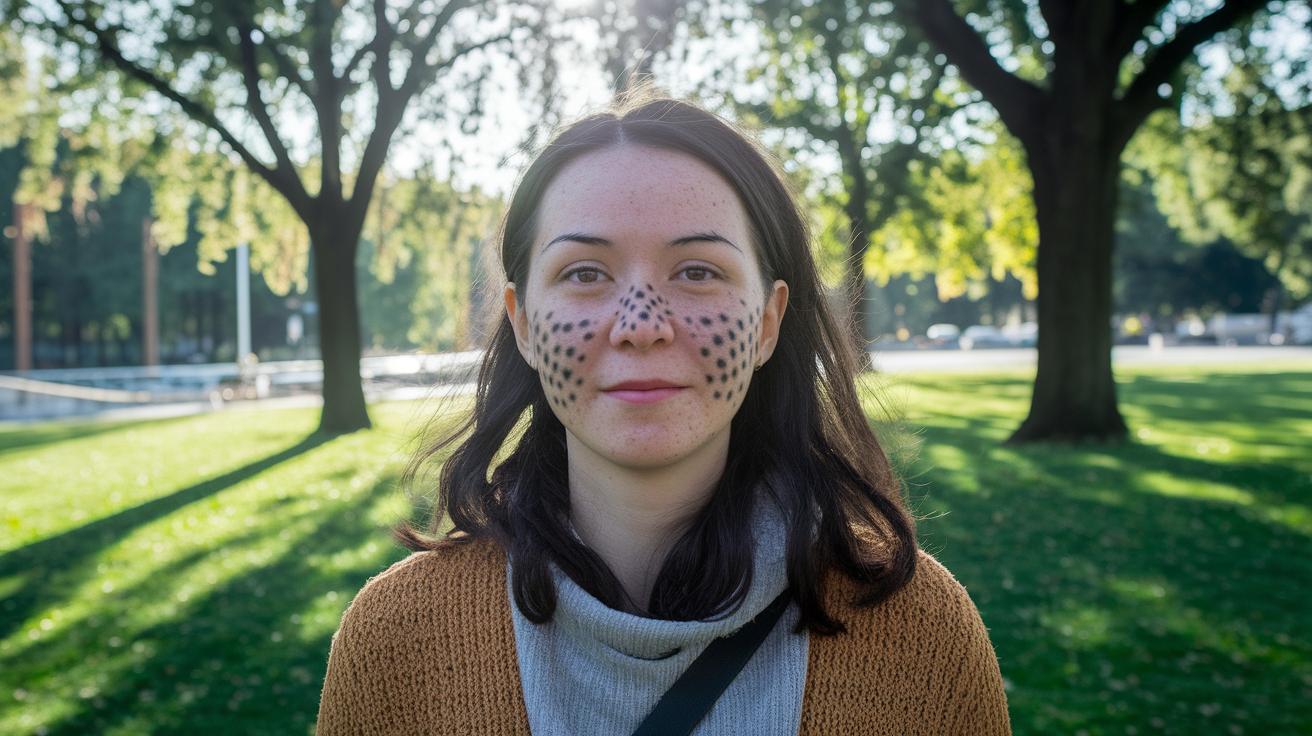
You know how melanin gives your skin its natural color? Sometimes, though, it goes a bit overboard. That’s when those annoying dark marks and age spots show up. It's kind of like when a friend who’s usually charming decides to steal the limelight unexpectedly.
Sun exposure, acne scars, and the natural aging process are the usual suspects. When you’re out in the sunshine, UV rays nudge your skin to produce extra melanin. This extra burst of pigment is most common on your cheeks, forehead, and other sun-kissed areas. And if you’ve ever battled acne, you might notice some stubborn dark patches stick around even after your breakouts clear up. As time goes by, your skin’s ability to shed pigmented cells slows down, letting those spots linger. Plus, hormonal changes can also kick in, adding to the mix with extra patches of darker skin.
Figuring out exactly what’s causing your dark marks is a key first step before you choose a treatment. Knowing whether the marks are from too much sun, leftover acne scars, or simply the effects of aging helps you pick an approach that’s just right for your skin.
Topical Treatments for Dark Blemish Correction
Choosing the right treatment for dark spots is a lot like picking that perfect accessory for your outfit, it all has to work in harmony to make you shine. Whether you go with an over-the-counter serum or a prescription cream, knowing the active ingredients and how to use them properly can really help fade those blemishes. Ever notice how a thoughtful touch can transform your overall look? That’s exactly what the right treatment can do for your skin.
| Ingredient | Mechanism | Usage Recommendation |
|---|---|---|
| Hydroquinone (2%) | Stops melanin production | Apply once daily for 8–12 weeks |
| Vitamin C | Brightens with antioxidant power | Use every morning under SPF |
| Retinol | Boosts cell turnover | Begin with 2–3 nights per week |
| AHA (Glycolic Acid) | Gently exfoliates old cells | Apply 1–2 times per week |
| BHA (Salicylic Acid) | Pores deeply for clearer skin | Use 1–3 times per week |
Mixing these active ingredients can really boost your skin’s glow, but it’s best to introduce them slowly so your skin doesn’t get irritated. Try patch testing a small area first, kind of like taking a tiny sip of a new smoothie to make sure you like the flavor. Using vitamin C in the morning and saving retinol for nighttime can offer balance while keeping your skin calm. A little patience and care goes a long way toward a smooth, radiant look every day.
Natural DIY Remedies for Facial Pigmentation Reduction
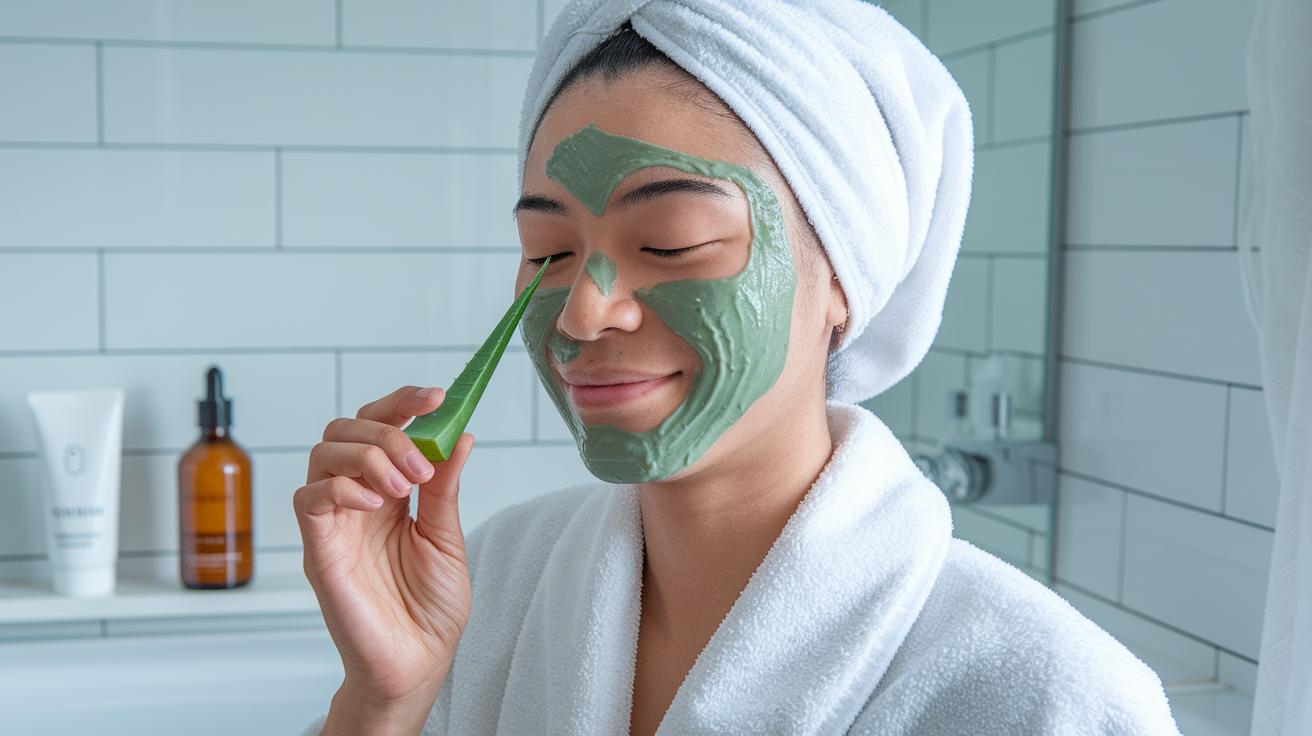
Aloe Vera Gel Application
Hey there, try using pure aloe vera gel for a natural skin treat. Gently apply a light layer over your face and let it work its magic for about 30 minutes, twice a day. This soothing gel not only calms your skin but also helps exfoliate it ever so lightly, think of it like giving your face a mini spa moment. And if your skin's on the delicate side, test it on a small patch first, just as you’d sample a bite of something new.
Apple Cider Vinegar Toner
Mix equal parts apple cider vinegar and water to whip up a refreshing, all-natural toner. Simply dab it on with a cotton pad as part of your daily routine. It’s like a cool splash of water for your face that helps reduce dark spots. Remember, proper dilution is key if your skin tends to be sensitive, so take it easy on the mix.
Turmeric Rice Water Mask
For a brightening boost, mix 1 teaspoon of turmeric with 2 tablespoons of rice water until you get a smooth, vibrant mask. Spread it evenly over your skin and let it sit for about 10 minutes before thoroughly rinsing off. This mask combines turmeric’s natural brightening power with rice water’s calming touch. Just a heads-up: turmeric might give a temporary tint, so a quick patch test on a less visible spot is a smart move.
Papaya Enzyme Peel
Give your skin a natural lift by gently rubbing the inside of a raw papaya peel onto your face. The enzymes in the papaya work to break down dead skin cells, leaving your complexion looking refreshed and brighter. If you have sensitive skin, use a very light touch and test on a small area first to avoid any surprises.
Professional Procedures and In-Office Spot Fading Solutions
When dark spots stick around despite your best at-home efforts, a dermatologist is there to help. They’ll guide you to a treatment that suits your skin perfectly, whether that’s a gentle chemical peel or a precise laser therapy session. It’s all about getting safe, visible results that let your natural beauty shine through.
Chemical Peels
A chemical peel is like a mini reset for your skin. A special blend of acids is applied to help shed the old skin over about a week. Most folks have between one and three sessions, with a few weeks in between. You might notice some redness and light peeling – that’s a good sign that the treatment is breaking up old pigment so new, fresh skin can appear.
Laser Therapy
Laser therapy targets dark spots by using focused light to break up the unwanted pigment. Usually, you’ll need about three to five sessions spaced a few weeks apart. The downtime is very short, often just a day or two of a little redness. This makes it a popular choice for those who want quick, pinpoint treatment for stubborn spots.
Microneedling
Microneedling uses a tool with tiny needles to create small, controlled bumps on your skin. These micro-injuries boost collagen (the body’s natural structure-building protein) and help even out the pigmentation. Generally, people try three to six sessions, each with a short recovery period of a couple of days. Beyond fading dark marks, it also gives your skin a smoother, firmer feel.
Microdermabrasion
Microdermabrasion gently buffs away the top layer of skin with a controlled crystal abrasion technique. It usually takes about four to six sessions to see a real difference, and the best part is that downtime is minimal, sometimes even non-existent. This method is perfect for anyone looking for a noninvasive way to gradually smooth skin and reduce discoloration.
Preventive Practices and Skin Tone Brightening Secrets
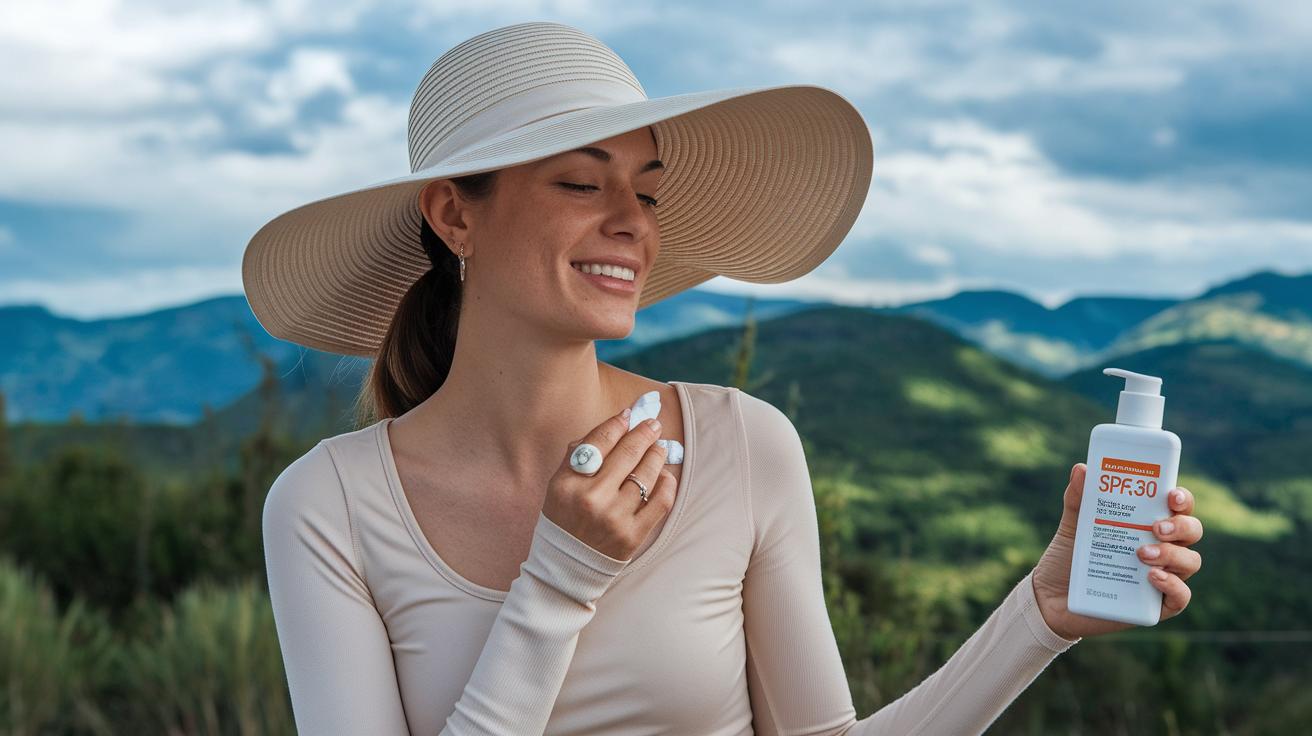
When it comes to protecting your skin, sunscreen is your best friend. Use SPF 30 or higher every day, no excuses. And when you’re out in the sun, reapply every couple of hours. It’s just like giving your skin a little shield, plus, adding a wide-brim hat and some protective clothing can really help keep harmful rays away. These habits not only keep your natural glow intact but also help stop dark marks from getting worse.
Don’t forget about antioxidants, either. Adding a vitamin C serum or a splash of green tea extract to your routine can be a game changer. These ingredients work like little warriors against free radicals (those pesky molecules that cause damage). They help maintain an even skin tone and reduce the risk of sun-induced discoloration.
A gentle exfoliation can do wonders as well. Once a week, use a mild exfoliator to sweep away dead skin cells. Think of it as a light, refreshing scrub that preps your skin for moisture and antioxidants. Exfoliating at night works great because it lets your skin repair itself while you sleep, leaving you with a smoother, more uniform complexion the next day.
Minimizing Risks and Ensuring Safe Fading of Facial Marks
When you're trying out new treatments to lighten facial marks, it’s wise to take it slow. Overdoing it with exfoliation can irritate your skin or even lead to darker patches later, something no one wants. At-home chemical peels might give your skin a little boost, but they can also increase sensitivity, particularly if you have deeper skin tones.
Powerful ingredients like hydroquinone (a brightening ingredient) and retinol (a vitamin A derivative that helps renew skin) need a little extra care. Always do a patch test first and start with a lower concentration, then build up gradually. Following the product instructions carefully can keep your skin calm and avoid any nasty surprises.
Even if a treatment is gentle, it's best to ease into it. If you notice redness or discomfort, take a break and rethink your routine. Sometimes a quick call to your dermatologist is a good idea, they can help you find the right balance in frequency and strength for your skincare routine. This careful approach not only helps fade those post-pimple marks but also keeps you on track toward smooth, even-toned skin.
Final Words
In the action of erasing dark marks, you have a mix of solutions at your fingertips. Topical treatments, DIY remedies, and professional procedures all play a role. Each method, from a brightening serum to a gentle peel, brings you closer to smoother, even skin. Daily steps like applying SPF help support your goals. Combining these strategies makes removal of black marks on face feel entirely achievable, making every effort count toward a more confident, chic lifestyle.
FAQ
How can you naturally remove spots from your face fast at home?
The natural approach uses remedies like aloe vera, apple cider vinegar, and turmeric masks applied consistently to help lighten spots in as little as 2–3 days.
How can dark spots, including black marks caused by pimples, be removed quickly?
Quick fading often involves targeted topicals such as vitamin C serums, gentle exfoliation, and even home treatments that work over days to reduce marks from acne.
How do you treat dark spots on your face overnight or within three days?
Fast results can be achieved by using concentrated remedies like a potent vitamin C blend or gentle chemical peels, though noticeable change may still take a couple of days with proper care.
Can dark spots on the face be removed permanently, and what does a dermatologist offer?
Permanent removal depends on consistent treatment; dermatologists can offer procedures like chemical peels, laser therapy, or microdermabrasion to significantly fade dark spots over time.
What should you do about a sudden black spot on your skin?
Observing changes in a sudden dark spot is key, and seeking professional advice may be needed to rule out any concerning conditions while starting gentle topical treatment.
What is the best dark spot remover for your face?
The ideal remover blends active ingredients like vitamin C or retinol with sun protection, but the best choice depends on your unique skin type and concerns, often guided by professional advice.