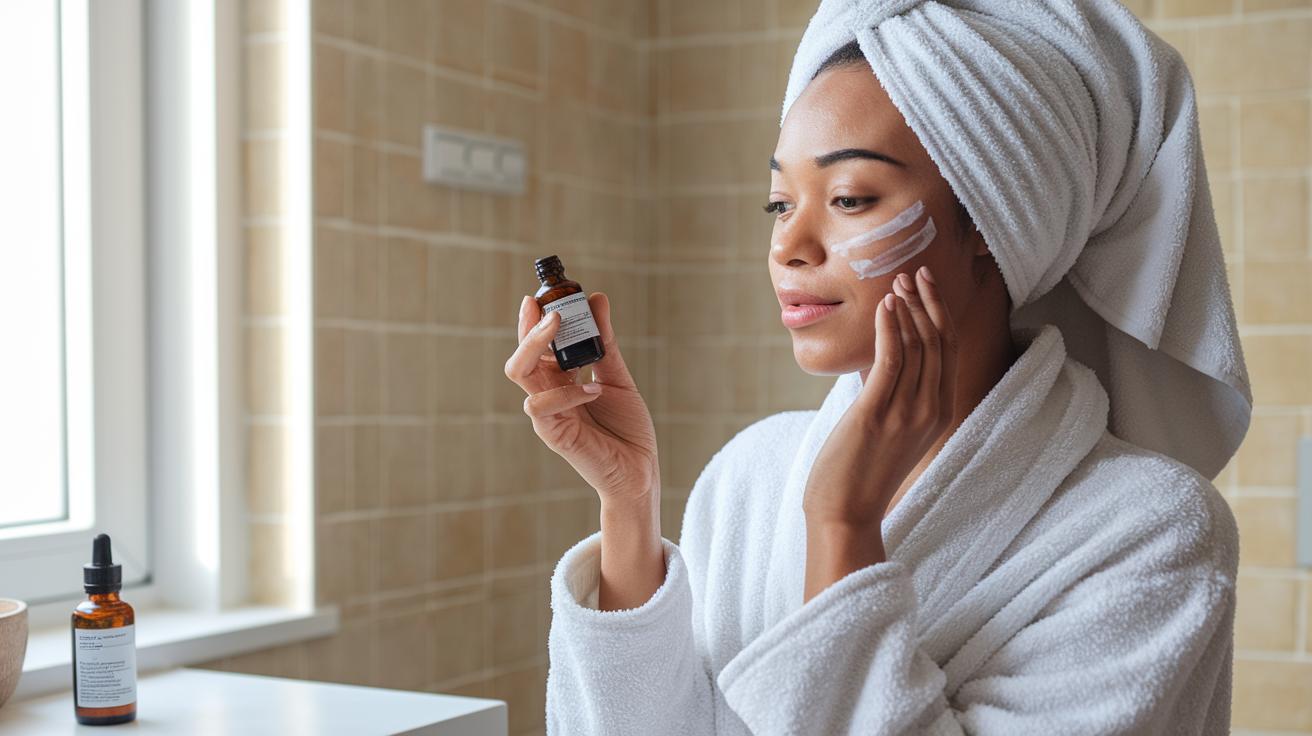
Ever wonder if one simple step could transform your skin? Retinol (a form of vitamin A) works like swapping out an old page for a fresh new one, helping your skin renew itself. It smooths wrinkles, fades dark spots, and gives you that feel-good, youthful glow, kind of like slipping into your favorite, cozy outfit. You might see a bit of redness or notice some flaking at first, but that's just your skin preparing for its big moment. In this guide, I'll walk you through how to start with retinol safely so you can enjoy beautiful, vibrant skin for years to come.
Retinol Skin Care 101: Benefits, Risks, and Safe Introduction
Retinol is a form of vitamin A that helps your skin look fresh and youthful. It works by speeding up your skin's natural cell turnover, kind of like swapping out old pages for new ones. This process smooths out wrinkles, improves texture, and even clears up dark spots or acne. Plus, it gives your skin’s collagen (the protein that keeps you looking firm) a nice little boost, which naturally slows down as you get older.
I used to wonder if my skin would ever look this smooth and clear, and with a bit of patience, it really does. When you first start using retinol, you might notice a bit of redness, flaking, or dryness, that’s completely normal. It means your skin is adjusting in a healthy way, a process some call 'retinisation.' Trust me, just begin slowly by using it every third or fourth night until your skin builds up a bit of tolerance, then gradually increase the use.
Before applying retinol, start with a hydrating cleanser to prep your skin so it can fully enjoy the benefits. Once your face is clean and dry, a thin layer of your retinol serum is enough to see real improvements. Not only does it work on fine lines and boost collagen, but it also helps even out your skin tone and tackle those stubborn blemishes. Ready to enjoy the amazing anti-aging perks while keeping your skin calm and balanced? Give it a try and embrace that natural glow!
Building Your Retinol Skin Care Routine: A Step-by-Step Guide
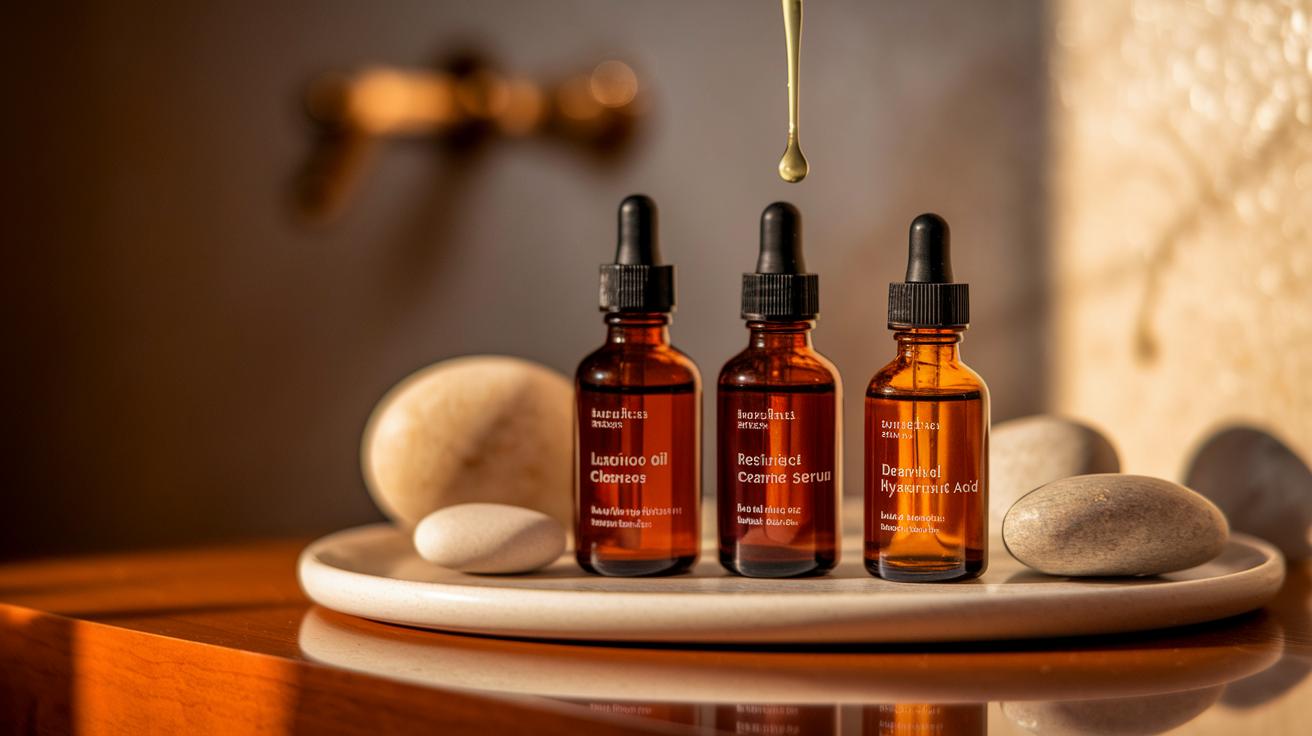
Start your evening with a hydrating foaming oil cleanser that feels like a gentle wave washing off the day’s impurities. Look for one enriched with squalane oil and triglycerides to lock in moisture and set the stage for the night ahead.
After cleansing, gently pat your skin dry with a soft towel. Then, smooth on a thin layer of your encapsulated retinol serum, packed with three essential ceramides. Think of this step as laying a light, breathable foundation that works overnight to refresh and renew your skin.
Right after, use a hydrating hyaluronic acid serum. This cool, refreshing booster locks in moisture and keeps your skin feeling supremely soft. It’s like giving your skin a sip of water to stay plump and hydrated.
Next, seal in all that goodness with a nourishing night cream filled with niacinamide and acetyl tetrapeptide-9. Imagine wrapping your skin in a cozy, protective blanket that calms irritation and helps reduce the signs of aging while you sleep.
In the morning, start with an SPF 15 moisturizer, and then add an SPF 50+ sunscreen for complete UVA and UVB protection. For more on starting your day right, check out the morning skin care routine.
Choosing Retinol Skin Care Products: Creams, Serums, and Formulations
If you’re exploring retinol skincare, you’ll soon discover expert-approved products designed to tackle various skin concerns. When choosing these products, it really helps to understand the different formulas and the benefits each brings. For example, Medik8 Crystal Retinal 3 blends retinal (a form of vitamin A), hyaluronic acid (which locks in moisture), and glycerin for soothing hydration. If you’re just starting out, you might prefer an easier introduction with a lower concentration like Crystal Retinal 1.
Eye care deserves special attention too. Eye serums like Dr. Dennis Gross Advanced Retinol + Ferulic Eye Serum mix natural ingredients such as bakuchiol, a gentle retinol alternative, rambutan extract, and ferulic acid to calm and improve the delicate skin around your eyes. This shows that retinol doesn’t always have to be harsh; soft, mindful ingredients can make a real difference.
Then there’s No7 Pure Retinol 1% Night Concentrate. It combines retinol with calming bisabolol, niacinamide, and peptides to help smooth out fine lines without over-drying or triggering irritation. And if you worry about irritation at all, SkinCeuticals Retinol 0.5 uses bisabolol not only to boost your skin’s radiance but also to control redness and enhance your natural glow.
For those on the hunt for a more potent treatment, 111Skin Black Diamond Retinol Oil is a bold choice. With over 2% retinol paired with an NAC Y² complex, it supports your skin’s collagen production and encourages a brisk cell turnover, ideal if your skin needs that extra boost. With these varied formulations, you can pick the product that best meets your skin’s unique needs and your personal tolerance for retinol.
| Product | Key Actives | Best For |
|---|---|---|
| Medik8 Crystal Retinal 3 | Retinal, Hyaluronic Acid, Glycerin | Adjustable strength |
| Dr. Dennis Gross Advanced Retinol + Ferulic | Bakuchiol, Ferulic Acid | Delicate eye area |
| No7 Pure Retinol 1% | Bisabolol, Niacinamide, Peptides | Gentle smoothing |
| SkinCeuticals Retinol 0.5 | Bisabolol | Irritation control |
| 111Skin Black Diamond Retinol Oil | 2% Retinol, NAC Y² Complex | Collagen boost |
Managing Retinol Skin Care Side Effects and Tolerance
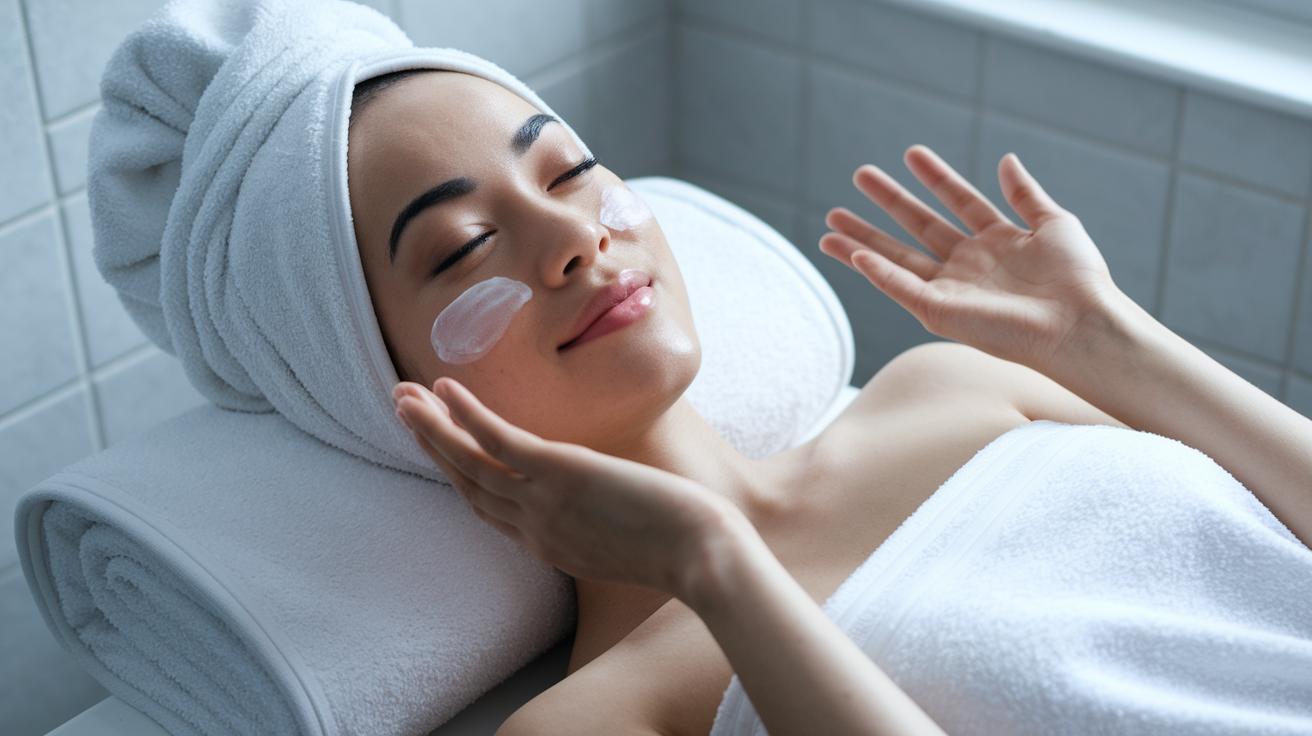
Sometimes your skin might send you tiny signals like small patches of peeling or little breakout spots, along with the usual redness and dryness. A friendly skin expert once mentioned, "When I noticed a bit of peeling in one area, I stopped using retinol for two nights and then slowly added it back." This little break can help your skin reset its natural barrier without throwing off your whole routine.
Recent findings suggest that setting aside a few nights for rest, combined with soothing, anti-inflammatory products, can really help ease those less common reactions. One expert explained, "Taking a short break from retinol and pairing it with a calming moisturizer can significantly reduce unexpected sensitivity, which is especially important if you have combination skin."
Here are a few quick tips to keep in mind:
- If you notice extra flaking or cluster breakouts beyond what you usually expect, give your skin a two-night break from retinol.
- Use a gentle cleanser on those retinol nights to keep things soft and non-irritating.
- Try a moisturizer that’s enriched with niacinamide, which is great for soothing irritation. One user shared, "After a couple of nights off with a niacinamide cream, my skin felt much calmer."
- If you have combination or sensitive skin, start with a lower concentration of retinol or shorten how long you use it at first until your skin adjusts.
Retinol Skin Care: Radiant Skin Awaits
If your skin tends to be sensitive or dry, try a lower-strength retinol formula like 0.3% or an encapsulated version that works gently without overwhelming your skin. Pair it with a rich moisturizer that seals in hydration, just like wrapping your face in a soft, warm blanket on a cool evening.
For those with oily or acne-prone skin, moderate formulas work wonders. Think of an adapalene 0.1% gel that clears pores and fades scars, much like a trusted cleanser that sweeps away impurities and leaves your skin smooth and refreshed.
If your skin is a mix of both, a bit of balance goes a long way. Use retinol two to three times a week, focusing on the oilier parts with a moderate formula while treating drier areas with deeper moisturizers. This method lets you address unique needs without causing extra dryness.
Mature skin can usually handle a mid-strength retinol, around 0.5%, especially when paired with hydrating goodies like hyaluronic acid. It’s like having a team where retinol rejuvenates your skin while the moisture-rich ingredients protect and plump you up.
| Skin Type | Recommendation |
|---|---|
| Sensitive/Dry | Low-strength or encapsulated retinol with rich moisturizers |
| Oily/Acne-Prone | Moderate formulas like adapalene 0.1% gels |
| Combination | Apply retinol 2-3 times weekly, focusing on oilier areas |
| Mature | Mid-strength retinol balanced with hydrating ingredients |
Start with a surprising fact – "Even a slight change in your retinol routine can reveal a smoother, more resilient complexion that feels refreshed every day."
Retinol Skin Care vs. Complementary Ingredients: Hyaluronic Acid, Niacinamide, and More
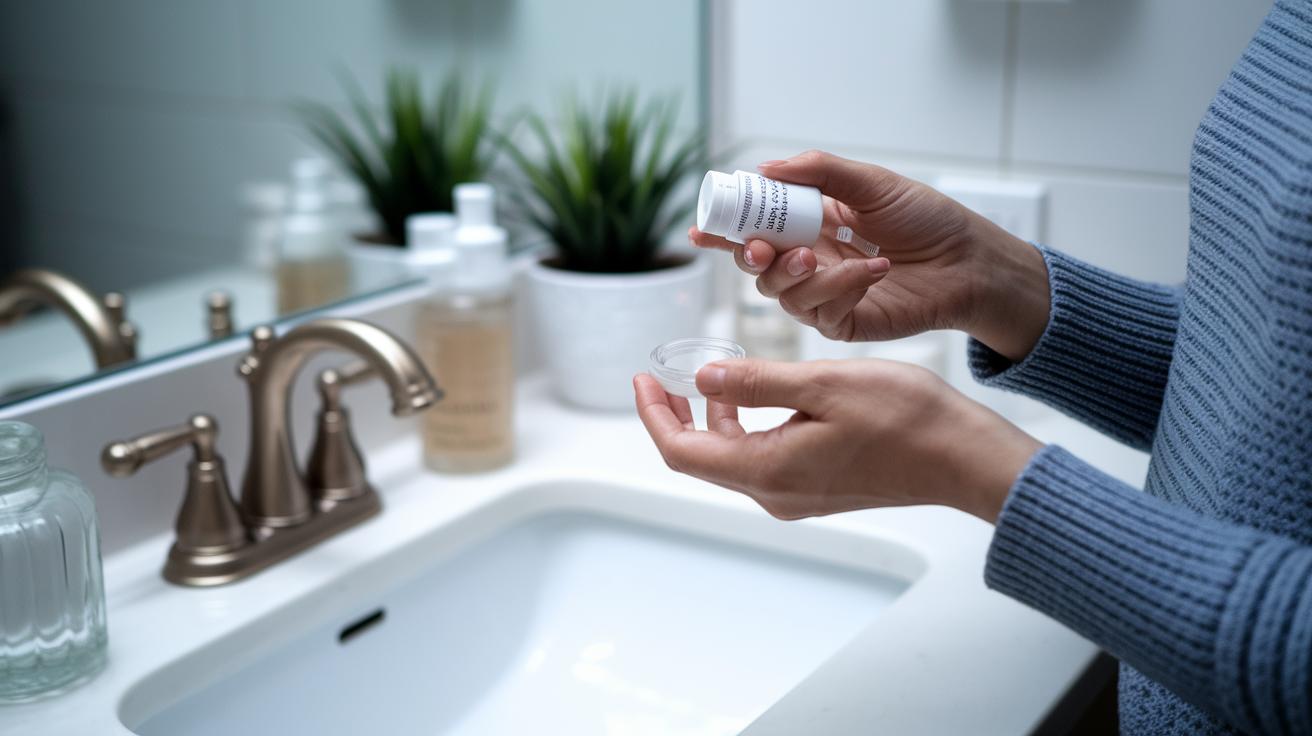
Retinol works wonders when your skin is well-hydrated. A little twist to your routine is to alternate its use with peptide-rich treatments for a refreshing boost. On retinol nights, follow this easy step-by-step routine:
- Start by applying your retinol treatment.
- Wait about 10 minutes so it can settle in.
- Next, layer on a hyaluronic acid serum to lock in moisture.
- Then, smooth on some niacinamide to calm and support your skin’s barrier.
- Finally, finish with a moisturizer full of ceramides to keep your skin hydrated long-term.
Think of it this way: after applying retinol, give it that ten-minute pause. Then add a hydrating serum with hyaluronic acid and follow up with niacinamide for soothing comfort.
On nights when you choose peptides instead, skip the retinol entirely. Focus on your favorite peptide-rich serums to boost collagen naturally while reducing the risk of irritation. This alternating plan makes it easy to enjoy the best of both worlds.
By mixing up your routine, you give your skin a balanced and resilient treatment that stays fresh and effective.
Expert Retinol Skin Care Advice and Common Myths
Many of us worry that retinol might thin our skin, but the truth is pretty refreshing. With careful, regular use, retinol actually helps build up your skin’s thickness and boosts its natural toughness. One beauty expert even said she was scared at first about thinning skin, but over time, her routine shaped her skin into something firmer and more resilient.
Another common myth is that higher concentrations work faster. In reality, gradually increasing the strength of retinol is much gentler, it gives your skin a chance to get used to it and helps avoid irritation. Start with using it just two or three nights a week, and then slowly add more nights as your skin shows it’s adjusting.
Remember, retinol can make your skin more sensitive to the sun, so a daily SPF of at least 30 isn’t optional, it’s essential. And if you’re pregnant or nursing, it’s a smart idea to talk to your dermatologist about alternatives.
This advice clears up common misconceptions and highlights the importance of a patient, steady approach. By taking these simple steps, you can fully enjoy the amazing benefits of retinol while keeping your skin safe and healthy.
Final Words
In the action, we explored the essentials of retinol skin care, highlighting its benefits and practical tips to get the best results. We walked through a clear routine, broke down product choices, and even tackled common side effects with down-to-earth advice. Every step was designed to help you achieve a glowing, healthy complexion while keeping things easy and relatable. Keep experimenting and stay inspired, your skin care routine can be a daily win for both your glow and confidence.
FAQ
What does retinol do for your face?
The retinol works by boosting cell turnover and stimulating collagen to reduce wrinkles and even skin tone, giving your face a fresher, more youthful look.
Is it okay to use retinol everyday?
The retinol usage daily depends on your skin’s tolerance; starting with every third or fourth night helps your skin adjust and minimizes common side effects like redness or dryness.
What shouldn’t you mix retinol with?
The retinol should not be combined with harsh exfoliators or acidic treatments, as these mixes can irritate your skin and worsen dryness or flaking.
At what age should you start retinol?
The retinol is often introduced in your twenties when you begin noticing subtle signs of aging, but it’s best to consult a skincare expert to match the right starting point with your skin goals.
What is a good retinol skin care routine?
The retinol skin care routine typically starts with a gentle cleanser, followed by a thin layer of retinol serum, then a hydrating treatment like a hyaluronic acid serum, and finishes with a nourishing moisturizer.
What are some recommended retinol skin care products like retinol cream and serum?
The retinol products come in various forms, including creams and serums, each designed to improve texture, boost collagen, and target fine lines without overwhelming your skin.
How do I see retinol before and after results?
The retinol before and after results show improved skin texture and tone, with fewer wrinkles and a brighter complexion, although initial redness and flaking are common during adjustment.
What are the dangers of retinol cream?
The retinol cream can cause irritation, dryness, or sensitivity if overused or applied with other active ingredients, so it’s important to follow a gradual introduction and use gentle complementary products.
Which retinol product is considered the best serum?
The best retinol serum is one that offers encapsulated, slow-release retinol paired with hydrating ingredients, which helps reduce irritation and effectively smooths fine lines for glowing skin.
What do skincare cosmetics retinol reviews say?
The retinol reviews often praise products that show visible improvements in skin texture and appearance, highlighting benefits like reduced wrinkles and clearer complexion when used consistently.