
Ever notice how one thoughtful question can shift your whole day? Taking a minute to ask, “How do I feel right now?” can help calm your busy mind and body. In our hectic world full of constant noise and stress, these little self-care check-ins work like a mini reset. They quiet those nagging self-critical thoughts and let you see your small wins clearly. Today, we’re diving into how these simple prompts can boost your well-being by connecting you to what you really need.
Core Self Care Questions for Daily Reflection
Taking a moment each day to check in with yourself can feel like a gentle pause in the midst of a busy schedule. Our minds buzz with thousands of thoughts every day, and a lot of them tend to be self-critical. Just by asking one focused question, like, "How do I feel right now?", you can break the cycle of negative thinking and invite a sense of calm.
When you make these check-ins part of your routine, they help you tune into both your feelings and your body’s needs. It’s like giving yourself a mini reset, so you can see what you truly need at that moment. These little prompts can build self-awareness, letting you notice small wins and improvements along your journey.
- How do I feel right now?
- What does my body need at this moment?
- What emotion is most present for me?
- How has my energy shifted today?
- What small act of kindness can I offer myself?
- Which thought deserves my attention right now?
- What is one thing that makes me smile today?
- Where in my body am I holding tension?
- What can I do to brighten my mood right now?
- What will help me feel centered this moment?
Next time you pause, try picking just two or three of these questions. Even a brief check-in like this can add a little brightness to your day.
Benefits of Self Care Questions for Mental Well-Being

Regularly asking yourself self care questions can give your mental health a real boost by focusing on seven key areas. They help you get in tune with your values and spot any obstacles by asking what truly matters. It’s like having a gentle check-in that not only relieves stress by keeping track of your feelings but also builds resilience when challenges first pop up. These simple questions break up negative thought cycles by zeroing in on what’s important, remind you to be kind to yourself when things feel rough, and even support you in making choices that feel right deep down. In short, this kind of thoughtful inquiry sets a solid base for a balanced inner world.
Starting your day with a quick question like "How do I feel right now?" can pave the way for a calmer, more focused mindset. Even taking just a minute to check in with your mood can change how you react during stressful times. Imagine pausing mid-morning to see how you’re feeling, this little break helps ease tension and guides you toward acts that nurture your well-being. Over time, this easy habit makes managing your emotions feel second nature, leading to a more positive, healthy outlook on life.
Self Care Reflection Prompts for Inner Growth
Journaling creates a peaceful space where you can dive into your inner world. When you set your thoughts on paper, you welcome clarity and warmth into your day. It’s a simple yet powerful way to sort through your feelings and notice the little changes in your mood. Imagine writing about the soft light of a quiet morning or the lessons learned after a tough moment, it helps you see who you are and what you might need.
Journaling Prompts:
Try these Naikan-based prompts to boost your gratitude and awareness. Ask yourself, “What did I receive today?” to remember the kindness and support that touched you. Then ask, “What did I give?” to value your own contributions, and even, “What troubles did I cause?” to learn from any unintentional hurt. These gentle questions can deepen your reflections. For instance, you might write, “Today, I felt deeply thankful for a friend’s encouraging words,” which not only recognizes the good moments but also aids in your healing.
Deep Exploration Prompts:
Now, push a little further with some deep, coaching-style questions. Think about what part of your routine might be holding you back, or ask, “Which need is quietly calling for my attention?” Such questions invite you to explore your core values and goals more deeply. This reflective process might lead you to small yet meaningful changes in your daily life, setting the stage for lasting inner growth and a more radiant well-being.
Integrating Self Care Questions into Your Routine
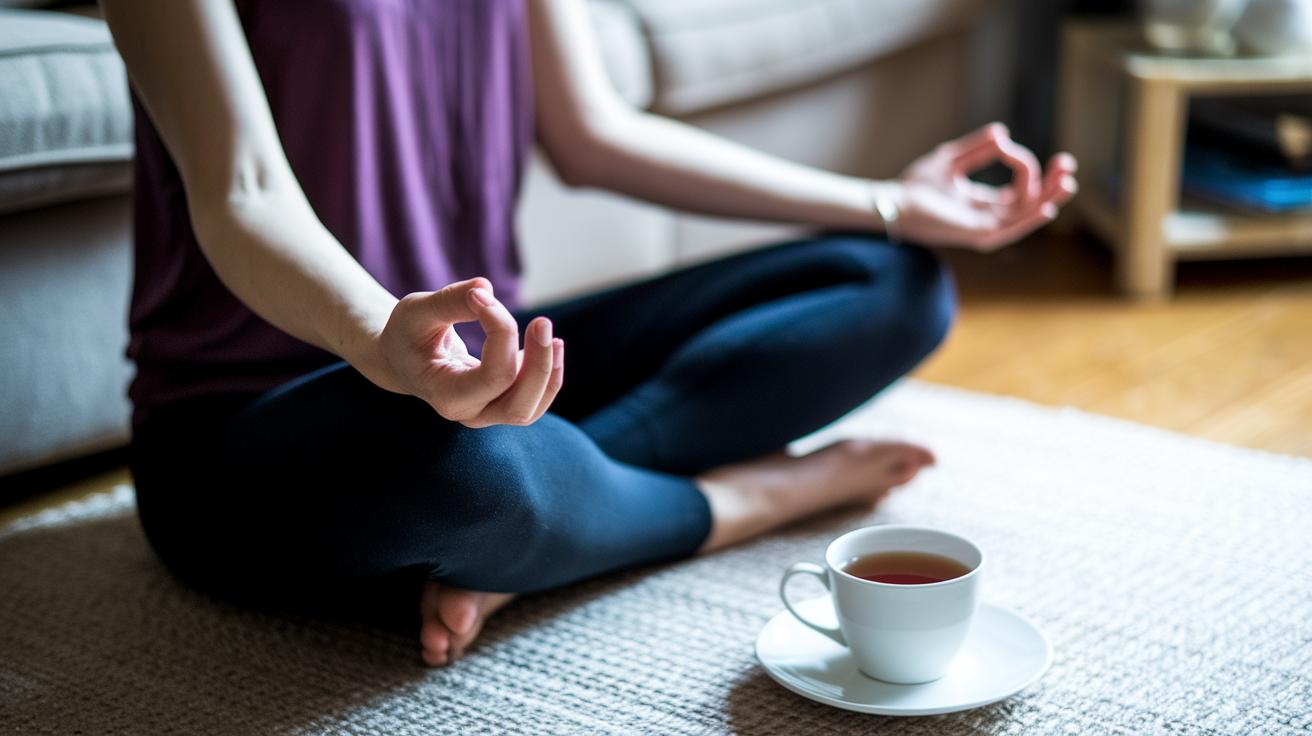
Start by finding a peaceful moment for yourself. Take a few slow, deep breaths to calm your mind and tune into your body’s signals, like noticing the soft rhythm of your breathing. It’s like gently checking a mirror that shows if your inner feelings line up with what really matters to you. This little pause helps you pinpoint what you need most right now.
Next, ask yourself a few self care questions. Then, pick one small, achievable step that feels right, a tiny change in your day that can lift your mood or ease your tension. It might be something as simple as taking a short walk or enjoying a warm cup of tea.
Finally, jot down your thoughts and discoveries in a journal. By writing things down, you can look back over time and see how far you’ve come. These brief self care check-ins not only calm your emotions but also help you stay connected with your inner self, keeping burnout at bay.
Self Care Worksheets and Tools for Question-Based Reflection
Using external resources can really help keep your self care routine steady. When you use guided worksheets and handy tools, you create a straightforward way to track your feelings, needs, and moments of gratitude. You might even notice recurring patterns, as when a quiet moment's note reveals that stress often pops up in the same way. This simple habit not only clears your mind but also builds trust in your own self-reflection. With these structured prompts, a passing thought turns into a meaningful connection with your inner self. Imagine the little joy of revisiting a prompt that once reminded you to pause and take a breather, it’s moments like these that brighten your overall well-being.
| Resource | Description |
|---|---|
| Introspection Worksheets | 10 guided pages that explore emotions, needs, and gratitude. |
| Positive Psychology Toolkit | Over 500 science-based activities and questionnaires. |
| Journaling Prompts Library | 25 question sets for your daily self check-ins. |
Using these hands-on guides turns each self care session into a mindful and focused ritual. Try starting with one resource and see how it elevates your daily practice of reflection.
Sustaining Self Care with Daily Check-In Questions

Checking in with yourself each day helps you notice little shifts in your energy and mood, whether you’re hustling at work or winding down at home. It lets you catch signs of stress or tiredness early, so you know when to take a quick breather. For example, before an important meeting, you might ask, “Am I feeling alert enough, or should I take a moment to reset?” This easy self-care habit helps you adjust to the different needs of work and relaxation.
Try setting up mini check-ins by adding reminders to your calendar that fit your day. At work, you could ask, “Do I need a quick pause to stay focused?” And when you’re at home, consider a gentle prompt like, “Am I giving myself enough time to truly relax?” These little check-ins keep you tuned in to your feelings and help you enjoy a balanced, mindful day.
Final Words
In the action, this piece highlights how simple self care questions can shift our daily routine toward a steadier, more mindful state. It covers practical check-ins, reflective prompts, and handy worksheets that support stress relief and clarity.
Each section shows how a few thoughtful queries guide us through moments of self-awareness and gentle reflection. Choosing a couple of self care questions for each check-in can brighten your day and add a touch of balance to your routine. Enjoy the process and keep shining.
FAQ
What do self care questions for mental health help with?
Self care questions for mental health help guide you to understand your feelings and needs. They prompt awareness about emotions, reduce stress, and encourage small daily actions for better mental well-being.
How can self care questions benefit students?
Self care questions for students help them explore their emotions, manage stress, and balance school work with self-reflection. This check-in process boosts focus and promotes a healthier, happier daily routine.
What are self care questions and how do they work?
Self care questions guide you to evaluate your feelings and physical needs, such as “How do I feel right now?” Answering them breaks negative thought patterns and supports mindful, positive self-assessment.
How do funny or fun self care questions play a role?
Funny or fun self care questions mix humor with reflection. They lighten the mood, making self-checks feel less serious while still prompting genuine insights about your daily emotional state.
What kind of self care questions work well in group settings or for employees?
In group settings or at work, self care questions encourage open discussions and honest sharing. They help everyone check in about their feelings, promoting a supportive and balanced environment.
How do self-awareness questions for others foster connection?
Self-awareness questions for others build trust by inviting genuine conversations. They encourage sharing insights and feelings, which deepens understanding and strengthens interpersonal connections.
What are examples of good wellness questions to ask?
Good wellness questions often include prompts like “How do I feel now?” or “What energizes me today?” These queries sharpen focus, boost awareness, and guide you toward daily, fulfilling self-care practices.
What are the seven pillars of self care?
The seven pillars of self care include physical health, emotional balance, personal growth, relationships, work-life harmony, spiritual well-being, and mental clarity. They serve as key areas to nurture for overall wellness.