
Ever notice how a few quiet moments can spark pure happiness? Self-care isn’t just a treat, it’s our way of keeping life steady and balanced. It’s like taking a deep, fresh breath when things feel too heavy.
Sometimes, a simple pause, a calming breath or a little thank-you note, can melt away stress and brighten your day. These little acts of care remind us that even small steps can fill our days with calm and lively energy.
Self Care Strategies: Embrace Joy Daily
Self-care isn’t a luxury, it’s a must-have to keep life in balance. It eases stress, brightens your mood, and brings a soothing calm to everyday routines. Imagine that peaceful moment during your quiet break or the burst of energy you get after a quick, refreshing walk.
Mixing different self-care habits helps nurture your body, mind, and soul. Even tiny actions, like a few deep breaths or scribbling down one thing you’re thankful for, can truly change your day. Fun fact: Before becoming a top inventor, Thomas Edison spent many evenings in his small workshop, tinkering and proving that even tiny sparks of curiosity can lead to brilliant ideas. With every small step, you build a routine that adds joy and balance to your life.
- Deep breathing exercises
- Gratitude journaling
- Scheduled exercise sessions
- Digital detox moments
- Regular hydration breaks
- Restorative sleep routines
- Creative hobbies
- Refreshing nature walks
Start adding these habits today by picking one or two that really speak to you. Set a cute reminder for a hydration break or take a minute to jot down a quick thank-you note in your journal. As you ease these little actions into your day, you might notice stress fading and a warm sense of happiness growing. Every bit of self-care brings a spark of energy, helping you welcome each day with genuine joy.
Building a Personalized Self Care Plan with Proven Strategies

Start by tuning into how you feel in your body, emotions, and mind. It’s like organizing your favorite shoes in the closet, you figure out which ones need extra care so that your daily routine fits just right.
Self-Assessment of Needs
Look at how stress shows up for you. Notice if your body feels tired, your heart feels heavy, or if you can’t focus because your mind is overloaded. Ever catch yourself yawning in the middle of the day? That might be a hint to check in on your energy levels.
Defining Clear, Measurable Goals
Make your goals clear and easy to track. Try setting targets like getting 7–8 hours of sleep each night or enjoying a quick 5-minute meditation session. Imagine planning a 10-minute stretch routine in the morning as a peppy way to set a positive tone for your day.
Selecting Enjoyable Activities
Pick activities that light you up. Whether it’s taking a brisk walk that feels like a mini adventure, doodling a little each day, or practicing some deep breathing when things get hectic, choose what makes you smile. This keeps your self-care plan feeling fresh and personal.
Scheduling and Prioritizing Practices
Block out some time in your calendar just for self-care. Treat these moments like you would treat an important chat with yourself that you simply can’t miss.
Tracking Progress and Adjusting
Keep a simple journal or use an app to jot down your self-care sessions. As you go along, check in and see what’s working best and make changes when you need to.
Self Care Strategies for Mental Health Recharge Throughout the Day
Even a tiny self-care break can clear the mental fog and boost your focus by filling your brain with fresh oxygen. Research tells us that a one-minute deep breathing exercise can really perk up your mind; imagine setting a timer, taking a deep breath, holding it for four seconds, and then exhaling slowly. It’s like giving your brain a little reset button.
Try mixing up these micro-moments throughout your day. Instead of sticking to just one trick, add a bit of hydration, write down one thing you're thankful for, or even do a short stretch or a focused one-minute meditation. A friend of mine once said that pausing for just a minute during a hectic afternoon changed her day entirely, it helped her feel more in control. Studies back this up, showing that these mini-breaks can boost memory and help you make better decisions.
To make these moments a regular part of your routine, try setting reminders on your phone or leaving sticky notes around. A simple alert like "Mindful pause now" can serve as a gentle nudge to take that break. Track your progress and notice how a little mindfulness can brighten your mood and energize your day.
Physical Wellbeing Tactics: Self Care Strategies for Energy and Vitality

You know, when you connect your body and mind, you set the stage for more energy and less stress. A mix of getting your body moving and taking time to rest can really change your day. Imagine a day when a brisk 30-minute walk clears your head, or a quick 20-minute yoga flow leaves you feeling calm and capable. Regular exercise paired with a solid sleep routine, about 7 to 9 hours each night, helps your body bounce back and be ready for whatever comes next. It’s like when you finish a workout and, with a few gentle stretches, you feel instantly refreshed.
| Activity | Duration | Benefit |
|---|---|---|
| Brisk Walk | 30 min | Better circulation, mood boost |
| Yoga Flow | 20 min | Increased flexibility, calmness |
| Strength Set | 15 min | Muscle tone, extra energy |
| Stretch Break | 5 min | Relieves tension |
| Sleep Ritual | 8 hr/night | Helps recovery, sharpens focus |
As you try these ideas, pay close attention to how your body feels. Maybe you notice a burst of alertness after a brisk walk or a sense of soothing ease after a simple stretch. Feel free to play around with the timing or mix up the activities so they match your mood and energy levels. Over time, even a little yoga or a quick strength workout might become your secret to staying empowered all day.
Emotional Revitalization Practices: Self Care Strategies for Inner Balance
Sometimes, taking care of your feelings means trying something a little different from your normal routine. It might help to chat with friends or family who truly understand you, or even get creative with activities that let you explore your emotions more deeply. Why not experiment with small acts of self-compassion, like writing a kind letter to yourself or doing a simple meditation that turns harsh self-talk into gentle truths? For instance, you might write, "Today, I honor my strength and welcome growth." It sounds simple, but that little act can be a powerful way to build resilience. One of my clients found that mixing creative expression with moments of mindful reflection really helped ease her stress over time.
To take your self-care to the next level, try keeping a gratitude journal and checking in with your feelings on a regular basis. Consider using thoughtful prompts that help you notice that inner critic and replace its voice with self-acceptance, maybe jot down one challenging moment from your day and reflect on how you handled it with care. Setting aside a special time each week for these reflections can clear your mind and boost your emotional clarity. Someone who embraced these practices even shared that it brought a lasting change in her mood and self-trust, proving that consistent self-kindness truly lays the foundation for long-term balance.
Integrating Mindfulness and Balance Routines into Daily Self Care Strategies
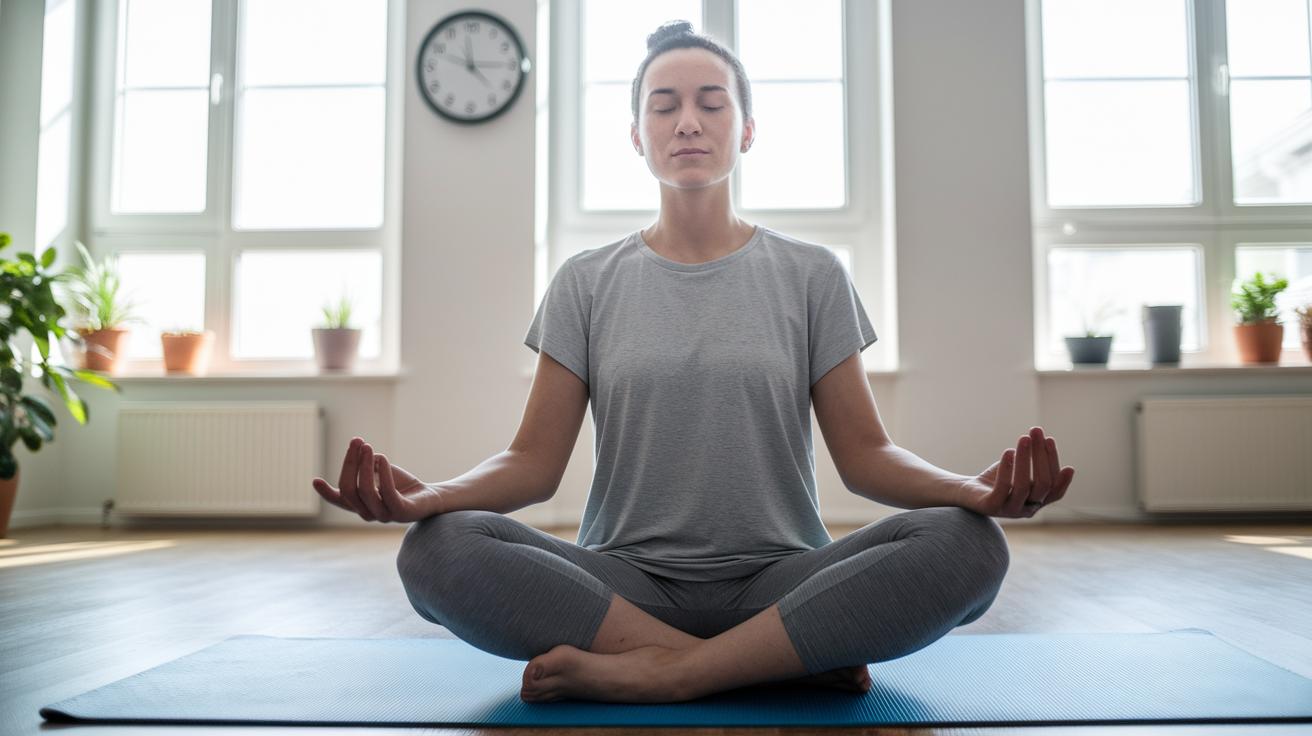
Mindfulness can fill your day with a gentle calm and clear headspace. Imagine pausing for just a moment of deep breathing, feeling stress fade away as you return to your center. It’s a simple, natural way to add self-care to your day.
Try adding little time markers to your routine. Start your morning with a 1-minute deep breath to set a peaceful tone. Then, around mid-day, enjoy a 5–10 minute guided meditation or a refreshing 20–30 minute walk where you can really tune into your surroundings. In the evening, power down devices and spend a bit of time writing down a few thoughts on what made your day shine. For instance, I often say, "Before bed, I turn off my phone and jot down what brightened my day."
| Time | Practice |
|---|---|
| Morning | 1-minute deep breathing |
| Mid-Day | 5–10 minute guided meditation or 20–30 minute mindful walk |
| Evening | Device-free time with reflective journaling |
It can also help to keep track of your mindfulness moments. Jot down little notes about how your mood or energy shifts, maybe in a journal or an app. Over time, you can tweak the length of each activity until it feels like the perfect match for your daily self-care routine.
Final Words
In the action, the post shared practical self care strategies that mix quick mental resets, energizing physical moves, and calm emotional techniques to boost overall well-being. It touched on setting up mindful routines, building a personalized plan, and keeping check on progress.
The article emphasizes that incorporating even tiny habits, like a one-minute breathing break or a short walk, can brighten your day. Keep trying new self care strategies to feel more balanced and ready to shine.
FAQ
What does a self care strategies PDF include?
A self care strategies PDF outlines quick tips like deep breathing, hydration breaks, and gratitude journaling. It provides a handy guide to boost mental, emotional, and physical well-being through simple daily practices.
What are effective self care strategies for adults and students?
Self care strategies for adults and students encompass scheduled exercise, digital detox periods, mindfulness pauses, and creative hobbies. These ideas help balance stress and nurture both mental clarity and physical energy.
What are some self care strategies examples and top 10 self-care tips?
Self care examples include deep breathing, nature walks, gratitude journaling, sleep rituals, and short stretch breaks. Top tips focus on routines that refresh your mood, boost energy, and promote overall wellness.
What does emotional self-care involve?
Emotional self-care involves activities like creative hobbies, quality time with loved ones, and self-compassion practices. These methods strengthen inner balance and resilience while nurturing a positive mindset.
What are some coping strategies for mental health?
Coping strategies for mental health include quick mindfulness practices, one-minute deep breathing sessions, and brief stretch breaks. These habits offer immediate relief and help manage stress throughout your day.
What frameworks explain self care strategies such as 5 strategies, 7 pillars, and 6 C’s?
These frameworks detail structured approaches to self care. They break down key habits into five, seven, or six parts, providing clear guidance to incorporate balanced practices into your daily routine.