
Ever notice how your body seems to perk up when everything feels overwhelming? It’s like your own personal cheerleader, getting ready to help you out. Your stress hormones act as little messengers, giving you a quick boost exactly when you need it.
They work together like a friendly team on a busy day, helping keep your energy high, your memory sharp, and even your blood pressure steady. Next, we'll dive into how these hormones help you stay balanced, even when things get rough. Understanding them might just change the way you look at those hectic moments.
Stress Hormones: Fueling a Balanced Life
Ever wonder how your body gears up when things get hectic? Stress hormones are like little messengers that pop into action to give you an extra boost when needed. They help get everything moving smoothly during those busy, pressure-filled times, imagine your body as a busy workshop that ramps up production right when the orders start pouring in.
Cortisol is one of these helpful hormones. Made by your adrenal glands, it works quietly over time to keep things like your energy use, immune system, and even memory in balance. Think of cortisol as the steady manager at work, keeping everything running smoothly even on days when you’re a little frazzled.
Then there are catecholamines, this group includes adrenaline, norepinephrine, and dopamine. They kick in like a first-responder team when you need to act fast. In a split-second, they can speed up your heart, bump up your blood pressure, and boost your blood sugar. It’s a bit like suddenly having to sprint, you feel that rush that powers you up in an instant.
Vasopressin is another key player, produced in your brain and stored in the pituitary gland. It helps keep your blood pressure and water levels in check, just like a thermostat keeps a room at the perfect temperature. Together, these hormones team up to handle immediate stresses and help maintain balance in your body no matter what life throws at you.
HPA Axis Function in Stress Hormone Regulation
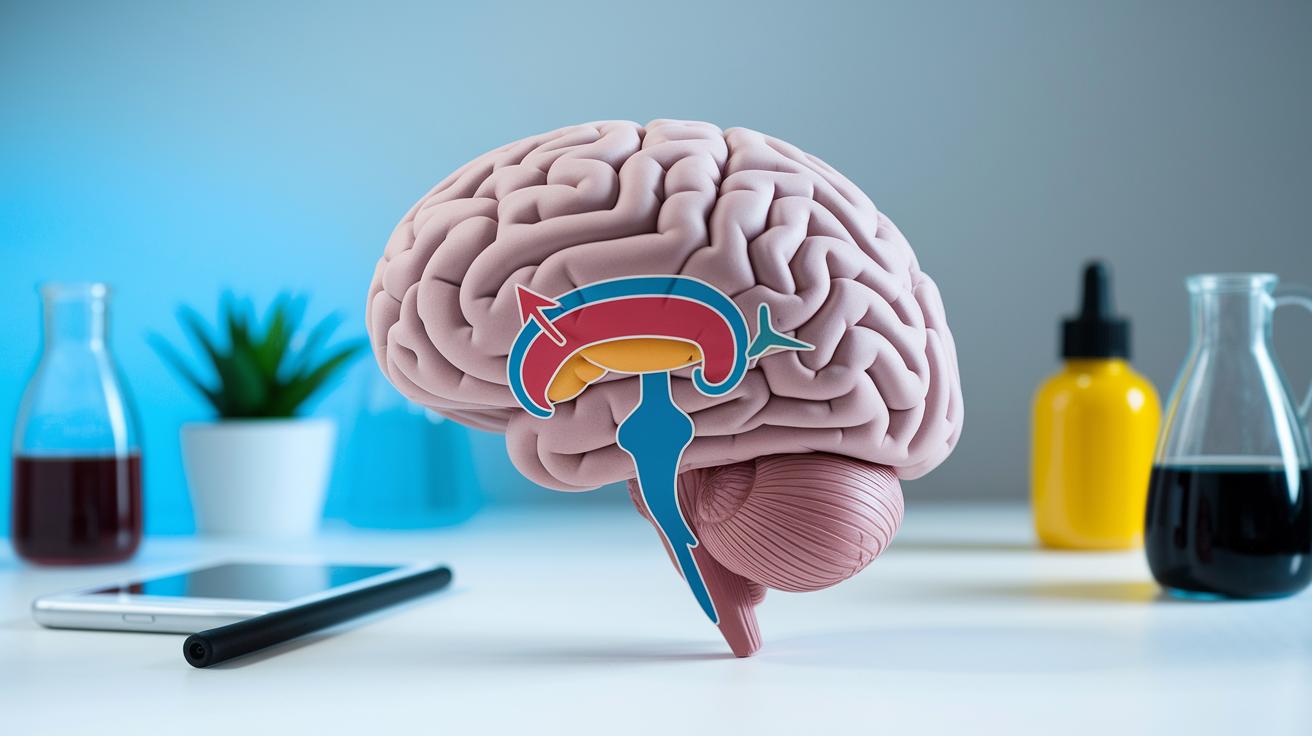
When you're dealing with a challenge, your body immediately starts working. The hypothalamus, a small but powerful part of your brain, fires off quick messages with signals like vasopressin (a hormone that helps manage water in your body) to kick off a response. Next, the pituitary gland, which acts like a smart relay team, picks up these signals and sends out ACTH (a hormone that tells your body to get moving) into the bloodstream. This alert lets your adrenal glands know it's time to get busy.
At the same time, your sympathetic nervous system jumps in and tells the adrenal medulla, the inner part of your adrenal glands, to release catecholamines such as adrenaline, norepinephrine, and dopamine. This burst makes your heart beat faster and boosts your energy, prepping you for that fight-or-flight moment.
Then, as things start to settle down, natural feedback loops work like a built-in thermostat. They signal your brain when enough hormone has been released and help balance everything out slowly. This smooth back-and-forth between the hypothalamus, pituitary, and adrenal glands keeps your body responsive yet balanced, even when stress levels run high.
Impact of Stress Hormones on Physical Systems
When stress hits, your body releases hormones that can change how everything runs. Cortisol, for example, sticks around and can weaken your immune system (your natural way to fight off infections) while also sparking inflammation in your tissues. Meanwhile, hormones like adrenaline and norepinephrine kick your heart rate, blood pressure, and blood sugar into high gear, giving you quick energy when you need it most, but too much of that rush can put extra pressure on your organs and blood vessels. And then there's vasopressin, which helps maintain your fluid balance by keeping your blood pressure in check, further influencing how your body handles stress.
Over time, this constant hormonal surge can strain your body’s key systems, raising your risk of long-term health issues. For instance, persistently high cortisol can lead to plaque building up in your arteries, setting you up for potential heart problems. Similarly, those frequent adrenaline surges may spark not only sudden bursts of energy but also unwanted changes in your heart and metabolism. In short, chronic stress pushes your body to work way beyond its comfort zone, slowly paving the way for bigger health concerns.
| System | Effects |
|---|---|
| Cardiovascular | Higher blood pressure, plaque buildup |
| Metabolic | Increased glucose production, weight gain |
| Immune | Suppressed defenses, inflammation |
| Fluid Balance | Vasopressin-driven water retention |
By taking care of your stress levels, you’re not just calming your mind, you’re also giving your body a chance to reset and run more smoothly. Ever notice how turning down the stress can feel like hitting a refresh button on your well-being? It's all about finding that balance and giving your body the care it deserves.
Acute Stress Hormone Response Mechanisms

Recent studies reveal that small tweaks in our cell receptors can help stress hormones work faster. For instance, nerve cells with these slight adjustments can react about 15% quicker when stress hormones hit, almost as if they’re primed for action.
Cortisol isn’t just about boosting energy by raising blood sugar; it also talks to our receptors to smooth out our body’s response during tough times. Research found that when cells get a dose of cortisol, they sort of prioritize essential tasks, putting less critical functions on the back burner.
We’re also learning that vasopressin, a hormone you might not have heard of, does more than just adjust blood pressure. It helps our kidneys hold onto water quickly, keeping everything well-balanced during stress. In fact, studies on animals showed that with vasopressin on duty, water is reabsorbed faster, keeping our organs running smoothly when things get challenging.
Chronic Stress Hormone Elevation and Long-Term Risks
When your body deals with stress for too long, your cortisol levels can stay high and start causing real damage. Picture your arteries like a garden hose, when they narrow because of too much stress hormone, your heart has to push harder, increasing the risk of heart disease and stroke.
And it’s not just your heart that feels the pressure. Constant high cortisol can cloud your mind, making you feel anxious or even depressed. Ever feel like your thoughts are stuck behind a foggy lens? That’s your brain struggling to form clear memories when stress hormones are in charge.
Long-term stress also shows up in other ways. You might feel exhausted all the time, even after a full night’s sleep, and your stomach might chime in with discomfort. Plus, your cravings for sugary or fatty foods might sneak up on you, leading to unwanted weight gain.
Your skin and hair aren’t safe either. High cortisol can mess with your body’s ability to produce collagen and keratin, which means your skin might lose its natural firmness and your hair could seem dull or weak. And if you’re tossing and turning at night, that’s another signal that chronic stress is taking its toll.
Stress Hormone Measurement: Testing and Daily Patterns

Cortisol naturally wakes up with you, it peaks in the early morning and then gradually dips by bedtime. This cycle is like your body’s built-in wake-up call, getting you energized for the day ahead.
Doctors usually check cortisol levels using blood or saliva tests. It’s super important to get the timing right because testing at the wrong moment might miss the real picture of your hormone flow. For example, if you take the test too early or too late, the results may not match your normal daily pattern. That’s why they often take several samples throughout the day, to give a complete view of how your stress hormones change over time.
When lab reports come back, they compare your results to ideal ranges to see how your body is managing stress. Understanding these peaks and dips can really help you see if any lifestyle tweaks or treatments might be needed to keep your hormones balanced. Plus, testing over several days often reveals patterns that a single test just can’t catch, guiding you towards a healthier, more balanced life.
Natural Regulation of Stress Hormones
Ever feel overwhelmed and just need a little peace? Sometimes, a few small tweaks in what you eat can work wonders for your mood. Nutrients like omega-3s (the good fats that keep your heart happy), magnesium (a mineral that helps relax your muscles), and B vitamins (your everyday energy boosters) can help lower inflammation and balance those stress hormones. Think of your body like a finely tuned instrument – feed it the right foods, and it sings.
Herbal helpers such as ashwagandha, rhodiola, and ginseng can also be your best friends when it comes to easing stress. These natural remedies act like a reset button, soothing your body's stress response. Picture yourself taking a quiet break with a warm cup of herbal tea, letting its gentle aroma calm your senses and bring you back into balance.
Mindfulness and simple relaxation techniques are another key part of keeping stress at bay. Taking a few moments for deep breathing, meditation (a way to clear your mind), or even a quick body scan can really help slow down that racing feeling and switch off your body's alarm system. Just a few peaceful minutes a day, breathe deeply, relax, and feel the calm spread through you, can make a huge difference.
| Intervention | Type | Description |
|---|---|---|
| Dietary Tweaks | Nutritional | Meals rich in omega-3, magnesium, and B vitamins to help balance cortisol |
| Herbal Adaptogens | Supplement | Ashwagandha, rhodiola, and ginseng that act like a natural reset button for stress |
| Mindful Practices | Relaxation | Deep breathing and meditation; explore more with simple mindfulness exercises at home |
Lifestyle Strategies to Manage Stress Hormones

Moving regularly is one of the easiest ways to keep stress hormones in check. Whether it’s a fun cardio session, some strength training, or even a calming yoga flow, getting active helps lower your cortisol levels. And good sleep? It’s a game changer. When you rest well, your brain can naturally chill out its stress responses, letting your body’s stress system (the HPA axis) run more smoothly. I’ve even found that a brisk walk after dinner clears my head and leads to a better night’s sleep, almost like a gentle reminder for the body to relax.
Mindfulness practices like guided meditation and deep breathing can really help when you feel overwhelmed. Try a few minutes of deep breaths after a busy day; it might just reset your mood. Plus, leaning on friends and family makes a huge difference. A steady routine combined with social support can help ease those long-term stress triggers.
- Regular exercise helps lower cortisol levels.
- Quality sleep boosts your body’s ability to regulate stress.
- Deep breathing and guided meditation ease sudden stress surges.
- A routine with social support can balance your stress hormones (check out mindfulness for work-life balance at imdandy.com).
Final Words
In the action, we see that stress hormones influence everything, from quick energy surges during tough times to long-term changes in our heart, mind, and body. We unpacked how these hormones work, the role of the HPA axis, their daily rhythms, and practical tips for natural balance. Simple lifestyle tweaks and mindfulness can help keep your system steady, promoting a healthier outlook. Stay inspired and embrace every day with renewed strength and style.
FAQ
What are the main stress hormones?
The main stress hormones typically include cortisol; catecholamines (adrenaline, norepinephrine, dopamine); and vasopressin. While lists vary, these are widely recognized for fueling the stress response.
How does cortisol affect the body under stress?
Cortisol influences key body systems. Elevated levels can weaken immune function, raise blood sugar, increase blood pressure, and encourage weight gain, all of which may raise long-term health risks.
When are stress hormones released in the body?
Stress hormones are released when your body needs extra energy, like during sudden challenges or physical exertion. The body’s HPA axis initiates both rapid and sustained hormone responses.
How can I reduce stress hormones, lower high cortisol, and reset my body from chronic stress?
Reducing stress hormones involves regular exercise, mindfulness practices, quality sleep, and balanced nutrition with essential vitamins and minerals, all of which help lower cortisol and restore balance.
How do stress hormones relate to weight gain?
High stress hormones, especially cortisol, can raise blood sugar and insulin levels, promoting fat storage and weight gain. Maintaining healthy habits can help manage this effect and keep metabolism balanced.