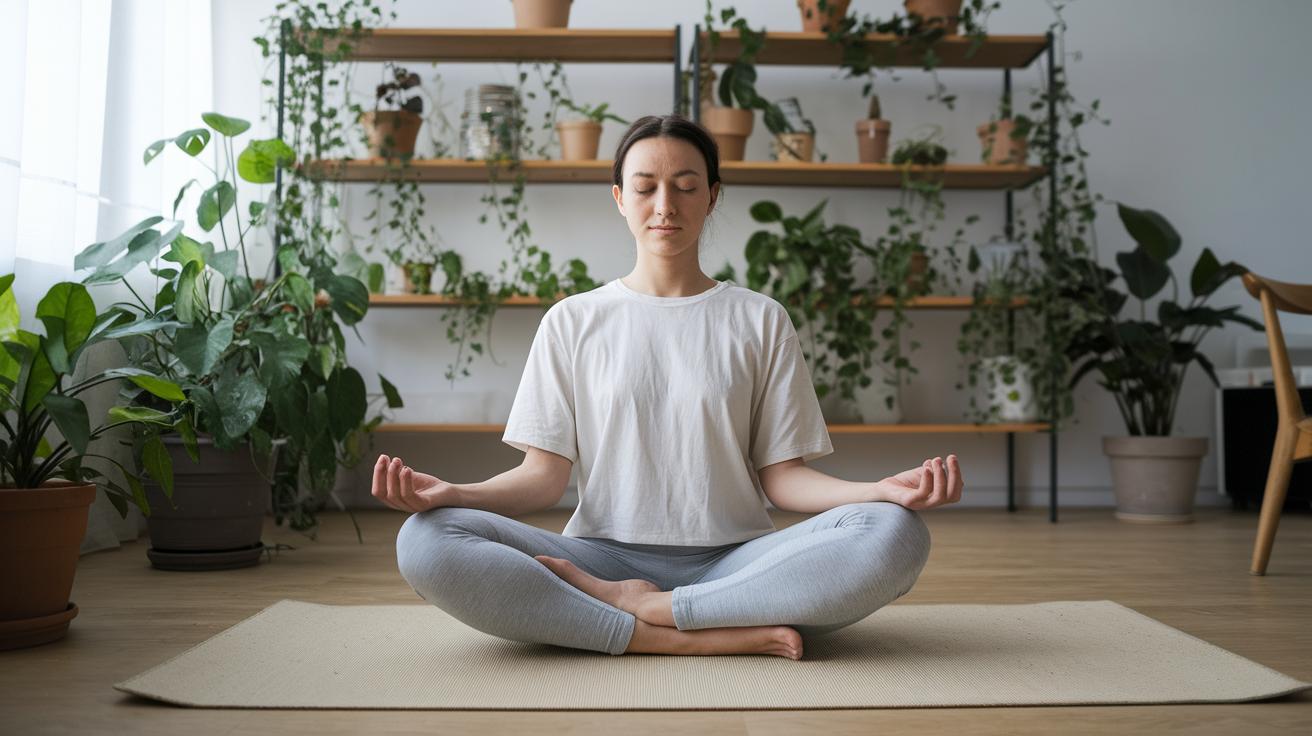
Ever thought that feeling stressed might actually be a sneaky ally rather than an enemy? It might sound odd, but stress can sometimes nudge you to care for yourself a bit more.
In this chat, I'll share some super simple tips to help you melt away tension, boost your energy, and keep that clear head even on the craziest of days.
Imagine making tiny tweaks that suddenly make you feel a whole lot better and help you master your busy life.
So, why not take a fresh look at stress and let it empower you to thrive every single day?
Stress Management Skills 101: Defining Stress and Its Impacts
Stress is our body's natural way of reacting to tough times. It kicks in with that fight-or-flight feeling, getting you ready to face sudden changes or possible dangers. It really shows that we all have a built-in system for handling pressure.
A quick burst of stress, called acute stress, can actually spark energy and keep you alert when you need it most. But if stress sticks around too long, what we call chronic stress, it can lead to problems like heart disease, a feeble immune system, anxiety, and even depression. Knowing the difference between these types and spotting the signals is a huge step toward managing stress well.
Some common signs your body might be talking to you include:
| Sign |
|---|
| Headaches |
| Muscle tension |
| Irritability |
| Sleep disturbances |
| Digestive issues |
| Difficulty concentrating |
These signals are like little reminders from your body that it's feeling the pressure. When you notice them, it might be the perfect moment to try relaxation techniques, switch up your daily routine, or even talk to a professional. Paying attention to these cues not only helps with managing stress but also sets you on the path to a healthier, happier day.
Essential Coping Strategies for Anxiety and Stress Management Skills

Feeling anxious sometimes is normal, but a few simple tricks can really help ease that tension and bring a bit of calm into your day. Here are four friendly and practical strategies that might make a difference.
Pet Therapy
Imagine coming home to a warm, fuzzy friend who just makes everything feel okay. Spending time with a pet, like a playful dog or a quiet cat, can feel like a gentle hug on a rough day. Even a short visit can lighten your mood and melt stress away. It’s amazing how simple acts of love and care can work wonders.
Positive Self-Talk
Have you ever caught yourself thinking negative thoughts? Turning that inner voice into a cheerleader can really change your day. Saying clear, encouraging words like, "I can handle this" can uplift your mood and boost confidence. Picture yourself in the mirror, giving a little pep talk that softens your stress, it's a tiny habit that makes a big difference.
Socialization
A friendly chat with a coworker or a catch-up with a neighbor can really help lower anxiety. Sometimes a simple conversation, whether with a friend or someone new at a hobby club, recharges your emotional batteries. It reminds you that connection is key to feeling lighter and more supported. Check out some ideas for mindful relationship building if you need a little extra boost.
Assertiveness
Being clear about your feelings and needs can stop stress before it builds up. When you share what’s on your mind in a gentle yet honest way, conflicts start to calm down on their own. Think of it as setting small but firm boundaries that protect your peace. Each calm conversation builds a safer, more positive space for you to shine.
These strategies are small steps that can lead to more balanced, relaxed days. Give them a try and notice how a few little shifts can brighten your everyday life.
Mindfulness and Breathing Techniques in Stress Management Skills
Mindfulness is such a cool way to kick stress to the curb, all by tuning into what’s happening right now. When you try out simple practices like guided meditation or a relaxing stroll where you really notice each step, you kickstart your body’s natural chill mode and help calm those stress hormones. It’s like giving your mind a little vacation from the everyday hustle. You might even want to check out mindful stress management ideas at this link (https://imdandy.com?p=2781) to help shift from tension to tranquility.
Here are a few easy techniques you can try:
- Guided meditation
- Body scan
- Mindful walking
- Mindful eating
- Guided imagery
A simple way to get started is this:
- Sit in a comfy spot and gently close your eyes.
- Take a deep breath in through your nose, letting your belly fill with air.
- Slowly breathe out through your mouth, releasing any tightness.
- Keep it up for a few minutes until you notice a wave of calm.
Even just a few mindful minutes a day can really brighten your mood. Whether it’s a quick session in the morning or a brief breathing break when things get hectic, these small habits can help you keep a sense of balance and ease throughout your day.
Physical Relaxation Exercises to Strengthen Stress Management Skills
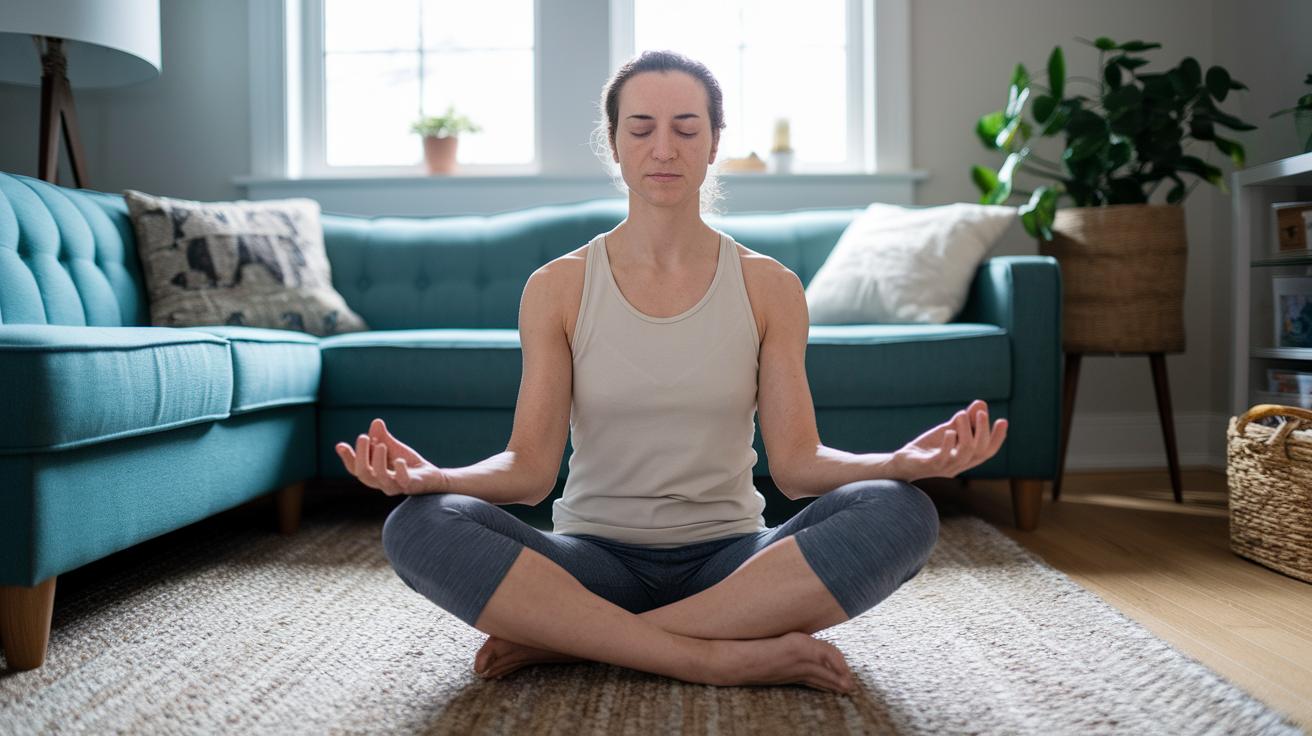
When life gets a bit overwhelming, giving your body some focused relaxation can really lift your spirits. These easy exercises help ease that tight feeling in your muscles while also refreshing your mind, leaving you feeling lighter and more connected to your body.
Progressive Muscle Relaxation
Imagine you're slowly waking up each muscle one by one. Start with your feet, squeezing them tight for about 5–10 seconds and then letting go slowly for 10–20 seconds. Work your way upwards, from your legs to your belly, arms, and finally your face. Picture yourself giving a gentle handshake with your biceps, tightening them up and then letting the stress flow away.
Yoga Stretches
Mix in a few simple yoga moves like the child's pose or the cat-cow stretch. These poses help loosen up your spine and send a clear signal to your brain that it’s time to relax. As you move, pay attention to that pleasant stretch and your smooth, deep breaths. It’s like unwinding after a long day, one gentle breath at a time.
Light Aerobic Movement
Sometimes a little walk or some tai chi can really brighten your day. Even a brisk stroll or a slow, thoughtful tai chi session gets your heart pumping and releases those happy endorphins, keeping your mood upbeat without making you feel overactive. It’s the perfect balance to lower those stress hormones while refreshing your outlook.
Self-Massage Techniques
Lastly, treat yourself to a self-massage, especially on your neck and shoulders. Use your fingertips to gently knead away any tight knots and let go of the built-up stress. This simple act can bring quick relief, helping you move through your day feeling more relaxed and energized.
Time Management and Task Planning for Strong Stress Management Skills
Designing your day with a clear plan can really lighten your stress. When you take a moment to map out your tasks, you ease the mental load of uncertainty. A thoughtful schedule keeps you on track and prevents that overwhelming feeling of endless to-dos. It’s like setting a gentle rhythm that makes every task feel more approachable.
Time blocking is one great trick to try. When you assign parts of your day for work, meals, exercise, and rest, you help cut down on decision-making fatigue. Imagine each part of your day having its own little spot. This not only boosts your productivity but also gives you a sense of control over your day.
Prioritizing your tasks can also make a big difference. Methods like the Eisenhower matrix help you sort tasks by what really needs attention first and what can wait. By focusing on the most important things right away, you reduce the pressure of last-minute scrambles and keep stress levels in check.
Don’t forget to schedule short breaks and some extra cushion time. Taking little pauses during the day gives your mind a chance to reset and helps fend off burnout. These moments of rest can be just the pick-me-up you need to keep moving at a balanced pace and manage stress more effectively.
Reframing Thoughts and Cognitive Behavioral Strategies in Stress Management Skills

When stress starts to build, it’s easy to get caught up in negative self-talk. Instead of letting those harsh thoughts take over, try giving yourself a gentle pep talk. Picture it like a little heart-to-heart, reminding you of all the possibilities ahead. It’s about teaching your mind to see things in a kinder light.
One really handy trick is to use a thought-record sheet. When a stressful moment hits, grab a sheet and write down those negative thoughts. Then, take a moment to check if the facts really back them up. This simple act can reveal patterns in your thinking and help you see where you might change your perspective. For example, note down a tense event, list your thoughts, and then explore some fairer, more balanced alternatives.
Another cool method to try is the ABC model. No, it’s not just learning your letters, it stands for Activating event, Beliefs, and Consequences. This approach helps you break down a stressful situation, figure out which beliefs sparked your reaction, and then look at the fallout. By doing so, you can gently challenge unhelpful ideas and take your response from alarm to calm.
By practicing these cognitive behavioral techniques regularly, you may find that your anxiety eases and those pesky physical stress signs, like tight muscles or a racing heart, begin to fade. Changing your perspective on stressful moments not only helps balance your mood but also builds skills that make everyday challenges feel a lot more manageable.
Stress management skills: Thrive Every Day
Building mental toughness begins with simple, everyday practices. Try adding a bit of exercise, a quick journal note, or jotting down what you’re grateful for. Even a short morning walk or writing down a few things you love can help you feel more ready to face the day’s little challenges. And remember, leaning on friends or family when times get tough can really lift your spirits.
At work, little changes can make a world of difference. Take short micro-breaks to clear your mind, set up a comfy, ergonomic workspace, and pause to shift your focus between tasks. And if you need a hand, don’t hesitate to ask a colleague for support, you might be surprised how helpful a quick chat can be.
Some companies are already stepping up with cool ideas to help you feel better. They’re offering workshops on stress management, setting up mental wellness programs, and even giving more flexible work hours. These new steps help make work feel less overwhelming, so you can enjoy a healthier balance between work and home life.
If you feel like you need expert advice, you can easily connect with licensed professionals through online therapy assessments. This way, you won’t have to wonder where to start, it’s like having a friendly guide ready to give you the care and advice you need.
There are also trusted resources that offer free, research-based tips for managing stress and boosting your mental health. By using these tools, you can add simple, effective habits to your day that help you build lasting resilience and bring more ease to your work life.
Final Words
In the action of taking control, we explored what stress is and how it shows up, from headaches to tight muscles. We uncovered ways to cope with challenges, from pet therapy and positive self-talk to mindful breathing and physical relaxation exercises. We also talked about smart planning and reshaping thoughts to ease daily pressures.
Embrace these stress management skills and remember that every small step can brighten your everyday life. Keep shining!
FAQ
What are five stress management techniques and skills, including the 5 R’s and 5 C’s?
The five stress management techniques include methods like deep breathing, mindfulness, positive self-talk, time planning, and cognitive reframing. They serve as simple tools for easing tension and regaining control.
What are 10 ways to cope with stress?
Ten ways to cope with stress include deep breathing, mindfulness, short walks, physical exercise, socializing, pet therapy, positive self-talk, journaling, assertiveness, and scheduling regular breaks to refresh your mind.
What is a stress management PDF?
A stress management PDF is a downloadable guide with step-by-step instructions and tips, providing a handy reference to techniques that help reduce tension and improve daily well-being.
How can you manage stress in life?
Managing stress in life involves using practical methods such as mindfulness exercises, deep breathing techniques, regular physical activity, and structured task planning to keep your days balanced and calm.
What are some effective stress management tools?
Effective stress management tools range from mindfulness and breathing exercises to time management planners and cognitive reframing worksheets. Each tool offers a way to reduce physical and emotional tension.
How can you relieve stress quickly?
Relieving stress quickly can be achieved with deep diaphragmatic breathing, a brisk walk, a short mindfulness break, or even a call with a friend to shift focus and ease tension.
What does stress management therapy involve?
Stress management therapy involves working with a professional who uses techniques like cognitive behavioral strategies, mindfulness practices, and assertiveness training to help lower stress and build healthier thinking patterns.
How do you release stress and anxiety?
Releasing stress and anxiety means using techniques such as deep breathing, mindfulness, gentle exercise, and positive self-talk, all of which help soothe your mind and promote a sense of calm.